Skip to content

What you may have heard

The Rife machine can cure cancer by using electromagnetic frequencies that target and destroy cancer cells.

What science tells us

The Rife machine, developed by Royal Raymond Rife in the 1920s, is a device that generates low electromagnetic energy waves, similar to radio waves. Proponents claim that these waves can target and destroy cancer cells by matching their specific frequency.

Epidemiological Evidence

There are no large-scale epidemiological studies confirming the effectiveness of Rife machines in treating cancer. Most evidence remains anecdotal and lacks scientific validation. The FDA has not approved the Rife machine for any use, and reputable organizations such as the American Cancer Society have debunked its claims.

Laboratory Evidence/Supporting Evidence

Laboratory studies have not demonstrated that the Rife machine can effectively target and destroy cancer cells. Some studies on similar electromagnetic waves suggest they might prevent some cancerous cells from growing without affecting normal cells, but these studies were conducted in labs, not on humans, and used different frequencies than the Rife machine.

IARC Carcinogen Classification:

not classified

How to reduce your risk

  • Follow evidence-based treatments for cancer, such as surgery, chemotherapy, radiation, and targeted therapies prescribed by medical professionals.
  • Engage in regular screenings and preventive measures, such as maintaining a healthy diet, exercising, avoiding tobacco, and limiting alcohol consumption.
  • Consult with healthcare providers before considering alternative treatments, ensuring that they are used in conjunction with, not as a replacement for, standard medical care.

Bottom line

The claim that Rife machines can cure cancer is false. There is no scientific evidence to support this claim, and relying on such treatments can delay effective medical care.

What you may have heard

Propylparaben is a type of paraben used as a preservative and may cause cancer.

What science tells us

Propylparaben is a preservative used in foods, pharmaceuticals, and cosmetics to prevent mold and bacterial growth. Some animal studies suggest that parabens can mimic estrogen, a hormone linked to breast cancer. However, extensive research has not found strong evidence that parabens, including propylparaben, cause breast cancer in humans. The FDA considers propylparaben safe at low levels but continues to monitor its safety.

Epidemiological Evidence

The evidence on propylparaben’s cancer risk in humans is limited and inconclusive.

Laboratory Evidence/Supporting Evidence

A 2023 study found that chronic exposure to low levels of propylparaben increased breast cancer growth and spread in mice. Mice exposed to propylparaben had larger tumors and more cancer spread to their lungs compared to unexposed mice (Tong et al., 2023).

IARC Carcinogen Classification:

Not classified.

How to reduce your risk

Although it is not classified as a carcinogen, choose products labeled as paraben-free and limit exposure to cosmetics and foods containing propylparaben.

Bottom line

The evidence is not conclusive. Limiting exposure to propylparaben as a precaution is advisable.

What you may have heard

UV lamps used in gel manicures can cause skin cancer due to the UV radiation they emit, similar to tanning beds.

What science tells us

Epidemiological Evidence:

The evidence from epidemiological studies is currently inconclusive. While there have been anecdotal reports of individuals developing skin cancer on their hands after frequent gel manicures, comprehensive long-term studies are lacking. Therefore, it is unclear if occasional or even regular use of these UV lamps significantly increases cancer risk.

Laboratory Evidence/Supporting Evidence:

Recent research from the University of California, San Diego, demonstrated that UV-nail polish dryers can cause DNA damage and cell death in human cells. The study found that a single 20-minute session of UV exposure resulted in 20-30% cell death, while three consecutive sessions led to 65-70% cell death. DNA damage observed included mutations similar to those seen in skin cancer patients. However, this laboratory evidence, while concerning, does not directly translate to an increased risk in humans without supporting epidemiological data.

IARC Carcinogen Classification: 

classifies broad-spectrum UV radiation as a Group 1 carcinogen, meaning it is carcinogenic to humans. However, the specific UV spectrum used in nail dryers (340-395nm) has not been conclusively studied in the same context as other UV sources like tanning beds.

How to reduce your risk

  • Use sunscreen: Apply a broad-spectrum sunscreen with an SPF of 30 or higher to your hands before a gel manicure to protect against UVA radiation.
  • Wear protective gloves: Consider using gloves with the fingertips cut off to shield your skin from UV exposure.
  • Limit frequency: Reduce the number of gel manicures you get to minimize cumulative UV exposure.
  • Opt for alternative methods: Consider using non-UV methods for curing gel polish or opt for traditional nail polish.

Bottom line

While laboratory studies show that UV-nail polish dryers can cause DNA damage in cells, the evidence linking gel manicures to an increased risk of skin cancer in humans is not definitive. Until more comprehensive epidemiological data is available, it is important to take protective measures to minimize UV exposure during gel manicures.

For further reading, check out this short aricle about gel manicures and cancer risk from the Dana-Farber Cancer Insittute.

What you may have heard

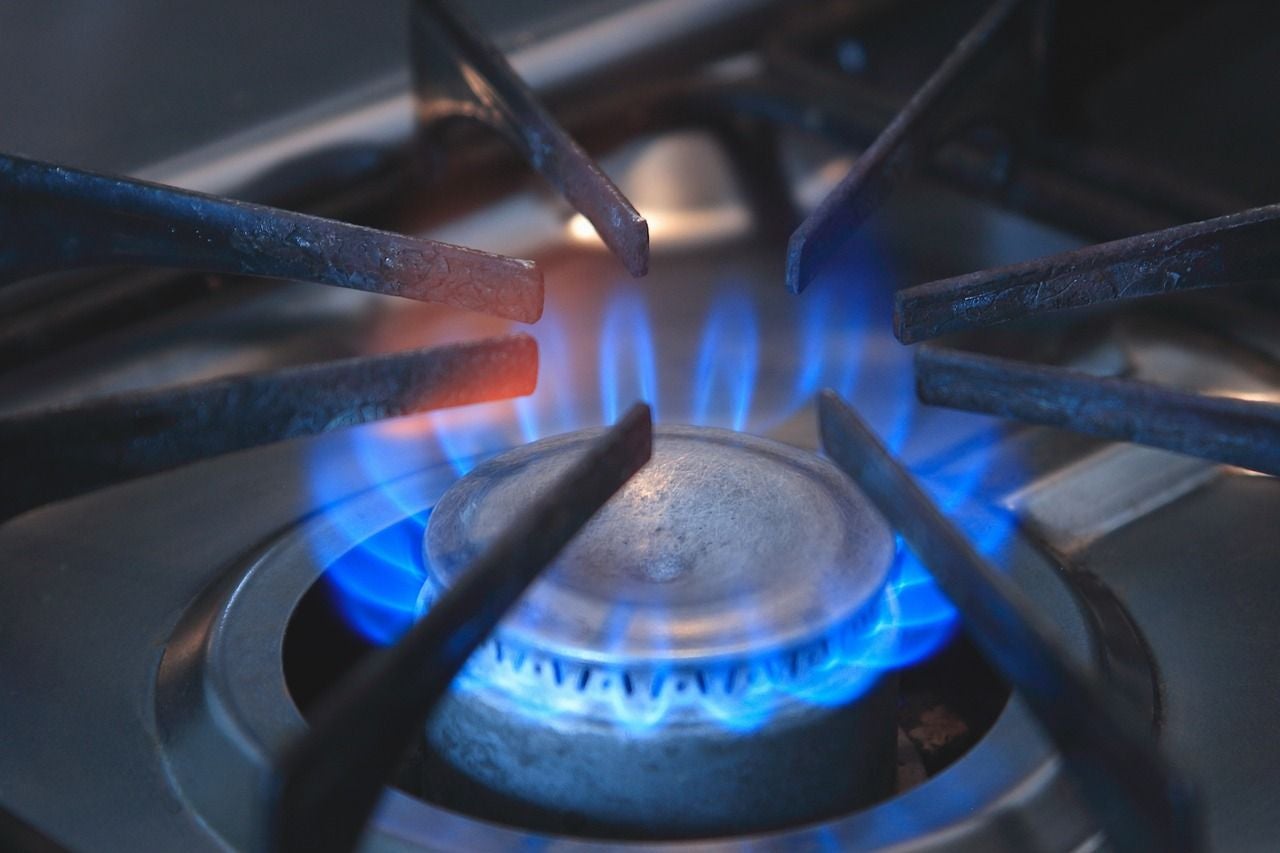
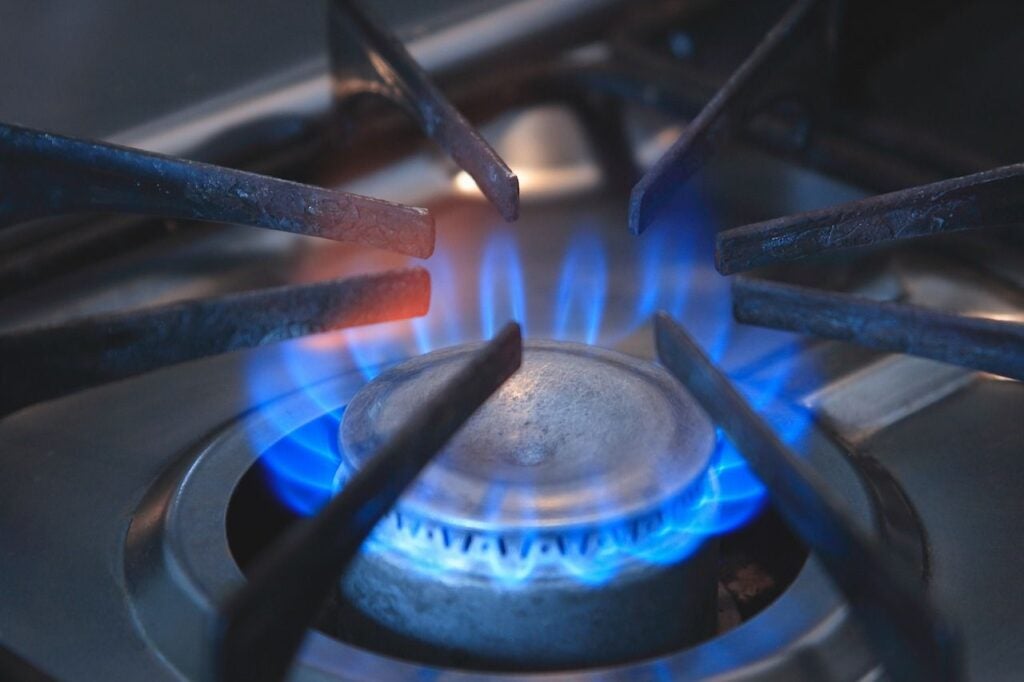
Cooking with gas stoves or using butane can release harmful chemicals into the air, potentially increasing the risk of cancer.

What the science tells us

Epidemiological Evidence

There is substantial epidemiological evidence linking gas stove use to adverse health outcomes. For instance, a 2013 meta-analysis concluded that children living in homes with gas stoves have a 42% higher risk of asthma compared to those in homes without gas stoves. A 2022 analysis attributed 12.7% of childhood asthma cases in the U.S. to gas stoves. These studies suggest that the pollutants emitted from gas stoves, including benzene, nitrogen dioxide, and carbon monoxide, contribute to respiratory and other health issues.

Laboratory Evidence/Supporting Evidence

Research led by Stanford University has shown that gas stoves emit benzene, a chemical known to cause leukemia and other blood cell cancers. The levels of benzene emitted can sometimes exceed those found in secondhand tobacco smoke, posing significant health risks, especially when ventilation is inadequate. Benzene emissions from gas and propane burners were found to be significantly higher than those from electric stoves. Induction cooktops did not emit detectable benzene.

IARC Carcinogen Classification: 

Group 1 carcinogen, meaning it is definitively known to cause cancer in humans.

How to reduce your risk

  • Improve Ventilation: Always use a range hood that vents to the outside or open windows while cooking to reduce indoor pollutant concentrations.
  • Switch to Electric Appliances: Consider using electric stoves, induction cooktops, or other electric kitchen appliances that do not emit benzene.
  • Take Advantage of Rebates: Look for state, local, or federal rebates and incentives to help offset the cost of replacing gas appliances with safer alternatives.
  • Use Portable Induction Cooktops: These can be a cost-effective alternative to traditional gas stoves and do not emit harmful chemicals.

Bottom line

Cooking with gas stoves or using butane can significantly increase indoor benzene levels, a known carcinogen linked to blood cell cancers. By improving ventilation, switching to electric or induction cooking methods, and utilizing available rebates, you can reduce your exposure and lower your risk of cancer. Prioritize safer cooking practices to protect your health and well-being.

For more information, watch this short video on gas stoves and indoor air pullution from the Woods Institute for the Environment at Stanford Univeristy.

What you may have heard

You might have heard that 5G technology can cause cancer because it uses higher frequency waves than older mobile networks.

What the science tells us

Epidemiological Evidence

Many studies have looked into whether cell phones, including 5G, cause cancer. So far, most studies have not found a clear link between using mobile phones and getting cancer.

The US Food and Drug Administration (FDA) says studies showing changes in the body from radiofrequency (RF) radiation have not been consistent. Most epidemiological studies do not show a link between this radiation and health problems. The FDA believes current safety limits for cell phones protect public health.

Laboratory Evidence/Supporting Evidence

Lab tests on the type of radiation used by 5G, RF radiation, have not shown it can damage DNA or cause cancer. This type of radiation is much weaker than the type of radiations used in X-rays.

RF radiation mostly just heats up tissues a little bit, but this isn’t enough to cause cancer. Scientists are still studying the long-term effects, but so far, there’s no strong evidence that 5G causes cancer.

IARC Classification:

RF radiation is Group 2B  (possibly carcinogenic).

Other groups, like the US Centers for Disease Control and Prevention (CDC), say there’s no definite proof that cell phone use causes cancer.

How to reduce your risk

While the evidence doesn’t show that 5G causes cancer, you can still take some simple steps to reduce your exposure to RF radiation:

  • Use speaker mode or a headset to keep the phone away from your head.
  • Limit how long you talk on the phone.
  • Text instead of calling when you can.
  • Avoid using your phone when the signal is weak because it works harder and emits more radiation.

Bottom line

Right now, there’s no strong evidence that 5G technology increases the risk of cancer, but scientists are still researching it. It’s always a good idea to use your phone sensibly and keep up with new findings.

What you may have heard

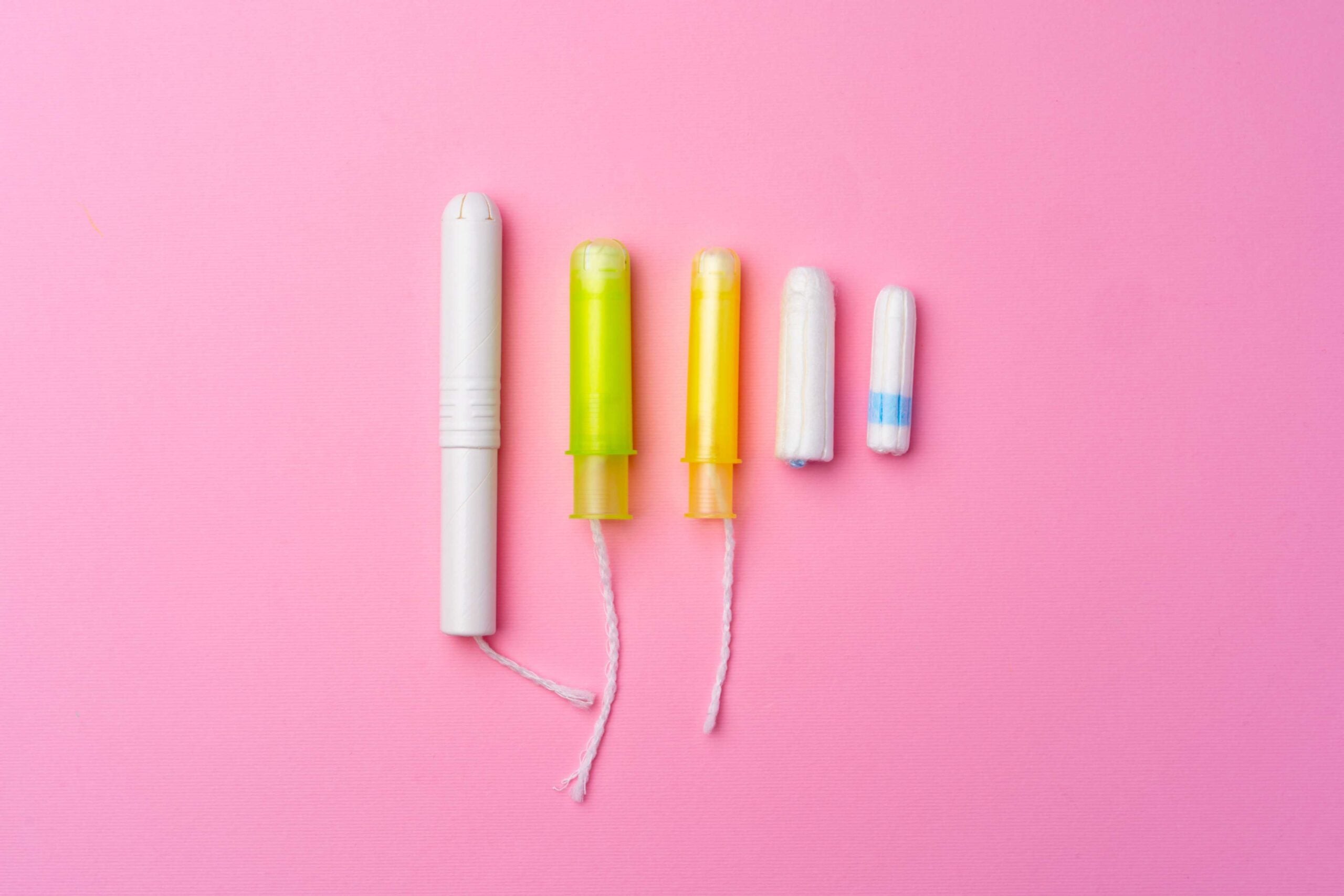
You may have seen a viral TikTok video claiming that tampons contain an ingredient called titanium dioxide, which is responsible for increasing the risk of cancer.

What science tells us

Titanium dioxide is used as a pigment in the thread attached to tampons. Less than 0.1% of titanium dioxide is used in the total ingredients of tampons. Because exposure levels are very low, it is likely this is a very low carcinogenic risk.

Epidemiological Evidence

Currently, there are no high-quality epidemiological studies that establish that titanium dioxide in tampons is linked with an increased risk of cancer.

Laboratory Evidence/ Supportive Evidence

One laboratory study looked into the relationship between exposure to titanium dioxide in rats. They found that when rats were exposed to high levels of titanium dioxide, lung cancer developed (Driscoll).

IARC Carcinogen Classification:

2B (possibly carcinogenic to humans)

How to reduce your risk

You can lower your risk of exposure to titanium dioxide by opting to use tampons that are free of dyes, fragrances, and bleaching.

Bottom line

Based on the current evidence, titanium dioxide exposure from tampon use does not cause cancer.

What you may have heard

Loom bands were pulled from shelves due to concerns about cancer risk.

What science tells us

Rainbow Loom is a plastic device used to weave small, colored rubber bands (loom bands) into jewelry. Loom bands were pulled from the shelves after they were found to contain high levels of phthalates. This is concerning because phthalates can cause health problems if ingested over time.  Loom bands are mainly used by children, and there is a risk that the band will end up in a child’s mouth.

Epidemiological Evidence

Phthalates have been well-studied in animal models, and prenatal exposure to phthalates was found to have harmful effects on the reproductive tract of male offspring (Engel et al.). Over the past 10 years, studies have shown that human prenatal exposure to phthalates affects children’s brain development and increases their risk for learning, attention, and behavioral disorders (Engel et al.). There are still many questions about how phthalates may affect people’s health, and more research is needed to assess the health risks of phthalates.
There are many types of phthalates, and only one is classified as a possible cause of cancer by the International Agency for Research on Cancer (IARC) and “reasonably anticipated to be a human carcinogen” by the National Toxicology Program (NTP): diethylhexyl phthalate (DEHP). DEHP was found in loom bands at higher concentrations than the legal limit. However, there has not been enough data collected in humans to determine if cancer risk in humans is associated specifically with loom band exposures.

Laboratory Evidence/Supporting Evidence

In animal models, DEHP was found to cause liver cancer, benign testicular tumors, and benign pancreatic tumors

IARC Carcinogen Classification:

Group 2B (possibly carcinogenic to humans: Di(2-ethylhexyl)phthalate) and Group 3 (Not classifiable as to its carcinogenicity to humans: Butyl benzyl phthalate)

How to reduce your risk

As previously mentioned, loom bands were pulled from shelves due to concerns about cancer risk. Exposure is highest when eating or drinking foods that contain phthalates (CDC). Children crawling around, touching items that contain phthalates, and putting their hands in their mouths are of serious concern. To ensure phthalate exposure is low, don’t eat or drink (or in the case of loom bands, don’t allow children to place the bands in their mouths) products known to contain higher levels of phthalates. These products include certain toys, vinyl flooring, vinyl wall covering, detergents, lubricating oils, food packaging, pharmaceuticals, blood bags and tubing, and personal care products, such as nail polish, hair sprays, aftershave lotions, soaps, shampoos, etc. (FDA).

Bottom line

More research is needed to assess the relationship between phthalate exposure and cancer risk. However, phthalate exposure is linked to other health conditions, such as reproductive health defects and the brain development of children. If your child is using loom bands, ensure that they don’t put the bands in their mouths and that they wash their hands after touching them.

What you may have heard

Burning scented candles emits cancer-causing chemicals.

What science tells us

Burning scented candles could lead to cancer-causing exposures through wax and wicks. Some aromatherapy candles are made of paraffin, which is a petroleum byproduct that releases carcinogenic soot when burned (Green America). At high exposure levels, this soot can also cause or aggravate respiratory problems and damage the inside of your house (for example computers, electrical appliances, ductwork). Harmful concentrations of other pollutants that may be found in scented candles (for example, formaldehyde, carbon dioxide, carbon monoxide, particulate matter, and volatile organic compounds ) are also found in homes that burn scented candles regularly (Adamowicz et al.).

In addition, candles made before 2003 may have lead-core wicks. A candle with a lead-core wick releases five times the amount of lead considered hazardous for children and exceeds EPA pollution standards for outdoor air (Green America). No amount of lead is safe for humans and high lead exposure has been linked to hormone disruption, behavioral problems, learning disabilities, and many other health problems (CDC), including cancer.

Epidemiological Evidence

There is limited epidemiological evidence about exposure to scented candles and cancer risk.

Laboratory Evidence/ Supportive Evidence

Laboratory evidence has shown that candles themselves are not a concern. A 2007 study found that the chemicals that make up candles are well below the threshold value of causing health problems (AECM). However, burning of candles releases volatile organic compounds (VOCs) into the air, which can be harmful. A 2014 laboratory study showed that the amount of VOCs released from burning candles is very low, and not large enough to be harmful to human health (Petry et al.).

IARC Carcinogen Classification:

Not classified

How to reduce your risk

There are plenty of non-toxic candle alternatives: 100% beeswax candles with cotton wicks are free of toxic chemicals, as are candles made from 100% vegetable-based or soy waxes (Green America). To reduce soot, regardless of the type of candle, trim wicks to ⅛ of an inch. Candle-free aromatherapy is another way to release pleasant scents without any harmful byproducts. Essential oils are non-toxic and can be released through a diffuser, a ring burner, or added to a warm bath.

Bottom line

Occasional use of scented candles is unlikely to have carcinogenic effects, but frequent burning of some non-vegetable or non-soy-based scented candles may increase cancer risk. Pick non-toxic alternatives when buying scented candles.

Fact Finder Tool

Discover insights, research, and information to help you navigate cancer-related topics with confidence.

959 posts available
6 categories

CLAIM: Gas stoves and the use of butane are linked to an increased risk of cancer

What you may have heard Cooking with gas stoves or using butane can release harmful chemicals into the air, potentially increasing the risk of cancer. What the science tells us Epidemiological Evidence There is substantial epidemiological evidence linking gas stove use to adverse health outcomes. For instance, a 2013 meta-analysis concluded that children living in…

Read More →

CLAIM: 5G technology increases the risk of cancer

What you may have heard You might have heard that 5G technology can cause cancer because it uses higher frequency waves than older mobile networks. What the science tells us Epidemiological Evidence Many studies have looked into whether cell phones, including 5G, cause cancer. So far, most studies have not found a clear link between…

Read More →

CLAIM: Loom bands increase the risk of cancer

What you may have heard Loom bands were pulled from shelves due to concerns about cancer risk. What science tells us Rainbow Loom is a plastic device used to weave small, colored rubber bands (loom bands) into jewelry. Loom bands were pulled from the shelves after they were found to contain high levels of phthalates.…

Read More →

CLAIM: Scented candles cause cancer

What you may have heard Burning scented candles emits cancer-causing chemicals. What science tells us Burning scented candles could lead to cancer-causing exposures through wax and wicks. Some aromatherapy candles are made of paraffin, which is a petroleum byproduct that releases carcinogenic soot when burned (Green America). At high exposure levels, this soot can also…

Read More →