Additional languages coming soon.
Skip to content

What you may have heard

Exposure to per- and polyfluoroalkyl substances (PFAS), such as PFOA and PFOS, might increase your risk of cancer.

What the science tells us

PFOA (Perfluorooctanoic Acid) and PFOS (Perfluorooctane Sulfonate) are part of a larger group of man-made chemicals known as per- and polyfluoroalkyl substances (PFAS). These chemicals have been in commercial use since the 1940s due to their unique properties that make them resistant to heat, water, oil, and stains.

Where are they found?

  • Consumer Products: Commonly used in the production of non-stick cookware (like Teflon), water-resistant clothing, sun-protective clothing (UPF clothing), stain-resistant fabrics and carpets.
  • Industrial Sites: Used in firefighting foams, and other industrial applications.
  • Water Sources: Contaminated drinking water supplies near industrial sites, military bases, and areas where firefighting foams have been extensively used.
  • Food: Food packaging and some foods, particularly certain types of seafood and products from contaminated areas, can contain low levels of PFAS.

Epidemiological Evidence:

  • Kidney Cancer: Studies have shown an increased risk of renal cell carcinoma (RCC) among individuals with high PFOA exposure, particularly those working in chemical plants or living near contaminated water sources. However, results vary across different population groups.
  • Testicular Cancer: Research indicates elevated PFOS levels are associated with a higher risk of testicular cancer, especially among military personnel exposed to PFAS through firefighting foams.
  • Breast Cancer: Some studies have found a link between PFOS exposure and hormone receptor-positive breast cancer in postmenopausal women, though more research is needed to confirm these findings.

Laboratory Evidence/Supporting Evidence:

  • Experiments on lab animals have demonstrated that PFAS exposure can lead to tumors in organs such as the liver, pancreas, and mammary glands. These findings suggest potential carcinogenic effects, but translating these results to humans requires further investigation.

IARC Carcinogen Classification:

  • PFOA is classified as “carcinogenic to humans” (Group 1) based on sufficient evidence from animal studies and strong evidence of its carcinogenic properties in humans.
  • PFOS is classified as “possibly carcinogenic to humans” (Group 2B) due to limited evidence in humans but sufficient evidence in animal studies.

How to reduce your risk

  • Avoid contaminated water. Use bottled water or activated carbon filters if you live in areas with known PFAS contamination.
  • Reduce consumption of foods known to be contaminated with PFAS, such as certain seafood and canned clams.
  • Limit the use of products that may contain PFAS, such as non-stick cookware, stain-resistant fabrics, and certain food packaging materials.
  • PFOA and some closely related chemicals (such as PFOS) are now no longer made in the US, although they are still made in some other countries and could potentially reach US consumers in certain types of products. Being aware of product origins and regulatory updates can help in making safer choices.

Bottom line

While there is growing evidence suggesting that PFAS exposure is linked to certain cancers, definitive conclusions from the scientific community affirm that there is a significant cause for concern. Continued research is essential to fully understand the risks and develop effective strategies for reducing exposure. Being aware of potential sources of PFAS and taking steps to minimize contact can help mitigate potential health risks.

Watch this short video on the link between PFAS and cancer by the Dana-Farber Cancer Institute.
What you may have heard

Concerns have been raised that when you cook food in aluminum foil, the aluminum can seep into the food and may be linked to cancer and other health issues.

What the science tells us

Aluminum foil is generally considered safe for cooking. While it is true that small amounts of aluminum can leach into food when heated, these levels are typically low and not a cause for concern. Aluminum concentrations may vary by type of food (e.g., tomatoes, lemons), cooking temperature, and the ingredients or spices used.

Most people with healthy kidney function can excrete the small amounts of aluminum that may be absorbed by the body. Health risks from aluminum exposure may be greater for vulnerable groups, such as young children or individuals with chronic renal failure (Dordevic et al.).

Supporting Evidence

There is currently no strong evidence that cooking with aluminum foil increases your risk of cancer. A study on food additives and contaminants found that both cooking and storing food in foil can lead to low to moderate increases in aluminum content, especially at higher temperatures or with longer contact times (Ertl & Goessler). However, researchers found these changes to be marginal and not associated with adverse health outcomes under typical use.

Both the World Health Organization (WHO) and European Food Safety Authority (EFSA) have reported that the average person’s aluminum intake from all sources, including foil, remains below harmful levels. The WHO has established a tolerable intake of 2 mg/kg of body weight per week, a limit rarely reached by the general population.

How to reduce your risk

If you are concerned about potential risks from foil and want to minimize aluminum exposure:

  • Avoid using aluminum foil with acidic or spicy foods.
  • Limit aluminum foil use for young children and individuals with chronic kidney disease.
  • Consider alternative options like parchment paper when baking.

Bottom line

Cooking with aluminum foil is generally safe. While excessive aluminum exposure can be harmful, the small amounts associated with regular foil use are not linked to cancer and remain below established safety thresholds.

What you may have heard

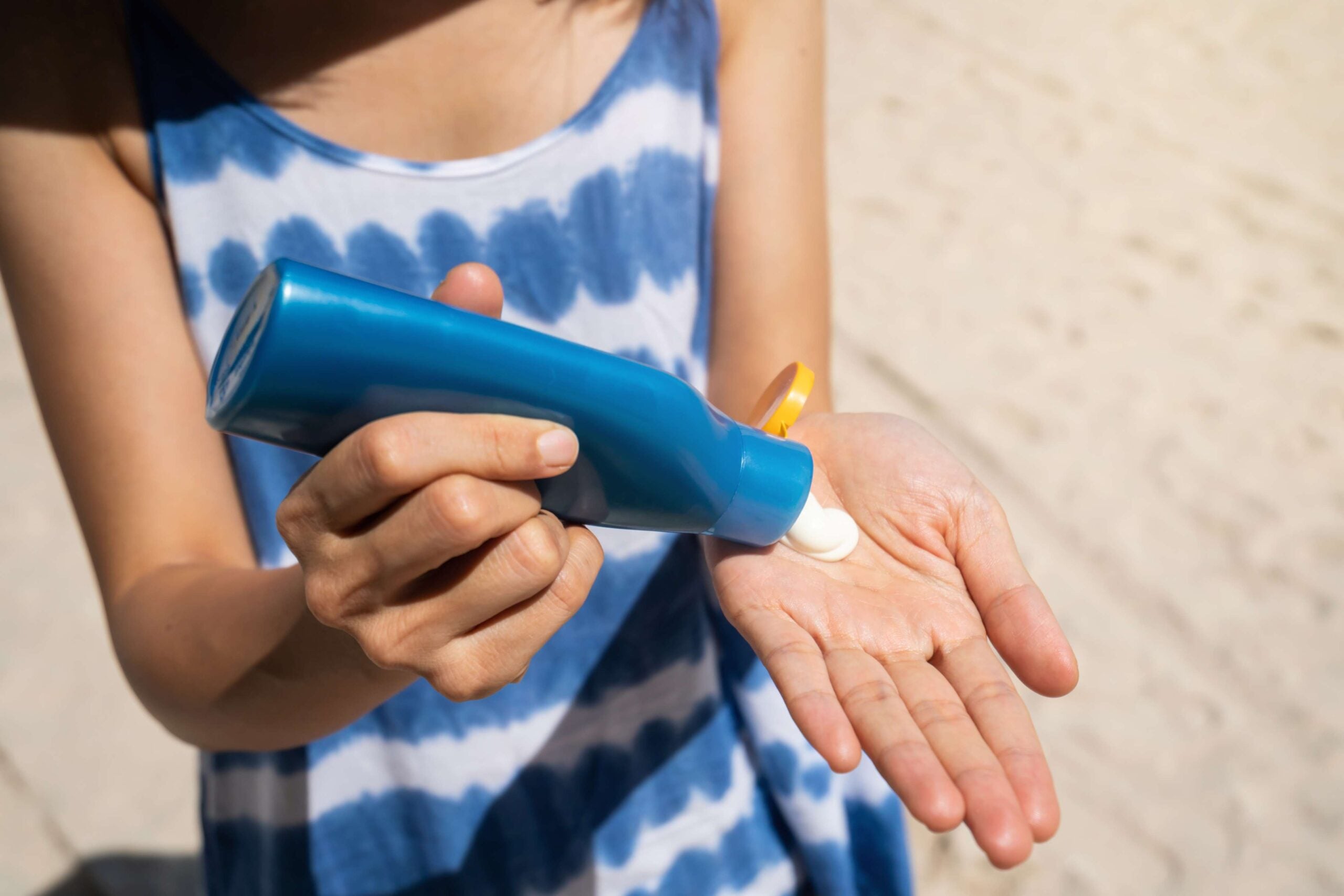
Concerns have been circulating that sunscreen products contain harmful chemicals that can increase your risk of skin cancer.

What the science tells us

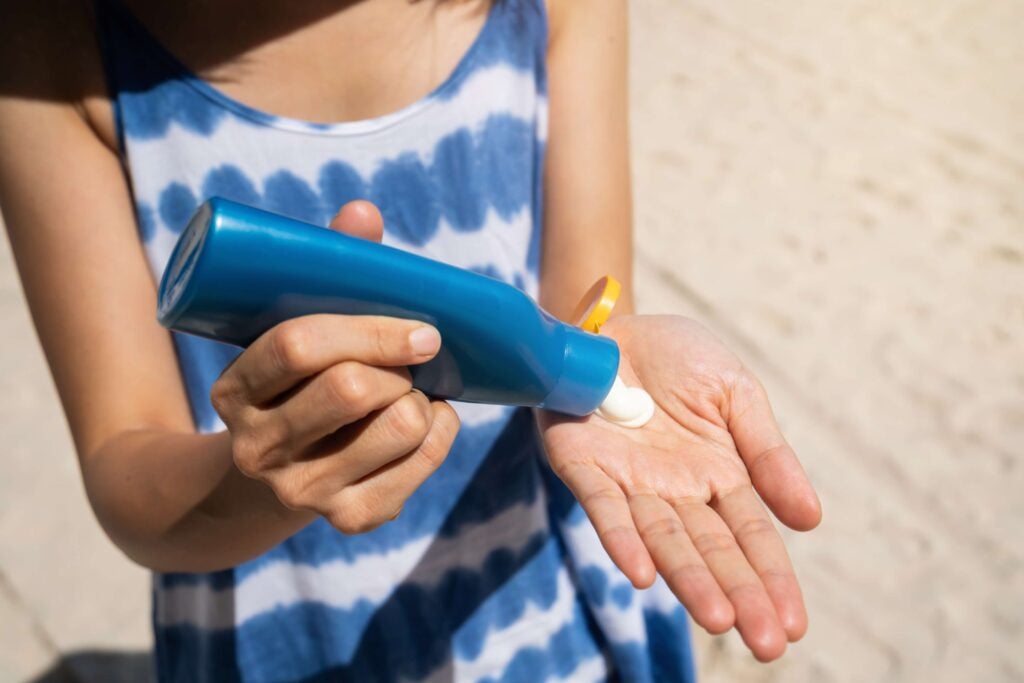
Using sunscreen does not increase your risk of cancer. In fact, sunscreen is essential for protecting your skin from ultraviolet (UV) radiation, which can damage the DNA in your cells and lead to skin cancer. The Food and Drug Administration (FDA), American Cancer Society (ACS), and American Academy of Dermatology (AAD) continue to recommend the use of sunscreen products with a Sun Protection Factor (SPF) of at least 30.

Epidemiological Evidence

Strong evidence shows that sunscreen use reduces the risk of squamous cell carcinoma and melanoma, two of the most serious forms of skin cancer (Sander et al.). A randomized controlled trial in Australia found that adults who used sunscreen daily had half the risk of developing melanoma and a 73% lower risk of invasive melanoma compared to those who used it only occasionally (Green et al.).

Laboratory Evidence/Supporting Evidence

The FDA sets strict safety standards for sunscreen ingredients and continues to monitor their long-term effects. Several ingredients, including oxybenzone, octinoxate, and avobenzone, are currently undergoing further research to understand absorption and safety (ACS). Thus far, no ingredients used in sunscreen have been proven to cause cancer in humans.

Some sunscreens were recalled due to contamination with benzene, an IARC Group 1 carcinogen. However, benzene is not an active ingredient in sunscreen, it is a byproduct of manufacturing contamination which can occur in various consumer products.

How to reduce your risk of skin cancer

When selecting sunscreen, use products with broad spectrum protection (against UVA and UVB rays) and SPF greater than 30. If you are concerned about chemical absorption, choose mineral sunscreens that contain physical blockers like zinc oxide and titanium dioxide to reflect UV rays before they penetrate the skin. In addition, take the following precautions:

  • reapply sunscreen every two hours, or after swimming or sweating;
  • limit sun exposure during peak hours and seek shade when possible; and
  • keep babies under six months out of direct sunlight.

Bottom line

Sunscreen is strongly recommended to prevent skin cancer. While concerns have been raised about the safety of certain chemical ingredients, there is no evidence that sunscreen increases cancer risk. To best protect yourself against skin cancer, use a broad spectrum sunscreen with SPF 30 or higher and combine it with shade, protective clothing, and careful timing of your sun exposure.

To learn more about sunscreen and cancer risk, watch this short video by the Dana-Farber Cancer Institute.

What you may have heard

Smart and fitness watch bands may contain cancer-causing “forever chemicals” known as PFAS (per- and polyfluoroalkyl substances). These are used in bands made of fluoroelastomer, a kind of synthetic rubber resistant to dirt, water, sweat, and oil. There is growing concern that PFAS in watch bands may be absorbed through the skin and increase your risk of cancer and other poor health outcomes over time.

What the science tells us

Elevated levels of PFAS may increase the risk of developing certain cancers, including kidney, testicular, and prostate cancer. PFAS exposure is also associated with negative reproductive effects, developmental delays in children, weakened immune function, hormonal disruption, and cholesterol regulation issues (EPA). Scientists are working to understand how forever chemical exposure from smart watch bands, specifically, may influence adverse health outcomes.

Epidemiological Evidence

The University of Notre Dame conducted a 2024 study on over 22 varieties of watch bands, finding high concentrations of fluorine, a key component of PFAS, in 15 of the bands. One compound in particular, PFHxA, was extracted from nine fluoroelastomer watch bands in high concentrations (Wicks et al.). These findings raise important questions about how regular skin contact with PFAS-containing bands might contribute to cumulative chemical exposure over time and call for further research.

Laboratory Evidence/Supporting Evidence

There is currently limited knowledge on PFAS absorption from repeated, prolonged contact with the skin. While laboratory studies have shown that forever chemicals can penetrate the skin and enter the bloodstream, the extent of absorption from everyday smart watch use is unclear.

How to reduce your risk

If you are concerned about potential PFAS exposure from smart or fitness watch bands:

  • Check product labels. Avoid bands with the label “fluoroelastomer,” as they may contain PFAS.
  • Choose watch bands made of silicone or untreated leather.
  • Consider limiting the amount of time you wear your watch (e.g., take off during sleep).
  • Wash your band and wrist regularly to reduce potential chemical buildup.

Bottom line

Several smart and fitness watch bands have been reported to contain PFAS. However, additional research is needed to determine how varying levels of PFAS exposure in watch bands may influence cancer risk. To decrease your potential risk from forever chemicals in smart watch bands, check product labels and look for bands without fluoroelastomers.

What you may have heard

Chemical hair products used to straighten curly or wavy hair may increase your risk of hormone-related cancers.

What the science tells us

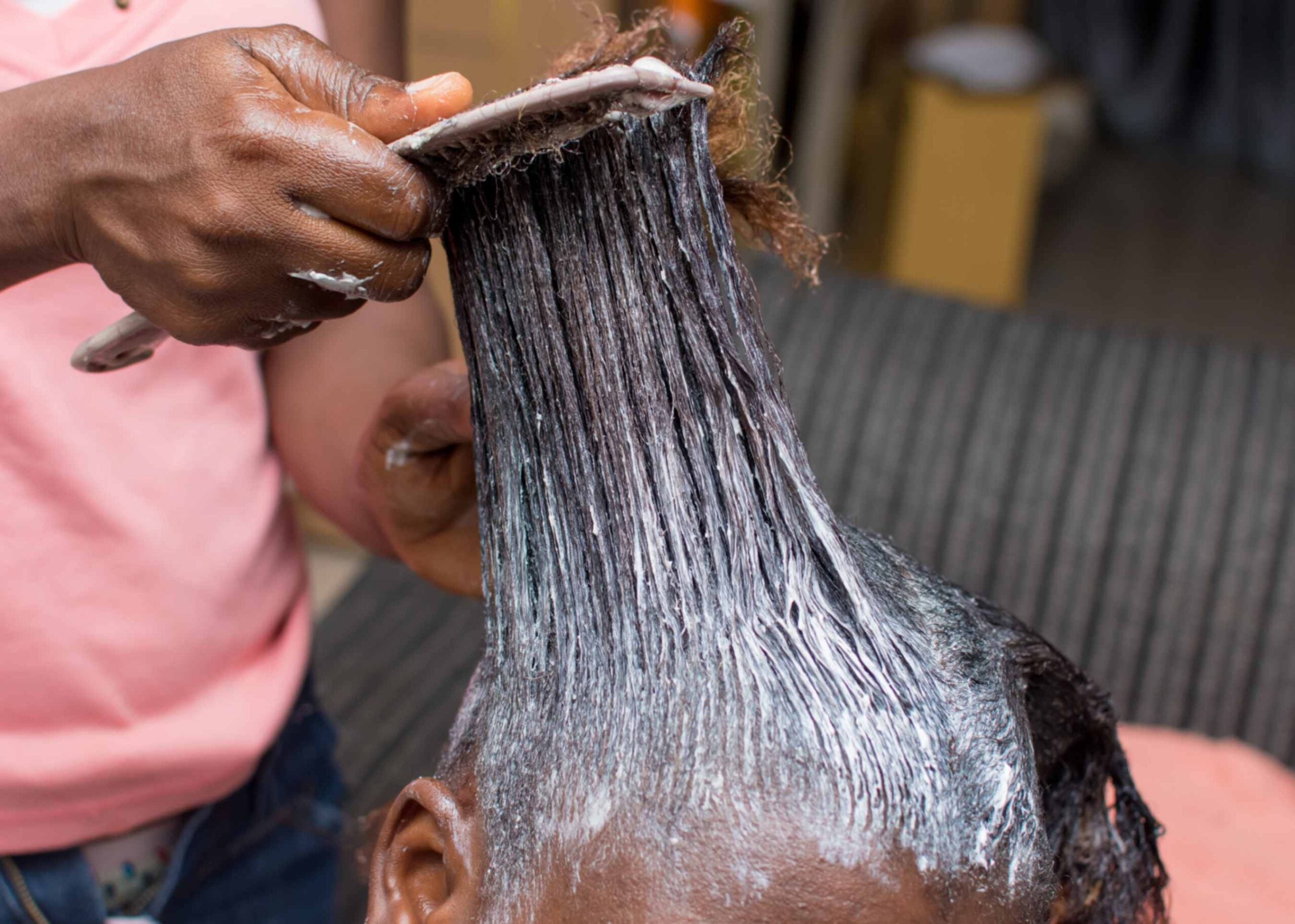
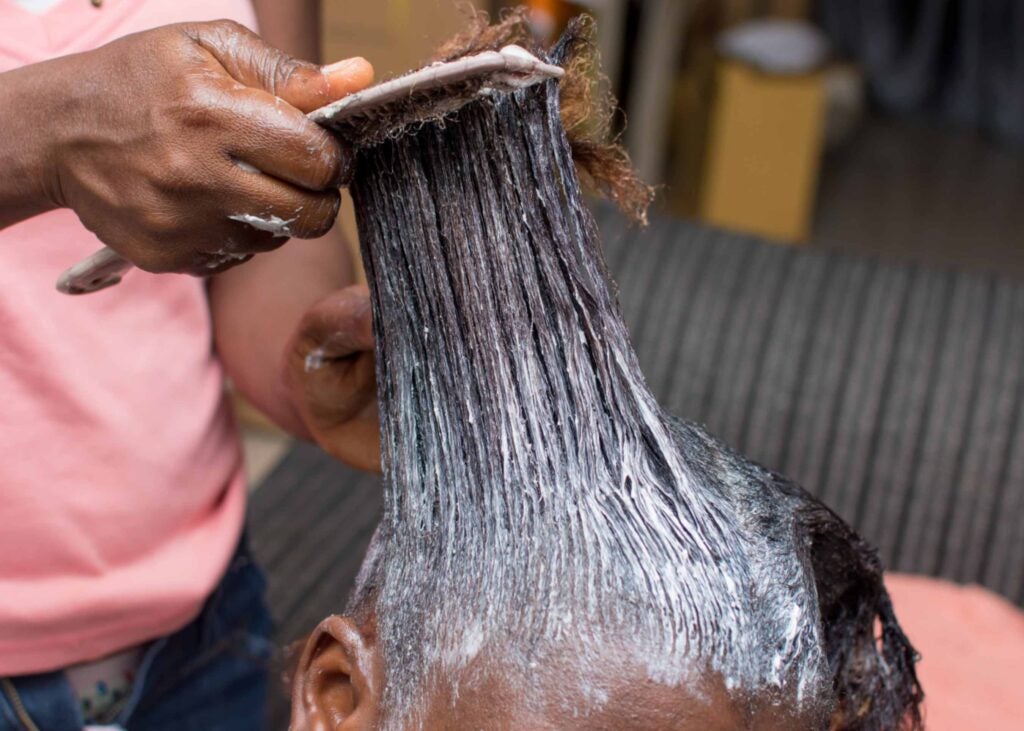
Chemical hair straighteners, also called hair relaxers, have been linked to uterine and ovarian cancers, with exposure greatest among Black women. These products may contain endocrine disrupting chemicals that mimic estrogen and interfere with the body’s hormone balance. Absorption of these chemicals through the scalp raises concerns about long-term cancer risk.

Epidemiological Evidence

Data from the Sister Study also suggests that frequent use of hair straighteners is associated with an increased risk of ovarian cancer (White et al.). Some studies have explored a potential link to breast cancer as well, though findings are less consistent.

Laboratory Evidence/Supporting Evidence

Many scientists are concerned about the risks of formaldehyde, also known as formalin and methylene glycol, found in some chemical hair products. Formaldehyde is an IARC-classified carcinogen and poses health risks when inhaled or in contact with eyes or skin (FDA). The Food and Drug Administration is currently working to ban formaldehyde from chemical hair straighteners and other consumer products. Additional chemicals of concern include parabens, phthalates, and certain metals, which may also function as endocrine disruptors.

How to reduce your risk

  • Limit the use of chemical hair straightening products, especially those containing formaldehyde.
  • Engage in regular physical activity and follow a balanced, nutritious diet. Obesity is a significant risk factor for hormone-related cancers.

Bottom line

Some studies suggest a link between chemical hair straighteners and hormone-related cancers; however, causation has not yet been established. Researchers recommend further studies to better understand this relationship. If you are concerned about potential cancer risk, consider reducing use of chemical hair straighteners and maintaining a healthy lifestyle to support overall cancer prevention.

What you may have heard

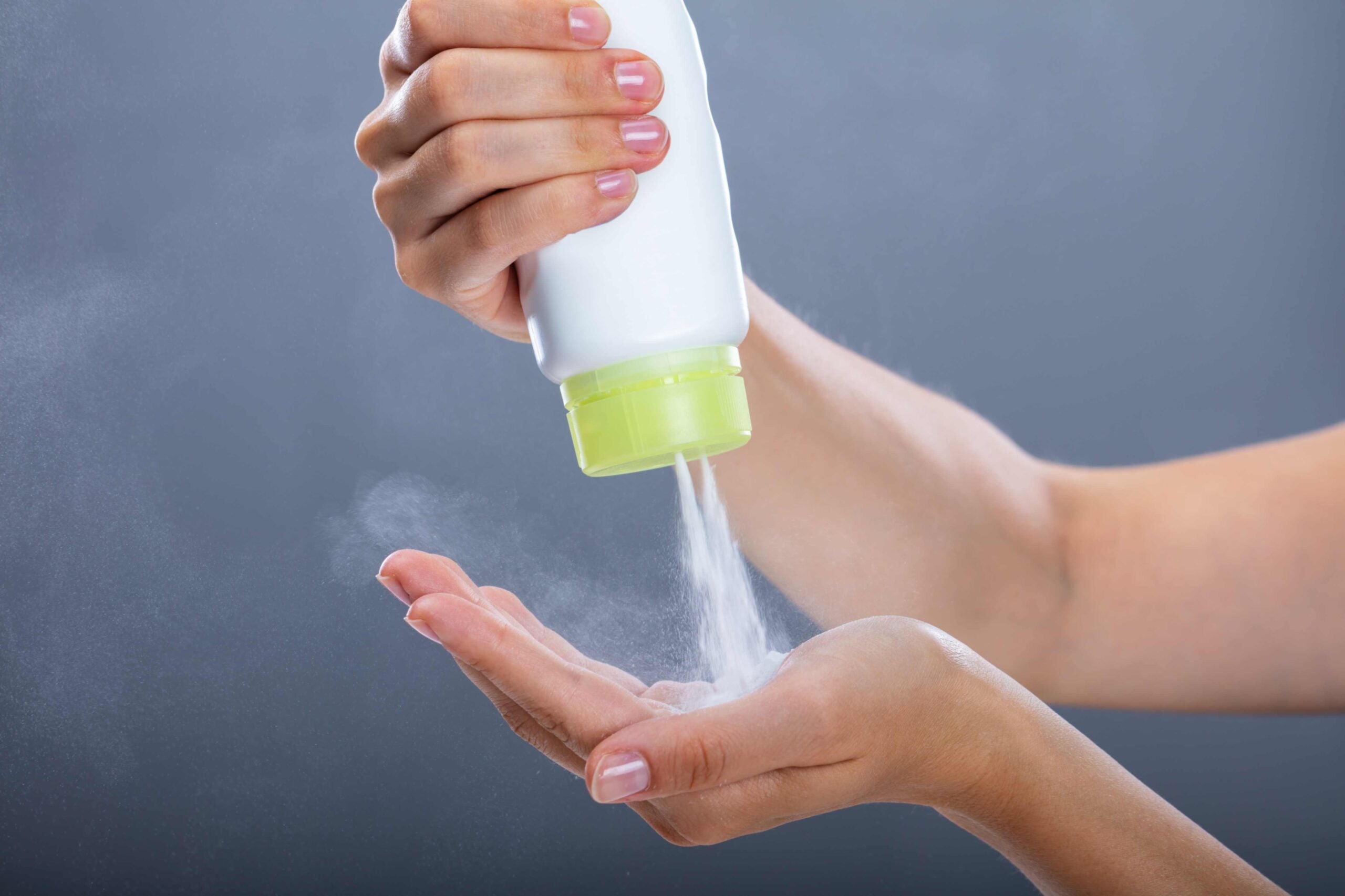
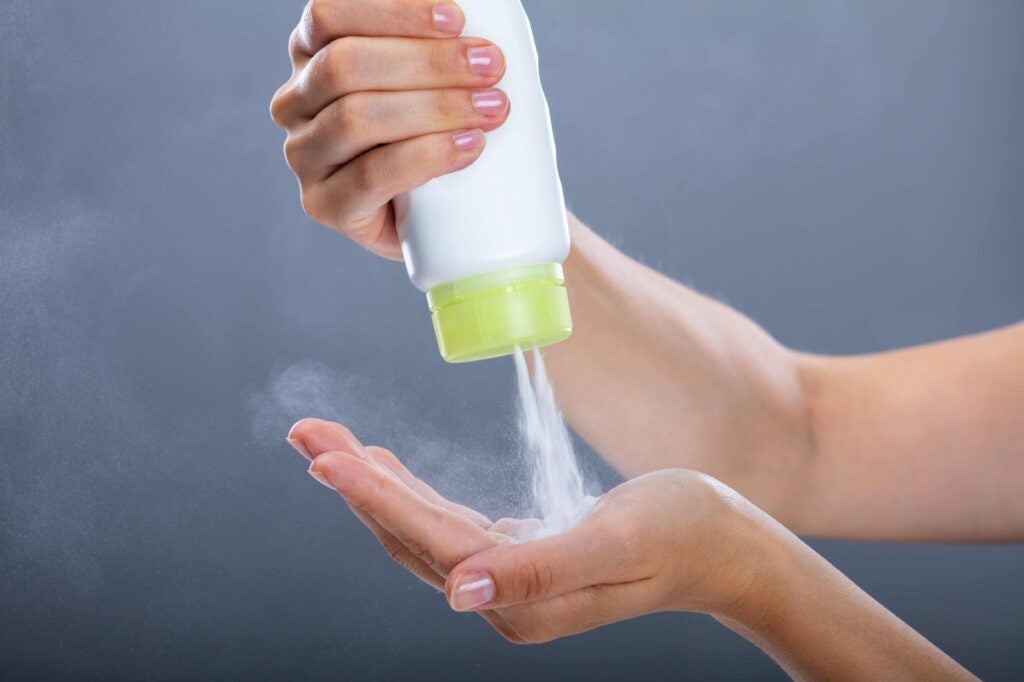
Many people believe that using talcum powder increases cancer risk such as ovarian cancer. Some lawsuits and public concerns center on possible asbestos contamination and inflammation caused by talc itself.

What science tells us

Asbestos-contaminated talc is classified by IARC as Group 1 (carcinogenic to humans). Even talc not known to contain asbestos is classified as Group 2A (probably carcinogenic) based on sufficient animal evidence. These classifications reflect concern, not certainty. The American Cancer Society emphasizes that study results on talc and cancer remain mixed and inconclusive (IARC) (ACS).

Epidemiological Evidence

  • A 1992 case-control study found that women who applied talc had a 1.5-fold increased risk of epithelial ovarian cancer. The risk rose to 1.8 for daily users and 2.8 for those reporting more than 10,000 applications, although that subgroup was small (PubMed). 
  • However, a quantitative bias analysis published in 2024 reexamined earlier findings and reported an odds ratio of 1.33 for genital powder use and ovarian cancer risk. Researchers noted that recall and reporting biases could influence results (PubMed). 
  • A 2023 systematic review concluded there is “suggestive evidence of no association” between perineal talc use and ovarian cancer at human-relevant exposure levels. It also found no evidence linking talc to endometrial or cervical cancer (PubMed).

Laboratory Evidence / Supporting Evidence

Animal studies show that talc does not move past the cervix or stay localized to the ovaries or uterus. Mechanistic data show limited in vitro effects at unrealistic exposure levels and no clear biological pathway for cancer development from talc use.

IARC Carcinogen Classification

IARC classifies asbestos-contaminated talc as Group 1 (carcinogenic to humans), and talc not containing asbestos as Group 2A (probably carcinogenic to humans) based on limited human evidence and strong mechanistic concerns (IARC). 

How to reduce your risk

If you’re concerned, choose cornstarch-based powders instead of talc-based products. Avoid inhaling the powder and limit long-term or frequent perineal use, at least until future studies provide clearer conclusions.

Bottom line

Evidence remains mixed. Some older studies suggest a modest increase in ovarian cancer risk linked to perineal talc use, but cohort data and systematic reviews show no clear causal association. Given the inconsistency, IARC labels talc without asbestos as “probably carcinogenic,” but this does not confirm that talc causes cancer in real-world use.

What you may have heard

Herbal products containing Aristolochia (or related plants) can cause cancer. People worry because these products have been linked to kidney damage and cancers of the urinary tract.

What science tells us

Aristolochic acids are naturally occurring compounds in some Aristolochia species. Major agencies classify Aristolochic acids as human carcinogens, and they’re also potent kidney toxins; exposure occurs mainly through certain herbal products and, in some regions, contaminated foodstuffs (NIH).

Epidemiological Evidence

  • Based on nationwide studies in Taiwan, Aristolochic acid exposure from specific Chinese herbal products is strongly associated with upper tract urothelial carcinoma (PubMed).
  • During the Belgium outbreak in the 1990s, women given slimming pills later identified to contain Aristolochic acids developed severe nephropathy and had high subsequent risk of urothelial cancer (PubMed).

Laboratory Evidence / Supporting Evidence

Aristolochic acids forms specific DNA adducts and produces a distinctive mutational signature in human tumors.

IARC Carcinogen Classification

Group 1 – Carcinogenic to humans

How to reduce your risk

  • Do not use herbal products that list Aristolochia or related species; avoid products of uncertain origin.
  • Check FDA alerts and avoid any supplements flagged for Aristolochic acid contamination.

Bottom line

Human studies, molecular evidence, and global experience all point to aristolochic acids as causes of urothelial cancers, with clear risk reduction after exposure bans.

What you may have heard

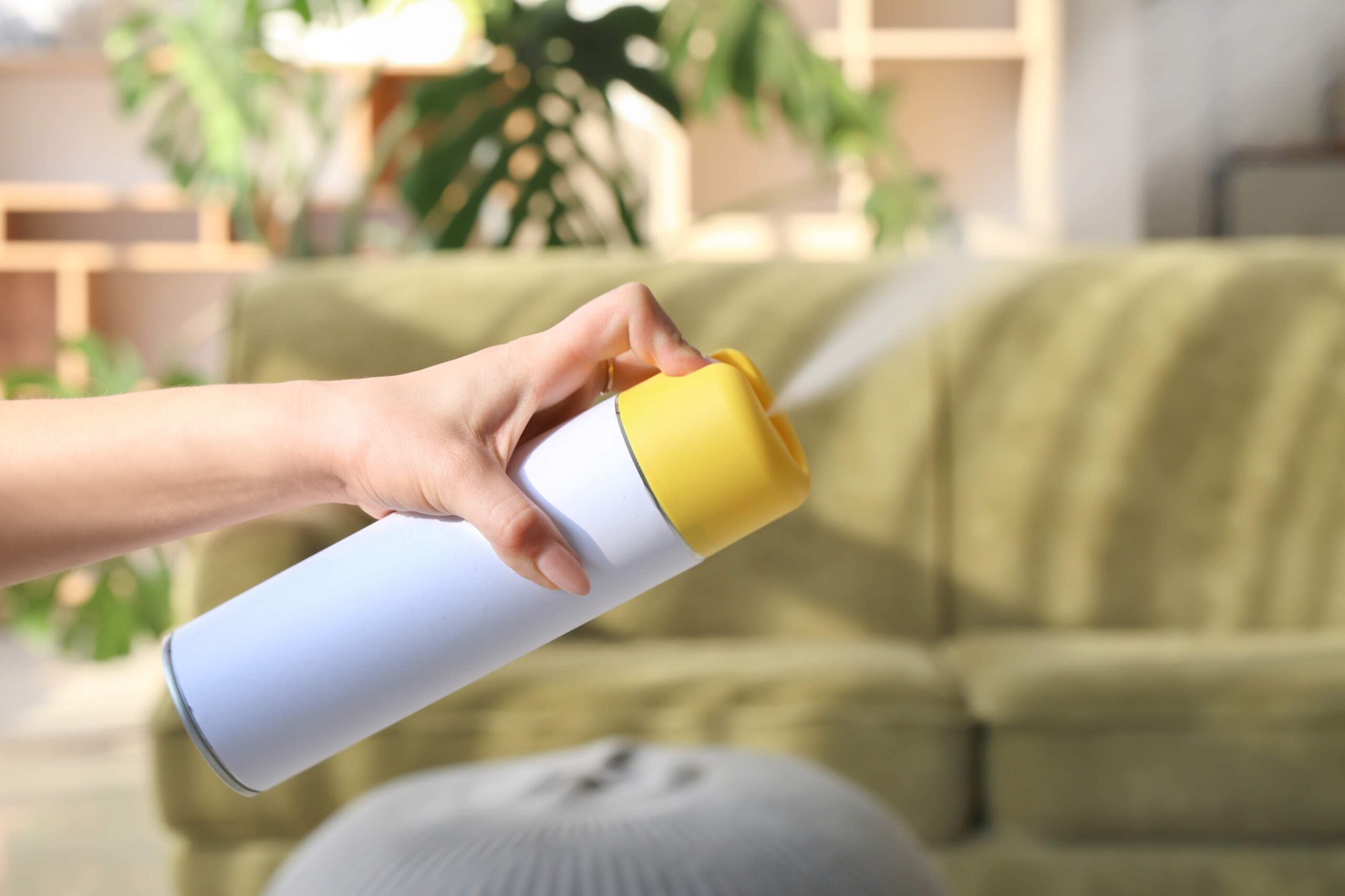
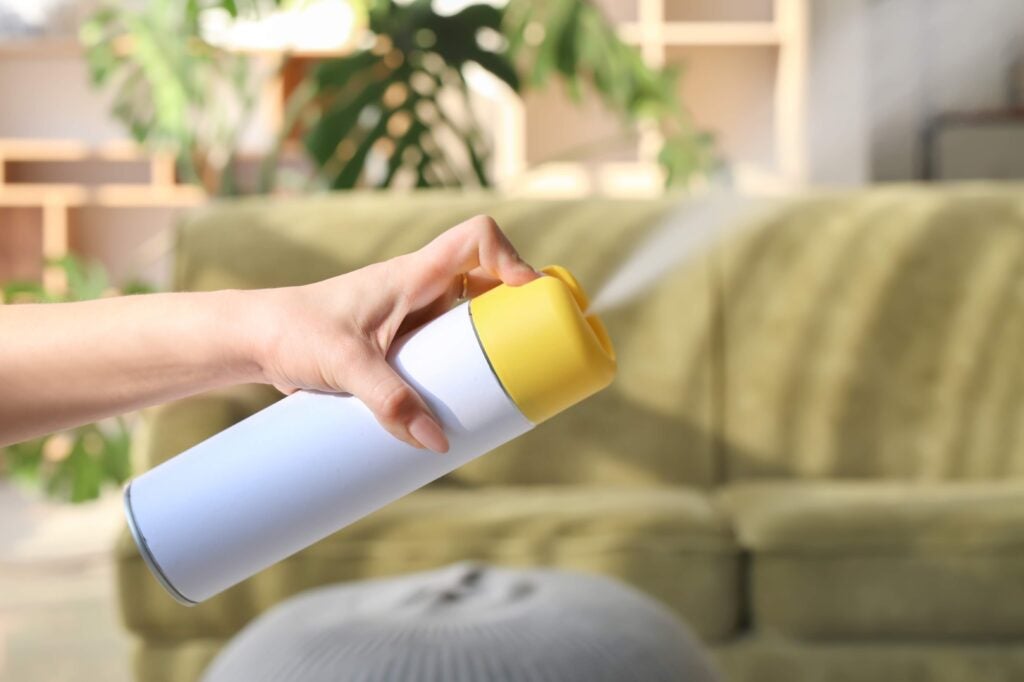
People say that using air fresheners at home can raise cancer risk. The concern is that these products release chemicals like VOCs, formaldehyde, and 1,4-dichlorobenzene (EPA). 

What science tells us

Air fresheners and other fragranced products emit VOCs. Some VOCs found indoors, including formaldehyde and benzene, are classified by major agencies as human carcinogens. 1,4-dichlorobenzene is “reasonably anticipated to be a human carcinogen.” That said, air fresheners as a category are not classified by IARC, and indoor levels vary widely by product and ventilation (EPA).

Epidemiological Evidence

  • U.S. population–based case–control study (Cape Cod) reported higher breast cancer odds among women in the top category of cleaning product and air freshener use. However, authors note possible recall bias (PubMed).
  • Children’s Oncology Group case–control study linked maternal use of household chemicals during pregnancy with infant leukemia. While not specific to air fresheners, categories included deodorizing/cleaning agents (PubMed).
  • Some studies that look at populations or measure indoor exposures have reported possible links between formaldehyde in homes and leukemia, but research in the general population is still limited and the findings do not line up. (PubMed).

Laboratory Evidence / Supporting

Product testing shows air fresheners and other fragranced goods emit dozens to hundreds of VOCs, including formaldehyde precursors and 1,4-dichlorobenzene (PubMed). 

IARC Carcinogen Classification: No IARC classification for air fresheners as a product class, but:

  • Formaldehyde: Group 1 (carcinogenic to humans)
  • Benzene: Group 1 (carcinogenic to humans)

How to reduce your risk

  • Choose fragrance-free products when possible, improve ventilation, and limit use to brief periods.
  • Avoid products with 1,4-dichlorobenzene; check labels for “paradichlorobenzene,” “p-DCB,” or “deodorizer.”
  • Try options that do not involve burning anything, such as opening windows, using HEPA filters with activated carbon, or reducing the source of the smell.

Bottom line

Some studies link heavy use of air fresheners and similar household chemicals with higher cancer risk, but the evidence is limited and not specific enough to confirm a causal link. The safer approach is to minimize fragrance use, ventilate well, and choose fragrance-free products.

What you may have heard

Titanium dioxide, used in food and cosmetics, may cause cancer.

What science tells us

Titanium dioxide (TiO2) is a mineral used as a whitening agent and pigment in various products, including foods, cosmetics, paints, and plastics. It’s commonly found in personal care items like sunscreens, pressed powders, and loose powders, where it acts as a UV filter and whitening agent.

Titanium dioxide is potentially carcinogenic when inhaled in large amounts. The risk is primarily linked to inhalation rather than ingestion, with limited evidence on its risks when consumed in food. The FDA currently allows the use of titanium dioxide in foods and cosmetics, but continues to evaluate its safety. They have set strict guidelines, limiting its concentration to ensure it remains safe for consumers.

Epidemiological Evidence

Human studies on the cancer risk associated with titanium dioxide ingestion are inconclusive. However, concerns primarily stem from inhalation studies, where workers exposed to titanium dioxide dust showed increased risks.

Laboratory Evidence/Supporting Evidence

Animal studies have demonstrated that inhaling titanium dioxide particles can lead to respiratory cancer, particularly lung tumors. There is limited data on the risks of ingesting titanium dioxide.

IARC Carcinogen Classification:

possibly carcinogenic to humans (Group 2B) when inhaled.

How to reduce your risk

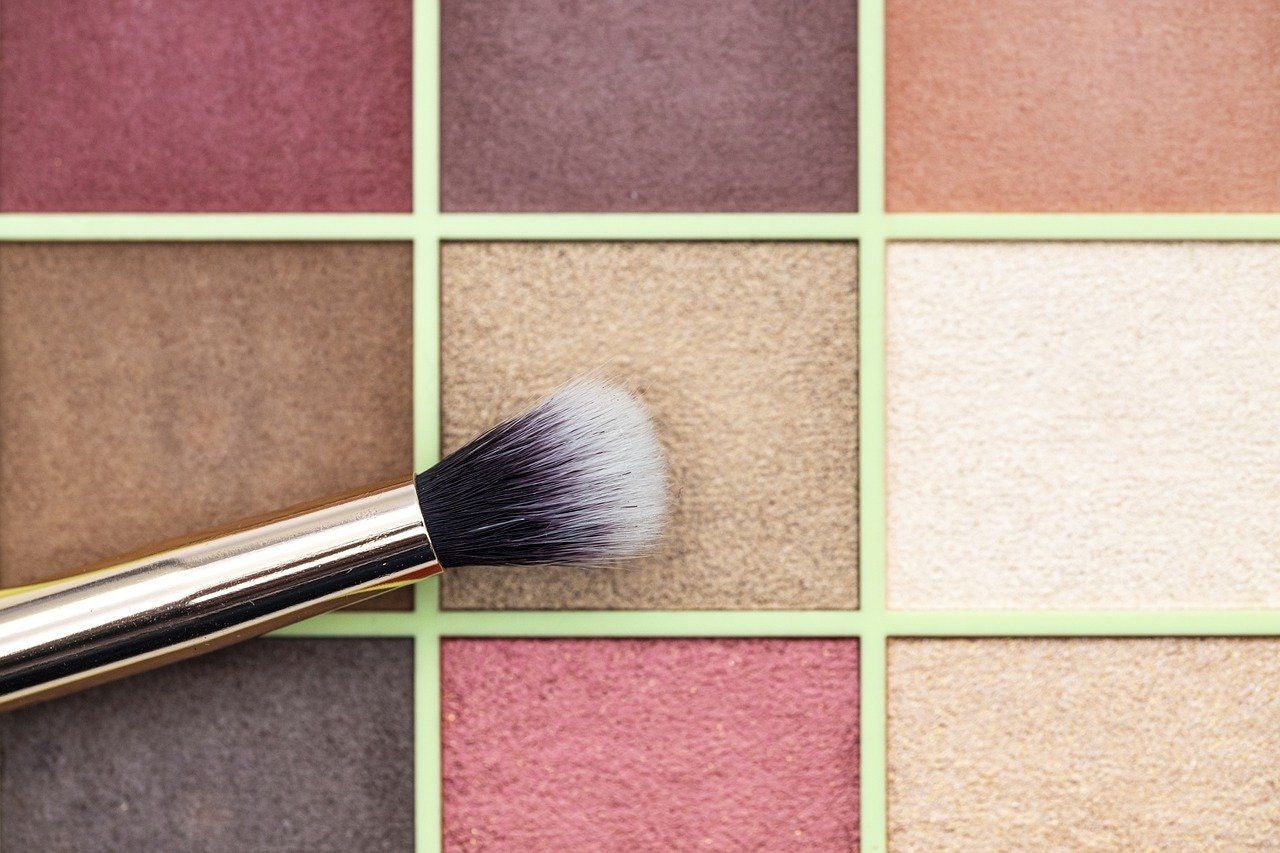
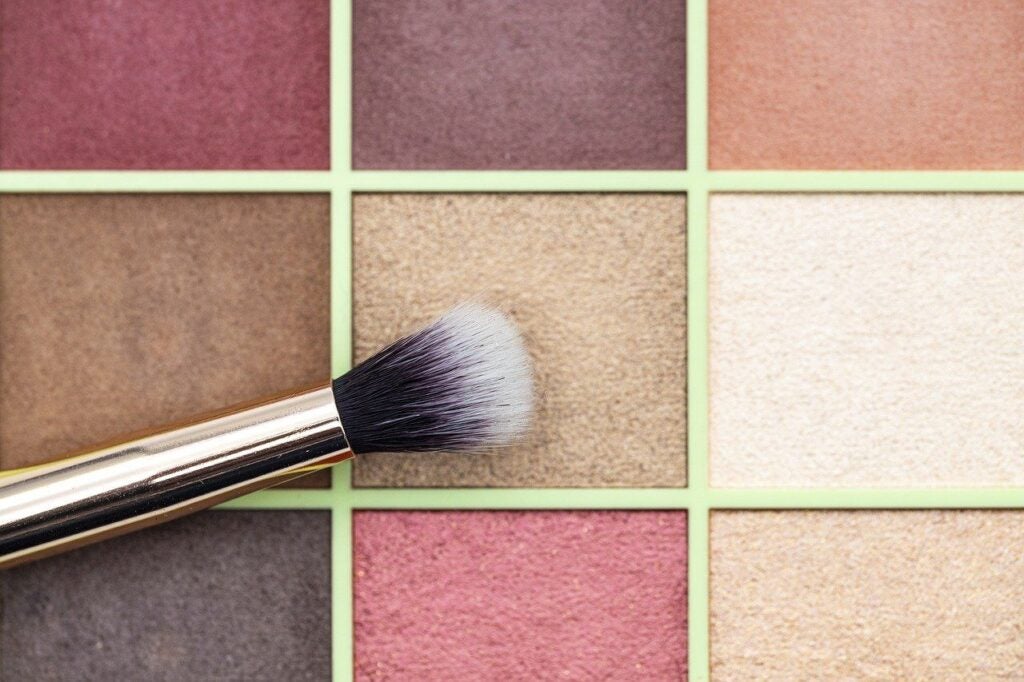
To minimize potential risks, avoid using loose powders and blushes that contain titanium dioxide, as these can easily become airborne. Also, be careful with pressed powders because they can release particles into the air when applied. Titanium dioxide is very effective in creams and lotions as a sunscreen and is considered one of the safest options. However, avoid using aerosolized (spray-on) sunscreens that contain titanium dioxide to prevent inhalation.

Bottom line

The primary risk associated with titanium dioxide is from inhalation, which can potentially cause cancer. To reduce this risk, avoid products that release titanium dioxide particles into the air, and opt for alternatives in food and cosmetics.

What you may have heard

Noninvasive sound waves can break down tumors and prevent cancer from spreading without harmful side effects.

What science tells us

Histotripsy is a technique that uses targeted ultrasound waves to break down tumors. Developed at the University of Michigan, this method focuses high-energy ultrasound waves to form microbubbles within the tumor. These bubbles collapse, causing the tumor tissue to break apart without damaging the surrounding healthy tissue.

Epidemiological Evidence

The effectiveness of histotripsy in treating cancer is still under investigation. It is currently being tested in clinical trials for liver cancer in humans. Initial results are promising, but more research is needed to confirm its safety and efficacy.

Laboratory Evidence/Supporting Evidence

Lab studies on rats have shown that histotripsy can break down liver tumors and trigger an immune response that helps to eliminate remaining cancer cells and prevent recurrence. These results are encouraging, but human trials are needed to confirm these findings.

IARC Carcinogen Classification:

not classified.

How to reduce your risk

  • Follow evidence-based treatments for cancer, such as surgery, chemotherapy, radiation, and targeted therapies prescribed by medical professionals.
  • Engage in regular screenings and preventive measures, such as maintaining a healthy diet, exercising, avoiding tobacco, and limiting alcohol consumption.
  • Consult with healthcare providers before considering alternative treatments, ensuring that they are used in conjunction with, not as a replacement for, standard medical care.

Bottom line

The use of sound waves, specifically histotripsy, in cancer treatment is still under investigation. While initial studies are promising, more research is needed to confirm its safety and effectiveness in humans. Always consult with healthcare professionals and rely on evidence-based treatments for managing cancer.

Fact Finder Tool

Discover insights, research, and information to help you navigate cancer-related topics with confidence.

959 posts available
6 categories

CLAIM: PFAS exposure might increase your risk of cancer

What you may have heard Exposure to per- and polyfluoroalkyl substances (PFAS), such as PFOA and PFOS, might increase your risk of cancer. What the science tells us PFOA (Perfluorooctanoic Acid) and PFOS (Perfluorooctane Sulfonate) are part of a larger group of man-made chemicals known as per- and polyfluoroalkyl substances (PFAS). These chemicals have been in…

Read More →

CLAIM: Sunscreen causes cancer

What you may have heard Concerns have been circulating that sunscreen products contain harmful chemicals that can increase your risk of skin cancer. What the science tells us Using sunscreen does not increase your risk of cancer. In fact, sunscreen is essential for protecting your skin from ultraviolet (UV) radiation, which can damage the DNA…

Read More →

CLAIM: Smart watch bands cause cancer

What you may have heard Smart and fitness watch bands may contain cancer-causing “forever chemicals” known as PFAS (per- and polyfluoroalkyl substances). These are used in bands made of fluoroelastomer, a kind of synthetic rubber resistant to dirt, water, sweat, and oil. There is growing concern that PFAS in watch bands may be absorbed through…

Read More →

CLAIM: Chemical hair straighteners cause cancer

What you may have heard Chemical hair products used to straighten curly or wavy hair may increase your risk of hormone-related cancers. What the science tells us Chemical hair straighteners, also called hair relaxers, have been linked to uterine and ovarian cancers, with exposure greatest among Black women. These products may contain endocrine disrupting chemicals…

Read More →

CLAIM: Talcum powder causes cancer

What you may have heard Many people believe that using talcum powder increases cancer risk such as ovarian cancer. Some lawsuits and public concerns center on possible asbestos contamination and inflammation caused by talc itself. What science tells us Asbestos-contaminated talc is classified by IARC as Group 1 (carcinogenic to humans). Even talc not known…

Read More →

CLAIM: Aristolochic Acids Cause Cancer

What you may have heard Herbal products containing Aristolochia (or related plants) can cause cancer. People worry because these products have been linked to kidney damage and cancers of the urinary tract. What science tells us Aristolochic acids are naturally occurring compounds in some Aristolochia species. Major agencies classify Aristolochic acids as human carcinogens, and…

Read More →

CLAIM: Air fresheners cause cancer

What you may have heard People say that using air fresheners at home can raise cancer risk. The concern is that these products release chemicals like VOCs, formaldehyde, and 1,4-dichlorobenzene (EPA).  What science tells us Air fresheners and other fragranced products emit VOCs. Some VOCs found indoors, including formaldehyde and benzene, are classified by major…

Read More →

CLAIM: Titanium dioxide (in food & cosmetics) causes cancer

What you may have heard Titanium dioxide, used in food and cosmetics, may cause cancer. What science tells us Titanium dioxide (TiO2) is a mineral used as a whitening agent and pigment in various products, including foods, cosmetics, paints, and plastics. It’s commonly found in personal care items like sunscreens, pressed powders, and loose powders,…

Read More →

CLAIM: Sound Waves

What you may have heard Noninvasive sound waves can break down tumors and prevent cancer from spreading without harmful side effects. What science tells us Histotripsy is a technique that uses targeted ultrasound waves to break down tumors. Developed at the University of Michigan, this method focuses high-energy ultrasound waves to form microbubbles within the…

Read More →