Skip to content

What you may have heard

Fluoride, which is commonly added to drinking water to prevent tooth decay, is linked to an increased risk of cancer.

What the science tells us

Epidemiological Evidence:

Numerous large-scale epidemiological studies have investigated the possible connection between fluoride levels in drinking water and cancer rates. Most of these studies have not found a strong, consistent link between fluoride and cancer. Differences in study design and populations make it challenging to draw definitive conclusions.

Laboratory Evidence/Supporting Evidence:

Laboratory studies, including those conducted by the National Toxicology Program, have produced mixed results. For example, some studies found increased rates of osteosarcoma, a type of bone cancer, in male rats exposed to high levels of fluoride, but these findings have not been consistently reproduced in humans.

IARC Carcinogen Classification: 

Not Classified

How to reduce your risk

For those who are concerned about excessive fluoride exposure, some simple steps to help manage and reduce your fluoride intake follow.

  • If you use public water, contact your local water supplier for fluoride levels. If your water has high fluoride levels, consider drinking bottled water with lower fluoride or using water filters that remove fluoride.
  • Follow guidelines when using fluoride toothpaste, especially for children. Use a pea-sized amount for kids under six and supervise to prevent swallowing. Consult a dentist for advice on fluoride use for children under two.

Bottom line

Current scientific evidence does not support a strong link between fluoride in drinking water and cancer risk. While some studies have suggested a potential connection, the overall consensus from health organizations is that fluoride is safe and effective in preventing dental decay at recommended levels. Ongoing research continues to monitor and evaluate the potential health effects of fluoride exposure.

What you may have heard

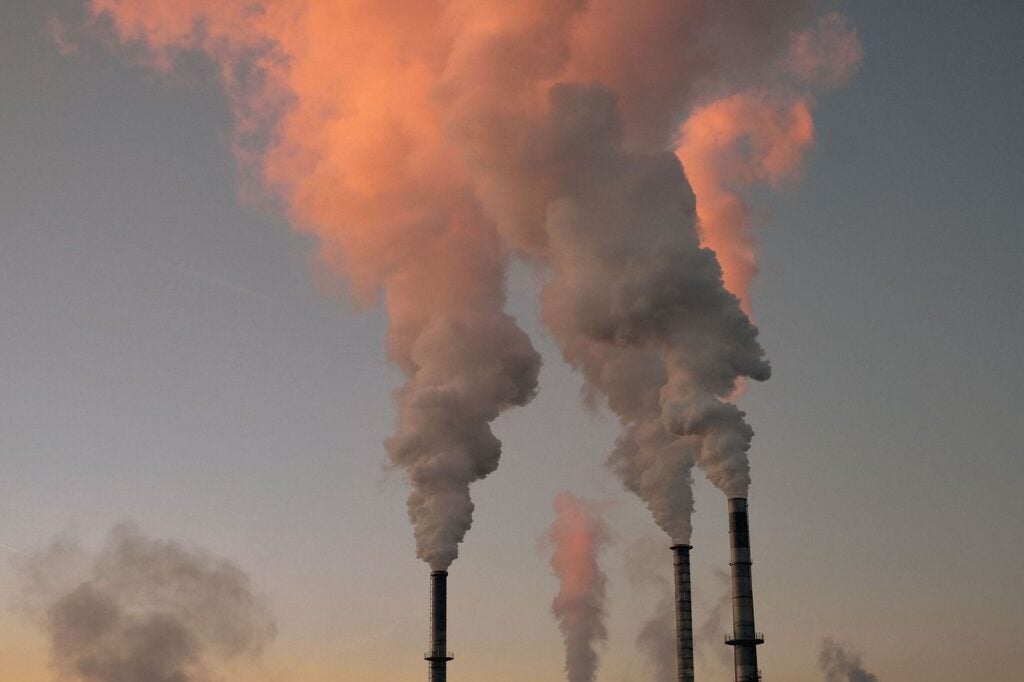
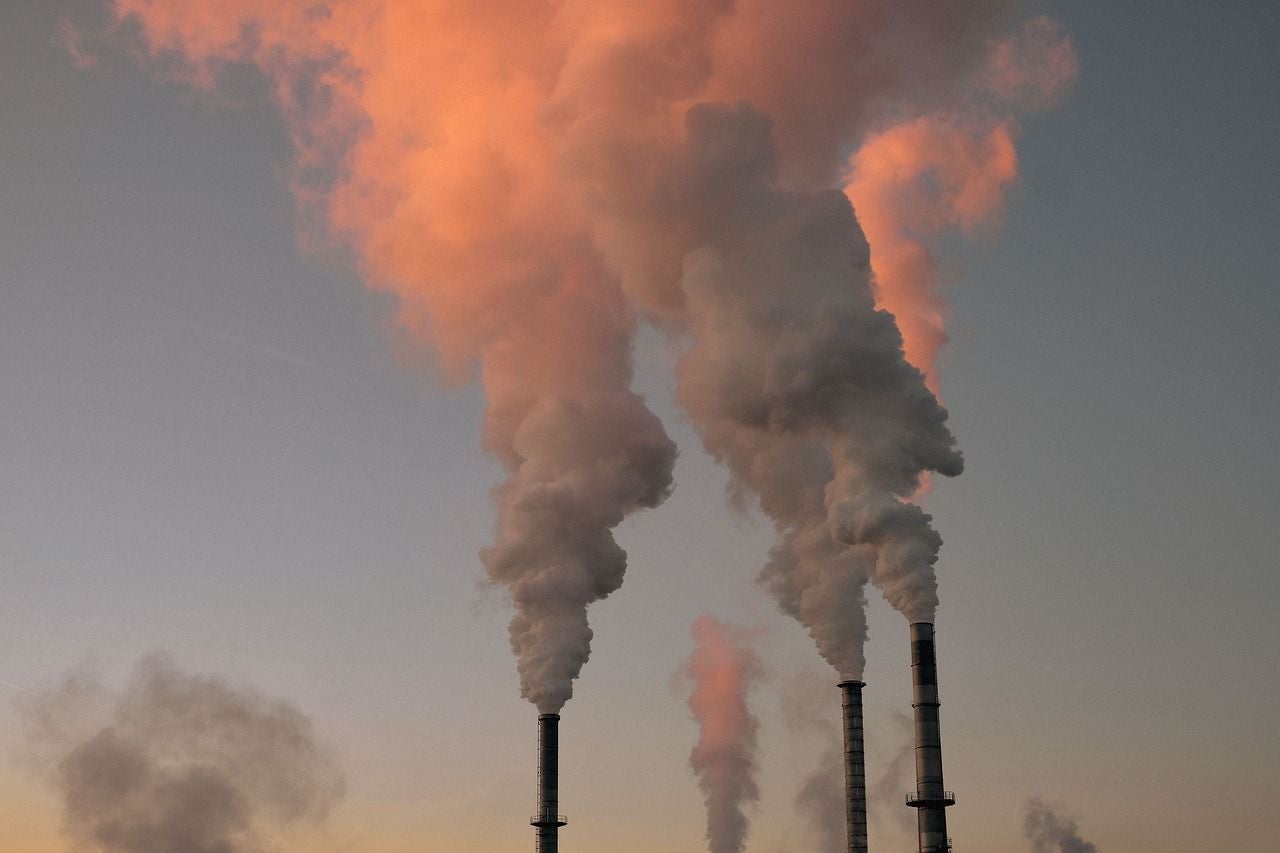
Breathing polluted air raises the chances of getting cancers like lung cancer and breast cancer.

What the science tells us

Epidemiological Evidence:

Research has shown that long-term exposure to fine particulate matter (PM2.5) is linked to a higher risk of several cancers. A major study, the National Institutes of Health-AARP Diet and Health Study, found that higher levels of PM2.5 were connected to an 8% increase in breast cancer risk, especially for a type of breast cancer known as estrogen receptor-positive.

The study also indicates that long-term exposure to PM2.5 and nitrogen dioxide (NO2), a harmful reddish-brown gas produced by vehicle emissions and industrial processes, may increase the risk of other cancers, such as colorectal and prostate cancers, particularly in older adults.

Laboratory Evidence/Supporting Evidence:

Studies indicate that PM2.5 can carry harmful substances like chemicals and metals that can cause genetic damage and hormonal changes. These tiny particles can reach deep into the lungs, leading to inflammation and cell damage, which can result in cancer.

IARC Carcinogen Classification:

Group 1 carcinogens.

How to reduce your risk

  • Try to avoid areas with high air pollution, especially during times of heavy traffic.
  • Use air purifiers at home to reduce indoor air pollution.
  • Advocate for policies and initiatives that aim to reduce air pollution.
  • Maintain a healthy diet, exercise regularly, and avoid smoking to further lower your cancer risk.

Bottom line

There is strong evidence that air pollution, especially fine particulate matter, increases the risk of cancer. While it’s hard to avoid air pollution completely, you can take steps to reduce your exposure and support cleaner air initiatives to help lower your risk.

To learn more about how air pollution negatively affects your health, watch these short videos from the American Lung Association and the World Health Organization.

What you may have heard

Exposure to pesticides can increase the risk of developing cancer.

What science tells us

Pesticides are typically used in food production and to treat insect infestation. Mosquitos, ticks, rats, and mice can carry diseases, and pesticides can be used to limit human exposures to these pests (EPA). 

Epidemiological Evidence

It is very difficult to measure exposure to pesticides, therefore randomized control trials cannot be conducted. Most exposures that could be relevant to cancer risk may have occurred a long time ago, and it is nearly impossible for an individual to accurately report what exposures they may have had many years ago.  Occupational studies have been the most useful in understanding the effects of pesticide in the workplace (for example, among agricultural workers), and many have reported that high exposure to pesticides can increase the risk of many types of cancers such as: brain, breast, kidney, lung, ovarian, pancreatic, and prostate cancer (Bassil et al.).

Laboratory Evidence/ Supportive Evidence

Several pesticides have been shown in toxicology studies to be cancer causing. DDT in laboratory studies was shown to cause tumors in the livers in rats and mice. 


Lindane has shown to be suggestive of causing cancer but requires more data to further evaluate. It was shown to cause lung tumors (Burns et al.)

Glyphosate

Epidemiological Evidence

Most epidemiological studies and the balance of the epidemiological evidence has shown that glyphosate, a common pesticide used to kill weeds, is not carcinogenic in humans (EPA). However, there remains much controversy about these findings and conclusions about the carcinogenic role of glyphosate under usual human exposure levels is not considered resolved by some.

Laboratory Evidence/ Supportive Evidence

Laboratory evidence generally concur with the epidemiological evidence that exposure to glyphosate based pesticides are generally safe among animals (Jarrell et al.). 

IARC Carcinogen Classification:

2A (Probably carcinogenic to humans: Glyphosate)

How to reduce your risk

You can limit the use of pesticides by opting to use non-chemical methods to control the number of pests in the yard. Mechanical traps can be used to catch unwanted insects, and the introduction of beneficial insects into the yard can help reduce the presence of aphids. Ladybugs will reduce the presence of aphids. 


If using pesticides, make sure to follow the instructions on the bottle and wear protective clothing when spraying. Use gloves, protective eyewear, and make sure you are in a well-ventilated area. Keep children, pets, and toys away from the treated areas (NY Health).

Bottom line

Some pesticides are deemed harmful by IARC and the EPA and can cause cancer. While some pesticides like glyphosate are considered safe by the EPA, further research is needed to examine what other individual pesticides may be harmful.

What you may have heard

Shampoo with formaldehyde is a carcinogen.

What science tells us

Many hair care products, such as shampoos and leave-in conditioners, contain formaldehyde or other variations, such as formalin and methylene glycol. When these products are heated, the formaldehyde is released into the air as a gas. This can occur by blow-drying, straightening, or curling the hair.
Formaldehyde is a colorless, strong-smelling gas that presents a health hazard when inhaled. 
According to the National Cancer Institute, when more formaldehyde is in the air than 0.1 part-per-million (ppm), some people may experience negative health effects, such as watery eyes; burning sensations in the eyes, nose, and throat; coughing; wheezing; nausea; and skin irritation (NCI).
Skin sensitization or allergic dermatitis can develop after repeated exposure to formaldehyde-related ingredients and when released into the air, it can cause irritation of the eyes, nose, and lungs (NCI).
The greater (and longer) the exposure to formaldehyde, the higher the health risks. For example, if a salon is not properly ventilated, both salon professionals and its clients are at risk of inhaling the released formaldehyde (FDA). OSHA issued a Hazard Alert to hair salon owners and workers about potential formaldehyde exposure and set a standard (29 CFR 1910.1048) limiting the allowable exposure in the air.

Epidemiological Evidence

Several human studies of formaldehyde suggest that long term exposure can cause hematolymphopoietic cancer s including leukemias and lymphomas (Swenberg et al.)

Laboratory Evidence/ Supportive Evidence

Several laboratory studies have also used rat models, which concluded that long term formaldehyde exposure results in nasal cancer (NCI).

IARC Carcinogen Classification:

Group 1 (carcinogenic to humans: Formaldehyde)

How to reduce your risk

If you are concerned about skin or eye irritation from products with formaldehyde, you may want to switch to products that do not contain these chemicals. Formaldehyde may not be listed on a product’s ingredients, but there are two formaldehyde-related ingredients that may produce similar effects: formalin and methylene glycol.
A number of websites, such as the Environmental Working Group’s Skin Deep Database or MADE SAFE, rate the safety of ingredients used in personal care products. These websites also post lists of brands that contain certain chemicals. The smartphone app Detox Me includes many tips to help you choose safer products.
A dermatologist and/or pharmacist may also be able to direct you to products that do not contain chemicals you wish to avoid.
You may report any adverse health reactions directly to the FDA using this link: FDA MedWatch Adverse Event Reporting System.

Bottom line

People who work in salons are at an increased risk of cancer due to repeated exposure to formaldehyde gas, which is produced when shampoos with formaldehyde are heated. Consider switching to formaldehyde-free shampoos.

What you may have heard

Shampooing with products that contain sodium lauryl sulfate (SLS) cause cancer.

What science tells us

SLS is a cleaning agent and surfactant that is used in many personal care and cleaning products.

Epidemiological Evidence

While SLS chemicals may cause eye irritation (or eye damage in high-enough quantities) and skin irritation when it stands alone, there is no evidence either way about whether sodium lauryl sulfate is a carcinogen. This has been confirmed by numerous government and international agencies, such as the International Agency for Research on Cancer (IARC), the U.S. National Toxicology Program, the California Proposition 65 List of Carcinogens, the U.S. Environmental Protection Agency, and the European Union (Bondi et al.).

Laboratory Evidence/ Supportive Evidence

Several laboratory-based studies conducted on mice showed signs of skin irritation but did not show a cancerous effect when exposed to sodium lauryl sulfate (Rovira et al.). 
 

IARC Carcinogen Classification:

Not classified

How to reduce your risk

While SLS may not be cancer-causing, to avoid any skin or eye irritation, experts suggest switching to products that do not contain these chemicals. A number of websites, such as the Environmental Working Group’s Skin Deep Database or Nontoxic Certified’s MADE SAFE, and apps like Clearya and DetoxMe, rate the safety of ingredients used in personal care products; these tools also post lists of brands that contain each type of chemical.


Shampoos that do not contain SLS are clearly marked on the label and can be located in any supermarket or pharmacy. A dermatologist and/or pharmacist may also be able to direct you to products that do not contain chemicals you wish to avoid.

Bottom line

SLS is not a carcinogen, yet there are many platforms that provide information and alternative products if the chemical causes eye or skin irritation.

What you may have heard

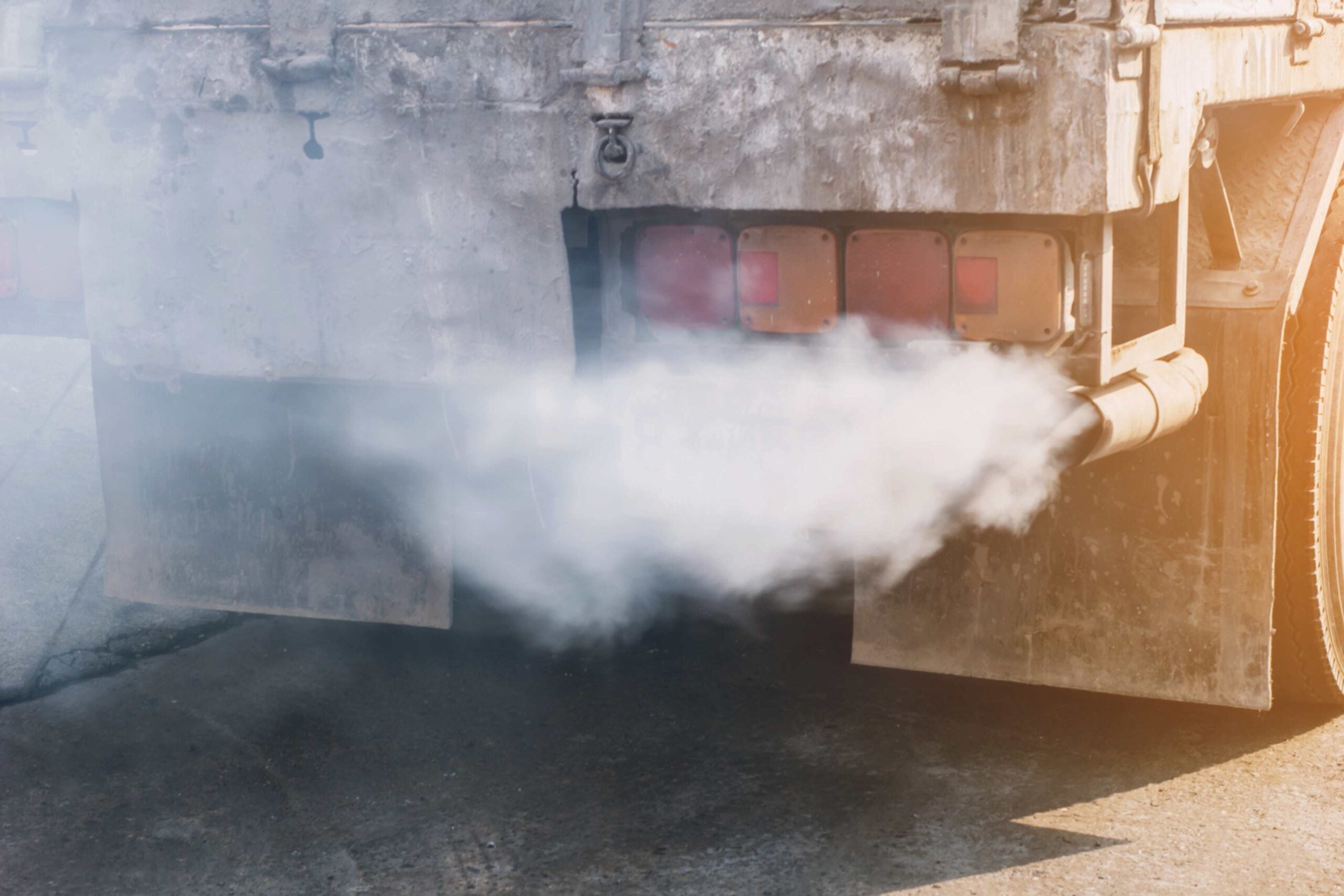
Inhalation of diesel exhaust can cause cancer.

What science tells us

Diesel is a type of fuel derived from crude oil and is used in most large engines (such as trucks, trains, buses, construction equipment, and ships). The gas portion of diesel is made up of carbon dioxide, carbon monoxide, nitric oxide, nitrogen dioxide, sulfur oxides, and hydrocarbons (such as polycyclic aromatic hydrocarbons or PAHs). The soot portion of diesel exhaust is made up of particles (such as carbon, organic compounds such as PAHs, and traces of metallic compounds).

Epidemiological Evidence

In human studies, workers exposed to diesel exhaust have shown significant increases in risk of lung cancer (ACS). Both the International Agency for Research on Cancer (IARC) and the Environmental Protection Agency (EPA) view diesel exhaust as carcinogenic to humans.

Laboratory Evidence/Supporting Evidence

Both the gas and soot portions of diesel fuel can cause DNA changes in the lab (which can lead to cancer), and long-term exposure to diesel can cause lung cancer in lab animals (ACS). Some studies have shown that exposure to diesel exhaust and long-term inhalation has caused lung cancer in animals (Heinrich et al.). 

IARC Carcinogen Classification:

Group 1 (carcinogenic to humans).

How to reduce your risk

People are most often exposed to diesel exhaust on the roads and highways, or in certain occupations. As a result, organizations such as the EPA have taken some steps to reduce diesel emissions on the highway through legislation, and experts in this subject advocate for additional exposure reductions.

In terms of exposure in the workplace or in your own vehicle, try to reduce the time you are exposed to diesel exhaust, and reduce your time spent idling, as this can be very dangerous, especially in enclosed, indoor spaces (ACS).

Bottom line

Diesel exhaust is carcinogenic. Vehicles are required to meet federal guidelines for exhaust systems to reduce diesel emissions. Avoid older exhaust systems as they can be dangerous, especially in enclosed spaces. Choose vehicles with low emissions, including electric vehicles, and support national policies to reduce emissions to further reduce risks.

What you may have heard

The U.S. National Institute of Environmental Health Sciences (NIEHS) stated that the health risk from extremely low frequency (ELF) radiation poses a weak health risk: the radiation is not entirely safe, yet it is still a potential carcinogen (ACS, NIEHS).

What science tells us

Radiation exists across a spectrum from very high energy to very low energy. High-energy radiation includes X-rays and UV rays. Both X-rays and UV rays have the potential to damage cell DNA, which can lead to cancer. Power lines produce low frequency non-ionizing radiation from electric and magnetic fields. There is limited evidence that exposure to this type of radiation is associated with cancer.

Epidemiological Evidence

ELF radiation, such as what is found in power lines or household devices (like refrigerators and vacuum cleaners), does not have enough energy to damage DNA.  According to the American Cancer Society, there is no evidence that exposure to ELF radiation causes cancer (ACS). The International Agency for Research on Cancer (IARC) has similar findings, but they divided ELF radiation into two categories: electric and magnetic. IARC stated that there is not enough evidence to conclude whether extremely low frequency electric radiation in humans is carcinogenic, and that extremely low frequency magnetic radiation in humans is possibly carcinogenic (ACS, IARC). Children with the highest levels of exposure have a slight increase in risk for leukemia compared to children with the lowest levels of exposure (ACS, IARC).

Laboratory Evidence/Supporting Evidence

There are limited laboratory studies on power lines and the risk of cancer. More research is needed to further examine the relationship between the two.

IARC Carcinogen Classification:

Not classified.

How to reduce your risk

It is not clear that exposure to ELF radiation is harmful, but there are steps you may take to decrease your exposure. The NIEHS recommends that people find out where their ELF exposure is coming from and limit the time spent near the sources. ELF radiation from power lines, for example, decreases significantly as distance from the power line increases. The farther away you are, the safer you are from the radiation.

Bottom line

It is not clear that extremely low-frequency radiation causes cancer, but it does pose somewhat of a health risk. People should take steps to decrease their exposure.

What you may have heard

People who fly frequently, like pilots and flight attendants, are at higher risk for cancer.

What science tells us

Air crew are exposed to higher levels of radiation (specifically cosmic ionizing radiation, a type of radiation that comes from outer space). Cosmic ionizing radiation is known to cause cancer, and aircrew have the largest average exposure out of all radiation-exposed workers in the United States (CDC).  Air crew are also often subject to sleep cycle disruptions.

Epidemiological Evidence

According to the Centers for Disease Control and Prevention (CDC), both male and female crew members may be at increased risk for skin cancer, female crew members are at increased risk for breast cancer, and male aircrew have an increased risk of both Kaposi sarcoma and non-Hodgkin lymphoma (CDC). While there is enough evidence to support these facts, scientists are still unsure why this is true, though they do have some theories, which follow.

  • UV radiation from sun exposure is a major risk factor for malignant melanoma, and UV radiation is significantly stronger at higher altitudes. Windows on commercial aircrafts block some radiation but not all (CDC).
  • This population gets exposure to elevated levels of cosmic ionizing radiation (CDC).
  • Circadian rhythm (sleep cycle) disruption from traveling across time zones, and working when others would normally be asleep (CDC), may be associated with elevated cancer risk.
  • There may be differences in non-flight-related exposures outside the workplace (i.e., aircraft) (CDC).

Laboratory Evidence/Supporting Evidence

Currently, there is limited laboratory evidence that explains a relationship between airplane flying and increased cancer risk.

IARC Carcinogen Classification:

Group 1 (carcinogenic to humans: ionizing radiation)

How to reduce your risk

The CDC recommends that crew members try to reduce their time on very long flights, flights at high latitudes, or flights that go over the North and South Poles. These flights would result in the highest levels of radiation exposure (CDC).


To reduce your risk of skin cancer, protect your skin from the sun. There are many ways you can reduce your risk of skin cancer from UV radiation exposure: stay out of the sun/in the shade (especially during the middle of the day); wear clothing that covers your arms and legs; wear a hat with a wide brim; and wear sunglasses that block both UVA and UVB rays. Finally, watch for abnormal moles and talk to your doctor if any appear, as these moles may develop into melanoma (CDC).

Bottom line

Aircrew are at increased risk for both skin and breast cancers. The CDC recommends aircrew try to reduce their levels of radiation exposure.

What you may have heard

Interior or exterior house painting is associated with cancer.

What science tells us

Paint chemicals contain thousands of chemical compounds. The main organic solvents used in paints are toluene, xylene, aliphatic compounds, ketones, alcohols, esters, and glycol esters. The amount of volatile organic compounds (VOCs) released are similar to those of water-based paints (Chen et al.).
People who work in the paint industry are exposed to the chemicals found in paint products during their application and removal. In the past, exposure to hazardous substances often exceeded current occupational limits, but exposure levels have greatly decreased over time.

Epidemiological Evidence

Occupational exposure as a painter is classified as a Group 1 carcinogen by the International Agency for Research on Cancer (IARC) based on increased risk of lung cancer, urinary bladder cancer, and mesothelioma (IARC). But the IARC Working Group could not identify any particular agent in paint that increases cancer risk.


There is some evidence of a link between childhood leukemia and paint chemical exposure, but more research is required because current studies have inconsistent results.

Laboratory Evidence/Supporting Evidence

There is some toxicology evidence that organic solvents can cause cancer in animal studies. Some of the studies used solvent mixtures, so further research is required to see if there is one specific organic solvent that is the main cause. Researchers concluded that DNA damage occurred when exposed to these organic solvents (Lynge et al.).

IARC Carcinogen Classification:

Group 1 for Cadmium, Group 2A for inorganic lead, Group 2A for styrene, Group 2 for Benzene, Group 3 (for Xylenes), Group 3 (for Toluene), Group 3 for Chromium. All are ingredients in paint.

How to reduce your risk

Paint chemical exposure poses the greatest risk in a workplace setting. If you work with paint on a regular basis, it is important to wear masks and other protective gear to avoid exposure. In addition, during the first couple of days after paint is applied, keep away from it and increase ventilation out of the indoor space (Chen et al.). Don’t paint your home while you’re pregnant.

Bottom line

Occupational paint exposure is classified as a Group 1 carcinogen by IARC. If you have regular exposure to freshly applied paint, make sure to wear a mask, work in a well-ventilated area, or use other protective measures.

What you may have heard

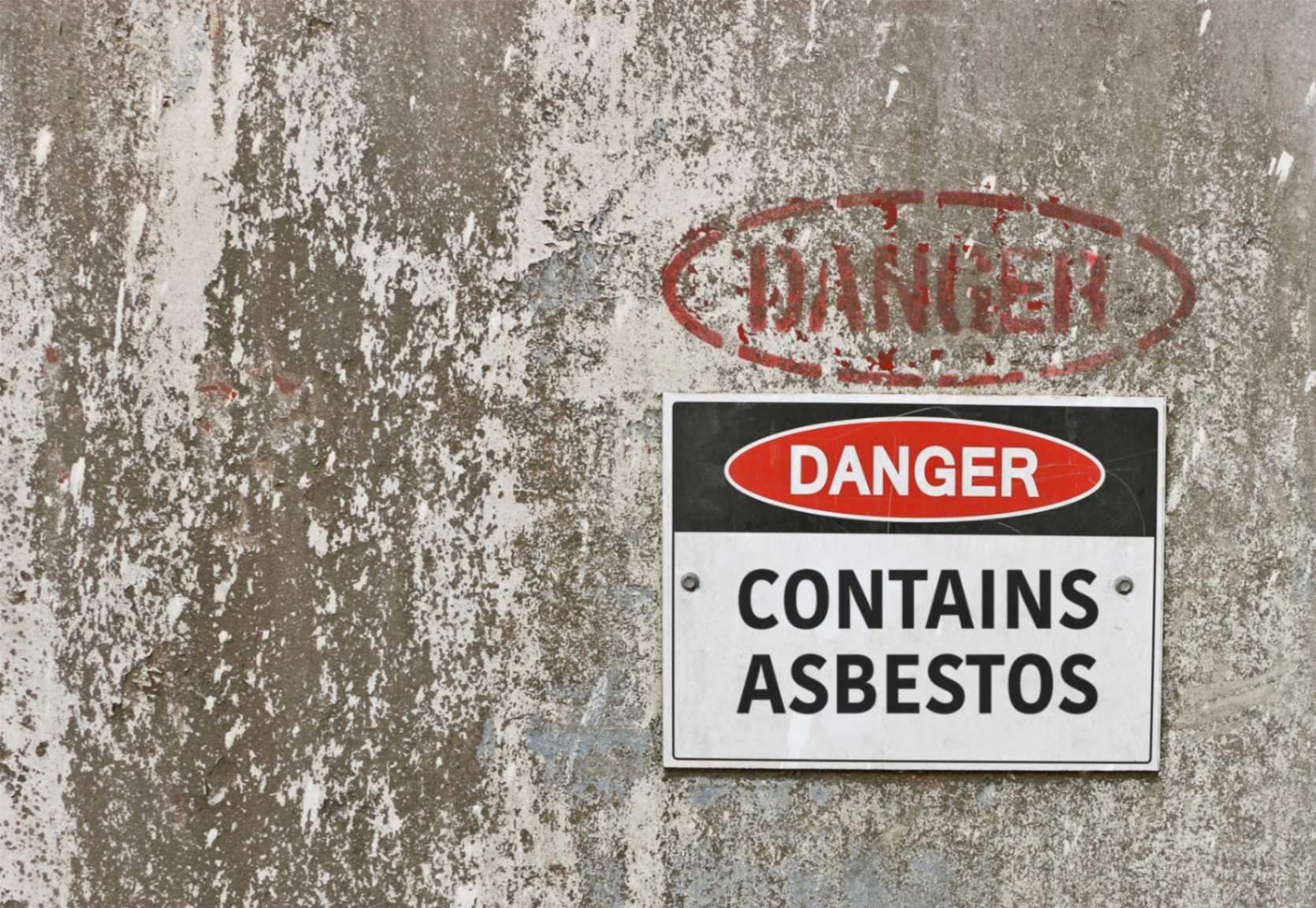
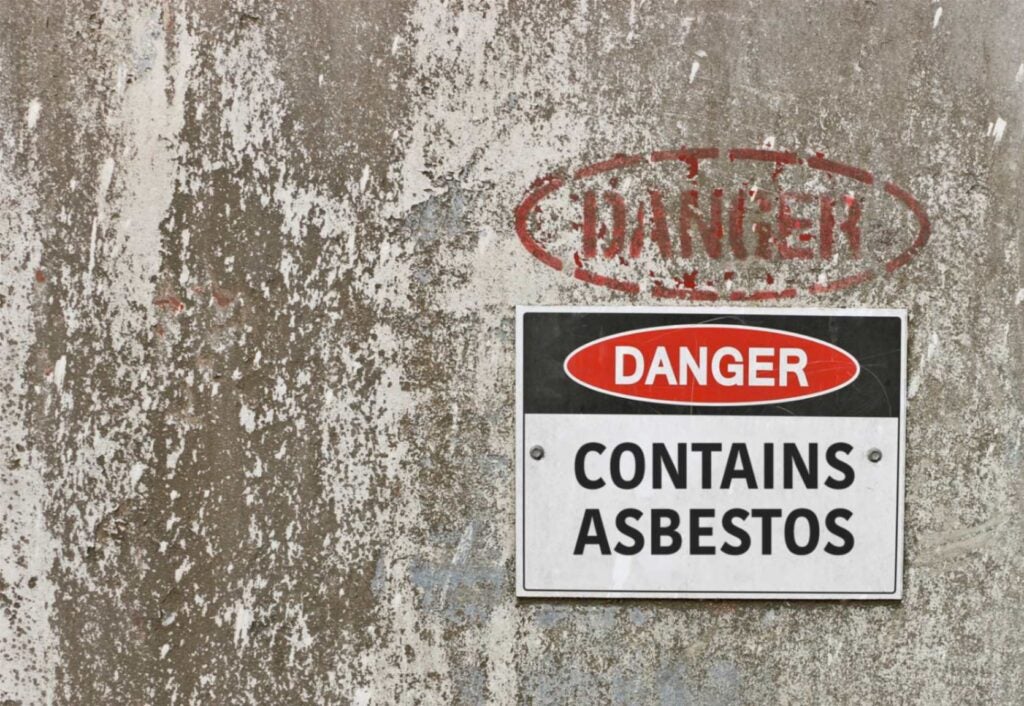
Exposure to asbestos causes cancer.

What science tells us

Asbestos was a construction material (used primarily in insulation) and can be found in buildings built before 2000. The International Agency for Research on Cancer (IARC) has labeled asbestos as a known carcinogen. It causes cancer by scarring lung tissue whenever its fibers are breathed in. The two most common types of cancer linked with asbestos are lung cancer and mesothelioma (ACS). There is also a link between asbestos and ovarian and laryngeal cancer rates.

Epidemiological Evidence

Several epidemiological studies have shown that exposure to asbestos increases the risk of mesothelioma, a type of lung cancer. One study based in Taiwan among workers in the jade processing industry showed an increased risk of lung cancer (Lin et al.). Another population-based cohort study also found that those living near asbestos producing manufacturing plants also had higher rates of mesothelioma and lung cancer compared to the general population (Zha et al.). Case control studies also found that those who were exposed to asbestos had a higher risk of developing lung cancer (Minowa et al.).

Laboratory Evidence/Supporting Evidence

Several animal studies have shown that exposure to asbestos is harmful in animals and can cause several types of cancers including mesothelioma.

IARC Carcinogen Classification:

Group 1 (Carcinogenic to humans)

How to reduce your risk

Since the early 2000s, many countries have banned the use of asbestos in construction, with active efforts to remove asbestos from buildings built before 2000 as well, especially in the United States (ACS).


To ensure that your exposure to asbestos is low, check when your home, workplace, and any other buildings you’re often in were built. If any of them were built before 2000, check to see if they have been renovated and/or inspected for asbestos. Most buildings have, but if you are unsure, contact the ACS, as they spearhead the removal and testing of asbestos (NIOSH).

Bottom line

Asbestos is a known carcinogen, but for most people, asbestos exposure is not a concern. To ensure that your exposure is low, verify that your home and workplace are up to national standards.

Fact Finder Tool

Discover insights, research, and information to help you navigate cancer-related topics with confidence.

952 posts available
5 categories

CLAIM: Fluoride in drinking water causes cancer

What you may have heard Fluoride, which is commonly added to drinking water to prevent tooth decay, is linked to an increased risk of cancer. What the science tells us Epidemiological Evidence: Numerous large-scale epidemiological studies have investigated the possible connection between fluoride levels in drinking water and cancer rates. Most of these studies have…

Read More →

CLAIM: Air pollution causes cancer

What you may have heard Breathing polluted air raises the chances of getting cancers like lung cancer and breast cancer. What the science tells us Epidemiological Evidence: Research has shown that long-term exposure to fine particulate matter (PM2.5) is linked to a higher risk of several cancers. A major study, the National Institutes of Health-AARP Diet…

Read More →

CLAIM: Pesticides cause cancer

What you may have heard Exposure to pesticides can increase the risk of developing cancer. What science tells us Pesticides are typically used in food production and to treat insect infestation. Mosquitos, ticks, rats, and mice can carry diseases, and pesticides can be used to limit human exposures to these pests (EPA).  Epidemiological Evidence It…

Read More →

CLAIM: Power lines cause cancer

What you may have heard The U.S. National Institute of Environmental Health Sciences (NIEHS) stated that the health risk from extremely low frequency (ELF) radiation poses a weak health risk: the radiation is not entirely safe, yet it is still a potential carcinogen (ACS, NIEHS). What science tells us Radiation exists across a spectrum from…

Read More →

CLAIM: Paint chemicals cause cancer

What you may have heard Interior or exterior house painting is associated with cancer. What science tells us Paint chemicals contain thousands of chemical compounds. The main organic solvents used in paints are toluene, xylene, aliphatic compounds, ketones, alcohols, esters, and glycol esters. The amount of volatile organic compounds (VOCs) released are similar to those…

Read More →

CLAIM: Asbestos causes cancer

What you may have heard Exposure to asbestos causes cancer. What science tells us Asbestos was a construction material (used primarily in insulation) and can be found in buildings built before 2000. The International Agency for Research on Cancer (IARC) has labeled asbestos as a known carcinogen. It causes cancer by scarring lung tissue whenever…

Read More →