Skip to content

What you may have heard

Exposure to per- and polyfluoroalkyl substances (PFAS), such as PFOA and PFOS, might increase your risk of cancer.

What the science tells us

PFOA (Perfluorooctanoic Acid) and PFOS (Perfluorooctane Sulfonate) are part of a larger group of man-made chemicals known as per- and polyfluoroalkyl substances (PFAS). These chemicals have been in commercial use since the 1940s due to their unique properties that make them resistant to heat, water, oil, and stains.

Where are they found?

  • Consumer Products: Commonly used in the production of non-stick cookware (like Teflon), water-resistant clothing, sun-protective clothing (UPF clothing), stain-resistant fabrics and carpets.
  • Industrial Sites: Used in firefighting foams, and other industrial applications.
  • Water Sources: Contaminated drinking water supplies near industrial sites, military bases, and areas where firefighting foams have been extensively used.
  • Food: Food packaging and some foods, particularly certain types of seafood and products from contaminated areas, can contain low levels of PFAS.

Epidemiological Evidence:

  • Kidney Cancer: Studies have shown an increased risk of renal cell carcinoma (RCC) among individuals with high PFOA exposure, particularly those working in chemical plants or living near contaminated water sources. However, results vary across different population groups.
  • Testicular Cancer: Research indicates elevated PFOS levels are associated with a higher risk of testicular cancer, especially among military personnel exposed to PFAS through firefighting foams.
  • Breast Cancer: Some studies have found a link between PFOS exposure and hormone receptor-positive breast cancer in postmenopausal women, though more research is needed to confirm these findings.

Laboratory Evidence/Supporting Evidence:

  • Experiments on lab animals have demonstrated that PFAS exposure can lead to tumors in organs such as the liver, pancreas, and mammary glands. These findings suggest potential carcinogenic effects, but translating these results to humans requires further investigation.

IARC Carcinogen Classification:

  • PFOA is classified as “carcinogenic to humans” (Group 1) based on sufficient evidence from animal studies and strong evidence of its carcinogenic properties in humans.
  • PFOS is classified as “possibly carcinogenic to humans” (Group 2B) due to limited evidence in humans but sufficient evidence in animal studies.

How to reduce your risk

  • Avoid contaminated water. Use bottled water or activated carbon filters if you live in areas with known PFAS contamination.
  • Reduce consumption of foods known to be contaminated with PFAS, such as certain seafood and canned clams.
  • Limit the use of products that may contain PFAS, such as non-stick cookware, stain-resistant fabrics, and certain food packaging materials.
  • PFOA and some closely related chemicals (such as PFOS) are now no longer made in the US, although they are still made in some other countries and could potentially reach US consumers in certain types of products. Being aware of product origins and regulatory updates can help in making safer choices.

Bottom line

While there is growing evidence suggesting that PFAS exposure is linked to certain cancers, definitive conclusions from the scientific community affirm that there is a significant cause for concern. Continued research is essential to fully understand the risks and develop effective strategies for reducing exposure. Being aware of potential sources of PFAS and taking steps to minimize contact can help mitigate potential health risks.

Watch this short video on the link between PFAS and cancer by the Dana-Farber Cancer Institute.
What you may have heard

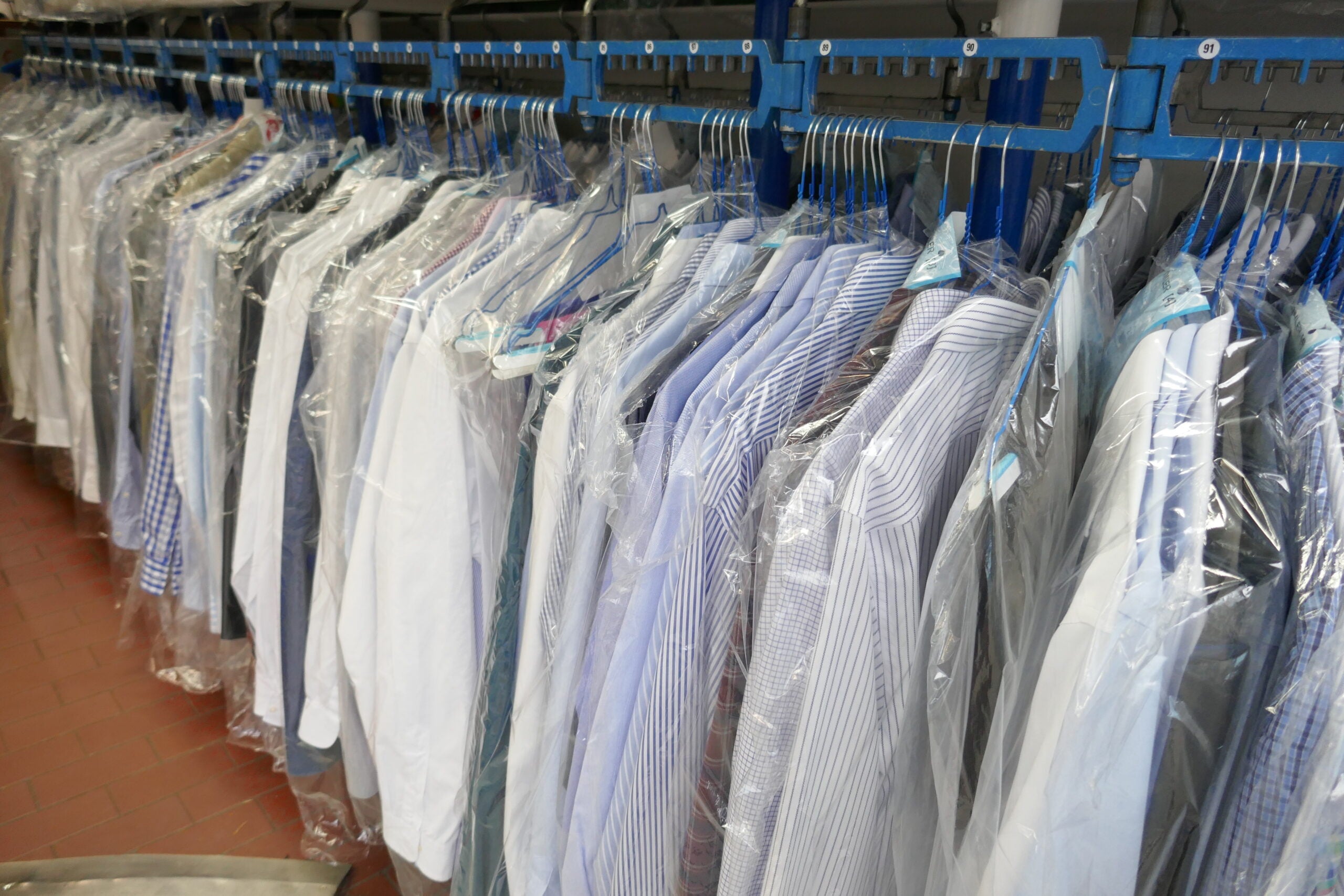
Perchloroethylene, also called PCE or tetrachloroethylene, is commonly used in dry cleaning and some industrial degreasers. You may have heard that long-term exposure can cause cancer, especially among workers in dry-cleaning facilities or people living near contaminated sites.

What science tells us

PCE is a chlorinated solvent that can be inhaled or absorbed through the skin. It’s found in indoor air near dry cleaners and in groundwater in some areas. Long-term exposure has been associated with increased risk of bladder cancer, non-Hodgkin lymphoma, and possibly multiple myeloma. These links are strongest in occupational settings but are also relevant for community exposure near contaminated water or soil.

Epidemiological Evidence

  • A 2014 review of the U.S. EPA’s toxicology assessment found that perchloroethylene is likely to cause cancer in humans. This conclusion was based on suggestive evidence in people, mainly for bladder cancer and non-Hodgkin lymphoma, along with strong findings from animal studies. The review also identified neurotoxicity as a sensitive noncancer effect at low exposure levels (PMD: 24531164).

Laboratory Evidence / Supporting Evidence

Animal studies show that PCE can cause liver tumors in mice and kidney tumors in rats. Lab studies also suggest that PCE can damage DNA and create reactive chemicals in the liver and kidneys, which are processes linked to cancer.

IARC Carcinogen Classification

  • Perchloroethylene (tetrachloroethylene): Group 2A – Probably carcinogenic to humans

How to reduce your risk

  • Avoid spending time near older dry-cleaning machines that still use PCE.
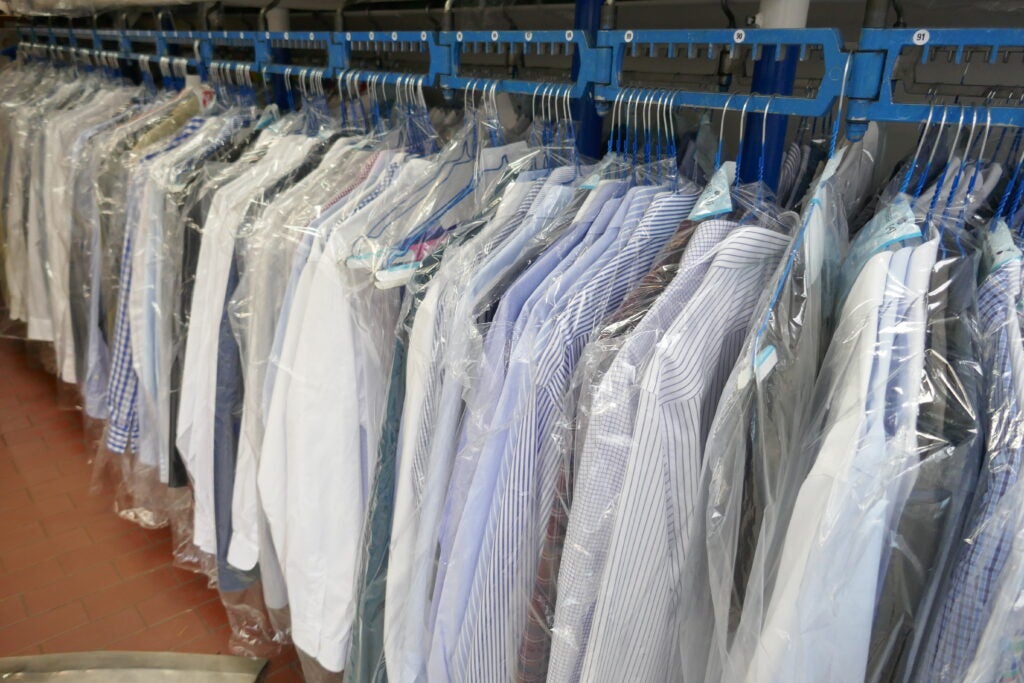
  • If your dry-cleaned clothes have a strong chemical smell, take them out of the plastic bag and hang them in a well-ventilated area to let the fumes air out.
  • If you live near a facility that uses PCE, such as a dry cleaner or an industrial site, you can check local or state environmental agency websites to see if the area has a known contamination history.
  • People who live right next door to a dry cleaner generally do not need to worry unless the building has poor ventilation or a known spill or leak has been reported. Modern dry-cleaning shops use safer equipment with much lower emissions.
  • Support safer chemical policies and cleanup programs in your community.

Bottom line

Perchloroethylene is widely used and often found in air and water. Human and animal studies support a cancer link, especially for bladder cancer. Occupational and environmental exposure should be minimized whenever possible.

What you may have heard

People say that jobs with heavy wood dust exposure raise cancer risk. The concern is strongest for cancers in the nasal cavity and paranasal sinuses among furniture makers, carpenters, and other woodworkers.

What science tells us

Major agencies classify wood dust as carcinogenic to humans. The International Agency for Research on Cancer (IARC) lists wood dust as Group 1, based on sufficient evidence in humans, and U.S. agencies (NTP/NCI) state that wood dust increases the risk of cancers of the nasal cavity and paranasal sinuses, with the highest risks in settings like furniture and cabinet manufacturing where exposures can be intense (IARC).

Epidemiological Evidence

  • Population-based and industry-based studies consistently link long-term wood dust exposure to cancers of the nasal cavity and paranasal sinuses. Elevated risks are seen in furniture and cabinet makers, sawmill workers, and others with sustained hardwood dust exposure (PubMed). 
  • Recent reviews of sinonasal epithelial cancers conclude there is sufficient evidence for a causal association with wood dust exposure. Risk is strongest for adenocarcinoma, while associations with other histologies are smaller or inconsistent (PubMed).
  • For other sites, evidence is less consistent. A 2024 meta-analysis suggests an association with laryngeal cancer, and some studies report links with nasopharyngeal cancer, but these findings are not as strong as the sinonasal evidence (PubMed).

Laboratory Evidence / Supporting Evidence

Although animal studies for bulk “wood dust” are limited, exposure assessments show that woodworking can generate high airborne concentrations of respirable particles. Hardwood species and dry sanding or machining can produce the greatest levels, which aligns with the strongest risks seen in furniture and cabinet making (IARC). 

IARC Carcinogen Classification

Group 1 – Carcinogenic to humans (wood dust). The classification is based on sufficient evidence in humans, especially for sinonasal cancers (IARC). 

How to reduce your risk

  • Use local exhaust ventilation and on-tool dust extraction, keep equipment well maintained, and capture dust with HEPA-filtered vacuums rather than dry sweeping.
  • Where engineering controls cannot keep exposures low, wear appropriate respiratory protection and follow workplace exposure limits and monitoring programs.

Bottom line

Wood dust causes cancer in humans, with the clearest and largest risks for sinonasal adenocarcinoma among workers with high, prolonged exposure. Reducing airborne dust at the source and using effective controls are the most reliable ways to lower risk.

What you may have heard

With worsening wildfires across the U.S. and globally, you may have heard that breathing in wildfire smoke could increase your risk of cancer. Some people are comparing it to cigarette smoke or living near highways.

What science tells us

Wildfire smoke contains a mix of known cancer-causing pollutants, including fine particulate matter (PM2.5), benzene, and polycyclic aromatic hydrocarbons (PAHs). These chemicals are linked to cancers such as lung, bladder, and blood cancers in other exposure settings. While long-term studies of wildfire-specific exposure are limited, we know enough about its toxic components to be concerned.

Epidemiological Evidence

  • A 2024 study of two million Canadians reported that people exposed to wildfire smoke over many years had a small increase in lung cancer and brain tumors, with estimated increases of 5 percent and 10 percent. No link was found for blood cancers. This is one of the first large population studies suggesting a possible cancer risk from wildfire exposure (PMID: 35550079).
  • A 2024 UK Biobank study of nearly 500,000 adults found that higher exposure to wildfire-related PM2.5 over three years was linked to slightly increased cancer mortality, including for lung cancer (+1.1%) and lip, oral, and pharyngeal cancers (+2.7%). These associations were seen even at low exposure levels, suggesting that wildfire smoke may raise cancer risk even in areas not directly affected by fires (Gao).

Laboratory Evidence / Supporting Evidence

Toxicology studies show that wildfire smoke can damage DNA and cause inflammation in animal and cell experiments. These processes are linked to cancer development. Chemicals in wildfire smoke, including PAHs and benzene, have also been shown to directly harm DNA.

IARC Carcinogen Classification

  • Wildfire smoke as a whole has not yet been classified
  • PM2.5: Group 1 – Carcinogenic to humans
  • Benzene: Group 1 – Carcinogenic to humans
  • PAHs: Group 1 or Group 2A – Carcinogenic or probably carcinogenic

How to reduce your risk

  • Stay indoors with air purifiers during wildfire events.
  • Use N95 masks if you must be outside.
  • Avoid exercising outdoors when air quality is poor.
  • Follow local air quality alerts (AirNow.gov).

Bottom line

Wildfire smoke contains multiple known human carcinogens. Even though direct studies are limited, the strength of evidence for its components supports classifying wildfire smoke as a likely cancer risk. Reducing exposure is a practical step to protect your health.

What you may have heard

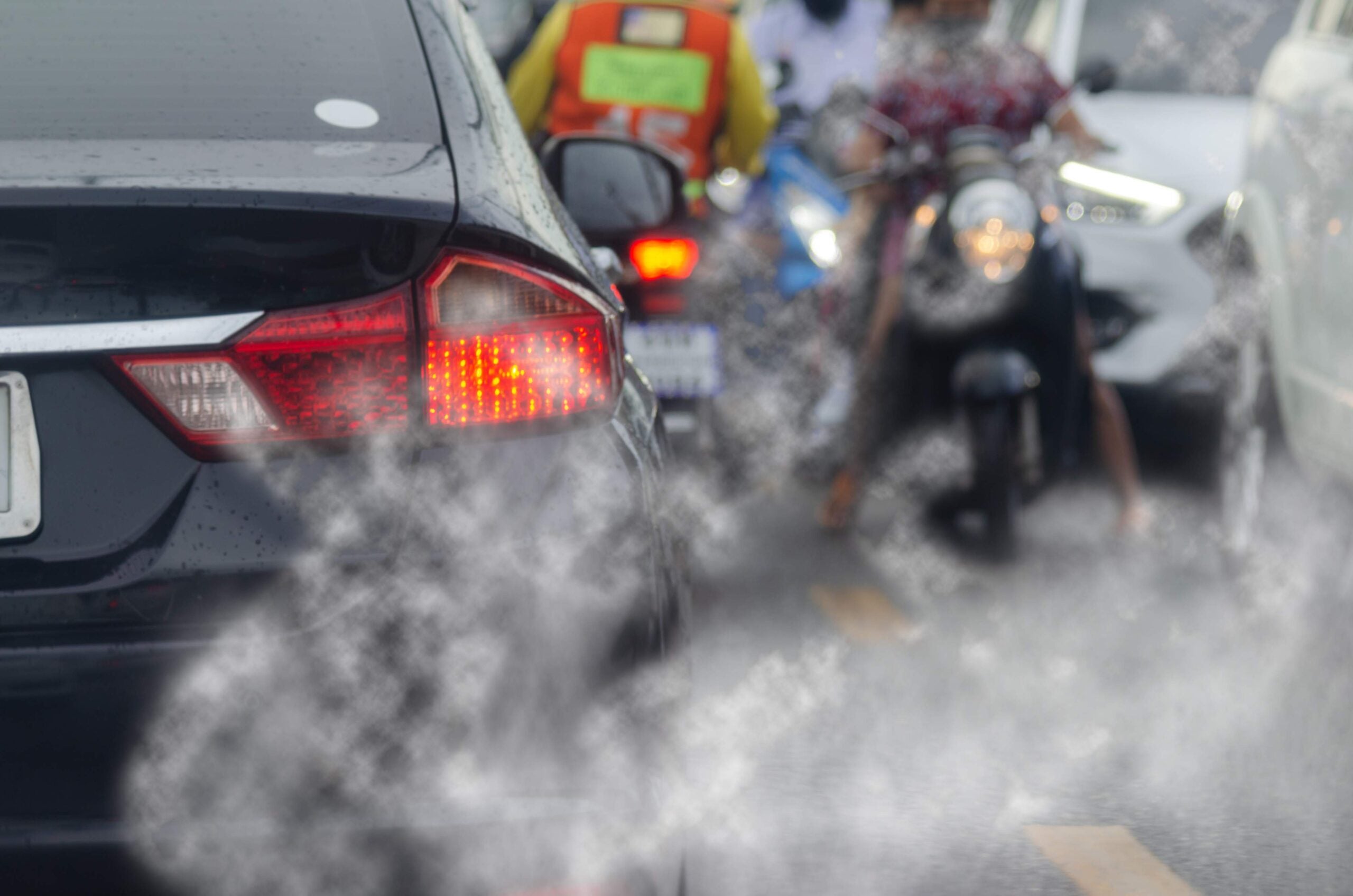
You might’ve heard that living near highways or breathing in car exhaust can increase cancer risk. Some people compare it to secondhand smoke in terms of long-term health effects.

What science tells us

Traffic-related air pollution contains known carcinogens including benzene, diesel exhaust, and fine particulate matter (PM2.5). Repeated exposure, especially in high-density urban or highway-adjacent areas, has been linked to increased risk of lung cancer in both occupational and residential settings. Children and older adults are especially vulnerable.

Epidemiological Evidence

  • A Danish study of over 54,000 adults found that higher exposure to nitrogen oxides at home was also linked to higher risks of brain cancer and cervical cancer, with incidence rate ratios (IRRs) over 2. These findings suggest that traffic-related air pollution may contribute to cancer beyond the lungs. (PMID: 21771295).
  • A 2015 meta-analysis of 36 studies found that traffic-related air pollution is significantly associated with lung cancer. Key pollutants linked to higher lung cancer risk included fine particulate matter (OR 1.11), nitrogen oxides, and sulfur dioxide. Professional drivers, who face high occupational exposure, had a 27% higher incidence of lung cancer (PMID: 26273377).

Laboratory Evidence / Supporting Evidence

Diesel exhaust and ultrafine particles from vehicles can lead to cancer. Animal studies confirm tumor development with long-term exposure to traffic-related air pollutants.

IARC Carcinogen Classification

  • Diesel engine exhaust: Group 1 – Carcinogenic to humans
  • Gasoline engine exhaust: Group 2B – Possibly carcinogenic
  • Benzene, PM2.5, 1,3-butadiene, and formaldehyde: Group 1 – Carcinogenic

How to reduce your risk

  • If you live close enough to a highway to hear traffic, using an indoor air purifier with a HEPA and activated carbon filter can help lower particle and gas pollutants that drift indoors.
  • When driving in heavy traffic, keeping the windows closed and setting the car’s ventilation to “recirculate” reduces how much pollution comes in from outside.
  • Electric vehicles can help reduce tailpipe pollution in cities, which lowers exposure for nearby residents over time, but they do not eliminate all traffic-related pollution because tire and brake wear still produce particles.

Bottom line

Traffic emissions contain multiple confirmed human carcinogens. Living or working near heavy traffic increases cancer risk, especially for lung cancer. Reducing long-term exposure helps lower your risk.

What you may have heard

Exposure to shale oil, especially in industrial settings, can cause cancer.

What science tells us

Shale oil contains carcinogenic compounds, including polycyclic aromatic hydrocarbons (PAHs) and benzene. The International Agency for Research on Cancer (IARC) classifies shale oils as Group 1 carcinogenic to humans based on sufficient evidence from human studies, primarily in occupational settings (IARC).

Epidemiological Evidence

  • Scottish shale oil workers exposed to shale-oil-based lubricants developed scrotal and other skin cancers at higher rates than unexposed groups (NLM).
  • A retrospective cohort in Soviet-era Estonia reported elevated skin cancer risk among female workers with 10–20 years of shale oil exposure (PubMed).
  • Data from Eastern Estonia’s oil shale region showed higher lung cancer rates among men compared to national averages, with declining trends in recent decades (PubMed).

Laboratory Evidence / Supporting Evidence

Animal studies show that raw and processed shale oils cause skin tumors in mice and rabbits; inhalation of raw shale oil caused lung tumors in rats (IARC).

IARC Carcinogen Classification

Group 1 – Carcinogenic to humans

How to reduce your risk

  • Workers can wear protective clothing, gloves, and respiratory protection; follow occupational safety protocols.
  • People living in communities nearby can advocate for environmental monitoring and controls on industrial emissions; also avoid direct contact with contaminated materials.

Bottom line

Occupational and experimental evidence shows shale oil can cause cancer, particularly skin cancer in workers with direct contact. IARC classifies shale oils as carcinogenic to humans.

What you may have heard

Some people believe that living near high-voltage power lines can cause cancer, especially childhood leukemia. Concerns center on the electromagnetic fields (EMFs) that these lines emit.

What science tells us

High-voltage lines emit extremely low-frequency EMFs (ELF-EMFs), a weaker form of radiation. This type of radiation is not strong enough to harm or break DNA, unlike ionizing radiation such as X-rays. Breaking DNA matters because damaged DNA can sometimes lead to uncontrolled cell growth, which is the basis of cancer. Because ELF-EMFs are common in daily life, researchers have examined whether they might influence cancer risk in other ways (NCI)

Epidemiological Evidence

  • A 2023 case-control study found that children living within 100 meters of high-voltage power lines had twice the odds of developing leukemia compared to those living more than 400 meters away (PMID: 37271435).
  • The American Cancer Society reports that while some studies show a slight increase in childhood leukemia risk with EMF exposure, other studies do not, and no clear cause-and-effect relationship has been established (ACS).
  • A large 2013 case-control study in England and Wales found no clear links between living near high-voltage power lines and adult cancers, including leukemia, brain tumors, melanoma, or breast cancer (PMID: 23337237).

Laboratory Evidence / Supporting

Lab studies show that ELF-EMFs do not directly damage DNA. There’s some discussion about whether this radiation could lead to low-level effects, like cell stress or inflammation, but these effects have not been clearly linked to cancer in humans (NCI). 

IARC Carcinogen Classification

Group 2B – Possibly carcinogenic to humans
This means there is limited evidence in humans (mainly for childhood leukemia) and inadequate evidence in animals. It does not mean that EMFs definitely cause cancer (NCI). 

How to reduce your risk

There’s no strong evidence that living near power lines increases cancer risk. But if you’re concerned, some advice follows.  

  • Avoid building homes or schools very close (within 50 meters) to high-voltage power lines.
  • Workers in utility or electrical jobs should follow safety guidelines, including limiting time near strong EMF sources established (ACS).

Bottom line

Some studies suggest a possible link between EMF exposure from high-voltage power lines and childhood leukemia. But other studies show no association, and no consistent pattern has emerged. Major public health agencies agree that the evidence is limited, and more research is needed.

What you may have heard

Some athletes and parents have raised concerns that playing on artificial turf, especially turf with crumb rubber infill made from recycled tires, may increase the risk of developing cancer. Media reports and anecdotal clusters of illness have contributed to public concern.

What science tells us

Artificial turf contains materials that can include polycyclic aromatic hydrocarbons (PAHs), heavy metals, and other potentially hazardous substances (MDPH). These chemicals have been linked to cancer in other contexts, but the question of whether playing on artificial turf causes cancer remains unresolved.

Epidemiological Evidence

  • A 2023 review of global studies found that most epidemiological research on artificial turf and cancer is limited and inconsistent. The review concluded there is no clear evidence of increased cancer risk, but also highlighted the poor quality of existing studies and the need for more rigorous research (PMID: 39982256).
  • A 2018 ecological study of over 7,000 lymphoma cases among 14- to 30-year-olds in California found no association between county-level synthetic turf field density and lymphoma incidence across race, sex, or income subgroups (PMID: 29427968).

Laboratory Evidence / Supporting

  • A 2019 Dutch study analyzed rubber granulate from 100 synthetic turf fields and found several carcinogenic substances, but estimated exposures for polycyclic aromatic hydrocarbons (PAHs), phthalates, and metals were below health concern thresholds, suggesting no meaningful cancer risk from playing on these fields (PMID: 30568187).

IARC Carcinogen Classification

Artificial turf itself has not been evaluated by the International Agency for Research on Cancer (IARC). However, some chemicals commonly found in crumb rubber, such as benzene and certain PAHs, are classified by the IARC as Group 1 (carcinogenic to humans) or Group 2B (possibly carcinogenic to humans).

How to reduce your risk

If you are concerned about artificial turf exposure:

  • avoid eating or drinking directly on the field;
  • wash hands and exposed skin after playing;
  • change clothes and clean shoes after play; and
  • support alternative infill materials (e.g., cork, sand) when available.

Bottom line

Artificial turf contains several chemicals known to be hazardous in other settings, but current evidence does not show a clear link between turf exposure and cancer. More well-designed, long-term studies are needed to clarify any potential risks.

What you may have heard

Titanium dioxide, used in food and cosmetics, may cause cancer.

What science tells us

Titanium dioxide (TiO2) is a mineral used as a whitening agent and pigment in various products, including foods, cosmetics, paints, and plastics. It’s commonly found in personal care items like sunscreens, pressed powders, and loose powders, where it acts as a UV filter and whitening agent.

Titanium dioxide is potentially carcinogenic when inhaled in large amounts. The risk is primarily linked to inhalation rather than ingestion, with limited evidence on its risks when consumed in food. The FDA currently allows the use of titanium dioxide in foods and cosmetics, but continues to evaluate its safety. They have set strict guidelines, limiting its concentration to ensure it remains safe for consumers.

Epidemiological Evidence

Human studies on the cancer risk associated with titanium dioxide ingestion are inconclusive. However, concerns primarily stem from inhalation studies, where workers exposed to titanium dioxide dust showed increased risks.

Laboratory Evidence/Supporting Evidence

Animal studies have demonstrated that inhaling titanium dioxide particles can lead to respiratory cancer, particularly lung tumors. There is limited data on the risks of ingesting titanium dioxide.

IARC Carcinogen Classification:

possibly carcinogenic to humans (Group 2B) when inhaled.

How to reduce your risk

To minimize potential risks, avoid using loose powders and blushes that contain titanium dioxide, as these can easily become airborne. Also, be careful with pressed powders because they can release particles into the air when applied. Titanium dioxide is very effective in creams and lotions as a sunscreen and is considered one of the safest options. However, avoid using aerosolized (spray-on) sunscreens that contain titanium dioxide to prevent inhalation.

Bottom line

The primary risk associated with titanium dioxide is from inhalation, which can potentially cause cancer. To reduce this risk, avoid products that release titanium dioxide particles into the air, and opt for alternatives in food and cosmetics.

What you may have heard

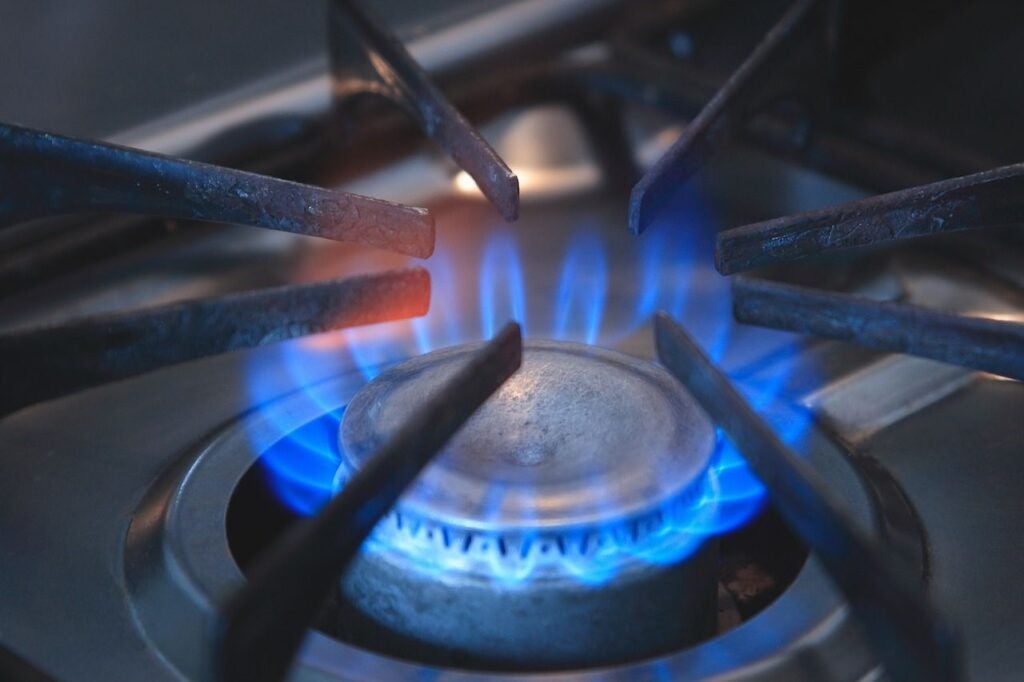
Cooking with gas stoves or using butane can release harmful chemicals into the air, potentially increasing the risk of cancer.

What the science tells us

Epidemiological Evidence

There is substantial epidemiological evidence linking gas stove use to adverse health outcomes. For instance, a 2013 meta-analysis concluded that children living in homes with gas stoves have a 42% higher risk of asthma compared to those in homes without gas stoves. A 2022 analysis attributed 12.7% of childhood asthma cases in the U.S. to gas stoves. These studies suggest that the pollutants emitted from gas stoves, including benzene, nitrogen dioxide, and carbon monoxide, contribute to respiratory and other health issues.

Laboratory Evidence/Supporting Evidence

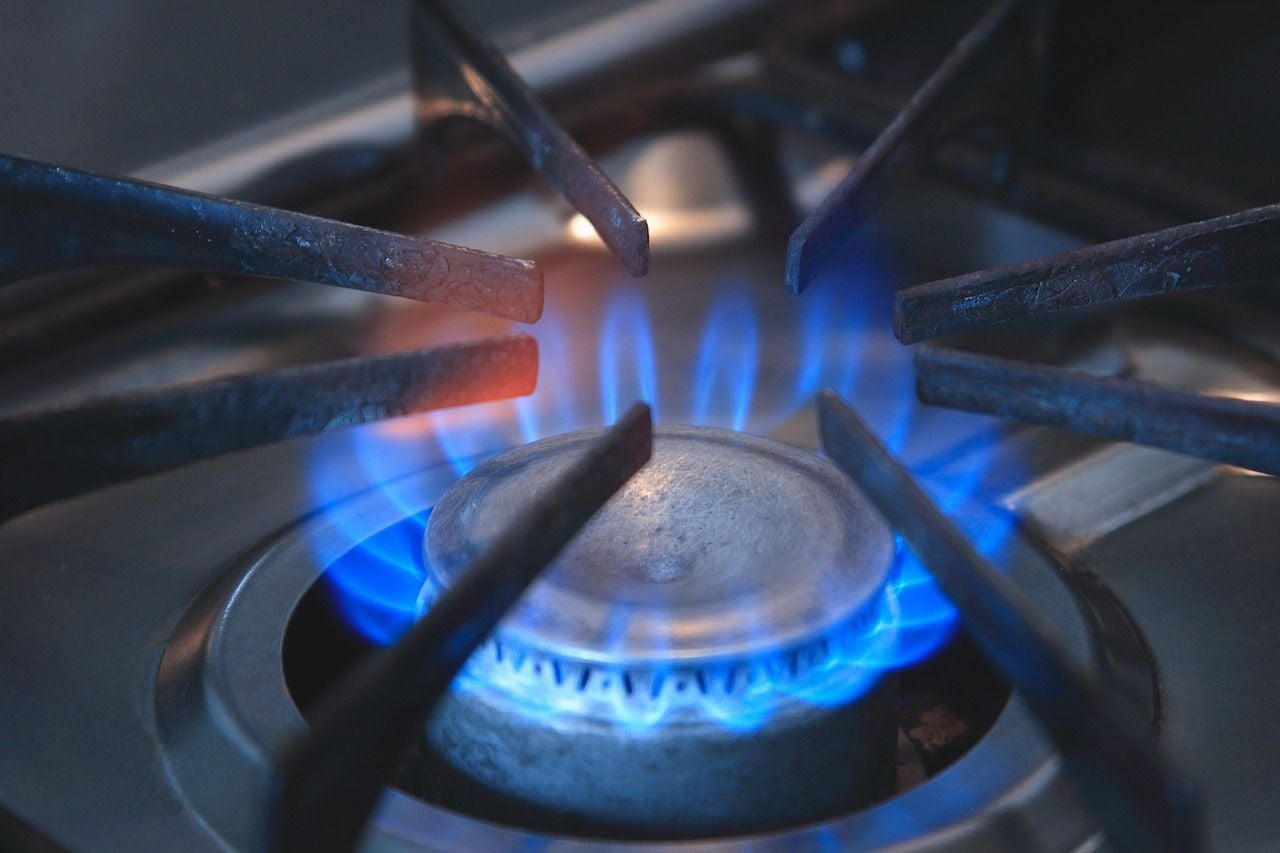
Research led by Stanford University has shown that gas stoves emit benzene, a chemical known to cause leukemia and other blood cell cancers. The levels of benzene emitted can sometimes exceed those found in secondhand tobacco smoke, posing significant health risks, especially when ventilation is inadequate. Benzene emissions from gas and propane burners were found to be significantly higher than those from electric stoves. Induction cooktops did not emit detectable benzene.

IARC Carcinogen Classification: 

Group 1 carcinogen, meaning it is definitively known to cause cancer in humans.

How to reduce your risk

  • Improve Ventilation: Always use a range hood that vents to the outside or open windows while cooking to reduce indoor pollutant concentrations.
  • Switch to Electric Appliances: Consider using electric stoves, induction cooktops, or other electric kitchen appliances that do not emit benzene.
  • Take Advantage of Rebates: Look for state, local, or federal rebates and incentives to help offset the cost of replacing gas appliances with safer alternatives.
  • Use Portable Induction Cooktops: These can be a cost-effective alternative to traditional gas stoves and do not emit harmful chemicals.

Bottom line

Cooking with gas stoves or using butane can significantly increase indoor benzene levels, a known carcinogen linked to blood cell cancers. By improving ventilation, switching to electric or induction cooking methods, and utilizing available rebates, you can reduce your exposure and lower your risk of cancer. Prioritize safer cooking practices to protect your health and well-being.

For more information, watch this short video on gas stoves and indoor air pullution from the Woods Institute for the Environment at Stanford Univeristy.

Fact Finder Tool

Discover insights, research, and information to help you navigate cancer-related topics with confidence.

952 posts available
5 categories

CLAIM: PFAS exposure might increase your risk of cancer

What you may have heard Exposure to per- and polyfluoroalkyl substances (PFAS), such as PFOA and PFOS, might increase your risk of cancer. What the science tells us PFOA (Perfluorooctanoic Acid) and PFOS (Perfluorooctane Sulfonate) are part of a larger group of man-made chemicals known as per- and polyfluoroalkyl substances (PFAS). These chemicals have been in…

Read More →

CLAIM: Wood dust causes cancer

What you may have heard People say that jobs with heavy wood dust exposure raise cancer risk. The concern is strongest for cancers in the nasal cavity and paranasal sinuses among furniture makers, carpenters, and other woodworkers. What science tells us Major agencies classify wood dust as carcinogenic to humans. The International Agency for Research…

Read More →

CLAIM: Traffic emissions cause cancer

What you may have heard You might’ve heard that living near highways or breathing in car exhaust can increase cancer risk. Some people compare it to secondhand smoke in terms of long-term health effects. What science tells us Traffic-related air pollution contains known carcinogens including benzene, diesel exhaust, and fine particulate matter (PM2.5). Repeated exposure,…

Read More →

CLAIM: Titanium dioxide (in food & cosmetics) causes cancer

What you may have heard Titanium dioxide, used in food and cosmetics, may cause cancer. What science tells us Titanium dioxide (TiO2) is a mineral used as a whitening agent and pigment in various products, including foods, cosmetics, paints, and plastics. It’s commonly found in personal care items like sunscreens, pressed powders, and loose powders,…

Read More →

CLAIM: Gas stoves and the use of butane are linked to an increased risk of cancer

What you may have heard Cooking with gas stoves or using butane can release harmful chemicals into the air, potentially increasing the risk of cancer. What the science tells us Epidemiological Evidence There is substantial epidemiological evidence linking gas stove use to adverse health outcomes. For instance, a 2013 meta-analysis concluded that children living in…

Read More →