Skip to content

What you may have heard

Exposure to formaldehyde can cause cancer.

What science tells us

Formaldehyde is a colorless, flammable, strong-smelling chemical that is used in building materials and in the production of many household products. It is used in pressed-wood products (such as plywood and fiberboard), glue, adhesives, permanent-pressed fabrics, paper product coatings, insulation, fungicide, germicide, disinfectant, and as a preservative in mortuaries and medical laboratories. Exposure to formaldehyde mainly occurs by inhaling the gas or absorbing liquids containing formaldehyde through the skin. Short-term health effects of exposure are watery eyes; burning sensations in the eyes, nose, and throat; coughing; wheezing; nausea; and skin irritation. Industrial workers who produce formaldehyde or formaldehyde-containing products, laboratory technicians, healthcare professionals, and mortuary employees may be exposed to higher levels of formaldehyde than the general public.

Epidemiological Evidence

Myeloid leukemia and cancers of the paranasal sinuses, nasal cavity, and nasopharynx are all associated with formaldehyde use (NCI). The general population is exposed to formaldehyde from car exhaust emissions, pressed-wood products in the home, cigarette smoke, unvented field-burning appliances (such as gas stoves, wood-burning stoves, and kerosene heaters) (ACS).

Laboratory Evidence/Supporting Evidence

Studies conducted on rats explain how the inhalation of formaldehyde causes leukemia and nasal cancer. Another study on rats examined the ingestion of formaldehyde which also resulted in the presence of stomach cancer (ACS).

IARC Carcinogen Classification:

Group 1 (Carcinogenic to humans).

How to reduce your risk

The Occupational Safety and Health Administration (OSHA) established a federal standard that reduced the amount of formaldehyde to which workers can be exposed over an 8-hour workday from 1 part-per-million (ppm) to 0.75 ppm (NCI). The Environmental Protection Agency (EPA) recommends use of “exterior-grade” pressed-wood products to limit formaldehyde exposure in the home. Formaldehyde levels can also be reduced by ensuring a home has adequate ventilation, moderate temperatures, and reduced humidity levels (NCI).  Vaping/e-cigarettes may contain formaldehyde, so avoiding this exposure may reduce cancer risk.

Bottom line

Formaldehyde is a known human carcinogen. Exposure to formaldehyde should be reduced or avoided entirely when possible.
What you may have heard

Radon gas causes cancer.

What science tells us

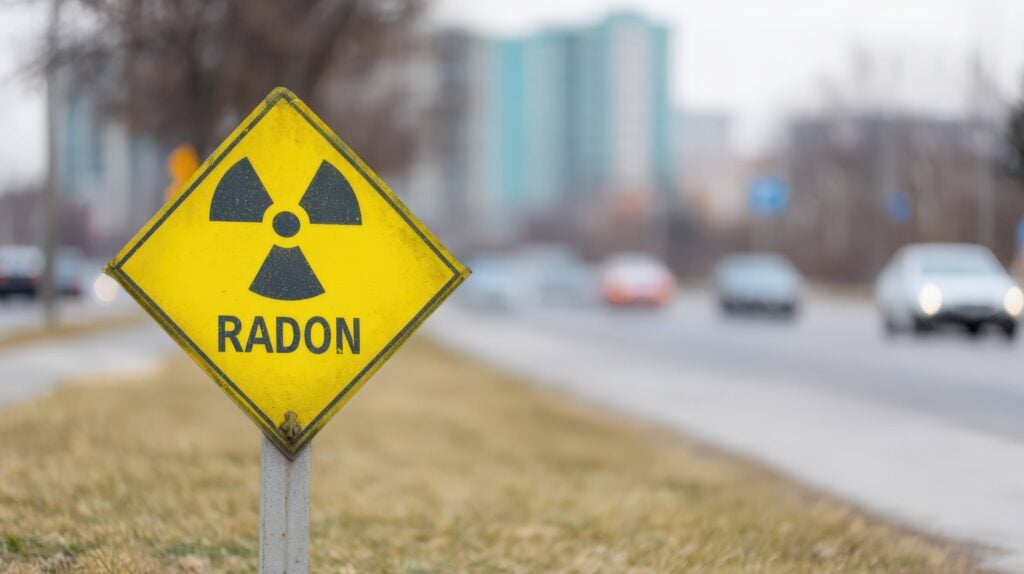
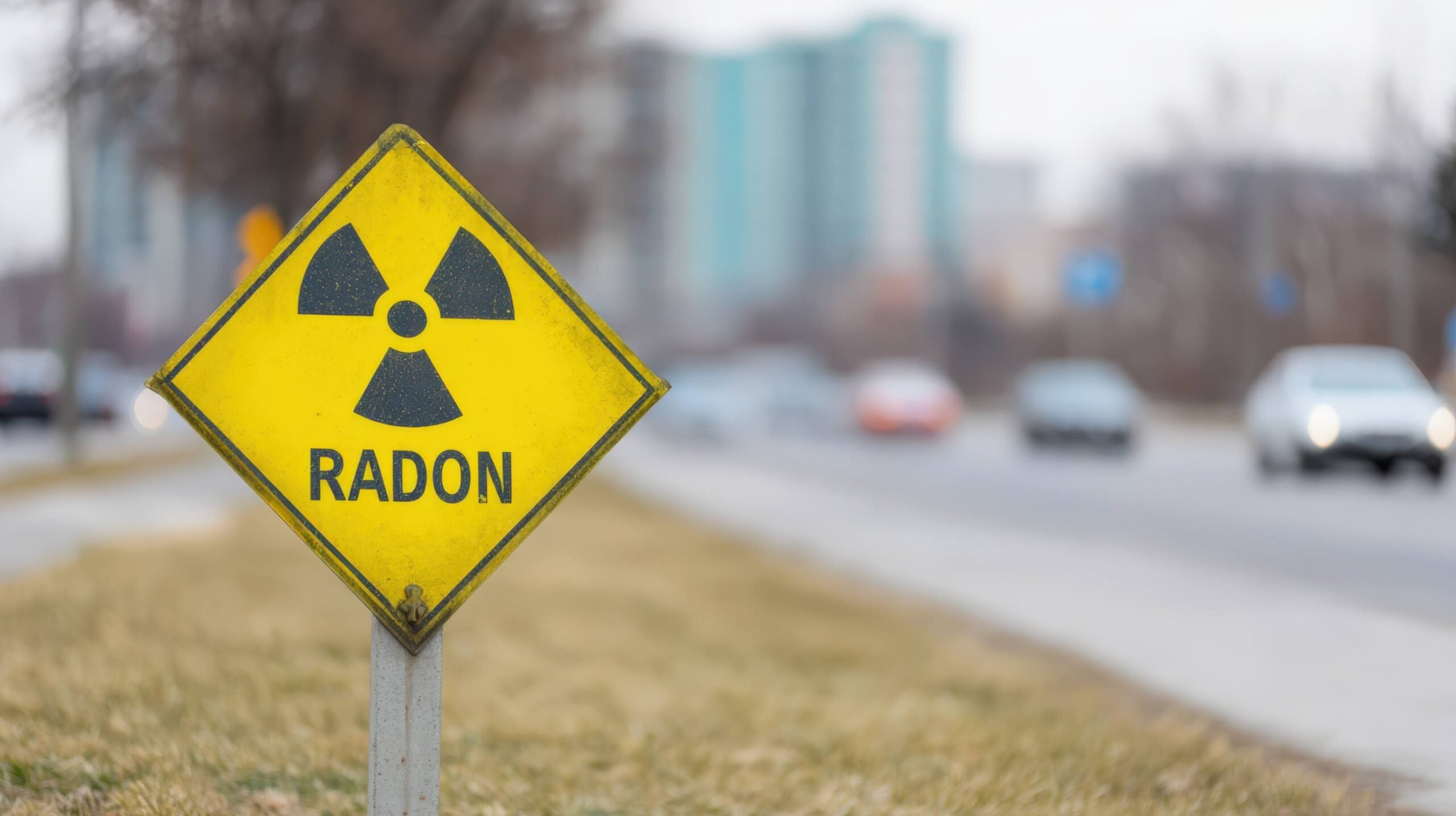
Radon is a colorless, odorless gas that, after long-term exposure, can lead to lung cancer. Radon breaks down into radioactive elements in the air, which are absorbed into the body.


Radon is considered carcinogenic to humans by national and international organizations, including the International Agency for Research on Cancer (IARC), the National Toxicology Program (NTP), and the U.S. Environmental Protection Agency (EPA) (ACS). Cigarette smoking is by far the most common cause of lung cancer in the United States, but radon exposure is the second-leading cause (ACS).


Who is at risk for radon exposure? Those who work in underground areas, specifically miners, have significantly higher rates of radon exposure. This is also true for those who work in uranium processing factories or come into contact with phosphate fertilizers. As a result, these groups have a higher chance of developing lung cancer and should take caution and pursue regular screening (ACS).

Epidemiological Evidence

In a paper that examined 13 epidemiological studies across Europe, it was concluded that long term exposure to radon increases the risk of lung cancer (Darby et al.).

Laboratory Evidence/Supporting Evidence

Several laboratory studies using rats and dogs have shown that exposure to radon leads to the development of lung cancer(National Research Council (US) Committee on the Biological Effects of Ionizing Radiations). Several other animal studies have confirmed the results of human studies that high exposure to radon can lead to the development of lung tumors (NCI).

IARC Carcinogen Classification:

Group 1 (Carcinogenic to humans)

How to reduce your risk

Since radon is in the air, we can’t completely eliminate our exposure to it. However, there are steps you can take to reduce your risk:

  • In your home: test the level of radon (EPA) in your home by purchasing a do-it-yourself kit or hiring a professional to test the radon level for you. Levels of radon above 4.0 pCi/L are considered harmful to humans. You may also decrease your exposure through cracks by sealing walls or floors or by increasing ventilation using fans and pipes.
  • In your workplace: OSHA and the NRC have taken steps to reduce the exposure of radon for those who work in an underground mine (ACS).

If you are exposed to radon and you are a smoker, experts recommend quitting or decreasing cigarette use. This can reduce your chance of developing lung cancer dramatically (ACS).


In addition, speak to your doctor about regular health checkups and tests to look for possible signs of lung cancer. Some symptoms of lung cancer to take note of are shortness of breath, a new or worsening cough, pain or tightness in the chest, hoarseness, or trouble swallowing (ACS).

Bottom line

Radon exposure is the second-leading cause of lung cancer in the United States, after cigarette smoking. Decreasing your cigarette use and ensuring your workplace and home are up to national standards for radon levels are the most effective ways to reduce your risk of lung cancer.

To learn more about radon and health risks, watch these short videos from the Dana-Farber Cancer Institute and the American Lung Association.

What you may have heard

Women who undergo induced medical abortions have a higher risk of developing cancer.

What science tells us

Hormone levels change dramatically during pregnancy and decrease a woman’s number of menstrual cycles, which affects breast cancer risk (ACS). Abortion is believed to interrupt the normal cycle of hormones during pregnancy. There are multiple types of abortion, and each has a slightly different relationship with cancer risk. Induced abortion is a medical procedure performed to end a pregnancy. 

Epidemiological Evidence

The most reliable study on this subject was done in the 1990s, and researchers found that induced abortions had no overall effect on the risk of breast cancer (ACS, ACOG). This association was confirmed in at least six other large studies across the world. Spontaneous abortion, or miscarriage, is the loss of a fetus before five months (20 weeks) into the pregnancy. There has also been no relationship found between spontaneous abortion and breast cancer risk. Risk of breast cancer is lower in women who have a full-term pregnancy before the age of 30, and the risk of breast cancer decreases with the number of full-term pregnancies.

Laboratory Evidence/Supporting Evidence

There is no laboratory evidence that induced (medical) abortions causes an increased risk of cancer.

How to reduce your risk

There are many known risk factors for breast cancer. Drinking alcohol is clearly linked to an increased risk of breast cancer, and risk increases with the amount of alcohol consumed. Women who have one alcoholic drink a day have a small (7-10%) increase compared with non-drinkers. This risk increases to 20% in women who have 2-3 drinks a day (ACS).
Another risk factor is being overweight or obese. Especially after a woman reaches menopause, most of a woman’s estrogen comes from fat tissue. Excess fat can raise estrogen levels and increase your risk of developing breast cancer. Women who are overweight or obese also tend to have higher insulin levels, which are associated with some cancers (ACS). Both of these risk factors may be offset with 150-300 minutes of physical activity and a healthy diet, which reduces your risk of breast cancer (ACS).

Bottom line

Neither induced (medical) nor spontaneous abortions appear to increase breast cancer risk.

What you may have heard

People who take birth control pills have an increased risk of cancer.

What science tells us

Birth control pills are used to prevent pregnancy and contain two hormones: estrogen and progesterone that help regulate the menstrual cycle (Cleveland Clinic). Birth control pills prevent pregnancy by stopping ovulation and preventing sperm from penetrating through the cervix. The most commonly prescribed type of oral contraceptive is often referred to as simply “the pill” or sometimes “birth control” in the United States.

Epidemiological Evidence

The evidence about birth control pills and cancer is mixed, depending on the type of cancer: oral contraceptives slightly increase risk of breast and cervical cancer, yet decrease risk of endometrial, ovarian, and colorectal cancers.

  • Breast: Women who have ever used oral contraceptives have a slight (7%) increase compared with women who had never used oral contraceptives. Women who are currently using oral contraceptives have a 24% increase in risk. Risk of breast cancer also increases the longer oral contraceptives are used (NCI).
  • Cervical: Women who have used oral contraceptives for 5 or more years have a higher risk of cervical cancer than women who have never used birth control pills. The longer a woman uses oral contraceptives, the higher the risk of cervical cancer(NCI).
  • Endometrial (Uterine): Women who have ever used oral contraceptives have 30% reduced risk of endometrial cancer(NCI). This protective effect continues for many years after the woman stops using oral contraceptives.
  • Ovarian: Use of oral contraceptives provide a 30-50% lower risk of ovarian cancer than women who have never used oral contraceptives (NCI). This protection increases with the length of time oral contraceptives are used.
  • Colorectal: Oral contraceptives decrease risk of colorectal cancer by 15% to 20% (NCI).

Laboratory Evidence/Supporting Evidence

Hormone exposures in laboratory and animal studies have effects on cells and tissues that are generally consistent with the epidemiological evidence.

IARC Carcinogen Classification:

Group 1 (Carcinogenic to Humans)

How to reduce your risk

Talk to your doctor about all contraceptive options and potential risks before making a decision. Your age, weight, reproductive history, and family history may put you at risk for some gynecological cancers. Birth control pills may put women at increased risk for other health problems, such as blood clots, heart disease, and stroke (MD Anderson).

There are bigger cancer risk factors than oral contraceptives. For example, more cases of cervical cancer are caused by the human papillomavirus (HPV) than taking the pill, and more cases of breast cancer are caused by poor diet and low levels of physical activity than oral contraceptives (MD Anderson).

Finally, there are many other contraceptive options that do not affect cancer risk. For example, non-hormonal intrauterine devices (IUDs) are small metal or plastic devices that are placed in the uterus by a gynecologist to prevent pregnancy (MSK).

Bottom line

Oral contraceptives slightly increase risk of breast and cervical cancer, yet decrease risk of endometrial, ovarian, and colorectal cancers. Talk to your doctor to find the best contraception for you.

What you may have heard

Women who take hormone replacement therapy have a higher risk of developing breast cancer.

What science tells us

There are various types of hormone replacement therapy (HRT), including estrogen only, estrogen + progestin (combined), or bioidentical hormone replacement therapies.


Estrogen While hormone replacement therapy with estrogen alone improves symptoms of menopause and may decrease risk of breast cancer in people with no family history of breast cancer, it increases the risk of endometrial (lining of the uterus) cancer (ACS). The risk of endometrial cancer remains higher than normal even after the therapy has stopped.


Estrogen + progestin (combined) You may also treat menopausal symptoms with estrogen and progestin therapy, which is known as combined hormone therapy. The longer the HRT is used, the higher the risk. The risk returns to normal within three years of stopping the hormones, so there is a benefit to stopping HRT if a woman has already started the treatment. 


Bioidentical hormone therapy This hormone therapy uses hormones that contain estrogen and progesterone with the same chemical structures as those found naturally in the body. 

Epidemiological Evidence

The progestin in the combined hormone therapy lowers the risk of endometrial cancer that would be conferred by estrogen. However, the Women’s Health Initiative study showed that women who use combined hormone therapy have a higher risk of breast cancer and ovarian cancer (NCI). The Million Women Study similarly found an increase in breast cancer risk for the combination estrogen and progestin therapy (Clarkson et al.).


While the bioidentical hormone therapy is marketed as a safer alternative, no studies have found that women taking bio-identical hormones have less serious side effects (NCI). Bioidentical hormones have the same health risks as any other type of hormone therapy.

Toxicology Evidence/Supporting Evidence

Studies that have examined the impact of HRT on monkeys and mice have shown that administration of estrogen + progestin increased the risk of breast cancer (Clarkson et al.).

IARC Carcinogen Classification:

Group 1 (carcinogenic to humans)

How to reduce your risk

Any decision to use estrogen, either alone or in combination with a progestin therapy, should be made by each individual woman and her doctor after weighing risks and benefits (ACS). Some things to consider are baseline risk of breast, endometrial, and ovarian cancer (and how this may be affected by hormone therapy); risk of other serious conditions affected by hormone therapy (example: heart disease, stroke, serious blood clots, and effects on the brain); and what other medicines may be used to treat osteoporosis or menopausal symptoms. If the decision is made to take HRT, it is best to use it at the lowest dose needed, for as short a time as possible, and to continue seeing your doctor regularly so they may monitor you for side effects (ACS).


Note: All women should report any vaginal bleeding that happens after menopause right away; it may be a sign of endometrial cancer. Even if your risk is not elevated, you still have a chance of getting endometrial cancer.

Bottom line

HRT may increase your risk of breast, endometrial, and/or ovarian cancer. Speak to your doctor before making a decision about hormone replacement therapy.

What you may have heard

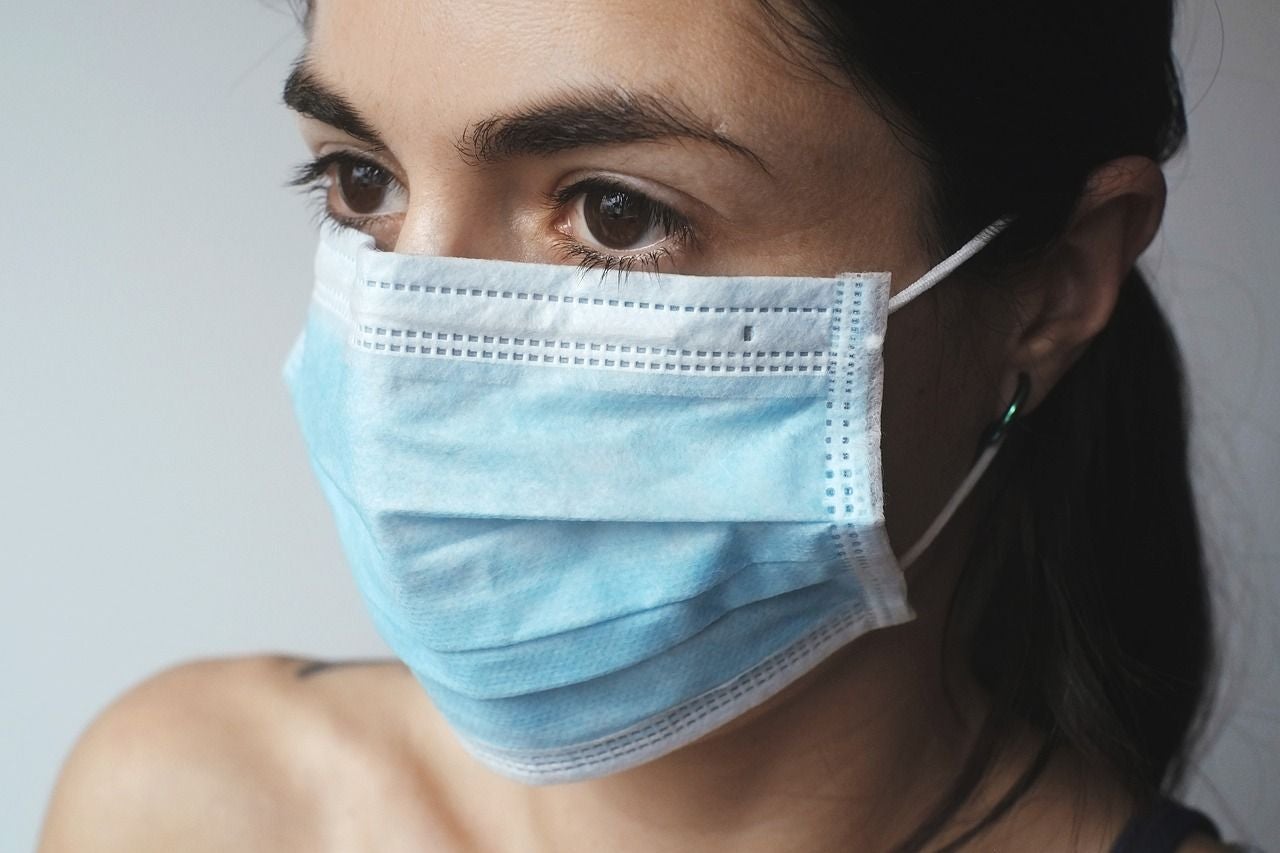
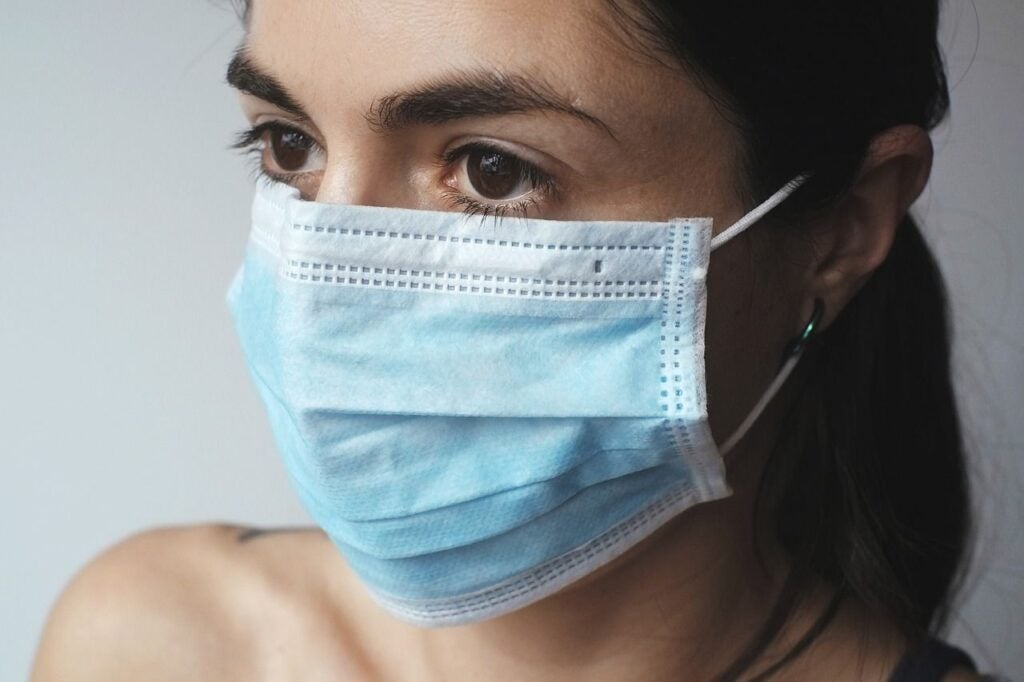
Mask-wearing increases the risk of cancer.

What science tells us

There is a vast amount of evidence showing that long-term mask-wearing has no effect on cancer risk. The first study to make this false accusation about masks has been discredited by many other studies (Moffitt Cancer Center). The American Lung Association also states that there is no shred of truth to the statement (ALA).

Epidemiological Evidence

The Centers for Disease Control and Prevention has also responded, stating that mask-wearing does not pose any additional health risks and is essential to protect individuals from COVID-19. Wearing a facial covering helps protect others when you cough, sneeze, or talk and spray viral droplets into the air (ALA). Many people are not aware they have become infected and unknowingly spread COVID-19 to others. As a result, wearing a mask is important to lessen the spread of disease. There is no evidence from epidemiological studies that conclude that mask wearing is associated with cancer.

Laboratory Evidence

There is no evidence from laboratory studies that connect mask wearing to cancer development.

IARC Carcinogen Classification:

Not Classified.

How to reduce your risk

When selecting your mask, it is important that the mask not be so thick as to make breathing uncomfortable. Filters are probably unnecessary and may make masks more uncomfortable. The gold standard is the N-95 mask, which is 95% effective at protecting the wearer from inhaling viral particles (ALA). Surgical masks are less effective and cloth masks are even less so. Regardless, even a 50% reduction in transmission is essential to reduce the spread of COVID-19 (ALA).
Whenever you wear a mask, make sure it is new and sterile. If wearing a mask does give you breathing difficulties, try going to a space outdoors and away from people to regain your breath (CDC).

Bottom line

Mask usage does not cause cancer and using masks to prevent the spread of infectious diseases (such as COVID-19) is crucial.

What you may have heard

According to a 2012 report conducted by the U.S. House of Representatives Committee on Energy and Commerce, when contacted by Committee investigators, 90% of tanning salon staff provided false information about the serious risks of indoor tanning and made false claims about the health benefits that indoor tanning provides (AAD).

What science tells us

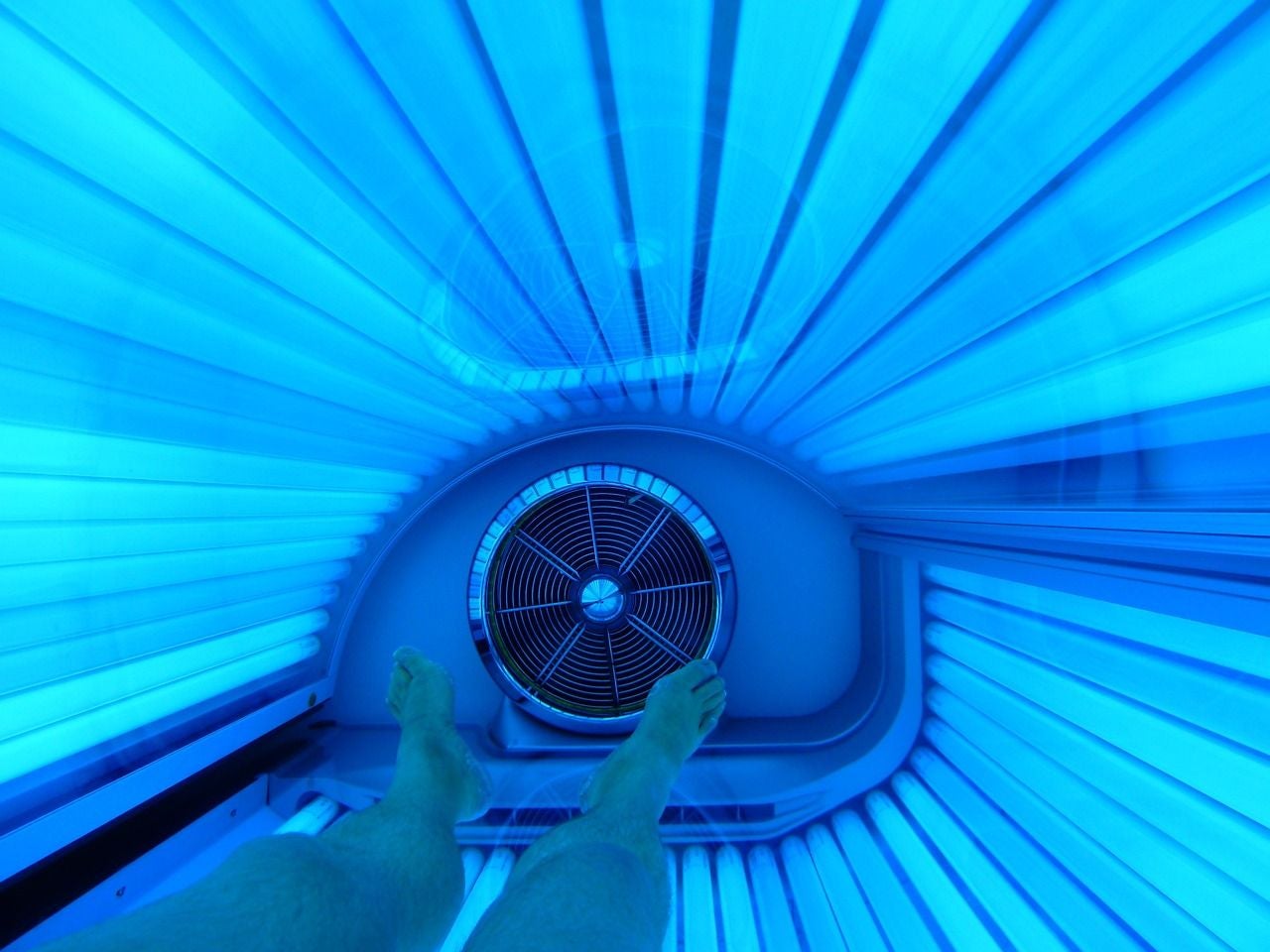
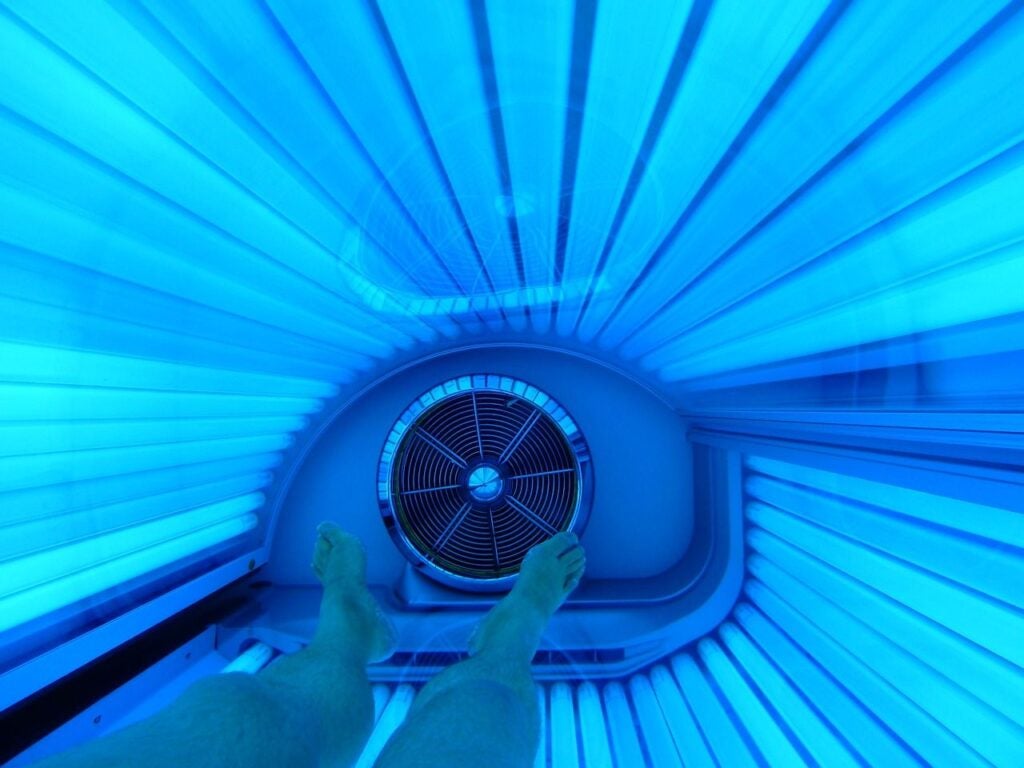
Worldwide, there are more skin cancer cases due to indoor tanning than there are lung cancer cases due to smoking (SCF). The International Agency for Research on Cancer (IARC) moved tanning beds to the highest cancer-risk category: carcinogenic to humans (FDA). 

Whether it occurs outdoors or indoors, tanning is a visual sign of DNA damage to your skin. Tanning is caused by exposure to ultraviolet (UV) radiation and causes damage to the outermost layer of skin cells. There is no such thing as a “safe” or “healthy tan” (AAD). There is a growing body of evidence that indicates that tanning can be addictive. Among 18- to 30-year-old white women who use indoor tanning, 20% show signs of addiction (AAD).

Epidemiological Evidence

According to the Skin Cancer Foundation, there is a 75% increased risk of developing life-threatening melanoma from just one indoor tanning session before the age of 35 (SCF). Tanning also increases your risk of basal cell carcinoma and squamous cell carcinoma.

Laboratory Evidence/ Supportive Evidence

The results of animal studies generally support the observation from epidemiological studies that UV exposure is associated with skin cancer risk (Gober et al.). 

IARC Carcinogen Classification:

Group 1 (carcinogenic to humans: UV-emitting tanning beds)

How to reduce your risk

Avoiding tanning entirely is the best way to protect against skin damage. If you still want the look, there are many lotions that give a bronzed look without adding sun.

If you spend time in the sun, use sun protection; it is never too late to start protecting your skin. As soon as you stop tanning, your body begins to repair some of the damage caused by UV rays (AAD).

When choosing a sunscreen, make sure the label says broad spectrum, SPF 30 or higher, and water resistant. Broad spectrum means that the sunscreen can protect your skin from both UVA and UVB rays, and water resistance means that the sunscreen will stay on wet or sweaty skin for between 40 to 80 minutes (AAD).

Bottom line

Indoor tanning (as well as outdoor tanning) increases your risk of developing skin cancer, including melanoma, basal cell carcinoma, and squamous cell carcinoma, and should be avoided.

Watch this short video on tanning beds and cancer risk from the M.D. Anderson Cancer Center, and follow the links below for more information.


What you may have heard

You may have heard that smoking marijuana is safer than cigarettes and does not cause cancer.

What science tells us

Marijuana is the name given to the dried buds and leaves of the cannabis plant; it goes by many names, including pot, grass, cannabis, weed, and hemp. Marijuana plants come in many different strains with different levels of active compounds, and effects can vary based on how deeply and how long the user inhales; as a result, each user’s experience is very different.

Delta-9-tetrahydrocannabinol (THC) causes the “high” reported by marijuana users and can also help relieve pain and nausea, and reduce inflammation (ACS). Cannabidiol (CBD) can be used to help treat seizures, reduce anxiety and paranoia, and can counteract the high caused by THC (ACS).


Marijuana can pose some harm to users. The most common effects of marijuana are euphoria, decreased control over movement, disorientation, and sometimes anxiety, paranoia, suicidality, or psychosis (DFCI). Smoked marijuana delivers THC and other cannabinoids to the body, but also delivers harmful substances to those close by (ACS). Marijuana smoking can cause chronic bronchitis and problems with learning, memory, and attention.


Both cannabis and cannabinoids may be addictive. Symptoms of withdrawal from cannabis may include being easily annoyed or angered, trouble sleeping, unable to stay still, hot flashes, nausea, or cramping (NCI).

The US Drug Enforcement Administration (DEA) lists marijuana as a Schedule I controlled substance, even though some states have legalized its purchase and use, it cannot be legally prescribed, possessed, or sold under federal law. However, the use of marijuana to treat some medical conditions is legal under state laws in many states.

Epidemiological Evidence

There is much we still do not know about marijuana use because its potential cancer effects are poorly studied and it is still characterized as an illegal substance by the US DEA. The categorization of marijuana as an illegal substance limits the amount of research and the types of research that scientists can do. More human research studies are needed to see the effects of marijuana over time.

Laboratory Evidence/Supporting Evidence

Animal studies have reported the effect of marijuana. One study found that marijuana reduced the size of prostate tumors, which differed based on the dose and length of the treatment. However, further studies are needed to confirm this result (Singh et al.). 

IARC Carcinogen Classification:

Not classified.

How to reduce your risk

The American Cancer Society recommends that any decisions about pain and symptom management with marijuana use should be made between a patient and their doctor, balancing evidence of benefit and harm to the patient, the patient’s preferences and values, and any laws and regulations that may apply.  The mode of marijuana consumption may also affect cancer risk, with smoking (burning) of marijuana producing potential cancer-related substances.

Bottom line

There is not enough evidence to say if marijuana use is linked to cancer, but marijuana use may pose other harms to users.

To hear from a physician on this matter, watch the brief video below.

What you may have heard

Exposure to lead causes cancer.

What science tells us

Lead is harmful, regardless of the type of lead exposure (breathing in, swallowing, or absorbing through the skin), but the body absorbs the highest levels of lead when it is inhaled (CDC). Lead is absorbed and stored in the bones, blood, and tissues, so the body continues to be exposed to harmful lead levels, even after an initial exposure. As our body ages, bones begin to break down and internal exposures actually increase; this is called bone demineralization (CDC). Women in menopause also face additional bone demineralization.


Short-term health effects from lead exposure are abdominal pain, constipation, headaches, memory loss, pain in the hands and feet, and weakness. Exposure to high levels of lead over time may cause anemia, weakness, kidney damage, brain damage, and even death (CDC). Women who are pregnant also expose their unborn child, resulting in damage to a baby’s nervous system. Lead exposure can potentially cause miscarriage, stillbirths, and infertility (CDC).

Epidemiological Evidence

Lead is harmful, regardless of the type of lead exposure (breathing in, swallowing, or absorbing through the skin), but the body absorbs the highest levels of lead when it is inhaled (CDC). Lead is absorbed and stored in the bones, blood, and tissues, so the body continues to be exposed to harmful lead levels, even after an initial exposure. As our body ages, bones begin to break down and internal exposures actually increase; this is called bone demineralization (CDC). Women in menopause also face additional bone demineralization.


Short-term health effects from lead exposure are abdominal pain, constipation, headaches, memory loss, pain in the hands and feet, and weakness. Exposure to high levels of lead over time may cause anemia, weakness, kidney damage, brain damage, and even death (CDC). Women who are pregnant also expose their unborn child, resulting in damage to a baby’s nervous system. Lead exposure can potentially cause miscarriage, stillbirths, and infertility (CDC).

Laboratory Evidence/Supporting Evidence

Laboratory studies have reported that lead causes kidney cancer, brain cancer (gliomas), and lung cancer in rodents, and acts synergistically with other carcinogens. Several environmental journals have also published studies on the effect of lead on rodents, which have also shown lead to cause tumor growth. Long term exposure to lead increases the event of lung cancer in mice (Vainio).

IARC Carcinogen Classification:

Group 2B (possibly carcinogenic to humans: inorganic lead), 3 (Not classifiable as to its carcinogenicity to humans: organic lead) and Group 2A (probably carcinogenic to humans: lead).

How to reduce your risk

Eliminate lead exposure entirely. This may include phasing out the use of lead in paints, eliminating the use of lead in household products, encouraging the removal of plumbing containing lead, preventing exposure from electric and electronic waste, and identifying contaminated sites (WHO). If you know that you are exposed to lead as a result of your work, monitor blood levels during occupational exposure and include blood level monitoring for anyone in your household (WHO).

Bottom line

Lead exposure is associated with severe health outcomes, such as cancer, and should be avoided (CDC).

What you may have heard

With the introduction and increased use of Bluetooth technology, many people have been concerned about their long-term effects on cancer risk.

What science tells us

Because of the newness of this technology, researchers have not had enough time to study potential correlation between cancer and Bluetooth headphones. However, since the radiation found in Bluetooth headphones is only 1/10th of that of a cell phone, there is most likely little to worry about. These devices emit RF (Radiofrequency) waves, which are a form of non-ionizing radiation. This means that they do not have enough energy to directly damage DNA inside cells and cause cancer (ACS, NCI).

Epidemiological Evidence

Many studies have looked into tumor formation and cell phone usage; however, the results are not conclusive (NCI). Most international organizations deem phone usage to be at most only a potential risk to cancer and at the least, not enough evidence to comment. Phones emit RF (Radiofrequency) waves, which are a form of non-ionizing radiation.

Laboratory Evidence/Supporting Evidence

Currently, there is no laboratory evidence that suggests Bluetooth headphones are linked to cancer.

IARC Carcinogen Classification:

Group 3 (Not classifiable as to its carcinogenicity to humans: radio-frequency electromagnetic fields).

How to reduce your risk

With little published research on the topic, scientists aren’t sure about the best way to reduce your risk, other than limiting the amount of time you spend with wireless headphones (NCI).

Bottom line

Bluetooth or wireless headphones most likely do not lead to an increase in cancer risk; however, limiting the time you spend using them, or keeping the phone away from your head, could ensure safety until further research is done.

Fact Finder Tool

Discover insights, research, and information to help you navigate cancer-related topics with confidence.

952 posts available
5 categories

CLAIM: Formaldehyde causes cancer

What you may have heard Exposure to formaldehyde can cause cancer. What science tells us Formaldehyde is a colorless, flammable, strong-smelling chemical that is used in building materials and in the production of many household products. It is used in pressed-wood products (such as plywood and fiberboard), glue, adhesives, permanent-pressed fabrics, paper product coatings, insulation,…

Read More →

CLAIM: Radon causes cancer

What you may have heard Radon gas causes cancer. What science tells us Radon is a colorless, odorless gas that, after long-term exposure, can lead to lung cancer. Radon breaks down into radioactive elements in the air, which are absorbed into the body. Radon is considered carcinogenic to humans by national and international organizations, including…

Read More →

CLAIM: Birth control pills cause cancer

What you may have heard People who take birth control pills have an increased risk of cancer. What science tells us Birth control pills are used to prevent pregnancy and contain two hormones: estrogen and progesterone that help regulate the menstrual cycle (Cleveland Clinic). Birth control pills prevent pregnancy by stopping ovulation and preventing sperm…

Read More →

CLAIM: Hormone replacement therapy (HRT) causes cancer

What you may have heard Women who take hormone replacement therapy have a higher risk of developing breast cancer. What science tells us There are various types of hormone replacement therapy (HRT), including estrogen only, estrogen + progestin (combined), or bioidentical hormone replacement therapies. Estrogen While hormone replacement therapy with estrogen alone improves symptoms of…

Read More →

CLAIM: Mask wearing causes cancer

What you may have heard Mask-wearing increases the risk of cancer. What science tells us There is a vast amount of evidence showing that long-term mask-wearing has no effect on cancer risk. The first study to make this false accusation about masks has been discredited by many other studies (Moffitt Cancer Center). The American Lung…

Read More →

CLAIM: Tanning beds cause cancer

What you may have heard According to a 2012 report conducted by the U.S. House of Representatives Committee on Energy and Commerce, when contacted by Committee investigators, 90% of tanning salon staff provided false information about the serious risks of indoor tanning and made false claims about the health benefits that indoor tanning provides (AAD).…

Read More →

CLAIM: Marijuana smoking does not cause cancer

What you may have heard You may have heard that smoking marijuana is safer than cigarettes and does not cause cancer. What science tells us Marijuana is the name given to the dried buds and leaves of the cannabis plant; it goes by many names, including pot, grass, cannabis, weed, and hemp. Marijuana plants come…

Read More →

CLAIM: Bluetooth or wireless headphones can cause cancer

What you may have heard With the introduction and increased use of Bluetooth technology, many people have been concerned about their long-term effects on cancer risk. What science tells us Because of the newness of this technology, researchers have not had enough time to study potential correlation between cancer and Bluetooth headphones. However, since the…

Read More →