Skip to content

What you may have heard

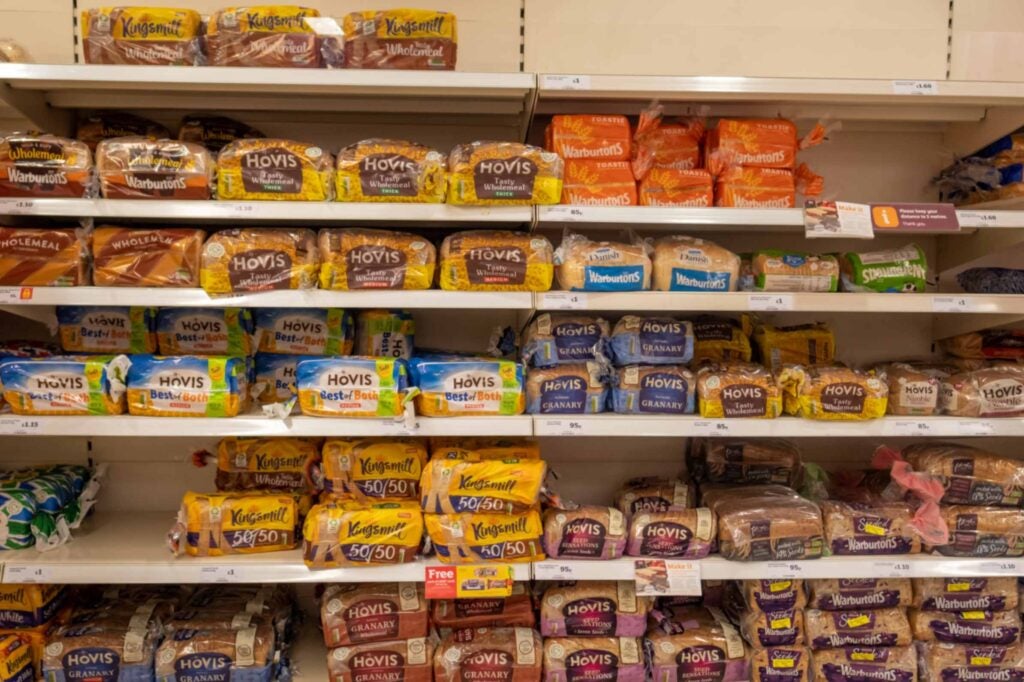
Potassium bromate is used in baking and is linked to cancer.

What science tells us

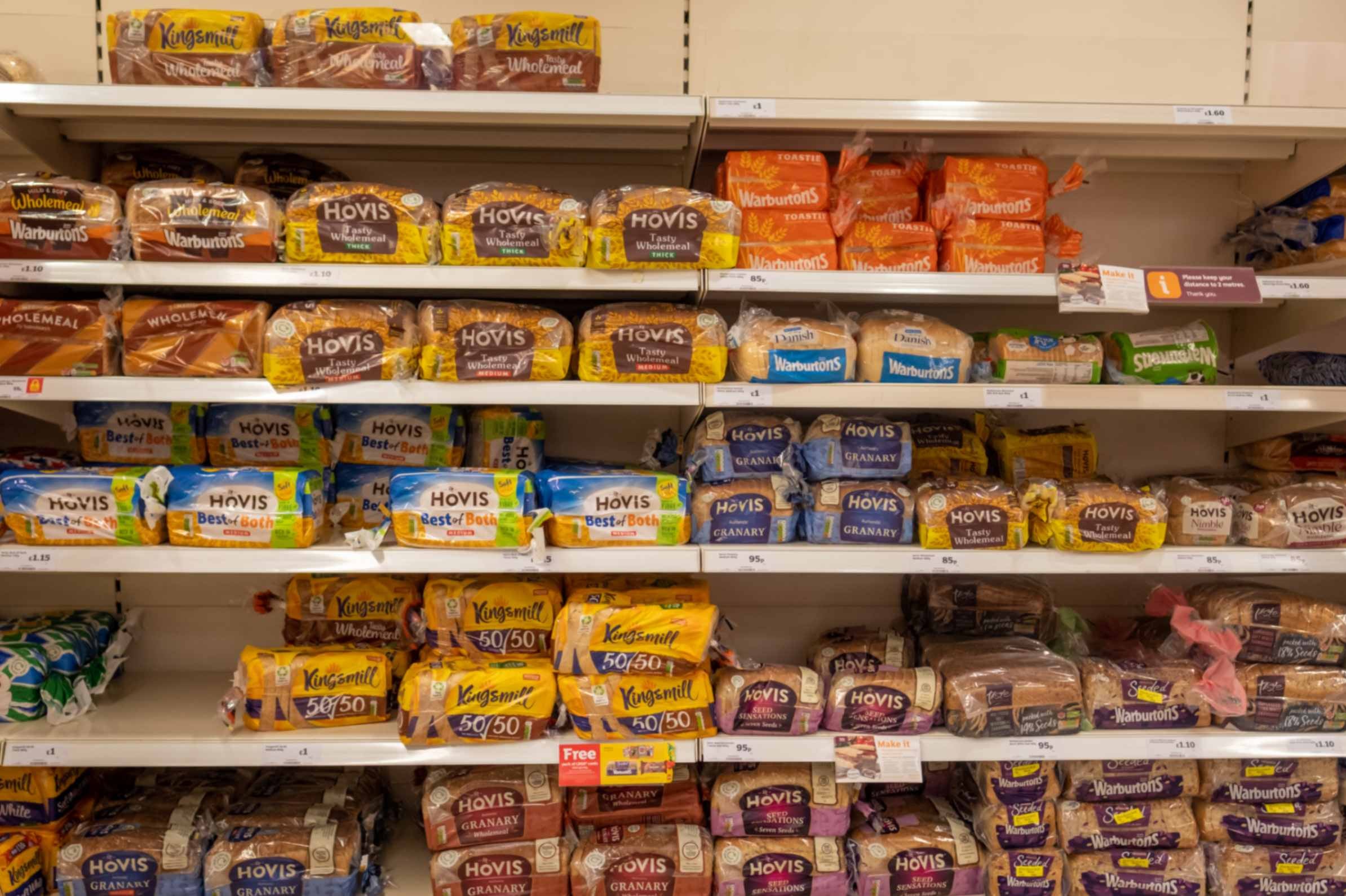
Potassium bromate is a flour improver used in baking to strengthen dough, increase bread volume, and produce a fine crumb structure. It is commonly found in white flour, bread, and rolls. Potassium bromate has been shown to cause cancer in animals. While most of the bromate breaks down into the less harmful bromide during baking, any remaining bromate poses a small cancer risk to consumers.

Potassium bromate has been banned in many countries worldwide, but it is still permitted in the US and Japan. In October 2023, California Governor Gavin Newsom signed a bill into law banning the use of potassium bromate, along with three other common food additives (brominated vegetable oil, propylparaben, and Red Dye No. 3). The California Food Safety Act takes effect in 2027, making it illegal to sell, distribute, and manufacture these additives in the state.

Epidemiological Evidence

Epidemiological studies have linked potassium bromate to an increased risk of cancer in animals, but direct evidence in humans is limited.

Laboratory Evidence/Supporting Evidence

A 1983 study published in the Journal of the National Cancer Institute involved giving rats different concentrations of potassium bromate in their drinking water. The group exposed to the highest concentration experienced the shortest survival times and had significantly higher incidences of kidney tumors and mesotheliomas of the peritoneum (a type of cancer affecting the lining of the abdominal cavity) in males compared to the control group. The study concluded that potassium bromate was carcinogenic to rats when administered orally (Kurokawa et al., 1983).

IARC Carcinogen Classification:

Classified as Group 2B carcinogen (possibly carcinogenic to humans).

How to reduce your risk

Avoid baked goods that list potassium bromate as an ingredient. Choose products labeled as bromate-free. Opt for bread and baked goods made without this additive.

Bottom line

Potassium bromate is a known carcinogen in animals, and avoiding it can reduce cancer risk. Selecting bromate-free baked goods is a simple step to protect your health and reduce exposure to harmful additives.

One way to know what is in your food is to cook and bake it at home. Try some cancer-mindful recipes from the American Instiute for Cancer Research.
What you may have heard

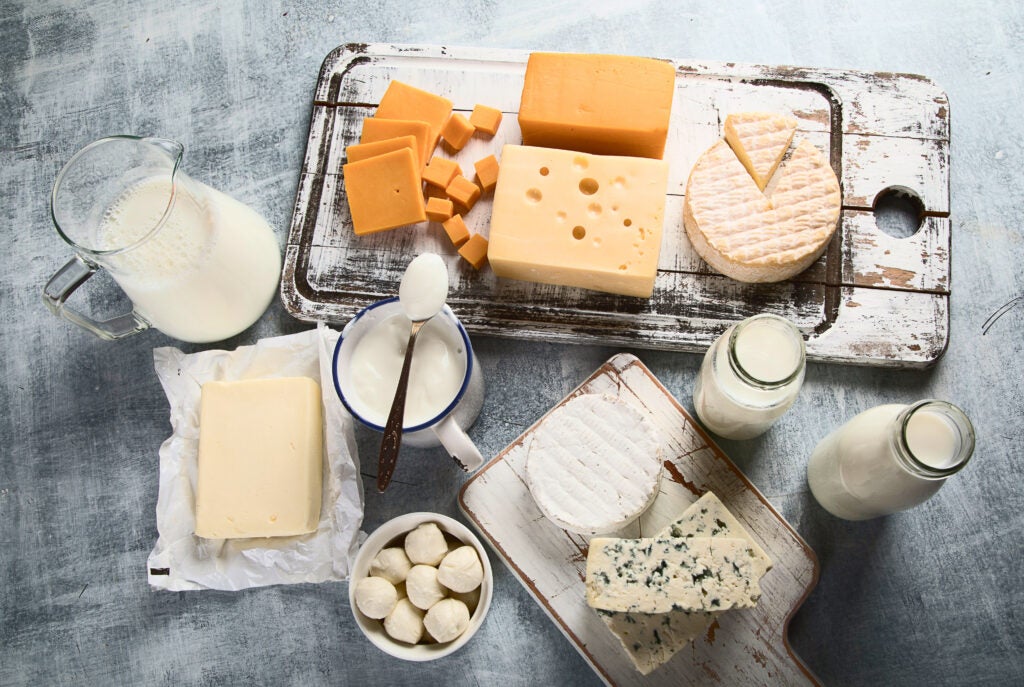
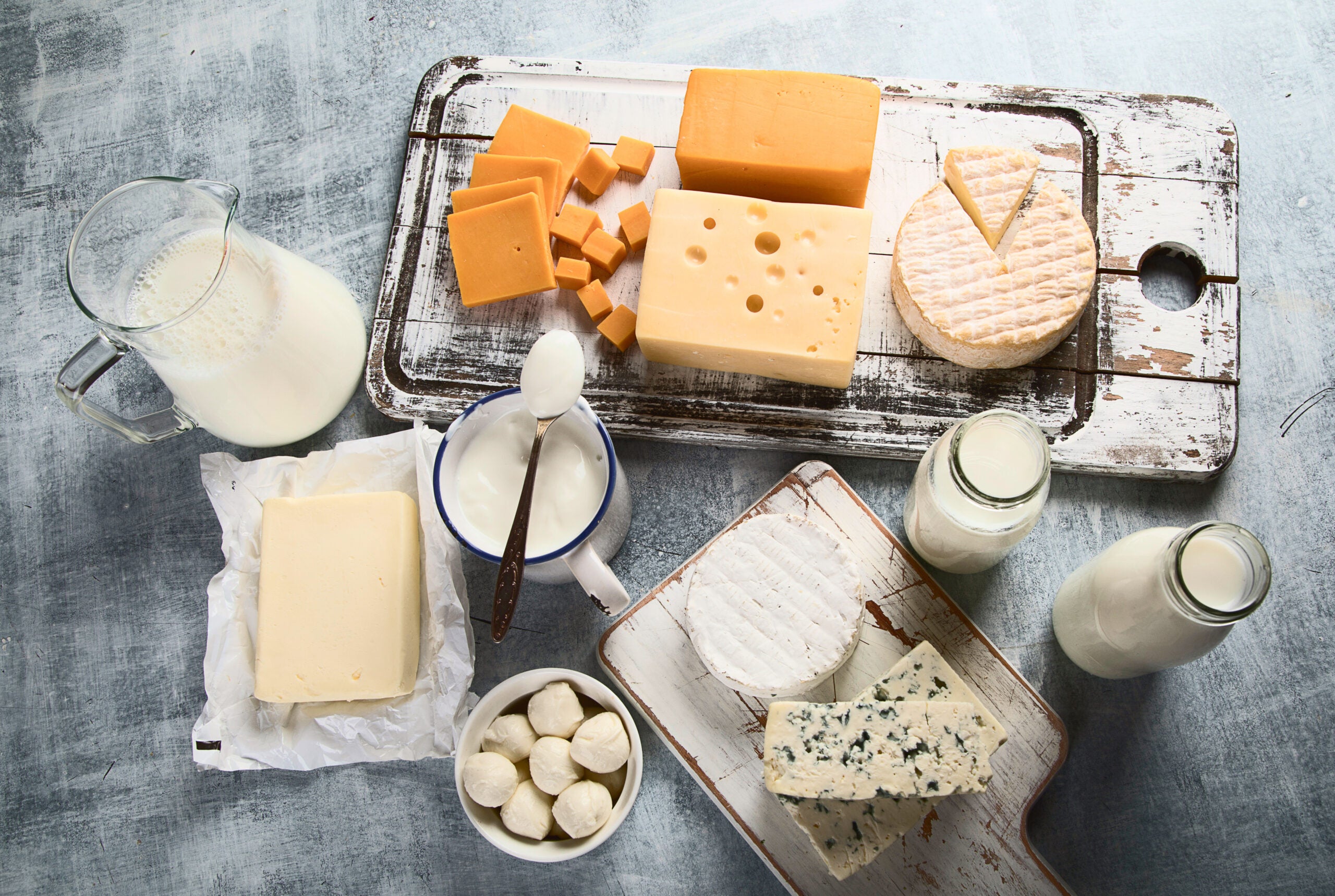
High consumption of dairy products may cause cancer.

What the science tells us

Epidemiological Evidence

Evidence on the relationship between dairy products and cancer risk is mixed and varies by type of cancer. Dairy consumption is associated with a lower risk of colorectal cancer (WCRF), while some prospective cohort studies suggest a higher risk for prostate and ovarian cancers (Jin & Je). A study of Chinese adults also associated dairy intake with increased risks of liver, breast, and potentially lymphoma cancers (Kakkoura et al.).

The association between dairy consumption and breast cancer, specifically, remains unclear. Studies have found that fermented dairy products like yogurt and cheese may decrease the risk of breast cancer, whereas high milk intake may increase it. Further research is needed to clarify these associations.

Laboratory Evidence/Supporting Evidence

There is currently no strong evidence from animal studies that dairy influences cancer progression.

How to reduce your risk

  • Moderate dairy intake, the USDA recommends about 3 cups of dairy per day.
  • Choose reduced or low-fat dairy products.
  • Consider plant-based milk alternatives, such as almond, oat, or soy milk.
  • Diversify calcium intake from other sources, like leafy greens.

Bottom line

Current evidence on dairy consumption and cancer risk remains inconclusive and requires further research. Studies suggest that dairy may reduce the risk of certain cancers (e.g., colorectal) and increase the risk of others (e.g., prostate, liver). While dairy products are valuable sources of calcium, vitamin D, and protein, the conflicting evidence on cancer risk highlights the importance of being mindful of the type and amount of dairy included in a healthy diet.

What you may have heard

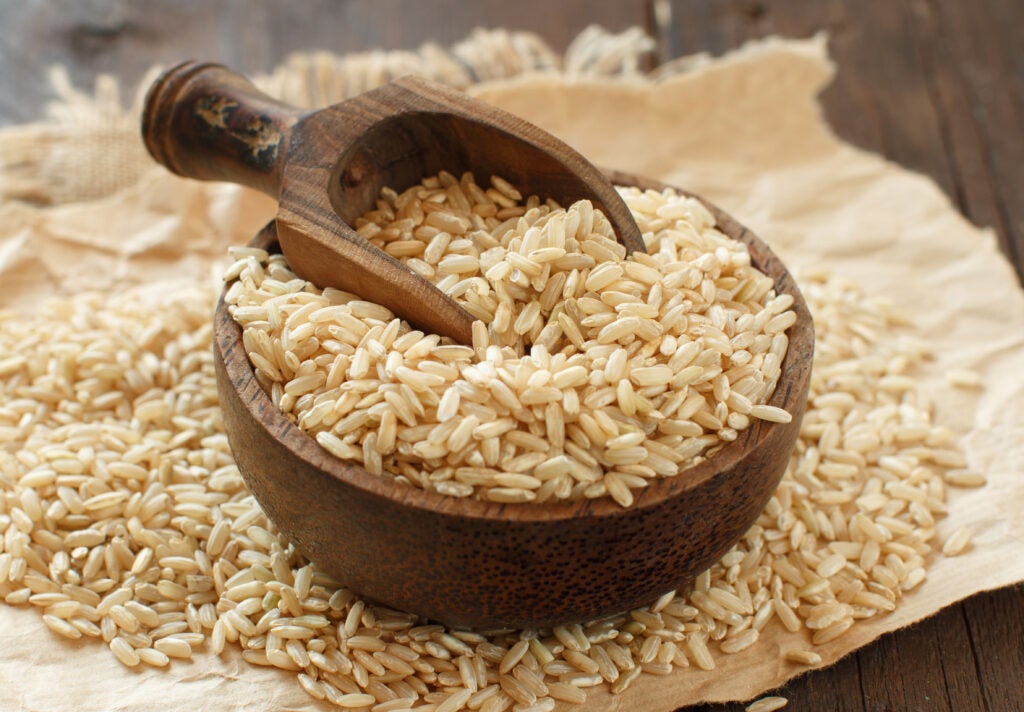
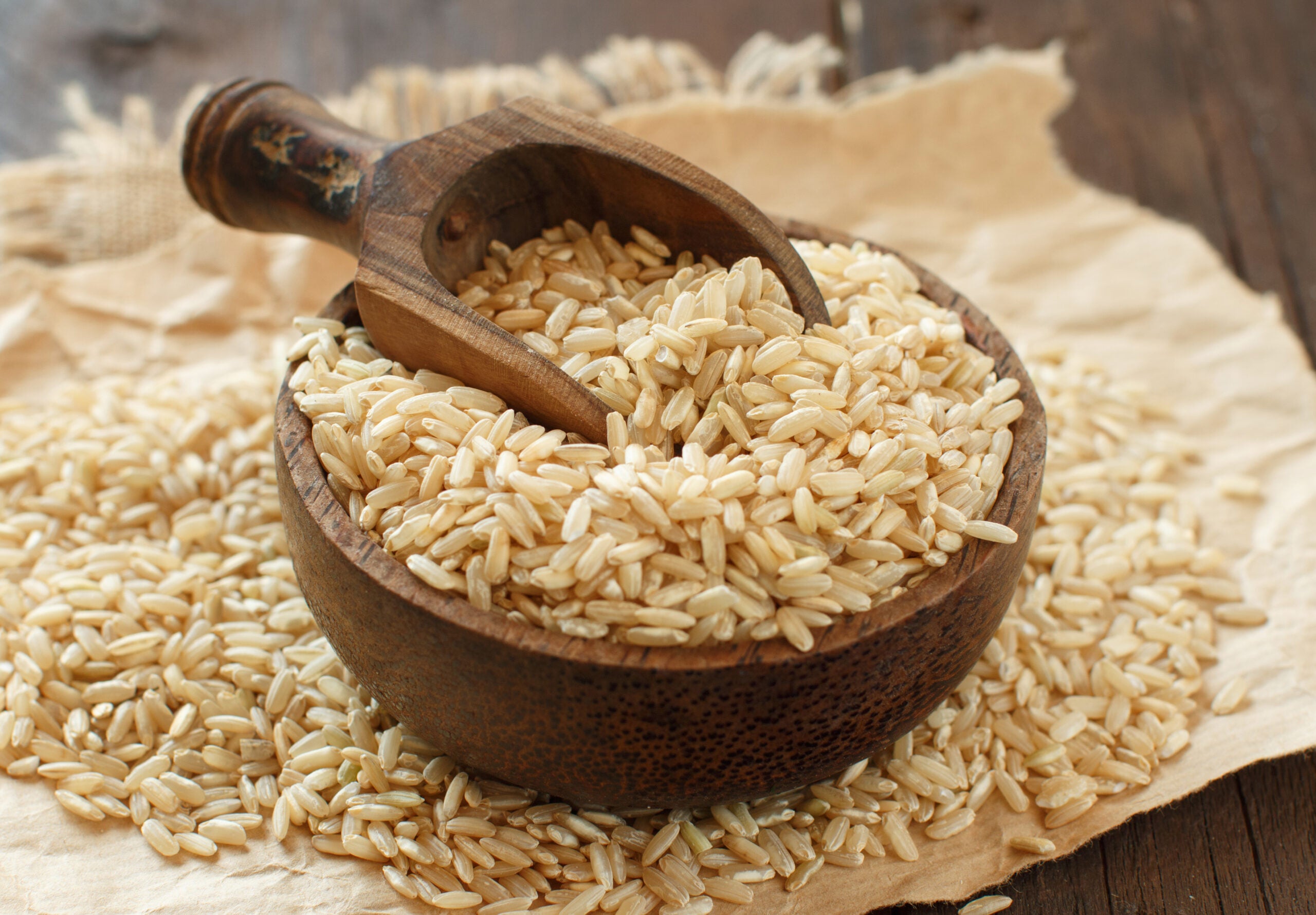
Consuming brown rice may increase your risk of cancer due to arsenic exposure. This concern contrasts with the common belief that brown rice has many nutritional benefits, including high fiber and nutrient content.

What the science tells us

Arsenic accumulates in the outer layers of the rice grain, which makes brown rice higher in inorganic arsenic than white rice. Arsenic content varies by region and tends to be higher in rice grown in areas with contaminated water or a history of arsenic-based pesticide use, such as parts of Bangladesh, India, and the southern U.S. Overall, findings from the FDA show low arsenic levels in U.S. rice-based foods.

Epidemiological Evidence:

Long-term consumption of brown rice is not directly associated with an increased risk of developing cancer. A large prospective cohort study using data from the Nurses’ Health Study II, Female Nurses’ Health Study, and Male Health Professionals Follow-Up Study followed participants for decades and found no significant associations between brown rice intake and overall cancer incidence (Zhang et al.). University of Michigan research confirms that arsenic is toxic at high doses but found that typical daily exposure for most U.S. adults remains below levels of concern (Scott et al.).

However, other reviews suggest that more research is needed to fully understand how cancer risk from arsenic exposure may vary by type (inorganic vs organic), exposure level, and age of the exposed individual. 

Researchers do indicate that children under the age of five, who consume more food relative to their body weight, may be particularly vulnerable to the health effects of arsenic. These populations should limit intake of brown rice.

Laboratory Evidence/Supporting Evidence:

There is little laboratory evidence that explores the effects of brown rice on cancer outcomes.

How to reduce your risk

  • Vary your grains (e.g., quinoa, barley, oats).
  • Rinse rice thoroughly and cook it with extra water (6:1 ratio), then drain.
  • Buy rice from low arsenic regions, such as California.
  • Limit intake for infants and children under five years old.

Bottom line

Dose matters. While exposure to high levels of arsenic remains a concern, the amount in a typical serving of brown rice does not put most adults at risk of developing cancer. That said, young children and vulnerable groups are more susceptible to the effects of arsenic and should limit consumption. Additional research is needed to determine if the potential harmful effects of arsenic exposure outweigh the nutritional benefits of brown rice.

What you may have heard

Concerns have been raised that when you cook food in aluminum foil, the aluminum can seep into the food and may be linked to cancer and other health issues.

What the science tells us

Aluminum foil is generally considered safe for cooking. While it is true that small amounts of aluminum can leach into food when heated, these levels are typically low and not a cause for concern. Aluminum concentrations may vary by type of food (e.g., tomatoes, lemons), cooking temperature, and the ingredients or spices used.

Most people with healthy kidney function can excrete the small amounts of aluminum that may be absorbed by the body. Health risks from aluminum exposure may be greater for vulnerable groups, such as young children or individuals with chronic renal failure (Dordevic et al.).

Supporting Evidence

There is currently no strong evidence that cooking with aluminum foil increases your risk of cancer. A study on food additives and contaminants found that both cooking and storing food in foil can lead to low to moderate increases in aluminum content, especially at higher temperatures or with longer contact times (Ertl & Goessler). However, researchers found these changes to be marginal and not associated with adverse health outcomes under typical use.

Both the World Health Organization (WHO) and European Food Safety Authority (EFSA) have reported that the average person’s aluminum intake from all sources, including foil, remains below harmful levels. The WHO has established a tolerable intake of 2 mg/kg of body weight per week, a limit rarely reached by the general population.

How to reduce your risk

If you are concerned about potential risks from foil and want to minimize aluminum exposure:

  • Avoid using aluminum foil with acidic or spicy foods.
  • Limit aluminum foil use for young children and individuals with chronic kidney disease.
  • Consider alternative options like parchment paper when baking.

Bottom line

Cooking with aluminum foil is generally safe. While excessive aluminum exposure can be harmful, the small amounts associated with regular foil use are not linked to cancer and remain below established safety thresholds.

What you may have heard

Frequent consumption of very hot beverages, like tea and maté, can raise your risk of developing esophageal cancer.

What the science tells us

Repeatedly drinking hot beverages can damage the lining of the esophagus, which may increase the risk of cancer over time. The International Agency for Research on Cancer (IARC) classifies drinks hotter than 65°C or 149°F as possibly carcinogenic to humans (Group 2A). This means that high temperatures, not the drink itself, may impact cancer risk. The type of esophageal cancer most often associated with very hot beverages is squamous cell carcinoma.

Epidemiological Evidence

Most observational studies have been conducted in populations that frequently drink very hot beverages and suggest that the cancer risk increases with temperature.

  • A meta-analysis of observational studies found a significantly increased risk of squamous cell carcinoma among people who drank hot tea (Luo et al.).
  • A case-control study in Kenya reported that drinkers of “very hot” and “hot” beverages had 3.7 and 1.4 times the odds, respectively, of developing esophageal cancer compared to warm beverage drinkers (Middleton et al.).
  • A 2025 cohort study in the United Kingdom also observed an increased risk of squamous cell carcinoma among those who drank very hot tea and coffee (Inoue-Choi et al.). The risk rose with the number of cups consumed per day.

Laboratory Evidence/Supporting Evidence

A laboratory study found that drinking very hot water (70°C) promoted the development of early abnormal growths called premalignant lesions in the esophagus of rats, which could increase cancer risk (Rapozo et al.).

How to reduce your risk

Let hot beverages cool for a few minutes before drinking and avoid sipping anything that feels uncomfortably hot. If it burns your mouth, it could irritate the lining of your esophagus.

Bottom line

Regularly drinking beverages hotter than 65°C (149°F) may raise the risk of esophageal cancer, particularly squamous cell carcinoma. The concerns are linked to the temperature, not the type of drink. While serving temperatures vary worldwide, it is safest to let hot beverages cool before drinking to reduce your risk.

What you may have heard

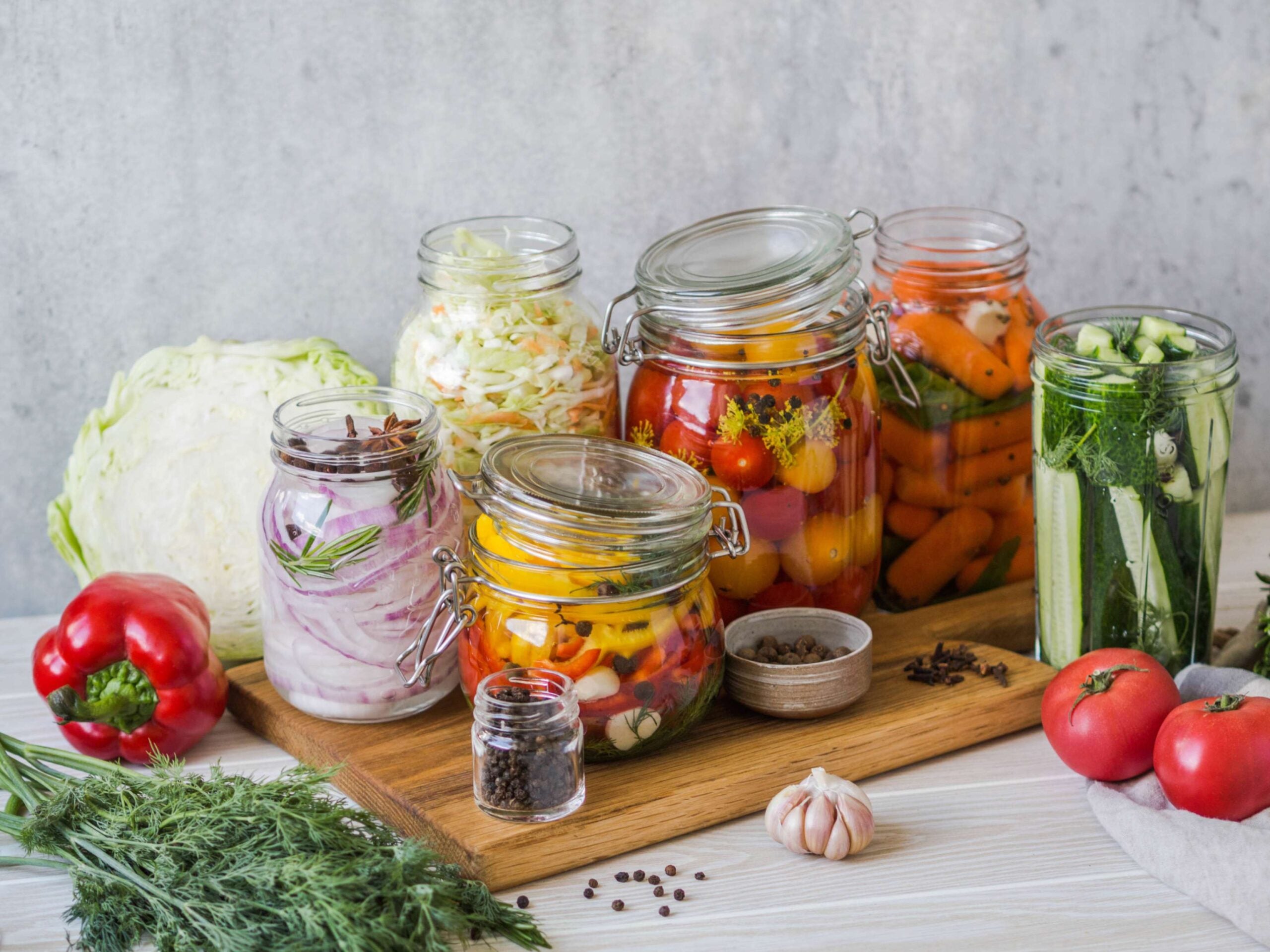
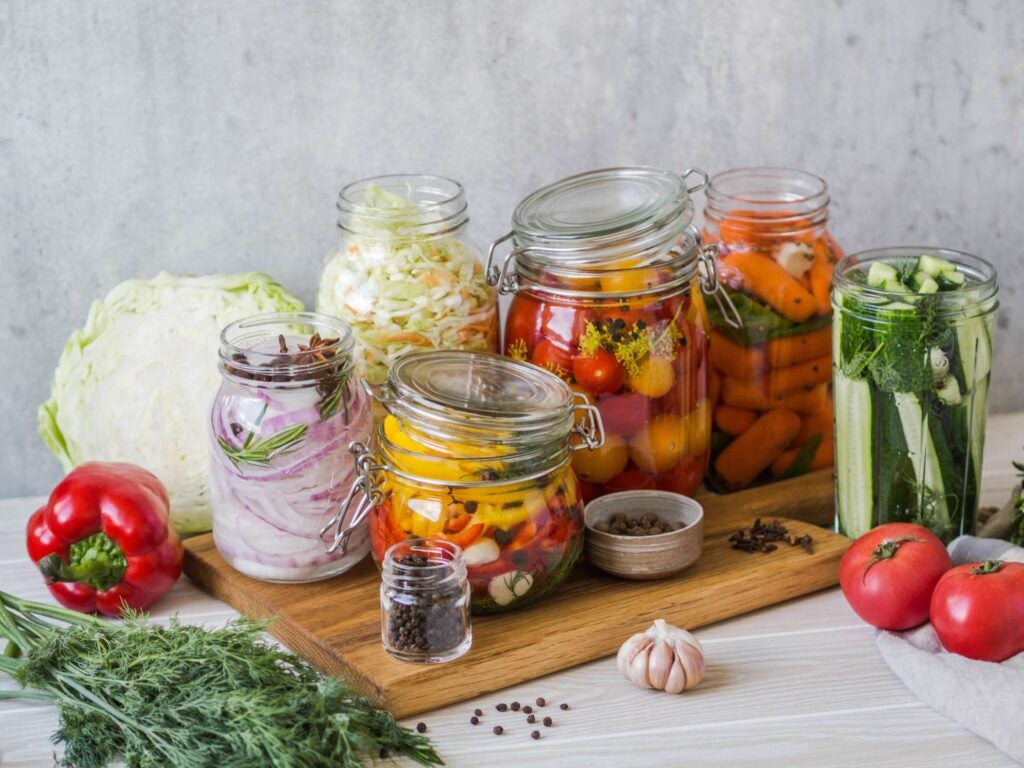
High consumption of salt-preserved and pickled foods can increase your risk of gastric cancer.

What the science tells us

Salt-preserved food includes pickled vegetables, salted fish, and cured meat. Research suggests a correlation between salt-preserved foods and cancer risk, particularly in East Asian countries where consumption tends to be high. Diets high in salt may aggravate the effects of Helicobacter pylori (H. pylori), a key contributor to gastric cancer, and contaminants from pickling or fermentation may also play a role in cancer development.

Epidemiological Evidence

A meta-analysis of observational studies found a 50% increased risk of gastric cancer in those who consume pickled food and vegetables compared to those who do not, with associations potentially stronger in Korea and China (Ren et al.). Additional ecological and experimental study findings suggest that frequent intake of pickled vegetables is associated with a higher risk of esophageal cancer (Zhuang et al.).

Laboratory Evidence/Supporting Evidence

Laboratory studies indicate that eating salt-preserved foods can damage the stomach lining and increase inflammation, which helps promote gastric cancer. In animal models, diets high in salt make infections with cancer-linked bacteria like H. pylori worse, leading to higher rates of stomach tumors (WCRF).

Evidence also suggests that contamination from yeasts and fungi can produce gastric carcinogens, including mycotoxins or N-Nitroso compounds, during fermentation (Ren et al.). More research is needed to fully understand these mechanisms and how they may link pickled food to cancer.

How to reduce your risk

  • Limit consumption of salt-preserved foods, including pickled vegetables, salted fish, and cured meats.
  • Choose fresh or frozen vegetables whenever possible.
  • Eat a diet rich in fruits, vegetables, and whole grains, which may help protect the stomach lining.

Bottom line

High consumption of pickled foods is associated with an increased risk of gastric and esophageal cancers. This risk is supported by both epidemiologic studies and laboratory evidence showing how salt-preserved foods can promote cancer development. However, your overall diet and how often you eat these foods matter. Occasional consumption as part of a varied, balanced diet is unlikely to pose a major risk for most people.

What you may have heard

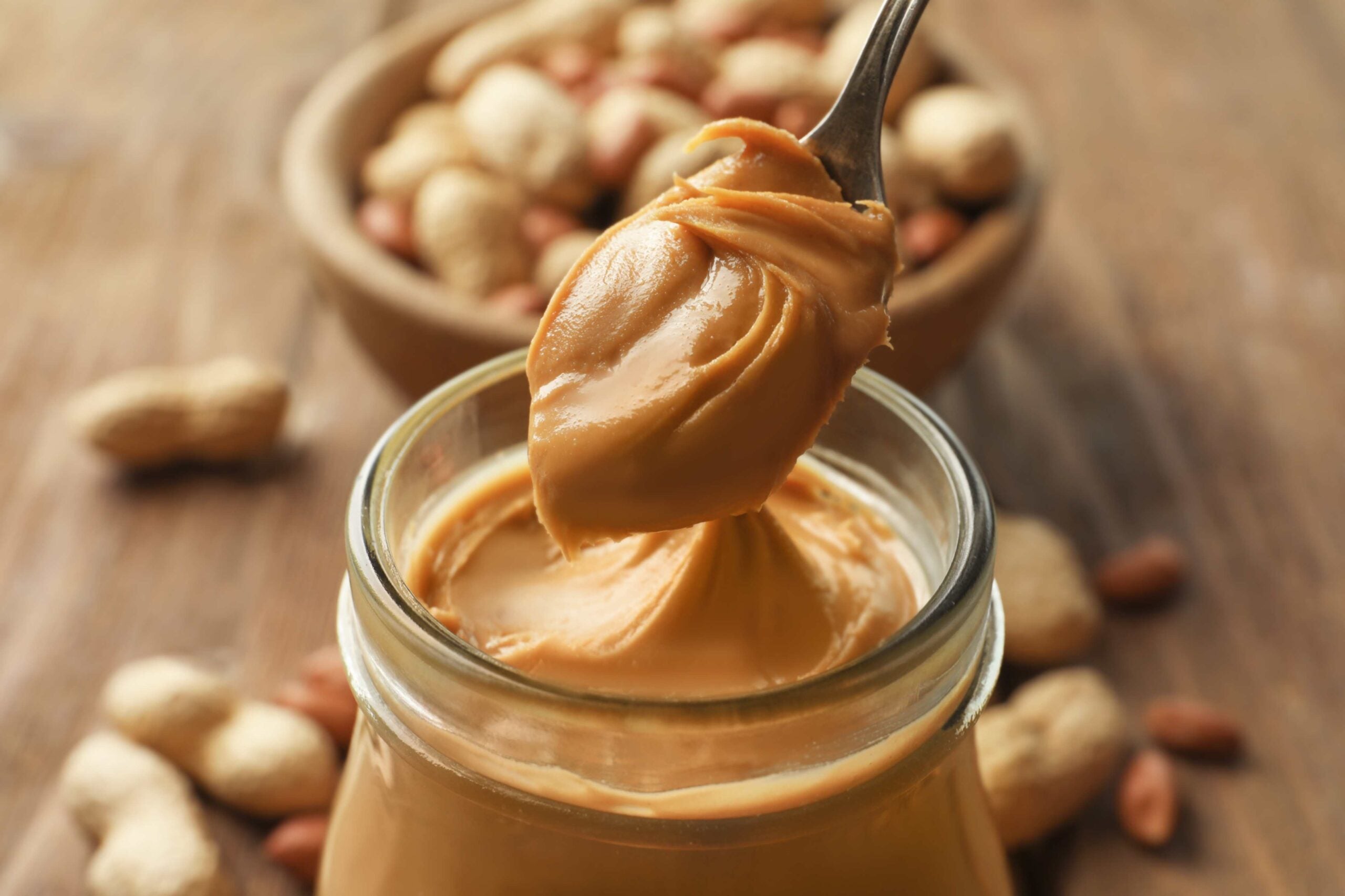
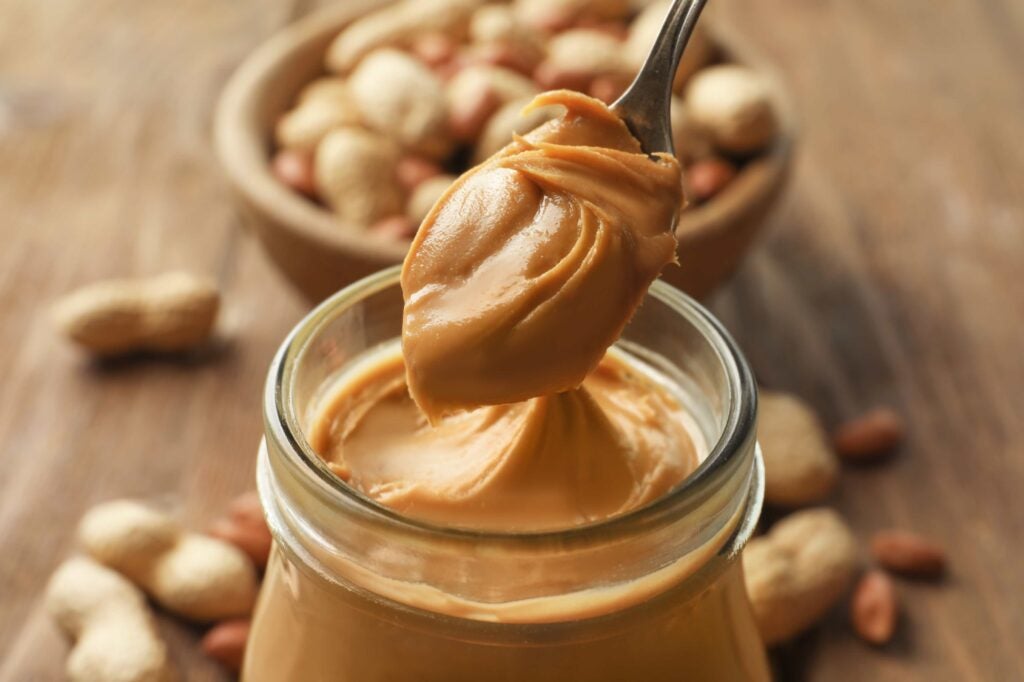
Peanut butter consumption can increase your risk of cancer due to potential aflatoxin contamination.

What the science tells us

Aflatoxins are a family of carcinogenic compounds produced by mold and can be found on various crops, including peanuts, tree nuts, and corn. If contaminated peanuts are used in production, aflatoxins may be present in peanut butter products.

In many countries, food safety systems include regular monitoring and strict limits on aflatoxin levels in consumer products like peanut butter. In the United States, the FDA routinely tests peanut butter to ensure aflatoxin levels stay within safe thresholds. Because of these protections, the risk of significant aflatoxin exposure is low, and there is no evidence of increased cancer risk from peanut butter consumption.

However, aflatoxins are more common in regions with warm, humid climates and limited food safety infrastructure, such as sub-Saharan Africa, Southeast Asia, and parts of China. In these areas, peanut butter may pose a higher risk of aflatoxin exposure, so it is important for consumers to be aware of possible health risks.

Epidemiological Evidence

In countries with established food safety systems, such as the U.S., the U.K., Canada, Japan, and countries in the European Union, studies consistently show no link between peanut butter consumption and cancer. For instance, the Netherlands Cohort Study followed over 120,000 adults aged 55 to 69 for approximately 20 years and found no association between peanut butter consumption and cancer risk (Nieuwenhuis & van den Brandt). The cohort study also reported no relationship between peanut butter and overall mortality (van den Brandt & Schouten).

A three-year analysis in Zambia, sub-Saharan Africa, however, found high levels of aflatoxins in peanut butter products from the region (Njoroge et al.). This raises concern, as chronic exposure to aflatoxins has been linked to an increased risk of liver cancer (NCI). More research and regular monitoring are needed to better understand the extent of aflatoxin contamination in these regions and how it may specifically impact cancer risk from peanut butter products.

How to reduce your risk

  • Purchase peanut butter from reputable brands that follow national or international safety standards.
  • Store peanut products in cool, dry places to prevent mold growth.
  • If you are in a region where aflatoxins are more common (sub-Saharan Africa, Southeast Asia, parts of China), look for peanut butter products that are tested, certified, or imported from countries with reliable food safety systems.

Bottom line

There is no consistent evidence that peanut butter causes cancer when it is produced under strong food safety regulations. If you live in a region of the world where food regulation is limited, choosing peanut products that are certified or tested can help reduce your risk. Peanut butter remains a nutritious food in most contexts, and for many people, its benefits outweigh potential concerns.

What you may have heard

Adhering to a vegetarian diet can reduce your risk of developing cancer.

What the science tells us

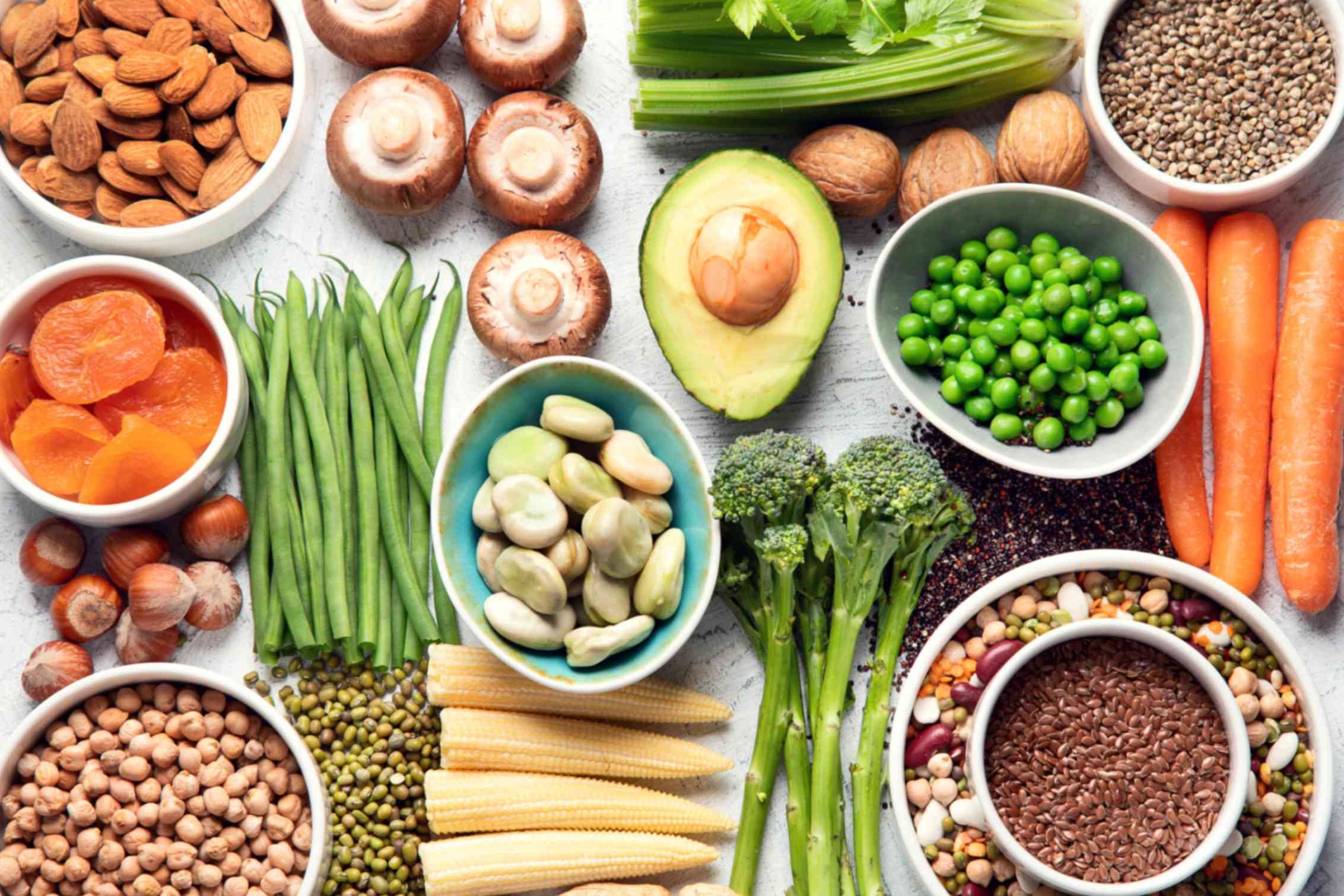
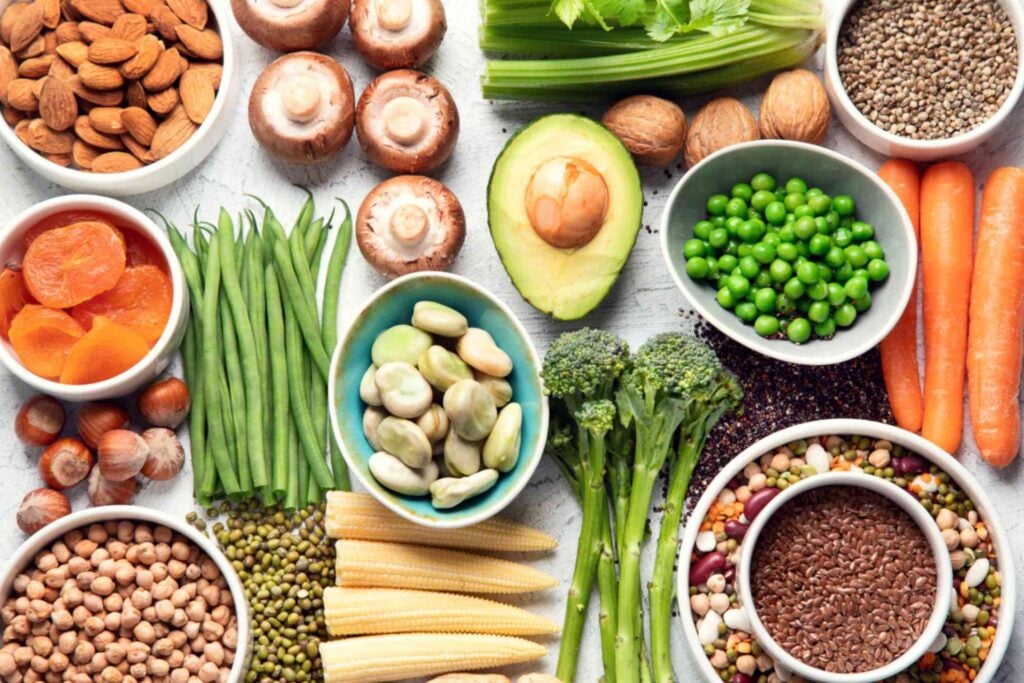
Plant-based foods are rich in vitamins, minerals, and antioxidants that support overall health. They contain phytochemicals, naturally occurring compounds found in fruits, vegetables, beans, nuts, grains, and seeds, that may help decrease cancer risk by supporting immune function and slowing the growth of cancer cells. The high fiber content and low caloric density in plant-based diets aid in healthy weight management, a known protective factor against cancer. However, the benefits of vegetarian diets depend on the type and quality of food included.

Epidemiological Evidence:

Several observational studies suggest that plant-based diets are associated with a 10-14% lower risk of developing cancer (Lanou & Svenson). Data from Oxford Population Health shows a 14% decreased risk among vegetarians and 10% among pescatarians compared to meat eaters.

Emerging evidence from large cohort studies indicates that vegetarian diets may reduce the risk of postmenopausal breast, colorectal, and prostate cancers (Watling et al.). However, the strength of these associations varies across studies, and more research is needed to determine whether plant-based diets directly reduce the risk of these specific cancers.

Laboratory Evidence/Supporting Evidence:

Laboratory studies confirm that components of plant-based diets, such as phytochemicals and dietary fiber, can inhibit tumor growth and slow cancer progression in animal models, aiding in both cancer prevention and treatment (Rudzińska et al).

How to reduce your risk

  • Reduce or eliminate red and processed meat intake.
  • Add color to your diet, incorporating a variety of fruits and vegetables.
  • Increase fiber intake with whole grains, beans, vegetables, and fruits.
  • Ensure adequate protein intake through plant-based sources like beans, lentils, tofu, nuts, and seeds.
  • Limit processed foods, choosing whole foods whenever possible.

Bottom line

Vegetarian diets may help protect against cancer. However, not all plant-based diets are equally beneficial; for instance, diets high in refined grains, added sugars, or processed foods will not provide the same advantages as those that emphasize whole, minimally processed foods. Following the general principles outlined above can help maximize the potential protective effects of a vegetarian diet and reduce overall cancer risk. Additional research is needed to understand how plant-based diets influence the risk of specific cancer types.

For more information on plant-based diets and cancer risk, watch this video from the Dana-Farber Cancer Insitute and follow the links below.

What you may have heard

Frequent yogurt consumption may decrease your risk of colorectal cancer.

What the science tells us

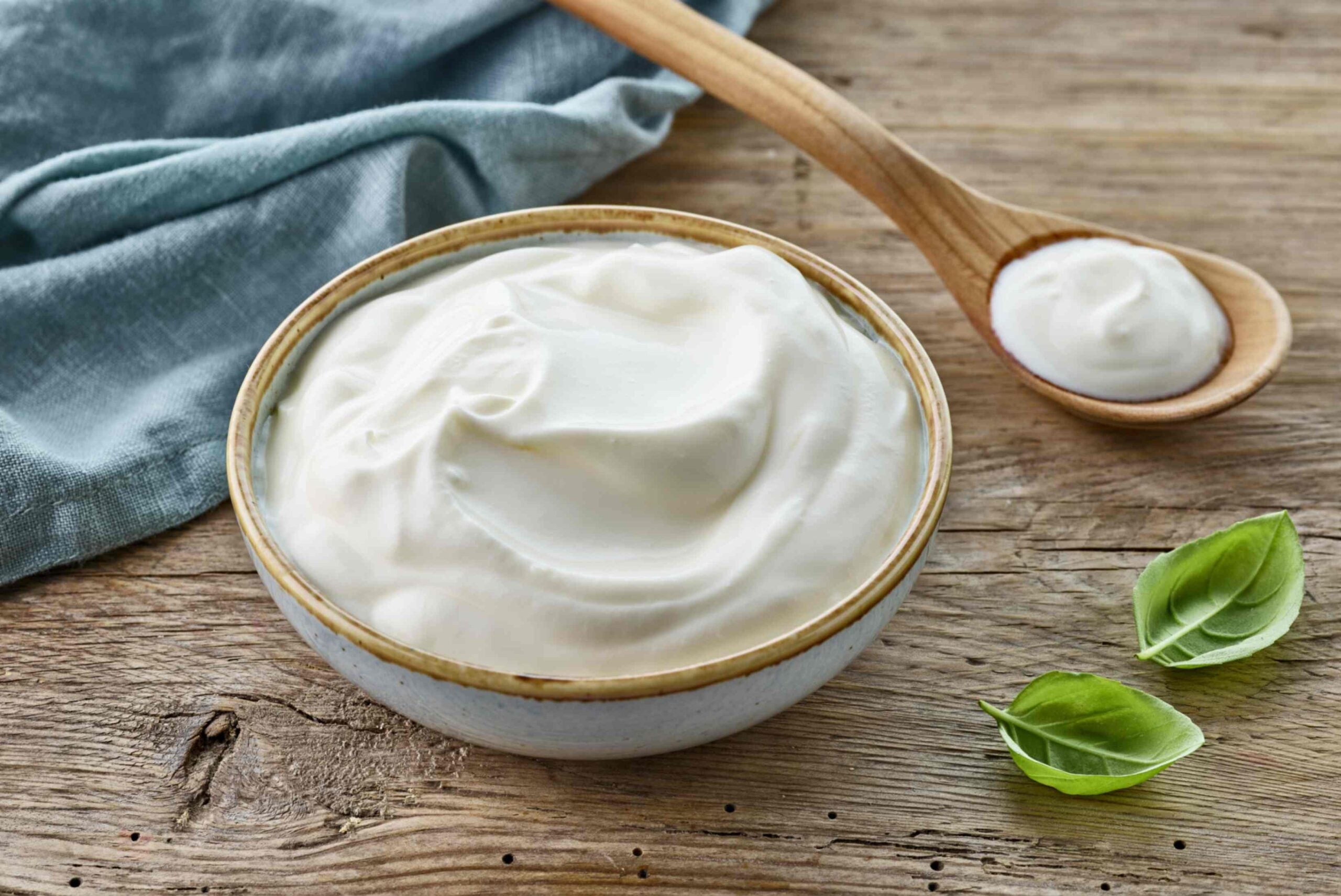
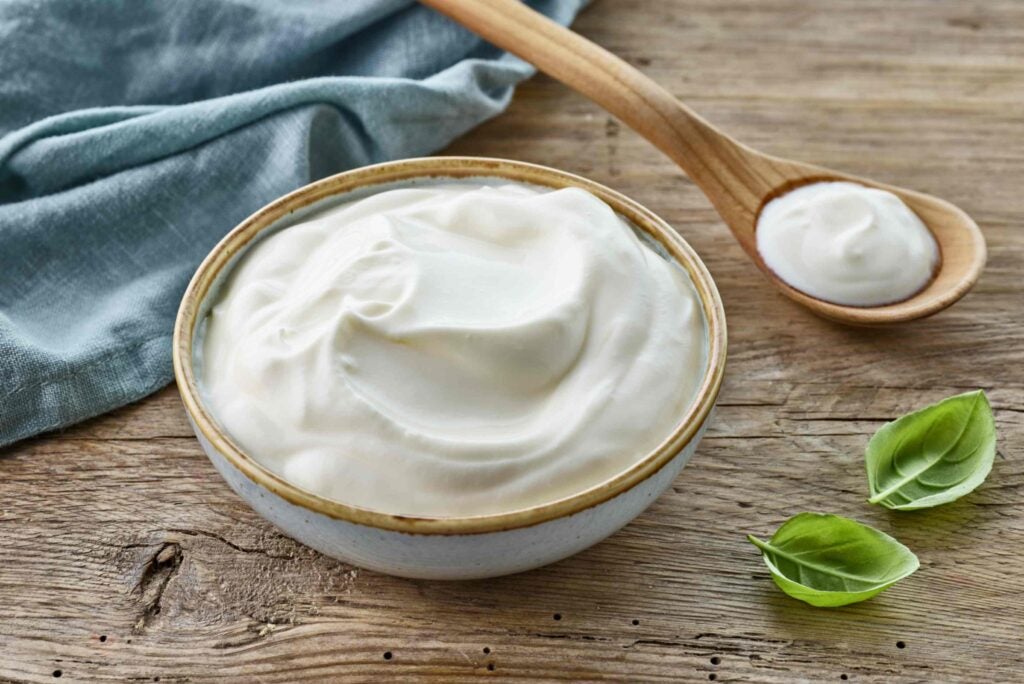
Yogurt contains beneficial bacteria that support a healthy gut microbiome, which, according to the National Cancer Institute (NCI), may help slow cancer development and improve response to cancer therapies. Recent studies suggest that long-term yogurt consumption may enhance gut health and lower colorectal cancer risk.

Epidemiological Evidence

Researchers from Mass General Brigham analyzed data from over 150,000 individuals followed for decades and found that those who ate yogurt at least twice a week had a lower risk of developing certain types of colorectal cancer (Ugai et al.). The protective effect was strongest in proximal (right-sided) colorectal cancers where Bifidobacterium, a beneficial bacterium commonly found in yogurt, was present. These findings suggest that Bifidobacterium may help suppress tumor growth, explaining some of the observed benefits of regular yogurt intake.

Similar findings linking frequent yogurt consumption to lower colorectal cancer risk were observed by the European Prospective Investigation into Cancer and Nutrition and in a meta-analysis of observational studies conducted by Sun et al. While these results are encouraging, researchers recommend additional cohort studies to further clarify this relationship.

Laboratory Evidence/Supporting Evidence

Although the exact mechanisms are still being studied, yogurt’s potential protective effects are thought to stem from probiotics and their influence on the gut microbiome. Bifidobacterium and other probiotics help maintain a balanced gut by strengthening the intestinal lining and reducing inflammation, which are key factors in lowering colorectal cancer risk.

Additionally, probiotics produce short-chain fatty acids such as butyrate, which have been shown to inhibit tumor growth. They also work to stimulate the immune system, helping it detect and destroy abnormal cells before they develop into cancer.

How to reduce your risk

While no single food prevents cancer, certain lifestyle choices can help support gut health and lower your risk of colorectal cancer:

  • Consider including yogurt with live and active cultures in your diet. Choose plain or low-sugar varieties for maximum benefit.
  • Eat more fiber-rich foods. Fruits, vegetables, whole grains, legumes, and nuts promote gut health and help regulate digestion.

Bottom line

Frequent yogurt consumption may contribute to a lower risk of colorectal cancer by supporting a healthy gut microbiome. While research is still ongoing, including probiotic-rich foods like yogurt as part of a balanced, high-fiber diet may offer protective benefits. No single food prevents cancer, but healthy eating patterns combined with regular physical activity and screening can lower your risk.

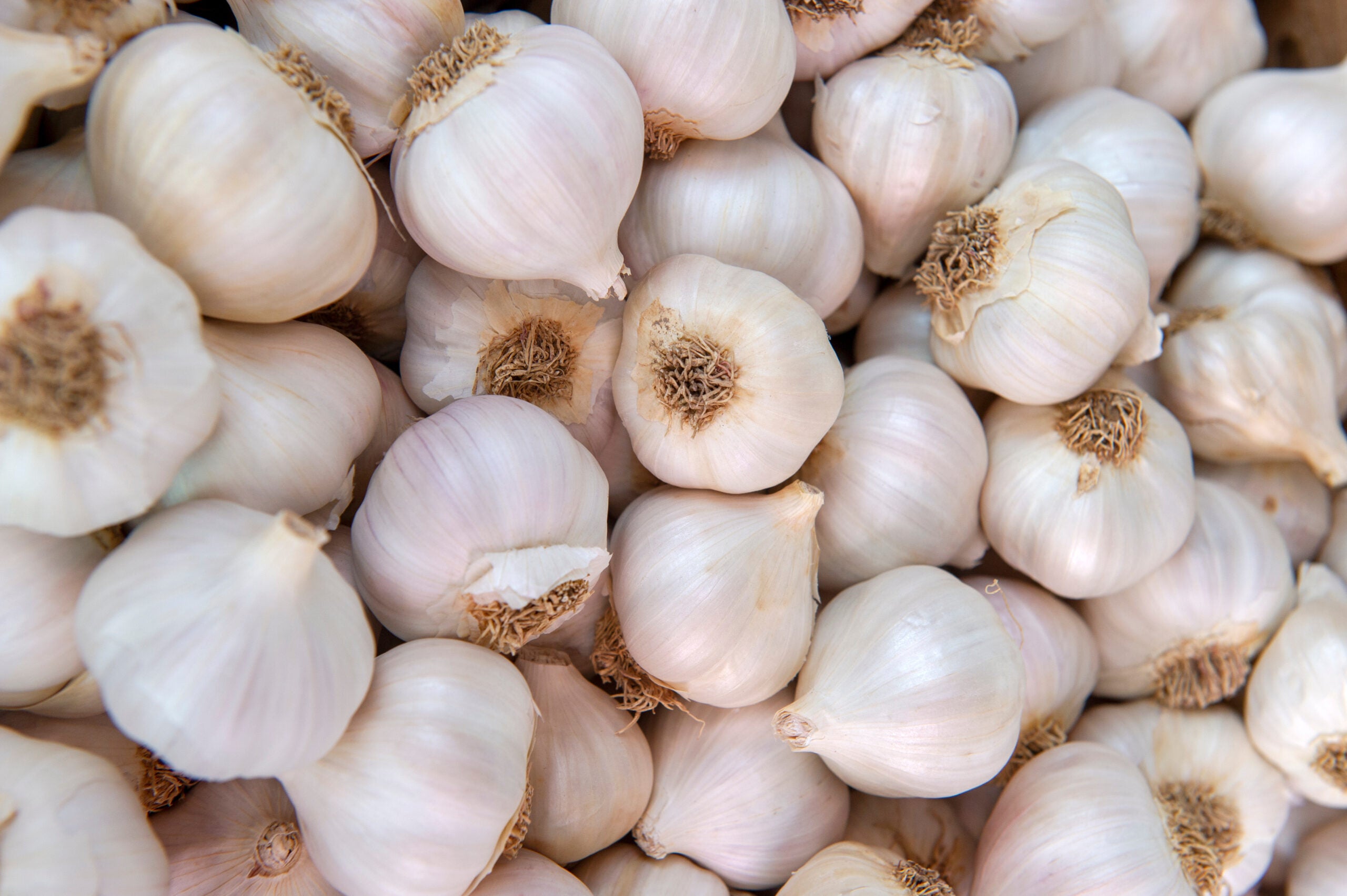
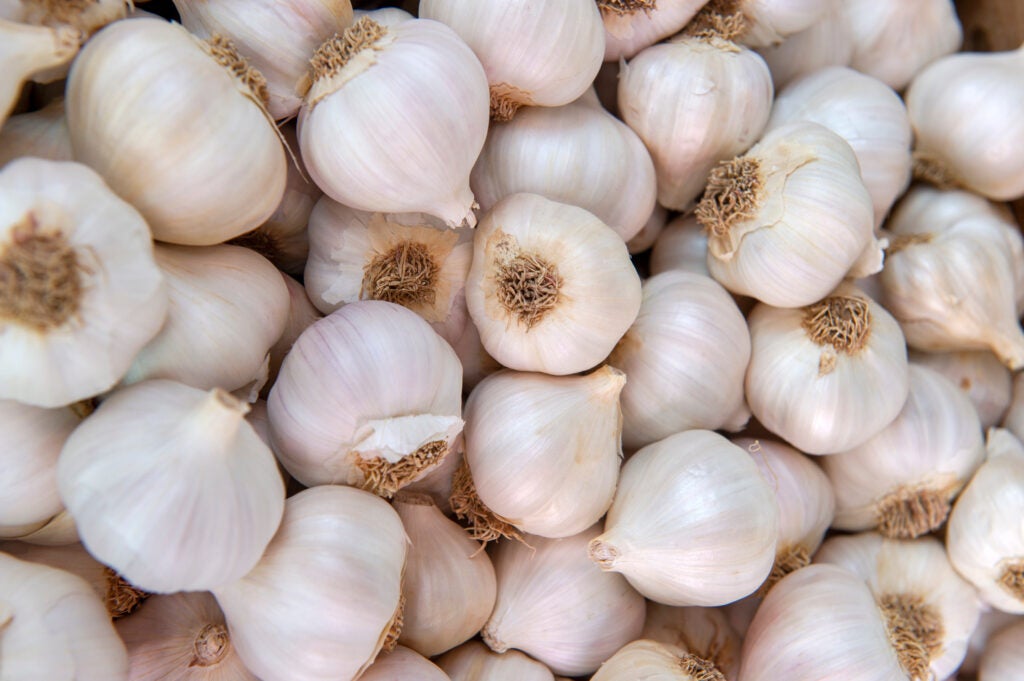
What you may have heard

Eating garlic can lower your risk of developing gastrointestinal cancers.

What the science tells us

Garlic contains naturally occurring allium compounds that may slow cancer development by supporting healthy cell function and affecting processes involved in tumor growth. Laboratory research suggests that garlic may reduce the risk of certain gastrointestinal cancers. However, current evidence in humans is limited and inconclusive.

Epidemiological Evidence

Human studies provide little evidence of garlic’s anticancer properties. Although some case-control studies suggest a protective association with colorectal and gastric cancers (Zhou et al.), this study design is not the most reliable for evaluating dietary exposures. Many of these studies also contain small sample sizes, which further limits their strength.

A 2021 systematic review found no association between garlic intake and cancer risk in larger cohort studies (Lee et al.). Additional cohort studies and clinical trials are needed to clarify garlic’s potential cancer-preventive role in humans.

Laboratory Evidence/Supporting Evidence

Allicin, an allium compound in garlic, is produced when garlic is crushed or damaged. Allicin forms several other compounds, which animal studies suggest may reduce the risk of various cancers by activating tumor-suppressing genes. According to the American Institute for Cancer Research (AICR), these compounds may reduce inflammation, support DNA repair, and promote the self-destruction of cancer cells.

How to reduce your risk

No single food can prevent cancer. To best decrease your risk, maintain a healthy lifestyle through eating well, exercising regularly, and avoiding alcohol and smoking.

Bottom line

While animal studies suggest garlic may offer some protection against cancers of the gastrointestinal tract, there is currently no strong evidence from human studies to confirm this. More high-quality, epidemiological research is needed to understand garlic’s role in cancer prevention.

Fact Finder Tool

Discover insights, research, and information to help you navigate cancer-related topics with confidence.

959 posts available
6 categories

CLAIM: Potassium bromate is linked to cancer

What you may have heard Potassium bromate is used in baking and is linked to cancer. What science tells us Potassium bromate is a flour improver used in baking to strengthen dough, increase bread volume, and produce a fine crumb structure. It is commonly found in white flour, bread, and rolls. Potassium bromate has been…

Read More →

CLAIM: Dairy increases your risk of cancer

What you may have heard High consumption of dairy products may cause cancer. What the science tells us Epidemiological Evidence Evidence on the relationship between dairy products and cancer risk is mixed and varies by type of cancer. Dairy consumption is associated with a lower risk of colorectal cancer (WCRF), while some prospective cohort studies…

Read More →

CLAIM: Brown rice causes cancer

What you may have heard Consuming brown rice may increase your risk of cancer due to arsenic exposure. This concern contrasts with the common belief that brown rice has many nutritional benefits, including high fiber and nutrient content. What the science tells us Arsenic accumulates in the outer layers of the rice grain, which makes…

Read More →

CLAIM: Salt-preserved foods increase your risk of cancer

What you may have heard High consumption of salt-preserved and pickled foods can increase your risk of gastric cancer. What the science tells us Salt-preserved food includes pickled vegetables, salted fish, and cured meat. Research suggests a correlation between salt-preserved foods and cancer risk, particularly in East Asian countries where consumption tends to be high.…

Read More →

CLAIM: Eating peanut butter causes cancer

What you may have heard Peanut butter consumption can increase your risk of cancer due to potential aflatoxin contamination. What the science tells us Aflatoxins are a family of carcinogenic compounds produced by mold and can be found on various crops, including peanuts, tree nuts, and corn. If contaminated peanuts are used in production, aflatoxins…

Read More →

CLAIM: Vegetarian diets protect against cancer

What you may have heard Adhering to a vegetarian diet can reduce your risk of developing cancer. What the science tells us Plant-based foods are rich in vitamins, minerals, and antioxidants that support overall health. They contain phytochemicals, naturally occurring compounds found in fruits, vegetables, beans, nuts, grains, and seeds, that may help decrease cancer…

Read More →

CLAIM: Yogurt decreases your risk of cancer

What you may have heard Frequent yogurt consumption may decrease your risk of colorectal cancer. What the science tells us Yogurt contains beneficial bacteria that support a healthy gut microbiome, which, according to the National Cancer Institute (NCI), may help slow cancer development and improve response to cancer therapies. Recent studies suggest that long-term yogurt…

Read More →

CLAIM: Garlic decreases your risk of cancer

What you may have heard Eating garlic can lower your risk of developing gastrointestinal cancers. What the science tells us Garlic contains naturally occurring allium compounds that may slow cancer development by supporting healthy cell function and affecting processes involved in tumor growth. Laboratory research suggests that garlic may reduce the risk of certain gastrointestinal…

Read More →