What you may have heard
You may have heard that acrylamide (an ingredient in some foods) increases cancer risk.
What science tells us
Acrylamide is a chemical that is used in industrial processes, such as the production of paper, dyes, and plastics, and consumer products, such as food packaging and adhesives. Acrylamide is also found in foods such as french fries, potato chips, crackers, bread, cookies, and black olives. A major acrylamide exposure source is tobacco smoke. People who smoke have 3-5 times the levels of acrylamide exposure in their blood than non-smokers (NCI).
The International Agency for Research on Cancer (IARC) classifies acrylamide as a probable human carcinogen and the US Environmental Protection Agency (EPA) classifies acrylamide as likely to be carcinogenic to humans (NCI).
Epidemiological Evidence
The claim that acrylamide is likely to be carcinogenic to humans is largely based on animal studies and more research is needed to say conclusively that acrylamide is linked to increased risk of cancer in humans.
Laboratory Evidence/Supporting Evidence
High levels of exposure to acrylamide can interfere with DNA repair. The binding of sulfhydryl groups can inactivate proteins involved in DNA repair, which can cause mutations to occur. Laboratory evidence for acrylamide as a cancer-causing agent needs to be further evaluated (Exon). Some animal studies have shown that exposure to high levels of acrylamide can cause cancer (FDA).
IARC Carcinogen Classification:
Group 2A (Probably carcinogenic to humans)
How to reduce your risk
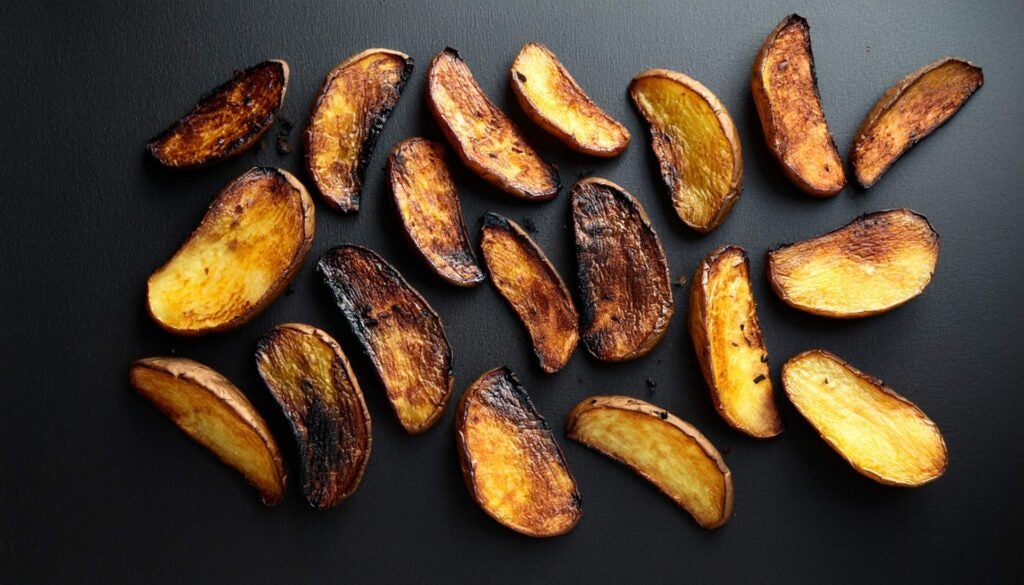
For the vast majority of people, the major source of acrylamide they will encounter is from cigarette smoke. Avoiding cigarette smoke can lower your exposure to acrylamide and other harmful chemicals (NCI). In food, acrylamide level varies dramatically depending on cooking time, manufacturer, method, and temperature of the cooking process. Decreasing cooking time, avoiding heavy crisping or browning, blanching potatoes before frying, not storing potatoes in a refrigerator, and post-drying (drying potatoes in a hot-air oven after frying) may decrease acrylamide levels of some foods (FDA).
It is still unclear that levels of acrylamide in foods raise cancer risk, but there are precautions you can take to decrease your acrylamide exposure (ACS):
- limit foods that may be high in acrylamide: french fries, potato chips, cookies, and toast;
- limit frying and roasting (boiling and steaming do not produce acrylamide);
- soak raw potato slices in water for 15-30 minutes before frying or roasting;
- cook potatoes and bread to a lighter color; and
- avoid storing potatoes in the refrigerator
Bottom line
More research is needed to confirm whether acrylamide causes cancer in humans.