What you may have heard
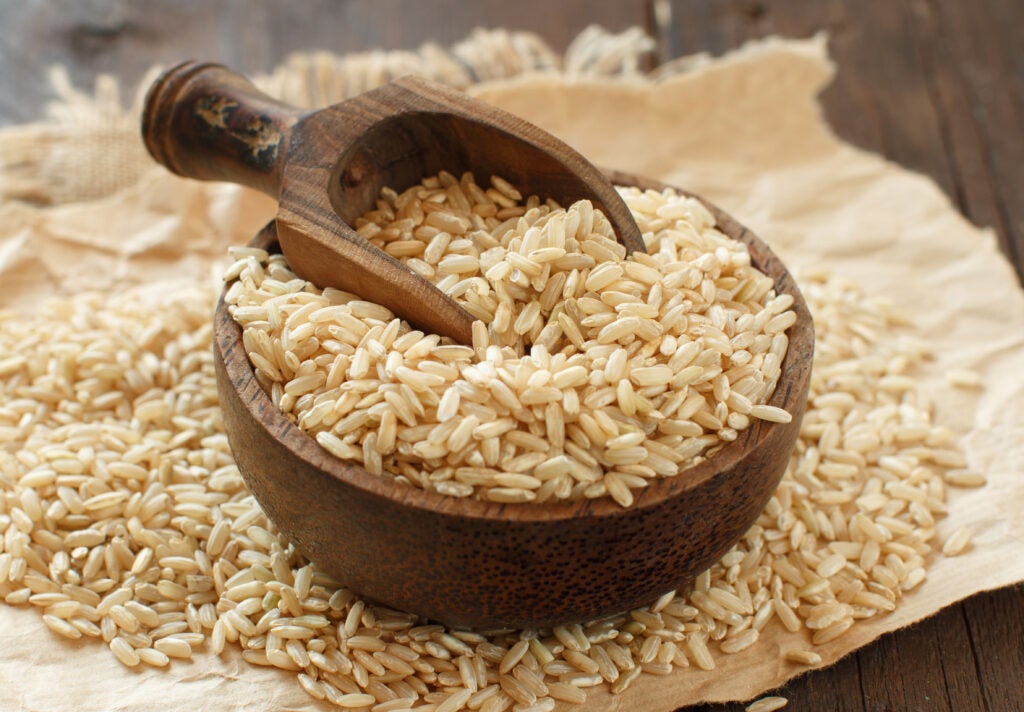
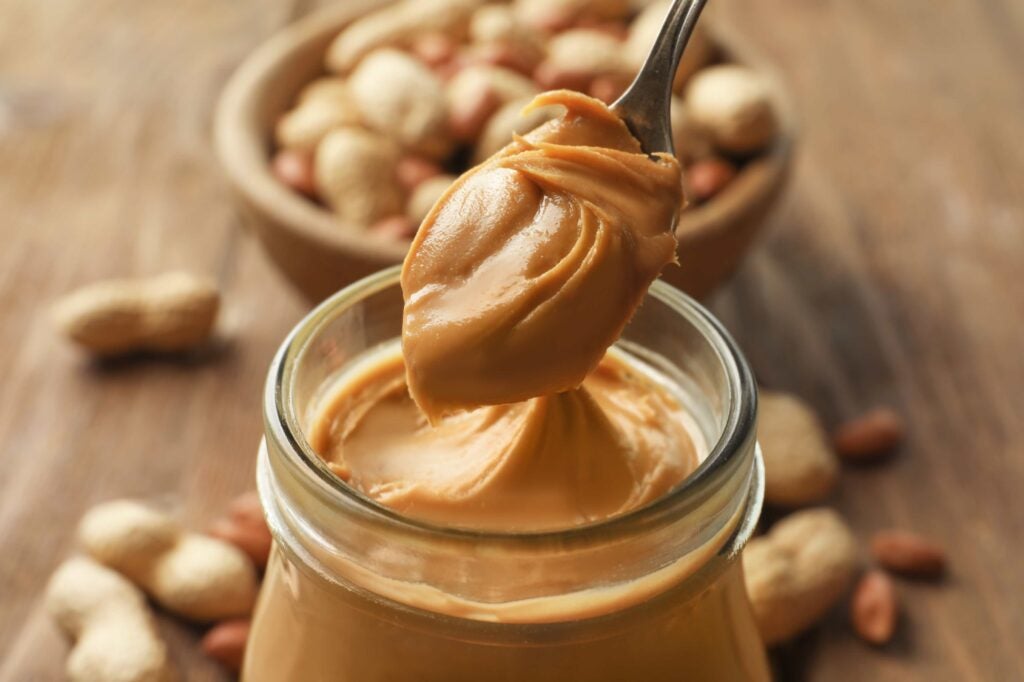
You might have heard that eating moldy grains or nuts can increase your cancer risk. This concern is often linked to something called aflatoxins, toxic substances produced by certain types of mold, especially in warm and humid regions.
What science tells us
Aflatoxins are naturally occurring toxins made by Aspergillus flavus and Aspergillus parasiticus, fungi that grow on improperly stored food such as maize, peanuts, and tree nuts. Aflatoxin B1, the most toxic form, is one of the most potent liver carcinogens known. Risk is highest in countries with limited food safety controls, but low-level contamination can also occur globally.
Epidemiological Evidence
- A 2020 review of epidemiological studies found strong evidence linking aflatoxin exposure to liver cancer, particularly in people with hepatitis B infection. Most data come from high-risk populations in sub-Saharan Africa and South Asia, where exposure is common due to poor food storage and limited regulation (PMID: 32231900).
- A 2012 meta-analysis of 17 studies estimated that aflatoxin exposure accounts for 17–23% of liver cancer cases in high-exposure regions, with higher risk among people with hepatitis B infection. The combined effect of aflatoxin and HBV showed a 73-fold increased risk of liver cancer (PMID: PMC3374897)
Laboratory Evidence / Supporting Evidence
Aflatoxins can damage DNA, including a key gene called TP53 that helps control cell growth. This type of DNA damage is often seen in liver cancers linked to aflatoxin. Animal studies repeatedly show liver tumors after exposure, and aflatoxin B1 is often used in research to understand how chemicals can lead to cancer.
IARC Carcinogen Classification:
Aflatoxin B1: Group 1 – Carcinogenic to humans
How to reduce your risk
- Avoid eating visibly moldy or bitter-tasting nuts and grains.
- Buy from sources that follow proper storage and food safety standards.
- Support policies and programs that promote aflatoxin screening and grain drying technologies, especially in high-risk regions.
- If you live in an area where hepatitis B is common, getting the HBV vaccine can lower the combined risk from hepatitis B and other liver cancer factors.
Bottom line
There is clear evidence that aflatoxins, especially aflatoxin B1, cause liver cancer in humans. Risk is especially high when combined with hepatitis B infection. Food safety measures can significantly reduce exposure.