What you may have heard
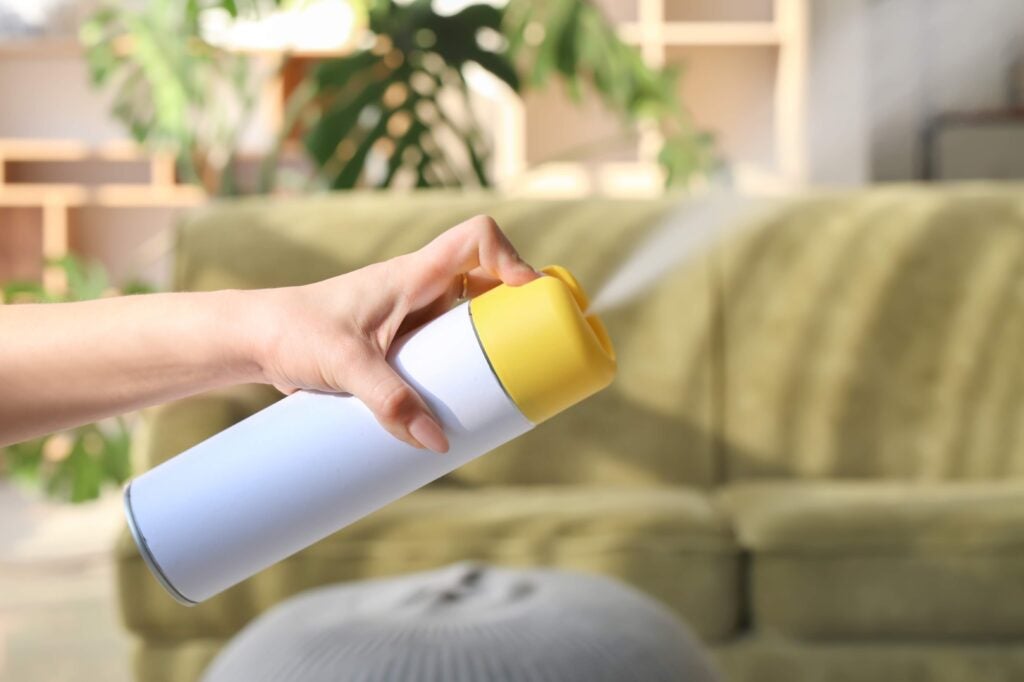
People say that using air fresheners at home can raise cancer risk. The concern is that these products release chemicals like VOCs, formaldehyde, and 1,4-dichlorobenzene (EPA).
What science tells us
Air fresheners and other fragranced products emit VOCs. Some VOCs found indoors, including formaldehyde and benzene, are classified by major agencies as human carcinogens. 1,4-dichlorobenzene is “reasonably anticipated to be a human carcinogen.” That said, air fresheners as a category are not classified by IARC, and indoor levels vary widely by product and ventilation (EPA).
Epidemiological Evidence
- U.S. population–based case–control study (Cape Cod) reported higher breast cancer odds among women in the top category of cleaning product and air freshener use. However, authors note possible recall bias (PubMed).
- Children’s Oncology Group case–control study linked maternal use of household chemicals during pregnancy with infant leukemia. While not specific to air fresheners, categories included deodorizing/cleaning agents (PubMed).
- Some studies that look at populations or measure indoor exposures have reported possible links between formaldehyde in homes and leukemia, but research in the general population is still limited and the findings do not line up. (PubMed).
Laboratory Evidence / Supporting
Product testing shows air fresheners and other fragranced goods emit dozens to hundreds of VOCs, including formaldehyde precursors and 1,4-dichlorobenzene (PubMed).
IARC Carcinogen Classification: No IARC classification for air fresheners as a product class, but:
- Formaldehyde: Group 1 (carcinogenic to humans)
- Benzene: Group 1 (carcinogenic to humans)
How to reduce your risk
- Choose fragrance-free products when possible, improve ventilation, and limit use to brief periods.
- Avoid products with 1,4-dichlorobenzene; check labels for “paradichlorobenzene,” “p-DCB,” or “deodorizer.”
- Try options that do not involve burning anything, such as opening windows, using HEPA filters with activated carbon, or reducing the source of the smell.
Bottom line
Some studies link heavy use of air fresheners and similar household chemicals with higher cancer risk, but the evidence is limited and not specific enough to confirm a causal link. The safer approach is to minimize fragrance use, ventilate well, and choose fragrance-free products.