What you may have heard
Breathing polluted air raises the chances of getting cancers like lung cancer and breast cancer.
What the science tells us
Epidemiological Evidence:
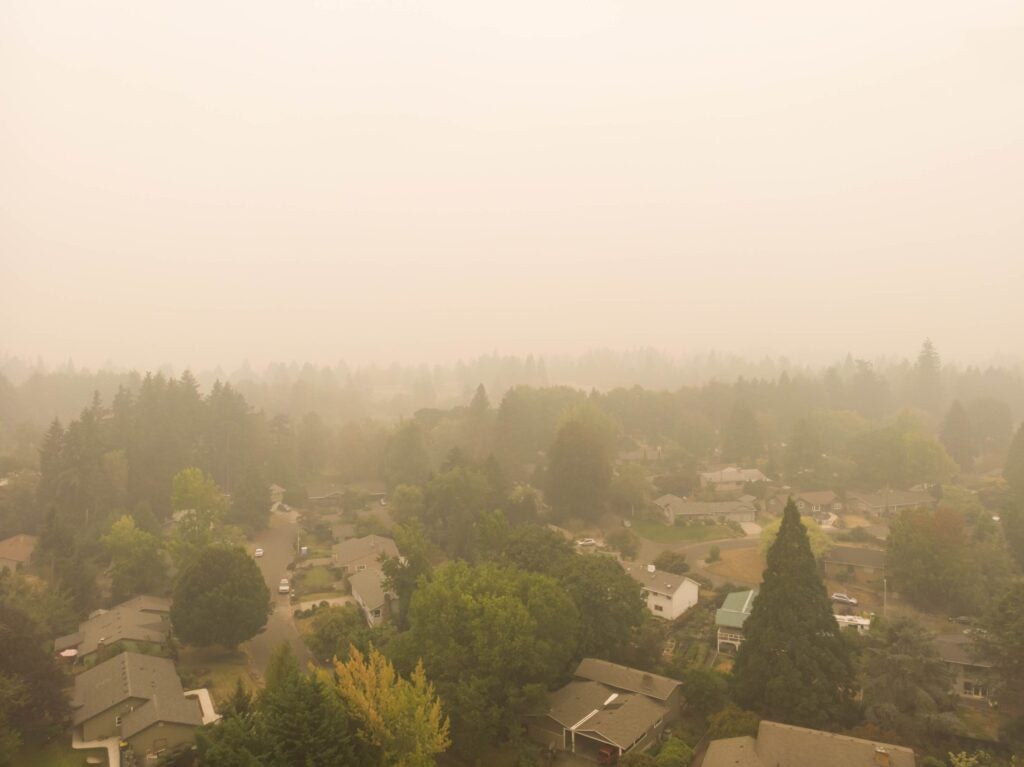
Research has shown that long-term exposure to fine particulate matter (PM2.5) is linked to a higher risk of several cancers. A major study, the National Institutes of Health-AARP Diet and Health Study, found that higher levels of PM2.5 were connected to an 8% increase in breast cancer risk, especially for a type of breast cancer known as estrogen receptor-positive.
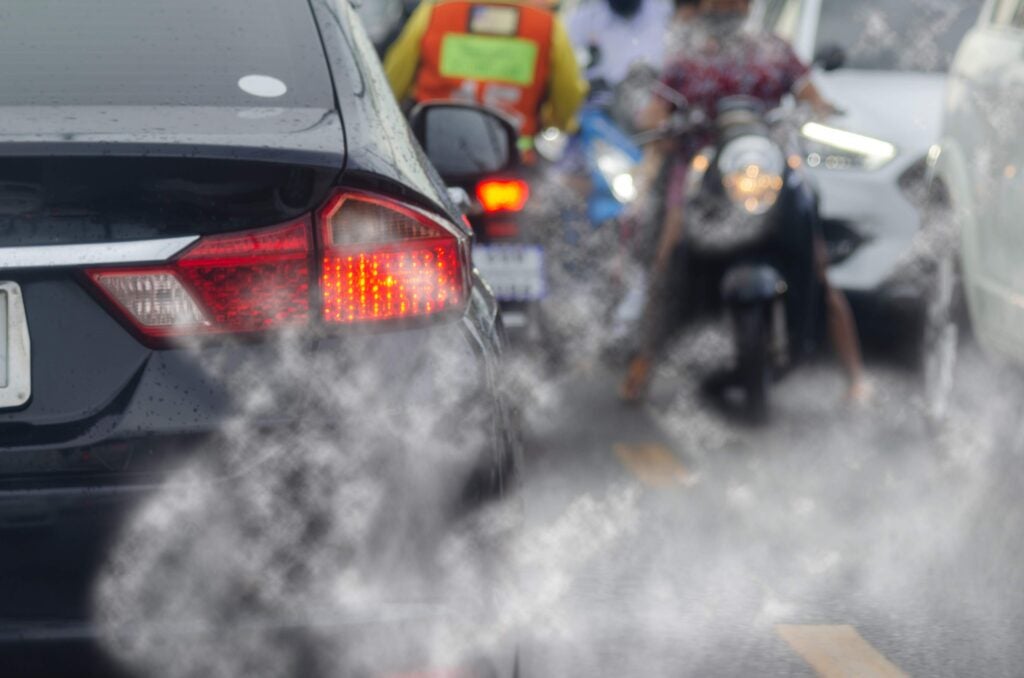
The study also indicates that long-term exposure to PM2.5 and nitrogen dioxide (NO2), a harmful reddish-brown gas produced by vehicle emissions and industrial processes, may increase the risk of other cancers, such as colorectal and prostate cancers, particularly in older adults.
Laboratory Evidence/Supporting Evidence:
Studies indicate that PM2.5 can carry harmful substances like chemicals and metals that can cause genetic damage and hormonal changes. These tiny particles can reach deep into the lungs, leading to inflammation and cell damage, which can result in cancer.
IARC Carcinogen Classification:
Group 1 carcinogens.
How to reduce your risk
- Try to avoid areas with high air pollution, especially during times of heavy traffic.
- Use air purifiers at home to reduce indoor air pollution.
- Advocate for policies and initiatives that aim to reduce air pollution.
- Maintain a healthy diet, exercise regularly, and avoid smoking to further lower your cancer risk.
Bottom line
There is strong evidence that air pollution, especially fine particulate matter, increases the risk of cancer. While it’s hard to avoid air pollution completely, you can take steps to reduce your exposure and support cleaner air initiatives to help lower your risk.
To learn more about how air pollution negatively affects your health, watch these short videos from the American Lung Association and the World Health Organization.