What you may have heard
Antioxidant supplements, such as vitamins A, C, and E, can help prevent cancer and other diseases.
What the science tells us
Antioxidants are substances, either synthetic or naturally occurring, that can help prevent or slow down certain types of cellular damage. They are present in a variety of foods, particularly fruits and vegetables, and can also be taken as dietary supplements. These supplements are often marketed as a way to boost your health by fighting off harmful free radicals (unstable molecules that are created during normal cell processes and can cause damage to cells) in the body.
The science on antioxidant supplements and cancer prevention is mixed and inconclusive. While antioxidants from food sources are beneficial and linked to various health benefits, high-dose antioxidant supplements do not have the same proven effects. In fact, some studies suggest that very high doses of certain antioxidant supplements might even increase the risk of some cancers. Antioxidant supplements have only single antioxidants, while food provides a complete mix of antioxidants, phytonutrients, vitamins, minerals, and fiber that work together for better health.
IARC Carcinogen Classification:
Not Classified
How to reduce your risk
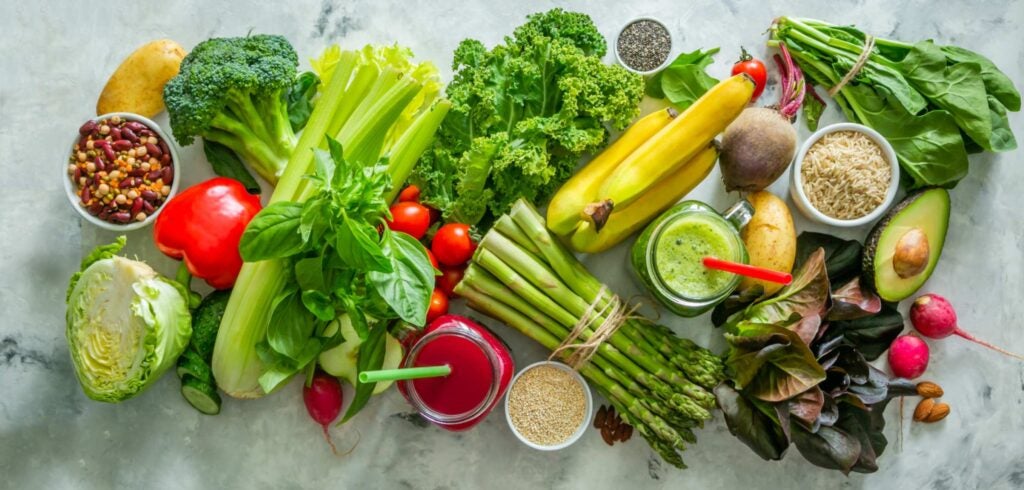
- Eat a Rainbow:
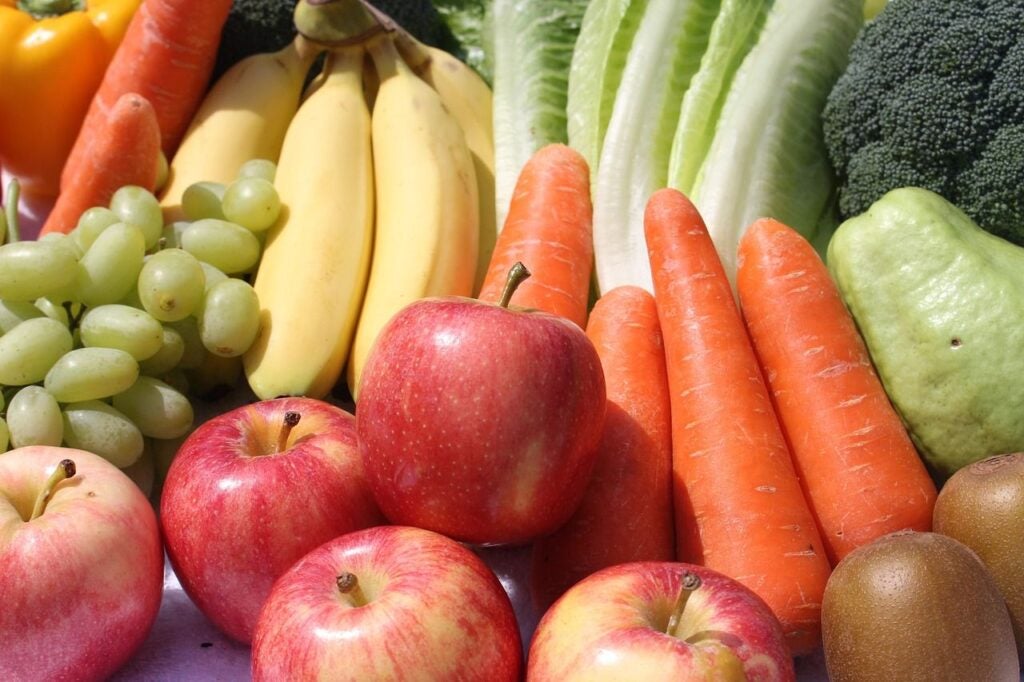
Aim to include a variety of colorful fruits and vegetables in your daily diet. Each color represents different types of antioxidants and nutrients:
- Red: Tomatoes, strawberries, red peppers, red kidney beans
- Orange: Carrots, sweet potatoes, oranges
- Yellow: Bell peppers, lemons
- Green: Spinach, broccoli, kale
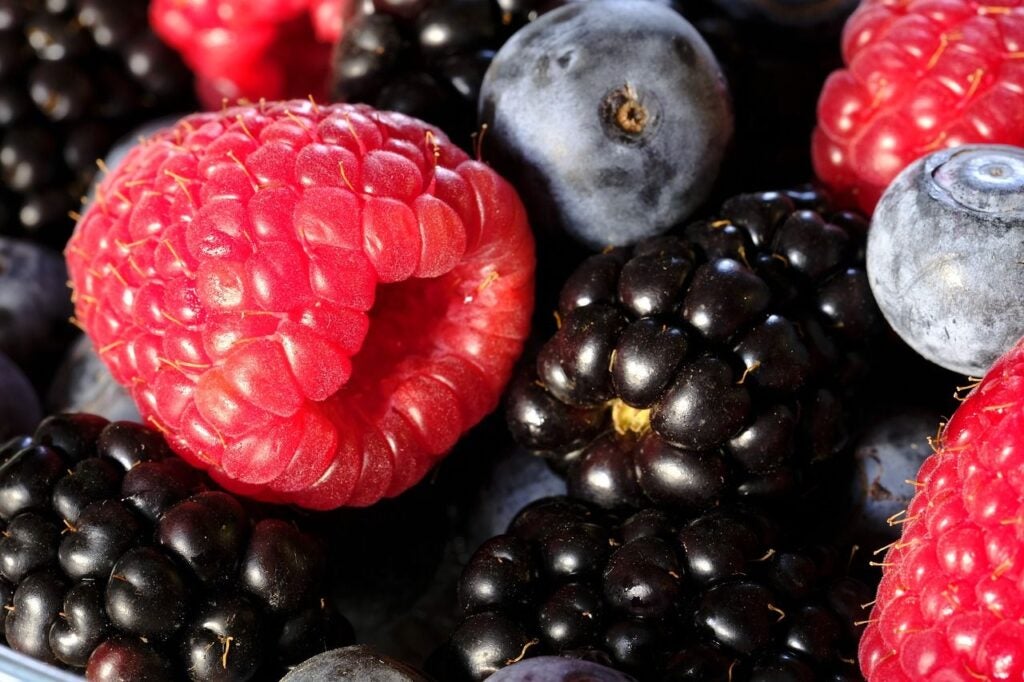
- Blue/Purple: Blueberries, grapes, eggplants
- Choose Whole Grains:
Replace refined grains with whole grains such as brown rice, quinoa, oats, and whole wheat products. Whole grains are rich in antioxidants and fiber.
- Snack on Nuts and Seeds:
Include a variety of nuts and seeds into your diet, such as almonds, walnuts, flaxseeds, and chia seeds. These are excellent sources of antioxidants, healthy fats, and other nutrients.
- Limit Processed Foods:
Reduce intake of processed foods, sugary snacks, and high-fat foods, as they can increase oxidative stress (damage to your cells caused by harmful molecules called free radicals) and cancel out the benefits of antioxidants.
Bottom line
It’s best to get your antioxidants from a variety of healthy foods, such as brightly colored fruits and vegetables, whole grains, nuts, seeds, and wheat germ. These foods not only provide antioxidants but also offer a host of other nutrients that work together to support your overall health. High-dose antioxidant supplements should not be relied upon for cancer prevention, and their use should be discussed with a healthcare provider.
To hear from a nutritionist on this subject, watch the video below.