What you may have heard
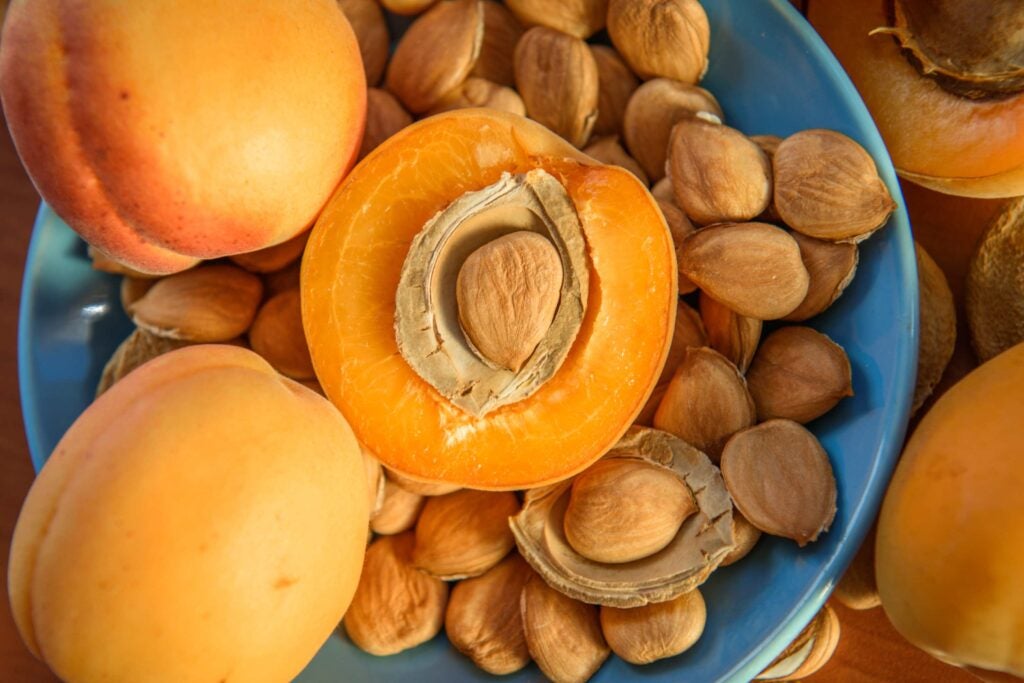
Apricot seeds cure cancer by targeting cancer cells and leaving normal cells unharmed.
What the science tells us
Apricot seeds contain amygdalin, a natural substance. Laetrile is a partly synthetic form of amygdalin. It is sometimes referred to as vitamin B17, though it is not actually a vitamin. Pharmaceutical companies produce Laetrile in the lab, and it is mistakenly called vitamin B17 by some.
When consumed, both amygdalin and Laetrile can release cyanide, a toxic substance that poses serious health risks. Amygdalin (Laetrile) has been linked to several cases of cyanide toxicity in cancer patients. Side effects can include inflammation and redness of the skin. High doses or prolonged use can lead to cyanide toxicity, resulting in symptoms such as nausea, vomiting, headaches, dizziness, mental confusion, bluish skin discoloration, inadequate oxygen supply to tissues, low blood pressure, drooping eyelids, nerve dysfunction, coma, and death.
Epidemiological Evidence
Studies show no reliable clinical data supporting the effectiveness of laetrile or amygdalin in treating cancer. Consistently, research has failed to demonstrate any significant anti-cancer effects from Amygdalin (Laetrile).
Laboratory Evidence/Supporting Evidence
While some lab studies suggest amygdalin might have anti-cancer properties, these findings have not been confirmed in human trials. The risk of cyanide poisoning from consuming Amygdalin (Laetrile) is a significant concern, making it unsafe as a treatment.
IARC Carcinogen Classification:
Not Classified
How to reduce your risk
Avoid using apricot seeds or products containing laetrile/amygdalin for cancer treatment. Laetrile is banned by the FDA in the United States due to its significant side effects and the absence of supporting evidence for its effectiveness. Similarly, its sale is prohibited in the UK and Europe, aligning with the global recognition of its dangers and lack of effectiveness.
Although Amygdalin (Laetrile) are not safe or effective for cancer treatment, apricots are nutritious, offering vitamins A and C, potassium, and dietary fiber. Many alternative cancer cure websites lack scientific credibility and can mislead patients, so it’s important to rely on treatments backed by solid scientific evidence.
Bottom line
The claim that apricot seeds can treat cancer is not supported by scientific evidence, and their consumption poses serious health risks, including cyanide poisoning. For effective cancer treatment, rely on evidence-based therapies and consult healthcare professionals.