What you may have heard
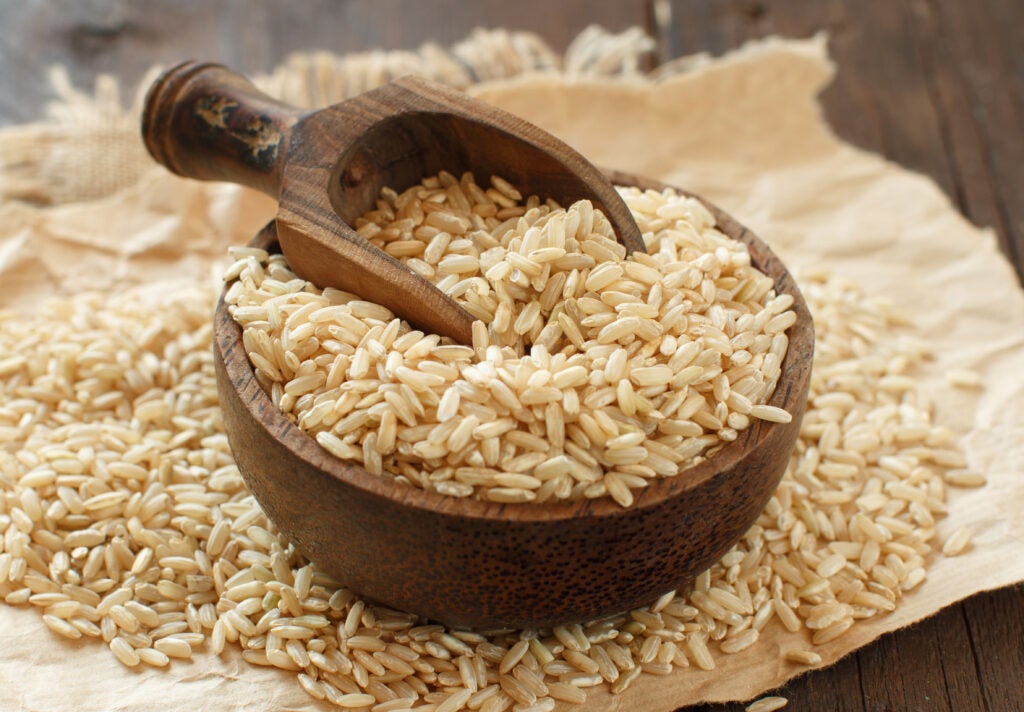
Consuming brown rice may increase your risk of cancer due to arsenic exposure. This concern contrasts with the common belief that brown rice has many nutritional benefits, including high fiber and nutrient content.
What the science tells us
Arsenic accumulates in the outer layers of the rice grain, which makes brown rice higher in inorganic arsenic than white rice. Arsenic content varies by region and tends to be higher in rice grown in areas with contaminated water or a history of arsenic-based pesticide use, such as parts of Bangladesh, India, and the southern U.S. Overall, findings from the FDA show low arsenic levels in U.S. rice-based foods.
Epidemiological Evidence:
Long-term consumption of brown rice is not directly associated with an increased risk of developing cancer. A large prospective cohort study using data from the Nurses’ Health Study II, Female Nurses’ Health Study, and Male Health Professionals Follow-Up Study followed participants for decades and found no significant associations between brown rice intake and overall cancer incidence (Zhang et al.). University of Michigan research confirms that arsenic is toxic at high doses but found that typical daily exposure for most U.S. adults remains below levels of concern (Scott et al.).
However, other reviews suggest that more research is needed to fully understand how cancer risk from arsenic exposure may vary by type (inorganic vs organic), exposure level, and age of the exposed individual.
Researchers do indicate that children under the age of five, who consume more food relative to their body weight, may be particularly vulnerable to the health effects of arsenic. These populations should limit intake of brown rice.
Laboratory Evidence/Supporting Evidence:
There is little laboratory evidence that explores the effects of brown rice on cancer outcomes.
How to reduce your risk
- Vary your grains (e.g., quinoa, barley, oats).
- Rinse rice thoroughly and cook it with extra water (6:1 ratio), then drain.
- Buy rice from low arsenic regions, such as California.
- Limit intake for infants and children under five years old.
Bottom line
Dose matters. While exposure to high levels of arsenic remains a concern, the amount in a typical serving of brown rice does not put most adults at risk of developing cancer. That said, young children and vulnerable groups are more susceptible to the effects of arsenic and should limit consumption. Additional research is needed to determine if the potential harmful effects of arsenic exposure outweigh the nutritional benefits of brown rice.