What you may have heard
Cannabis oil is a natural cure for cancer.
What the science tells us
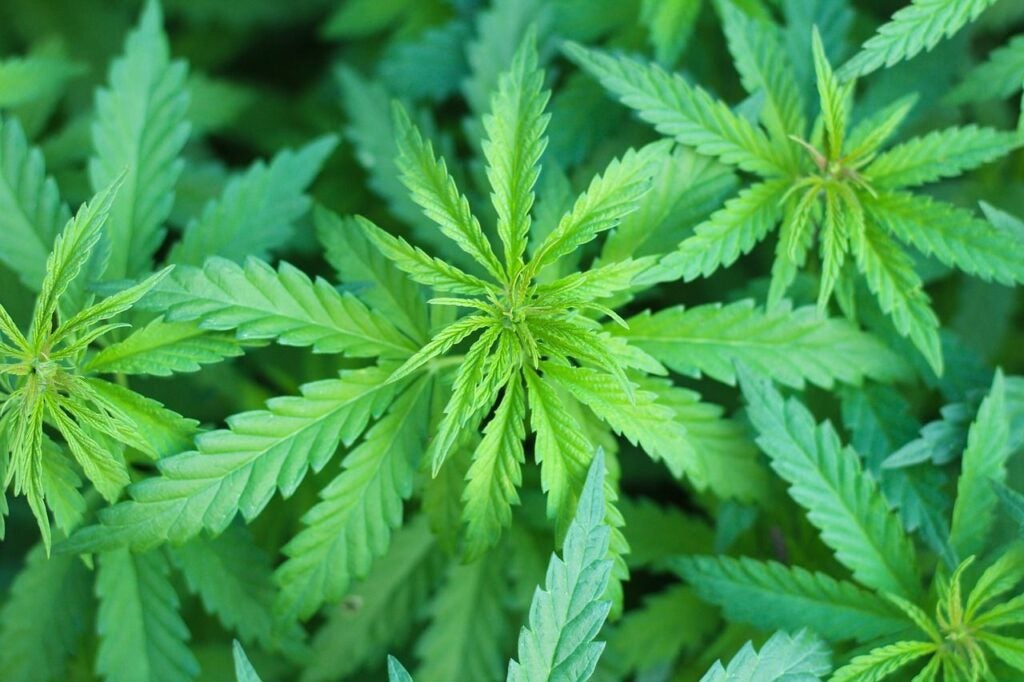
Cannabis oil, extracted from the cannabis sativa plant, can be found in various products such as oils, roll-ons, vaping solutions, and edibles. It contains cannabidiol (CBD), which, unlike THC (another component of cannabis), does not affect the mind. Despite its growing popularity and presence in places like grocery stores and pharmacies, there is no scientific evidence supporting its ability to cure cancer.
Epidemiological Evidence:
Studies examining the relationship between cannabis use and cancer have shown mixed results.
- Lung cancer: Cannabis smoke shares many of the same harmful substances as tobacco smoke. A study found increased lung cancer risk in tobacco smokers who also used cannabis. However, another study did not find a significant increase in lung cancer risk for low cannabis use.
- Testicular cancer: Heavy cannabis use has been linked to a higher risk of testicular cancer. However, occasional use did not show the same correlation.
- Bladder cancer: Some studies suggest that cannabis users have a lower risk of bladder cancer, but more extensive research is needed to confirm these findings.
- Research on how cannabis interacts with conventional cancer treatments is limited. Some studies suggest that cannabis may reduce the effectiveness of immunotherapy treatments. For example, a study observed that cannabis use diminished the positive effects of immunotherapy.
Laboratory Evidence/Supporting Evidence:
Laboratory studies and small clinical trials have explored the potential benefits of cannabinoids for cancer patients. Some research suggests that cannabinoids may help with symptoms like nausea, vomiting, anorexia, neuropathy, anxiety, depression, and insomnia, but these findings are not conclusive.
IARC Carcinogen Classification:
Not Classified.
How to reduce your risk
Given the risks associated with CBD oil, it is better to avoid using it, especially if you are undergoing cancer treatment. Always consult with your healthcare provider before considering CBD oil as part of your treatment plan. The FDA has not approved cannabis or cannabinoids for use as a cancer treatment. Cannabis is also not approved by the FDA for the treatment of any cancer-related symptoms or side effects of cancer therapy.
There are some concerns associated with CBD Oil:
- Cannabis oil is very unregulated, making it difficult to know the exact content of CBD or THC in any given product. Some products have been found to contain significantly less CBD or more THC than advertised.
- Trace amounts of THC could be present in cannabis oil, potentially affecting the mind. Cross-contamination during extraction, handling, or packaging is also a risk.
- There have been reports of infections following the use of CBD and cannabis products, which is particularly concerning for immunocompromised patients who are more susceptible to bacterial and fungal infections.
Bottom line
While CBD oil is often promoted as a treatment for cancer and its symptoms, there is currently no scientific evidence to support these claims. It is crucial to rely on proven, conventional treatments and to discuss any use of CBD oil with your healthcare provider to avoid potential interactions with your cancer treatment.
For a related video on marijuana smoking and cancer risk, watch this short video from the Dana-Farber Cancer Institute below.