What you may have heard
Some people believe that getting CT scans can increase the chance of developing cancer. They point to the higher radiation dose from CT scans compared to regular X-rays as a reason for concern.
What science tells us
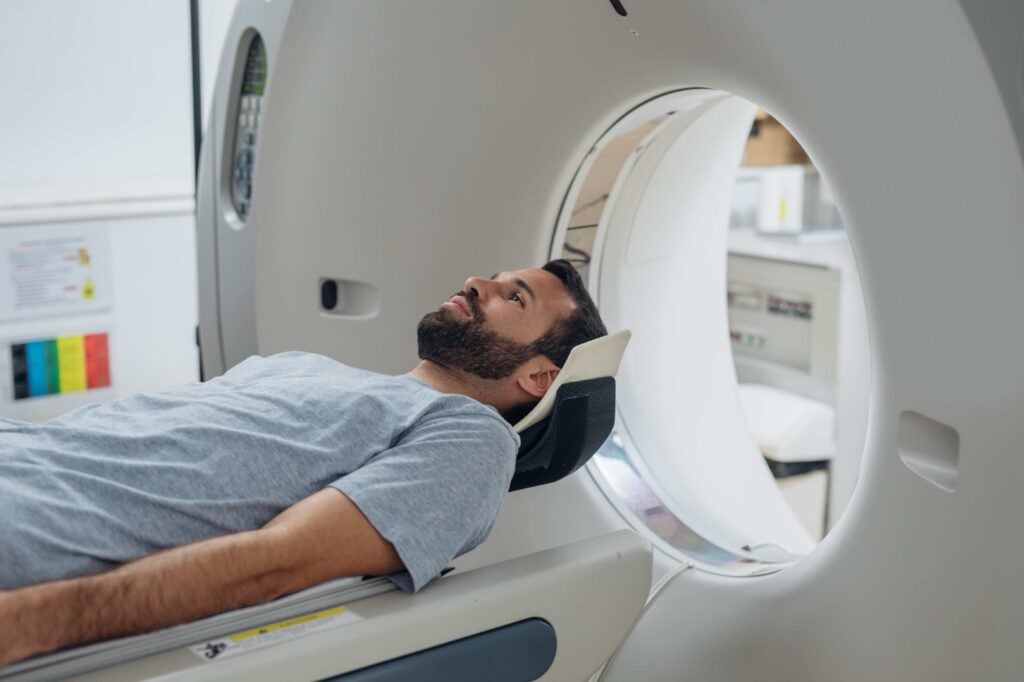
CT scanners use ionizing radiation, which can damage DNA. While most cells repair this damage, errors may remain and could eventually lead to cancer. Major health organizations acknowledge these risks, especially for children and repeat scans, though CT remains essential for diagnosing many conditions (Harvard).
Epidemiological Evidence
- A meta‑analysis of 111 million adults found a notable increase in cancer risk tied to CT scans, especially with higher doses or repeat scans (PubMed).
- A Canadian study showed that children receiving four or more CT scans before age six had significantly higher cancer risk (PubMed).
- A large international study published in Nature Medicine (2023) found that each 10,000 childhood CT scans were associated with about 1–2 extra blood cancer cases in the 12 years following exposure (PubMed).
Laboratory Evidence / Supporting
CT scans have been shown to cause detectable DNA damage, specifically double-strand breaks, in patients’ blood cells (PubMed).
IARC Carcinogen Classification
There is no direct IARC classification for CT scanning. However, ionizing radiation is known to be carcinogenic to humans (IARC).
How to reduce your risk
- Ask medical professionals if the scan is medically necessary.
- Request low-dose protocols when possible, especially for children.
- Use alternatives like MRI or ultrasound when appropriate.
- Avoid whole-body CT scans without clear clinical need.
Bottom line
CT scans expose patients to higher radiation than X-rays and are linked to increased cancer risk, particularly in children and with repeated exposure. While benefits often outweigh risks when medically appropriate, minimizing unnecessary scans helps reduce potential harm.