What you may have heard
Curcumin has been touted as having antioxidant, antiviral, antibacterial, and anti-inflammatory properties. One of curcumin’s newer areas being studied are its possible anti-cancer properties.
What science tells us
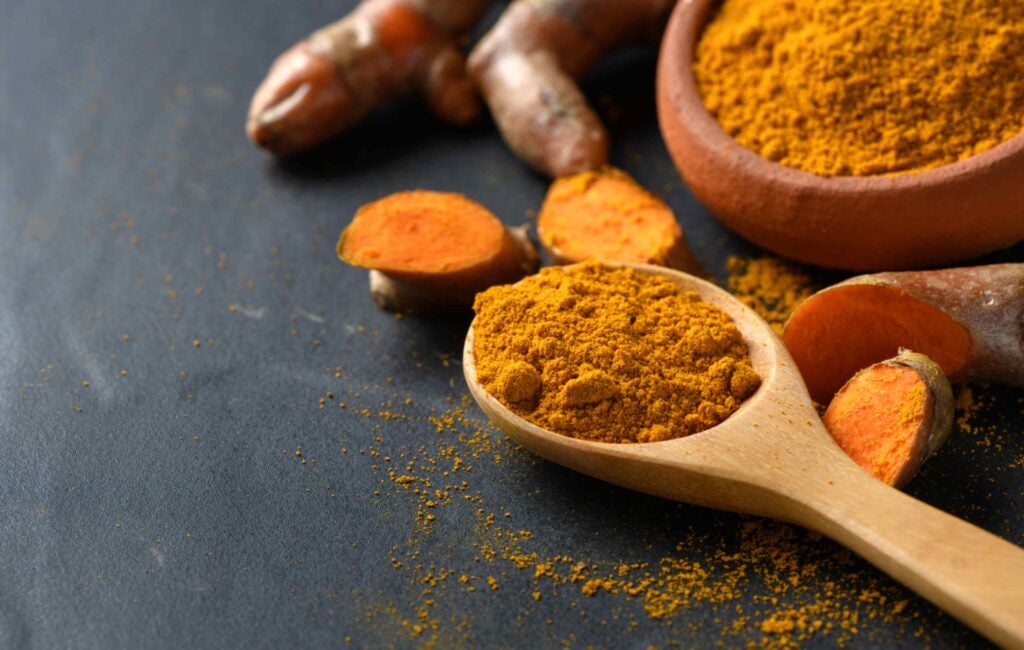
Curcumin (the part of turmeric that gives it its vibrant color) has gained attention in the media as a potential anti-cancer therapy.
Epidemiological Evidence
Studies of curcumin in humans are still in the early stages so more research is needed before we can say anything about a relationship between curcumin and cancer.
Laboratory Evidence/Supporting Evidence
Curcumin specifically targets cell signaling pathways that are involved in cancer development and growth, which could decrease cancer risk (Giordano et al.). Studies done in laboratory animals suggest that curcumin may prevent cancer, slow the spread of cancer, make chemotherapy more effective, and protect healthy cells from damage by radiation therapy.
IARC Carcinogen Classification:
Not classified.
How to reduce your risk
It is not known whether consuming products that contain curcumin, such as turmeric, decrease your chance of getting cancer. Eating a healthy, balanced diet and maintaining an appropriate level of physical activity is a good way to lower cancer risk.
Bottom line
Curcumin and turmeric have many important biological functions, and laboratory studies suggest that they may help to prevent cancer in laboratory animals. Studies of curcumin in humans are still in the early stages, so more research is needed before we can say anything about a relationship between curcumin and cancer.