What you may have heard
High consumption of dairy products may cause cancer.
What the science tells us
Epidemiological Evidence
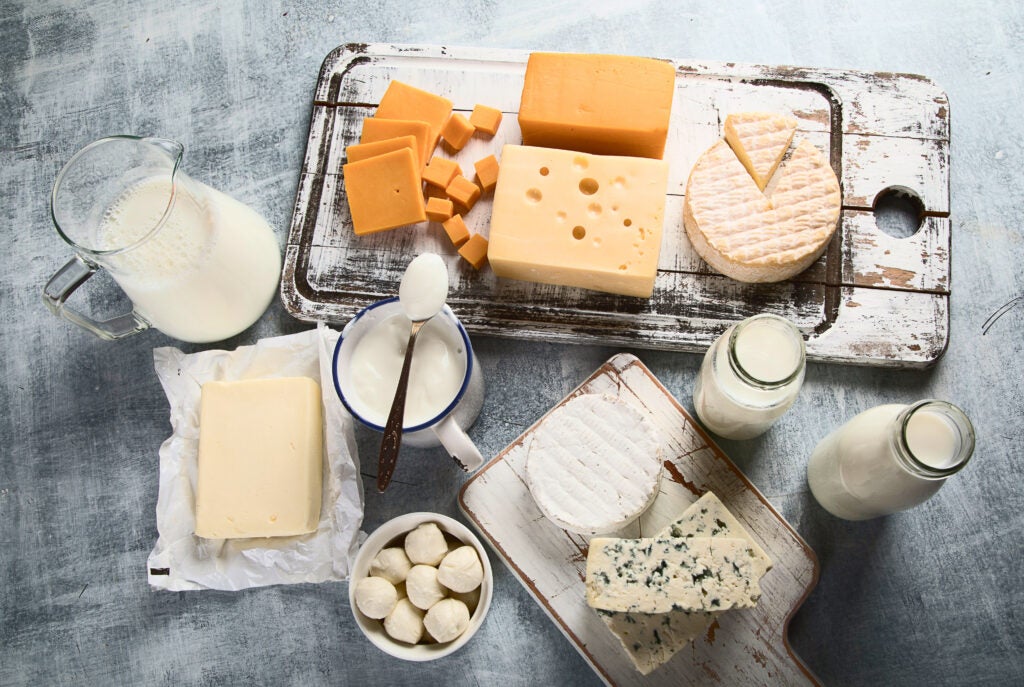
Evidence on the relationship between dairy products and cancer risk is mixed and varies by type of cancer. Dairy consumption is associated with a lower risk of colorectal cancer (WCRF), while some prospective cohort studies suggest a higher risk for prostate and ovarian cancers (Jin & Je). A study of Chinese adults also associated dairy intake with increased risks of liver, breast, and potentially lymphoma cancers (Kakkoura et al.).
The association between dairy consumption and breast cancer, specifically, remains unclear. Studies have found that fermented dairy products like yogurt and cheese may decrease the risk of breast cancer, whereas high milk intake may increase it. Further research is needed to clarify these associations.
Laboratory Evidence/Supporting Evidence
There is currently no strong evidence from animal studies that dairy influences cancer progression.
How to reduce your risk
- Moderate dairy intake, the USDA recommends about 3 cups of dairy per day.
- Choose reduced or low-fat dairy products.
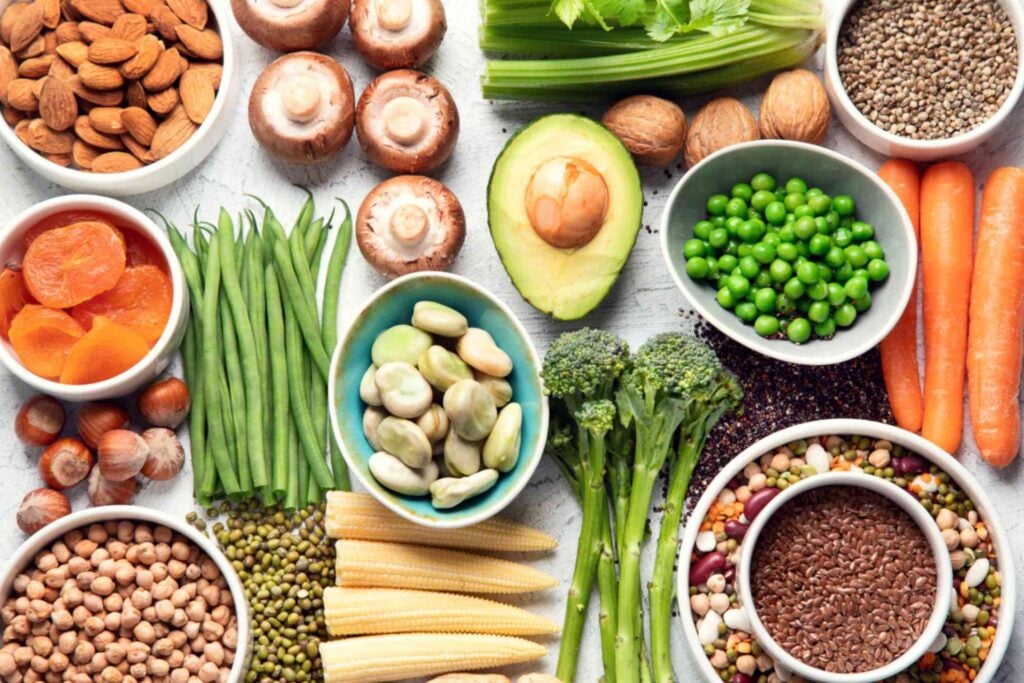
- Consider plant-based milk alternatives, such as almond, oat, or soy milk.
- Diversify calcium intake from other sources, like leafy greens.
Bottom line
Current evidence on dairy consumption and cancer risk remains inconclusive and requires further research. Studies suggest that dairy may reduce the risk of certain cancers (e.g., colorectal) and increase the risk of others (e.g., prostate, liver). While dairy products are valuable sources of calcium, vitamin D, and protein, the conflicting evidence on cancer risk highlights the importance of being mindful of the type and amount of dairy included in a healthy diet.