What you may have heard
Decaf coffee made using methylene chloride can cause cancer because the chemical is harmful.
What the science tells us
Methylene chloride is a chemical solvent used in various industries, including paint stripping, foam manufacturing, cleaning, and degreasing. It is known to be harmful and can cause cancer, heart problems, and damage to the nervous system and liver. People can be exposed to methylene chloride by breathing it in, getting it on their skin, or touching products that contain it.
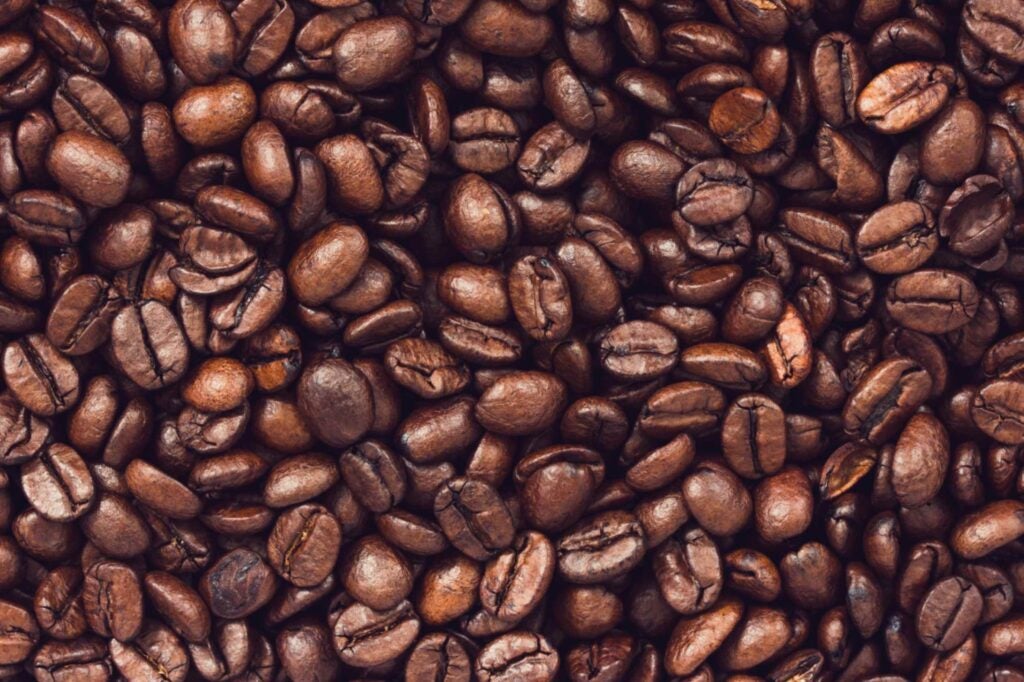
In the decaffeination process, methylene chloride is used to remove caffeine from coffee beans. The caffeine bonds with the methylene chloride, leaving the coffee beans mostly caffeine-free but retaining their flavor. The FDA regulates the amount of methylene chloride that can remain in decaf coffee, ensuring it does not exceed 10 parts per million. This level is considered safe, but there is still some debate about the long-term effects of even small amounts of this chemical.
Epidemiological Evidence
Studies on whether decaf coffee made with methylene chloride causes cancer are not clear. Some research shows that methylene chloride can cause cancer, but the amount in decaf coffee is very low and regulated by the FDA.
Laboratory Evidence/Supporting Evidence
Lab tests have shown that high levels of methylene chloride can cause cancer in animals. But the levels in decaf coffee are much lower.
IARC Carcinogen Classification:
2A carcinogen, “probably carcinogenic to humans”.
How to reduce your risk
- Choose Alternatives: Look for decaf coffee made with methods like the Swiss Water Process or carbon dioxide, which don’t use methylene chloride.
- Check Labels: Buy decaf coffee labeled as solvent-free, Swiss Water processed, or certified organic.
- Moderate Consumption: If you drink decaf coffee with methylene chloride, do so in moderation to reduce any potential risk.
Bottom line
Methylene chloride in decaf coffee is regulated and kept at low levels. There is no clear evidence that these low levels cause cancer, but choosing decaf coffee made with other methods can reduce any potential risk.
For a video on the potential benefit of regular coffee, watch this video from the Dana-Farber Cancer Institute below.