What you may have heard
People who have or have had Epstein-Barr virus are at an increased risk of developing certain cancers.
What the science tells us
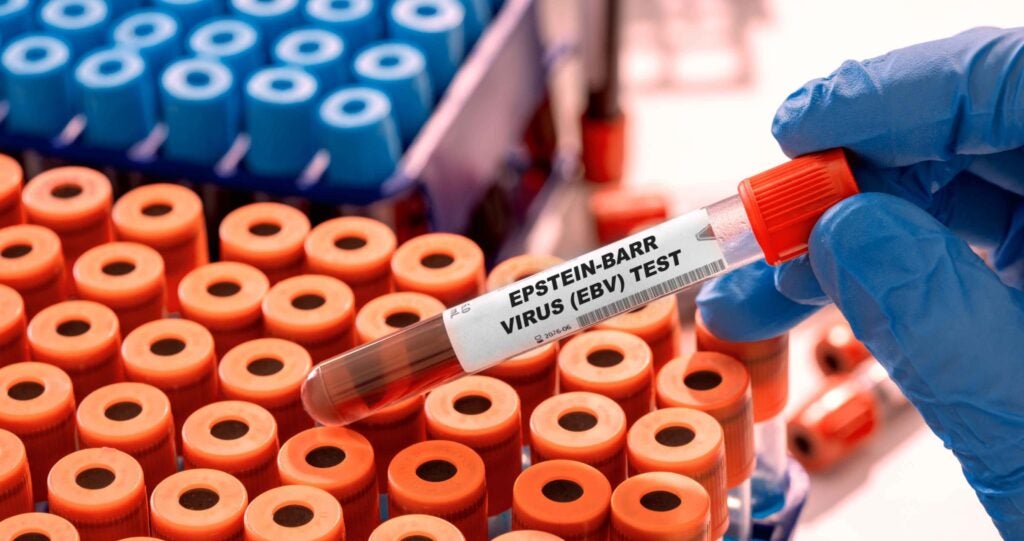
Epstein-Barr virus (EBV) is the infection that causes mononucleosis. According to the CDC, 9 out of 10 adults have antibodies showing that they have or have had EBV at some point in their lives. EBV is an oncovirus, which is a virus that can cause cancer (ACS). While most people with EBV will not develop cancer, it is important to understand the potential risk.
Epidemiological Evidence
EBV is most often linked to nasopharyngeal cancer, which impacts the upper part of the throat. Other cancers associated with EBV are Burkitt lymphoma, immunoblastic lymphoma, and gastric cancer (NCI). EBV-related cancers are most prevalent in Africa and certain regions of Southeast Asia.
Laboratory Evidence/Supporting Evidence
EBV is a life-long infection that can be asymptomatic. EBV contributes to cancer development by infecting key cells in the body, specifically B cells and epithelial cells. Inside these cells, the virus creates proteins that alter their normal functions, promoting rapid cell growth, preventing cell death, and helping infected cells evade the immune system.
How to reduce your risk
Currently, there is no vaccine for EBV. To lower your chances of infection, avoid close contact with people who have active EBV, including kissing, sharing food or drinks, and sharing personal items like toothbrushes.
If you have already been infected with EBV, watch for early signs of nasopharyngeal cancer, such as a lump in the neck, persistent nasal congestion, nosebleeds, or hearing loss, and seek medical advice if these occur (ACS).
Bottom line
EBV is a virus that can cause cancer. Although most people become infected with EBV during their lifetime, only a small number develop cancer, often due to additional factors like genetics or a weakened immune system.
Watch the video below to learn more about the EBV from Cancer Research UK.