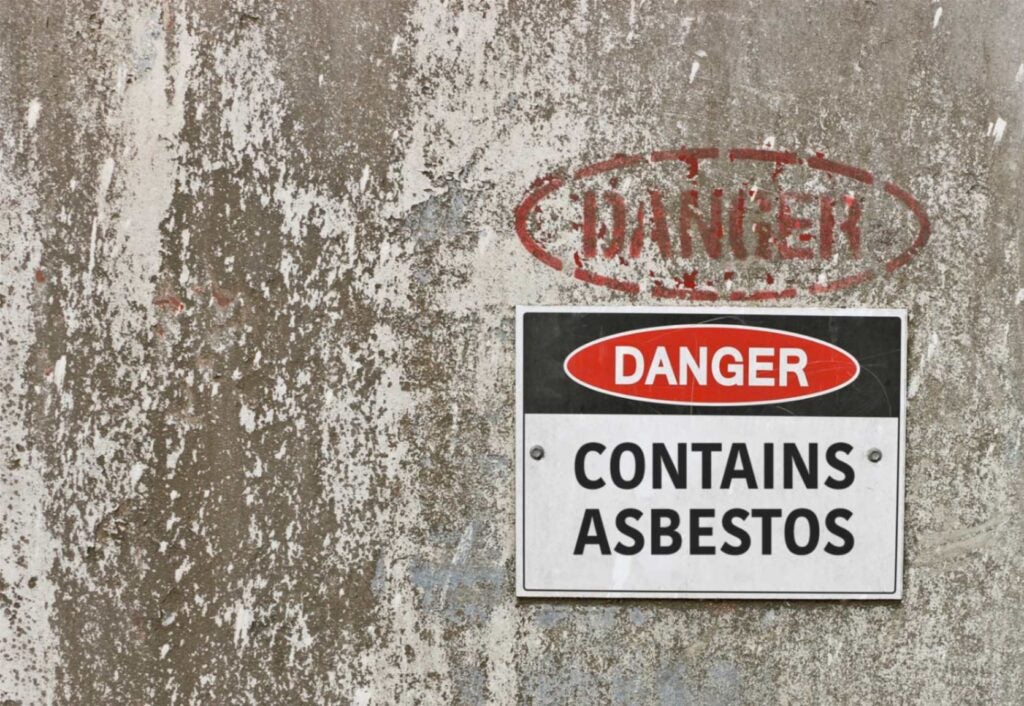
What you may have heard
Exposure to shale oil, especially in industrial settings, can cause cancer.
What science tells us
Shale oil contains carcinogenic compounds, including polycyclic aromatic hydrocarbons (PAHs) and benzene. The International Agency for Research on Cancer (IARC) classifies shale oils as Group 1 carcinogenic to humans based on sufficient evidence from human studies, primarily in occupational settings (IARC).
Epidemiological Evidence
- Scottish shale oil workers exposed to shale-oil-based lubricants developed scrotal and other skin cancers at higher rates than unexposed groups (NLM).
- A retrospective cohort in Soviet-era Estonia reported elevated skin cancer risk among female workers with 10–20 years of shale oil exposure (PubMed).
- Data from Eastern Estonia’s oil shale region showed higher lung cancer rates among men compared to national averages, with declining trends in recent decades (PubMed).
Laboratory Evidence / Supporting Evidence
Animal studies show that raw and processed shale oils cause skin tumors in mice and rabbits; inhalation of raw shale oil caused lung tumors in rats (IARC).
IARC Carcinogen Classification
Group 1 – Carcinogenic to humans
How to reduce your risk
- Workers can wear protective clothing, gloves, and respiratory protection; follow occupational safety protocols.
- People living in communities nearby can advocate for environmental monitoring and controls on industrial emissions; also avoid direct contact with contaminated materials.
Bottom line
Occupational and experimental evidence shows shale oil can cause cancer, particularly skin cancer in workers with direct contact. IARC classifies shale oils as carcinogenic to humans.