What you may have heard
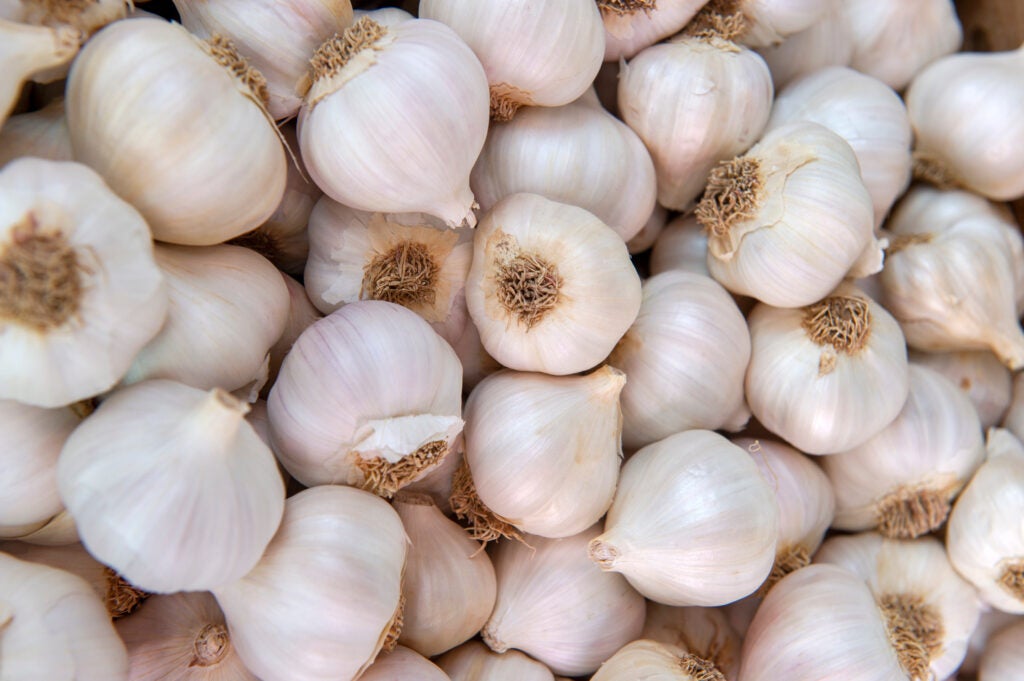
Eating garlic can lower your risk of developing gastrointestinal cancers.
What the science tells us
Garlic contains naturally occurring allium compounds that may slow cancer development by supporting healthy cell function and affecting processes involved in tumor growth. Laboratory research suggests that garlic may reduce the risk of certain gastrointestinal cancers. However, current evidence in humans is limited and inconclusive.
Epidemiological Evidence
Human studies provide little evidence of garlic’s anticancer properties. Although some case-control studies suggest a protective association with colorectal and gastric cancers (Zhou et al.), this study design is not the most reliable for evaluating dietary exposures. Many of these studies also contain small sample sizes, which further limits their strength.
A 2021 systematic review found no association between garlic intake and cancer risk in larger cohort studies (Lee et al.). Additional cohort studies and clinical trials are needed to clarify garlic’s potential cancer-preventive role in humans.
Laboratory Evidence/Supporting Evidence
Allicin, an allium compound in garlic, is produced when garlic is crushed or damaged. Allicin forms several other compounds, which animal studies suggest may reduce the risk of various cancers by activating tumor-suppressing genes. According to the American Institute for Cancer Research (AICR), these compounds may reduce inflammation, support DNA repair, and promote the self-destruction of cancer cells.
How to reduce your risk
No single food can prevent cancer. To best decrease your risk, maintain a healthy lifestyle through eating well, exercising regularly, and avoiding alcohol and smoking.
Bottom line
While animal studies suggest garlic may offer some protection against cancers of the gastrointestinal tract, there is currently no strong evidence from human studies to confirm this. More high-quality, epidemiological research is needed to understand garlic’s role in cancer prevention.