What you may have heard
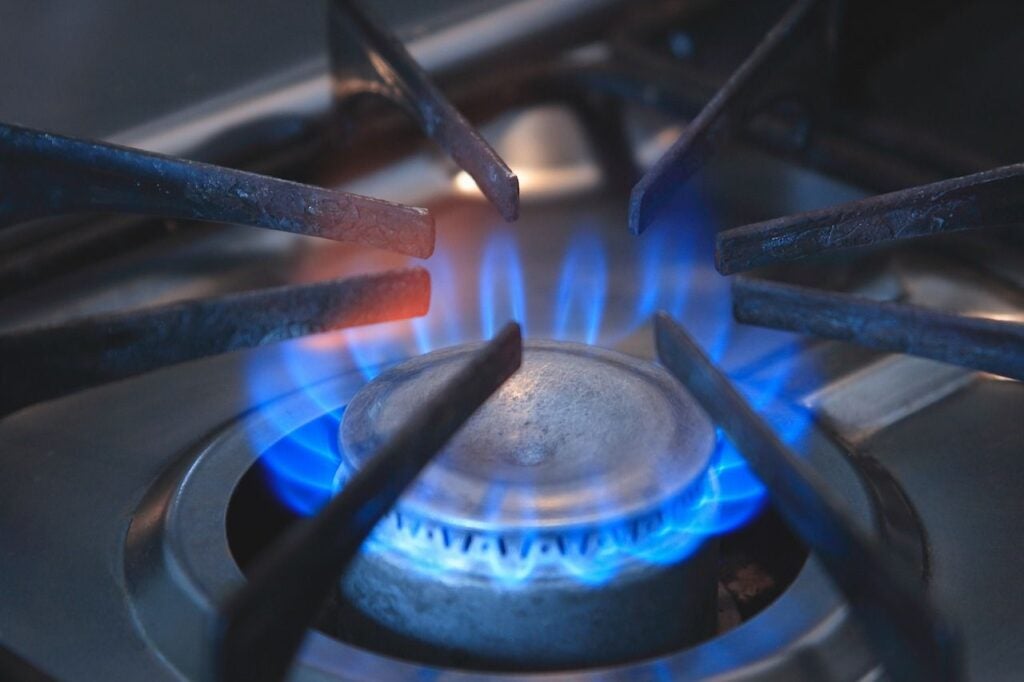
Cooking with gas stoves or using butane can release harmful chemicals into the air, potentially increasing the risk of cancer.
What the science tells us
Epidemiological Evidence
There is substantial epidemiological evidence linking gas stove use to adverse health outcomes. For instance, a 2013 meta-analysis concluded that children living in homes with gas stoves have a 42% higher risk of asthma compared to those in homes without gas stoves. A 2022 analysis attributed 12.7% of childhood asthma cases in the U.S. to gas stoves. These studies suggest that the pollutants emitted from gas stoves, including benzene, nitrogen dioxide, and carbon monoxide, contribute to respiratory and other health issues.
Laboratory Evidence/Supporting Evidence
Research led by Stanford University has shown that gas stoves emit benzene, a chemical known to cause leukemia and other blood cell cancers. The levels of benzene emitted can sometimes exceed those found in secondhand tobacco smoke, posing significant health risks, especially when ventilation is inadequate. Benzene emissions from gas and propane burners were found to be significantly higher than those from electric stoves. Induction cooktops did not emit detectable benzene.
IARC Carcinogen Classification:
Group 1 carcinogen, meaning it is definitively known to cause cancer in humans.
How to reduce your risk
- Improve Ventilation: Always use a range hood that vents to the outside or open windows while cooking to reduce indoor pollutant concentrations.
- Switch to Electric Appliances: Consider using electric stoves, induction cooktops, or other electric kitchen appliances that do not emit benzene.
- Take Advantage of Rebates: Look for state, local, or federal rebates and incentives to help offset the cost of replacing gas appliances with safer alternatives.
- Use Portable Induction Cooktops: These can be a cost-effective alternative to traditional gas stoves and do not emit harmful chemicals.
Bottom line
Cooking with gas stoves or using butane can significantly increase indoor benzene levels, a known carcinogen linked to blood cell cancers. By improving ventilation, switching to electric or induction cooking methods, and utilizing available rebates, you can reduce your exposure and lower your risk of cancer. Prioritize safer cooking practices to protect your health and well-being.
For more information, watch this short video on gas stoves and indoor air pullution from the Woods Institute for the Environment at Stanford Univeristy.