What you may have heard
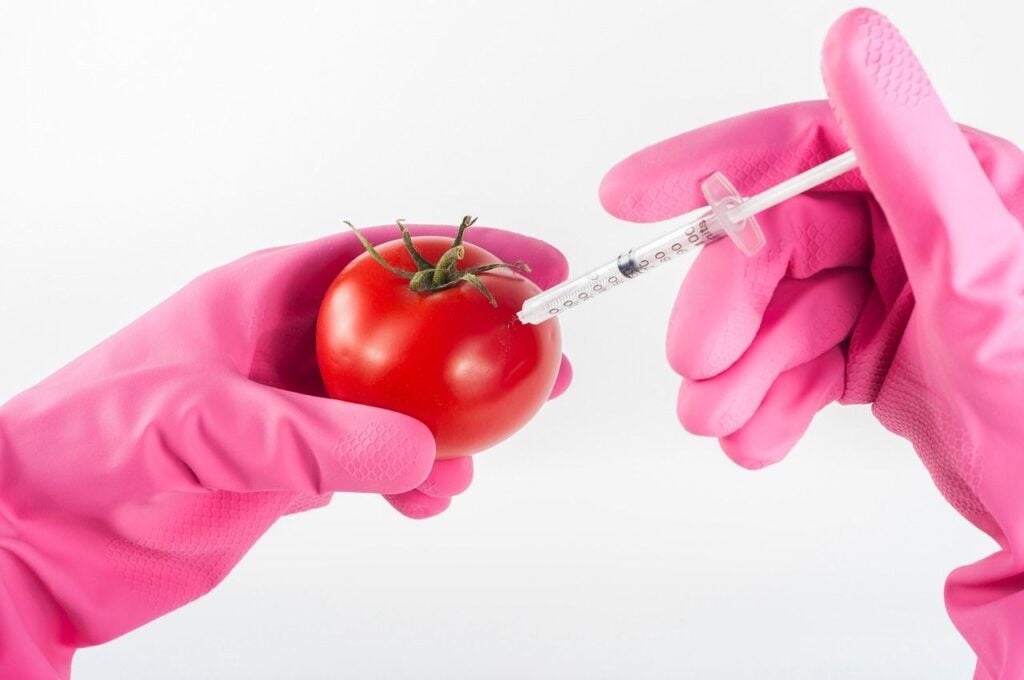
Consuming genetically modified foods increases the risk of developing cancer.
What the science tells us
Epidemiological Evidence
- Current research on the health risks of GMOs does not support a link to cancer. While GMOs have been prevalent in the US since the 1990s, there has not been a significant increase in cancer cases directly linked to their consumption.
- An analysis by the National Academies of Sciences, Engineering, and Medicine found that patterns of change in cancer rates in the United States are similar to those in Europe and the United Kingdom, where people eat fewer GMO foods. Cancer rates are not connected with eating GMOs (FDA).
Laboratory Evidence/Supporting Evidence
- Genetic modification involves precise changes to an organism’s DNA to enhance specific traits such as pest resistance, improved nutritional content, and increased hardiness. This process, known as genetic engineering, is carefully controlled and tested.
- GMO foods undergo rigorous safety assessments before being approved for public consumption. These assessments include tests to ensure that GMOs do not introduce new allergens or toxins.
- Research shows that GMO foods are as healthful and safe to eat as their non-GMO counterparts. Studies have demonstrated that GMO plants fed to farm animals are just as safe as non-GMO animal feed (FDA).
IARC Carcinogen Classification:
not classified.
How to reduce your risk
Genetically modified foods are considered safe and are not likely to increase your risk of cancer. However, if you would rather not consume them, you can try the following advice.
- Buy Organic Foods Organic foods are grown from non-GMO seeds and are less likely to contain genetically modified ingredients.
- Choose Grass-Fed or Pasture-Fed Meat Select meat from animals that have been fed non-GMO feed to reduce exposure to genetically modified ingredients.
- Read Labels Look for products labeled as non-GMO or GMO-free, especially those that avoid common GMO ingredients like corn syrup and soy lecithin.
- Shop Local Purchasing from local farmers’ markets can help you avoid GMOs, as many small-scale and local farms do not use genetically modified seeds.
Bottom line
The belief that GMOs cause cancer is not supported by conclusive scientific evidence. While there are concerns about the long-term health effects of consuming genetically modified foods, current research has not demonstrated a direct link to cancer. Consumers can take steps to minimize their intake of GMOs by choosing organic and non-GMO labeled products. Ongoing research continues to ensure the safety of GMOs for human consumption.