What you may have heard
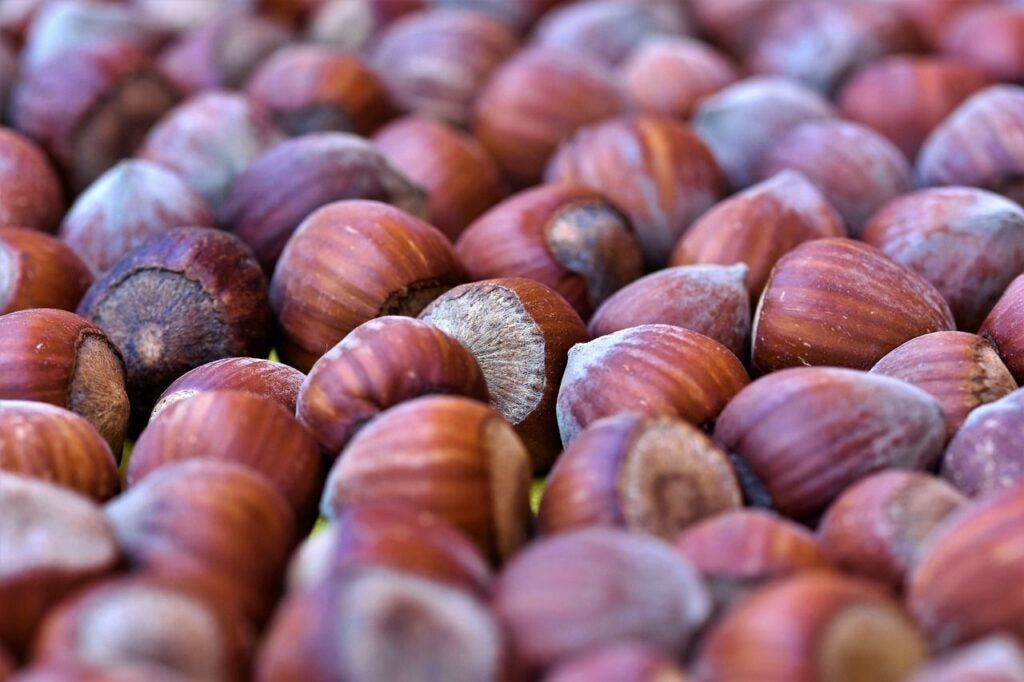
Products that contain palm oil, namely hazelnut spreads, are one of the most recent foods to be flagged as potentially carcinogenic.
What science tells us
Products containing palm oil, which can contain 3-Monochloropropane-1,2-diol esters (3-MCPD) and glycidyl esters (GE), have been flagged as possibly carcinogenic but only when heated 392 degrees Fahrenheit (FDA). Manufacturers have reported that brand-name hazelnut spreads are processed below 392 degrees. As a result, the U.S. Food and Drug Administration (FDA) has stated that they pose no cancer risk (FDA).
Epidemiological Evidence
Epidemiological studies have been conducted to examine whether a relationship exists between palm oil and cancer. Currently, there is no evidence in human studies that hazelnut spread or palm oil consumption increase the risk of cancer.
Laboratory Evidence/Supporting Evidence
Animal studies have also been conducted to examine if palm oil causes cancer. Some studies suggest that when the palm oil is heated at high temperature, it can cause cancer.
IARC Carcinogen Classification:
Not classified.
How to reduce your risk
Because of the added palm oil, hazelnut spreads are high in saturated fats. Saturated fats raise the level of cholesterol in the blood, which increases your risk of heart disease and stroke (AHA). Eating too much fat can lead to obesity, which also raises the risk of heart disease, stroke, diabetes, and some cancers.
Bottom line
Hazelnut spreads do not have any known carcinogenic effects. These foods are high in saturated fats, though, and should be consumed in moderation (ACS).