What you may have heard
Consuming high-fat diets decrease cancer risk.
What science tells us
The notion that high fat diets decrease cancer risk stems from early research on diet and cancer. Countries with high “healthy fat” intake, such as countries along the Mediterranean Sea, have lower rates of cancer. But after further study, the differences in cancer risk no longer seem related to fat consumption (AICR). Overall eating choices matter as does the type and quality of fat in a diet. Recently, high-fat diets have become popular as a way to lose weight and prevent cancer risk. However, other experts warn that eating too much fat (and the wrong type of fat) may increase your cancer risk.
Epidemiological Evidence
Many epidemiological studies of dietary fat have been undertaken. More research is needed to better understand which types of fat should be avoided and how much of each fat alters cancer risk. Although monounsaturated, polyunsaturated, and trans fatty acids have been studied for a number of years, their effects on cancer risk are still unclear. The World Cancer Research Fund has summarized there is only limited or suggestive evidence for increased cancer risk and total fat or saturated fat consumption.
Laboratory/Supporting Evidence
One study conducted on pregnant female mice showed that a high-fat diet resulted in the presence of breast cancer (Nguyen et al.). However, the research is still limited, and further research is needed to examine the effect of high fat diets on animal studies.
IARC Carcinogen Classification:
Not classified.
How to reduce your risk
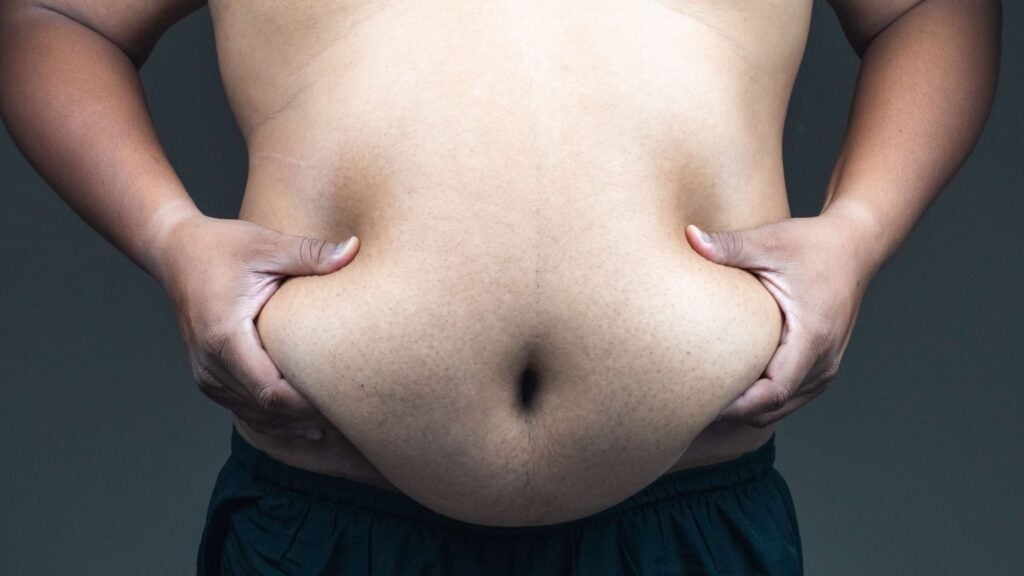
Fat is the most concentrated source of calories, so it is easy for small portions to add up to excess calories. If those extra calories lead to weight gain, it is a very real concern for cancer risk; obesity is a risk factor for a wide range of cancers. Some tips to reduce your risk follow.
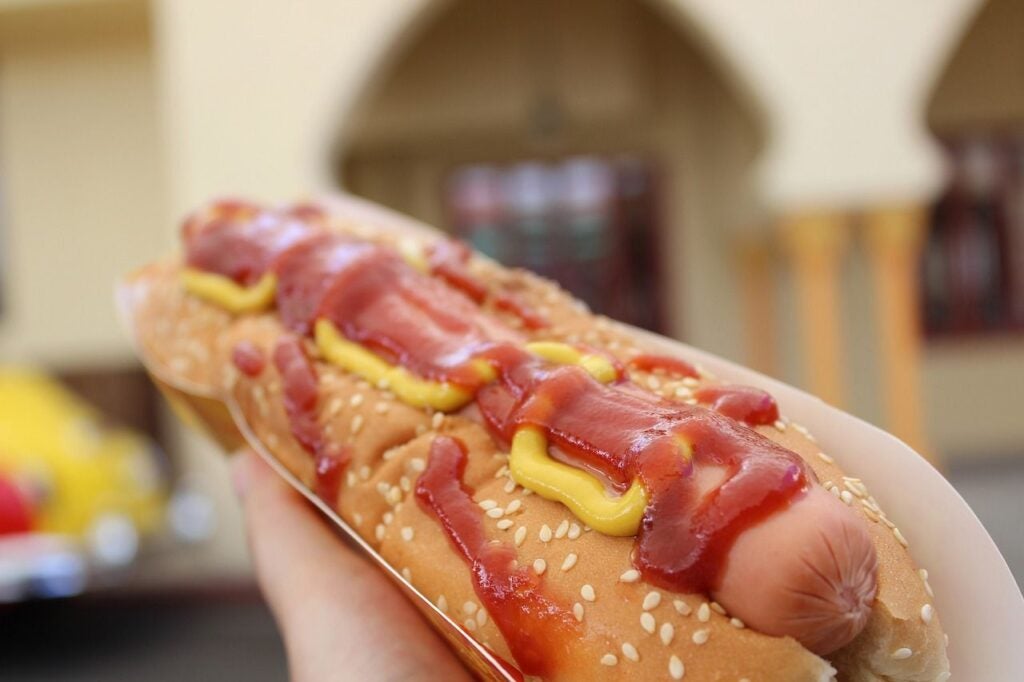
- Limit fat from foods associated with cancer risk, such as red meat and processed meats.
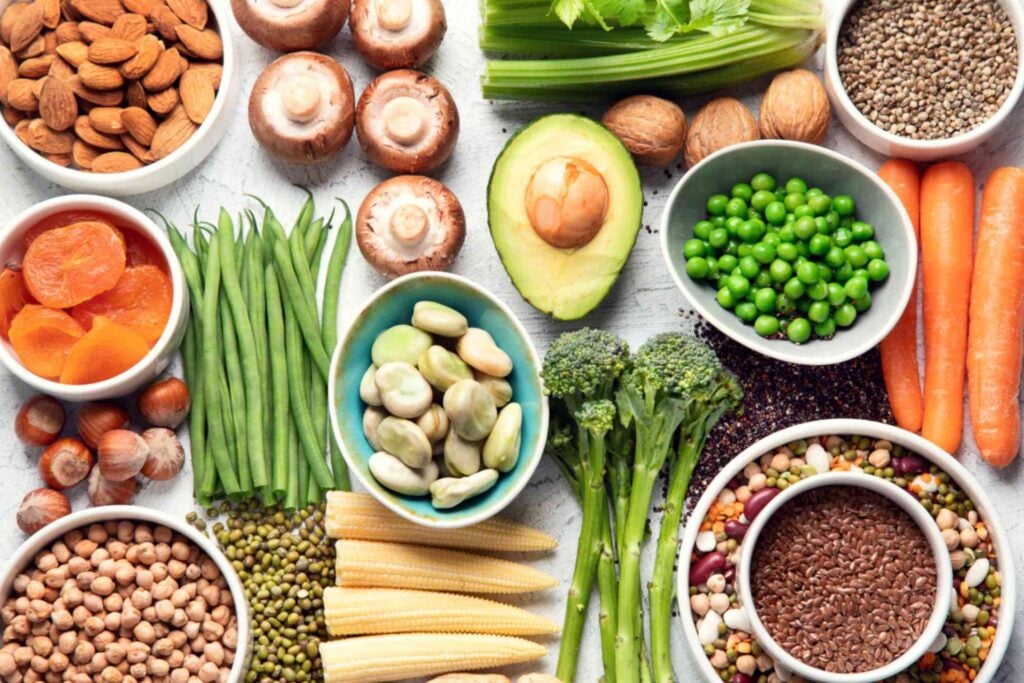
- Center your meals around vegetables, fruits, whole grains, and beans, which offer a wide range of healthy fats, nutrients, protective phytochemicals, and dietary fiber.
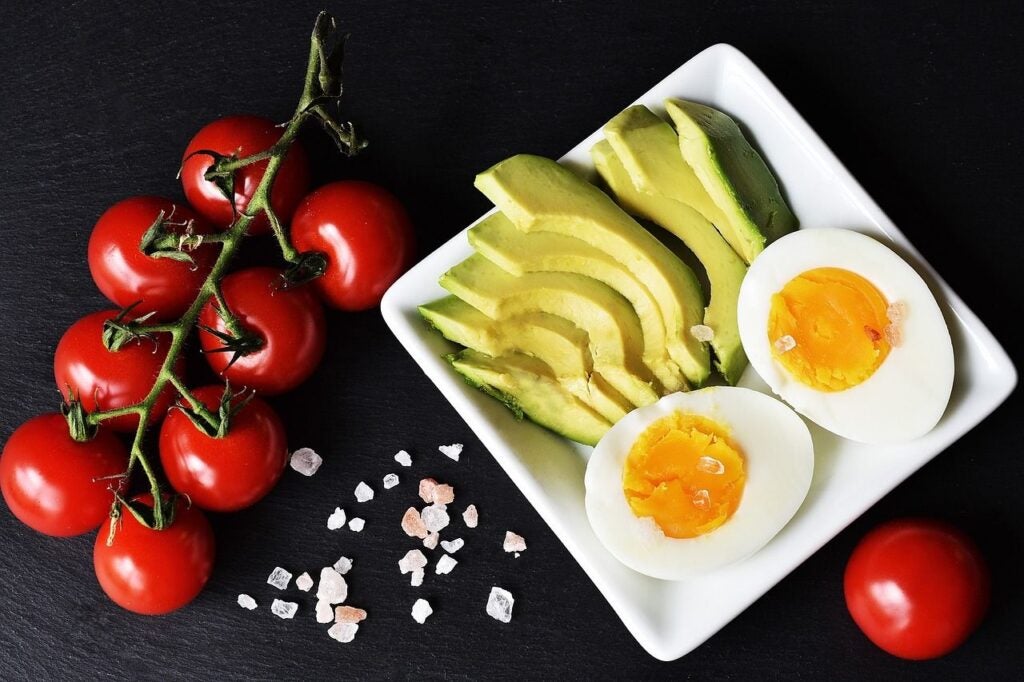
- Consume plant-based foods (such as nuts and avocados) that are naturally high in fat.
- Low-fat diets are no better than other calorie-cutting diets for weight loss or avoiding weight gain (AICR).
Bottom line
There is not strong evidence that high-fat diets cause or prevent cancer. Focusing on overall nutrient intake and eating patterns is the best way to reduce diet-related cancer risk.
Check out this article from the Harvard Gazette about our World Cancer Week panel discussion on nutrition and cancer risk, and watch a recording of the conversation below.