What you may have heard
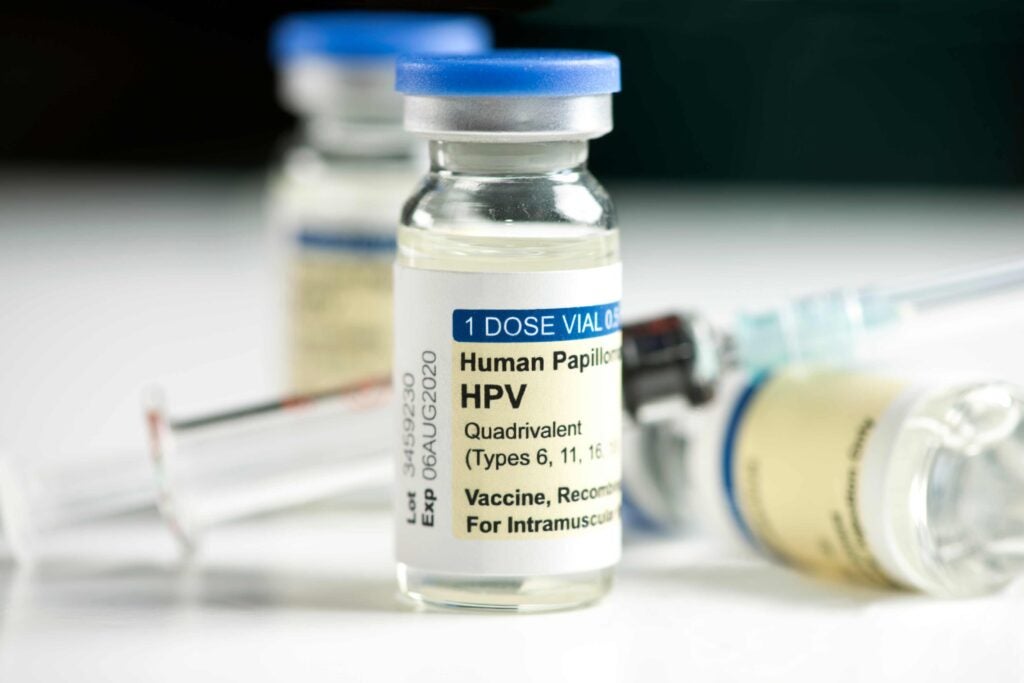
Claims have circulated on social media suggesting that the Human Papillomavirus (HPV) vaccine, Gardasil 9, causes cancer. These claims often stem from general vaccine misinformation and misunderstandings about how the vaccine works. In fact, the HPV vaccine is highly effective in preventing cancer.
What the science tells us
Gardasil was approved by the FDA in 2006. It was initially recommended for girls and young women in preventing cervical cancer and genital warts, and later approved for boys and young men to prevent anal and other HPV-related cancers. There is no evidence to support the claim that HPV vaccines cause cancer.
HPV vaccines protect against over 90% of cancers caused by HPV, including cervical, oropharyngeal (head and neck), anal, vaginal, vulvar, and penile cancers (CDC). Gardasil 9 is most effective when given before exposure to the virus, typically before the onset of sexual activity.
Epidemiological Evidence
Extensive research shows that HPV vaccination significantly reduces the risk of several cancers. From 2008 to 2022, cervical precancer rates decreased by 79%, and higher-grade precancer by 80% among screened women ages 20 to 24, the age group most likely to have received the HPV vaccine (CDC). In Scotland, an observational study reported no cases of cervical cancer among women vaccinated at ages 12 or 13. Women vaccinated between ages 14 and 22 also had a significantly lower incidence of cervical cancer compared to unvaccinated peers (Palmer et al.).
HPV vaccination is associated with reductions in oropharyngeal cancer incidence as well, with Johns Hopkins researchers projecting significant declines by 2045. Strong evidence from clinical trials and population studies also supports Gardasil 9’s effectiveness against anal intraepithelial neoplasia grades 2 and 3 (AIN 2/3), direct precursors of anal cancer, in both men and women.
Supporting Evidence
Gardasil 9 protects against nine strains of HPV: 6, 11, 16, 18, 31, 33, 45, 52, and 58. Among these, strains 16 and 18 are the primary causes of cervical and other HPV-related cancers.
How to reduce your risk
- Get vaccinated Routine HPV vaccination is recommended at ages 11 or 12, but it can be given as early as 9. The vaccine is most effective before any exposure to HPV, typically before becoming sexually active.
- Catch-up vaccination If you are age 26 or younger and have not been vaccinated, it is still recommended. If you are over the age of 26, consult with your doctor about whether HPV vaccination could benefit you.
- Get screened Starting at age 21, women should schedule regular cervical cancer screenings (Pap tests), with an OB-GYN.
Bottom line
HPV vaccines do not cause cancer, they prevent it. By protecting against the most common cancer-causing HPV strains, vaccination significantly lowers the risk of cervical, anal, oropharyngeal, and other HPV-related cancers. The vaccine works best when given before exposure to the virus, making early vaccination and regular screening key steps in reducing your cancer risk.
Watch this short video from the Dana-Farber Cancer Institute if you are considering the HPV vaccine for your child.