What you may have heard
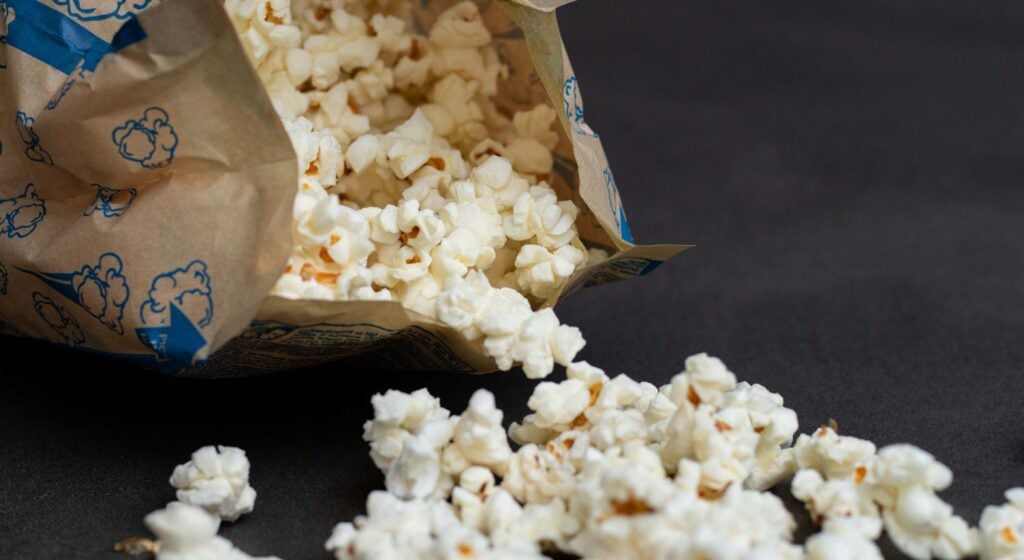
Some people believe that microwave popcorn causes cancer, especially because of chemicals once used in the bags or artificial butter flavoring.
What science tells us
Microwave popcorn itself is not linked directly to cancer. Concerns have focused on older packaging materials that contained PFAS and butter flavorings that contained a chemical called diacetyl. Most popcorn brands no longer use these ingredients.
Epidemiological Evidence
- A 2019 study using National Health and Nutrition Examination Survey (NHANES) data found that regular microwave popcorn consumption was linked to significantly higher blood levels of several PFAS chemicals, likely due to chemicals from the bag transferring onto the popcorn. In contrast, eating food prepared at home was associated with lower PFAS levels. The findings support concerns about PFAS exposure from food packaging and suggest the need for safer alternatives in food-contact materials (PMID: 31596611).
- A 2020 study found that eating microwave popcorn was linked to significantly higher blood levels of four PFAS chemicals, likely due to PFAS in popcorn bags (PMID: 32463326).
Laboratory Evidence / Supporting Evidence
- PFAS chemicals used in popcorn bags were phased out starting in the mid-2000s. The FDA no longer allows certain long-chain PFAS in food-contact materials. Current exposure levels from microwave popcorn are expected to be low (FDA).
IARC Carcinogen Classification
Group
PFAS chemicals such as PFOA are not classified by IARC but are considered “likely carcinogens” by the U.S. EPA.
How to reduce your risk
- Choose microwave popcorn labeled as PFAS-free.
- Use air-popped or stovetop popcorn with minimal oil.
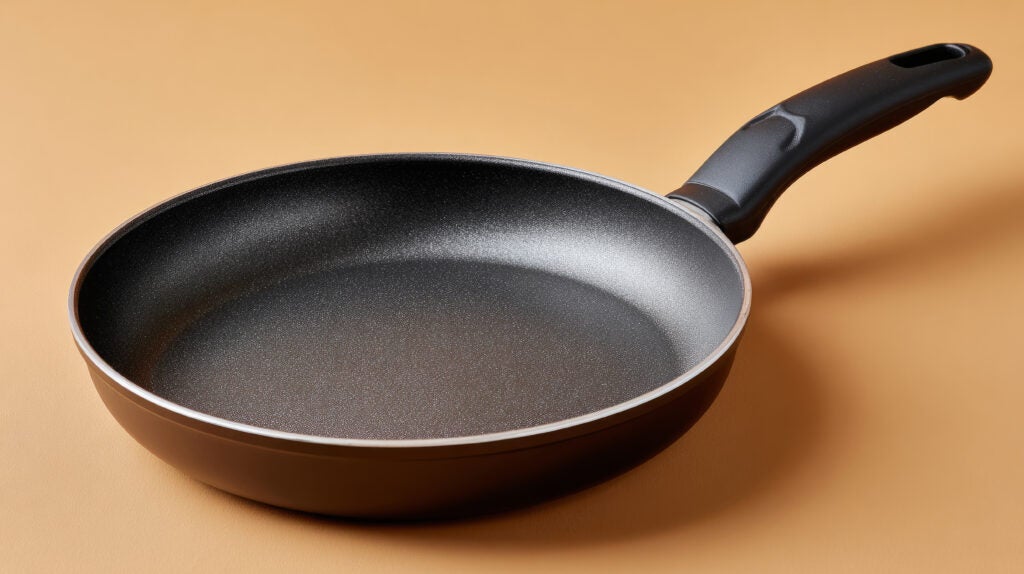
- Limit other sources of PFAS in your diet and environment (like fast food wrappers or nonstick cookware).
Bottom line
There’s no strong evidence that microwave popcorn causes cancer. Older products contained chemicals that raised concern, but most brands have since removed them. Choosing PFAS-free popcorn and preparing it at home can reduce exposure.
Check out these recipes from the Boston Medical Center Teaching Kitchen for popping corn on your stovetop and mixing flavorful toppings.