Fact Finder Tool
Discover insights, research, and information to help you navigate cancer-related topics with confidence.
Discover insights, research, and information to help you navigate cancer-related topics with confidence.
What you may have heard Standing too close to the microwave can increase your risk of developing cancer. What science tells us Microwaves do not emit enough radiofrequency radiation to be harmful to humans (ACS). Microwave ovens are designed so that the microwave radiation is contained within the oven itself. The oven only creates microwaves…

What you may have heard Heating plastic in the microwave or freezing plastic releases various harmful chemicals that may cause cancer. What science tells us Freezing tends to work against the release of chemicals. The Johns Hopkins Bloomberg School of Public Health stated, “Chemicals do not diffuse as readily in cold temperatures, which would limit…

What you may have heard Warnings have been posted about cancer risks from drinking from plastic water bottles. What science tells us There has been concern of cancer risks from potential exposure to diethylhexyl adipate (DEHA), diethylhexyl phthalate (DEHP), or bisphenol A (BPA) that may be found in plastic water bottles.The American Cancer Society has…

What you may have heard Shampoo with formaldehyde is a carcinogen. What science tells us Many hair care products, such as shampoos and leave-in conditioners, contain formaldehyde or other variations, such as formalin and methylene glycol. When these products are heated, the formaldehyde is released into the air as a gas. This can occur by…

What you may have heard Shampooing with products that contain sodium lauryl sulfate (SLS) cause cancer. What science tells us SLS is a cleaning agent and surfactant that is used in many personal care and cleaning products. Epidemiological Evidence While SLS chemicals may cause eye irritation (or eye damage in high-enough quantities) and skin irritation…

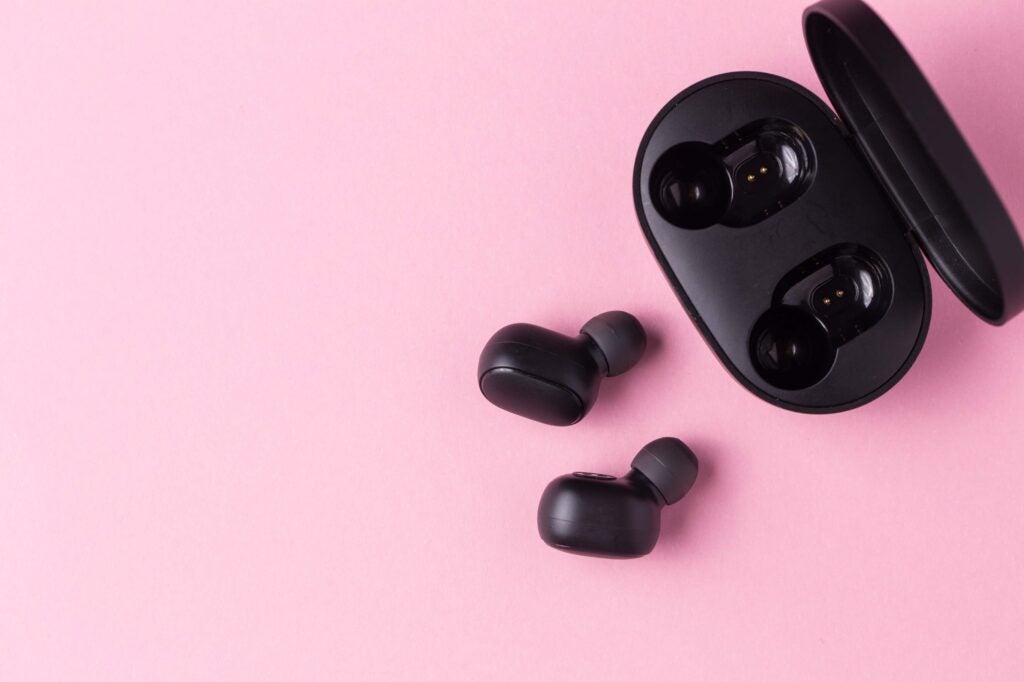
What you may have heard With the introduction and increased use of Bluetooth technology, many people have been concerned about their long-term effects on cancer risk. What science tells us Because of the newness of this technology, researchers have not had enough time to study potential correlation between cancer and Bluetooth headphones. However, since the…