What you may have heard
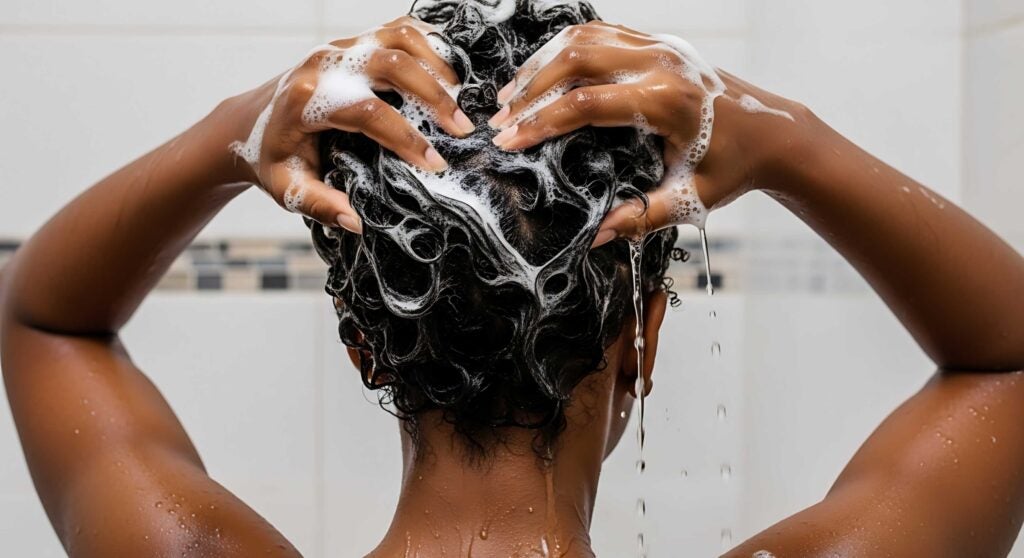
Shampooing with products that contain sodium lauryl sulfate (SLS) cause cancer.
What science tells us
SLS is a cleaning agent and surfactant that is used in many personal care and cleaning products.
Epidemiological Evidence
While SLS chemicals may cause eye irritation (or eye damage in high-enough quantities) and skin irritation when it stands alone, there is no evidence either way about whether sodium lauryl sulfate is a carcinogen. This has been confirmed by numerous government and international agencies, such as the International Agency for Research on Cancer (IARC), the U.S. National Toxicology Program, the California Proposition 65 List of Carcinogens, the U.S. Environmental Protection Agency, and the European Union (Bondi et al.).
Laboratory Evidence/ Supportive Evidence
Several laboratory-based studies conducted on mice showed signs of skin irritation but did not show a cancerous effect when exposed to sodium lauryl sulfate (Rovira et al.).
IARC Carcinogen Classification:
Not classified
How to reduce your risk
While SLS may not be cancer-causing, to avoid any skin or eye irritation, experts suggest switching to products that do not contain these chemicals. A number of websites, such as the Environmental Working Group’s Skin Deep Database or Nontoxic Certified’s MADE SAFE, and apps like Clearya and DetoxMe, rate the safety of ingredients used in personal care products; these tools also post lists of brands that contain each type of chemical.
Shampoos that do not contain SLS are clearly marked on the label and can be located in any supermarket or pharmacy. A dermatologist and/or pharmacist may also be able to direct you to products that do not contain chemicals you wish to avoid.
Bottom line
SLS is not a carcinogen, yet there are many platforms that provide information and alternative products if the chemical causes eye or skin irritation.