What you may have heard
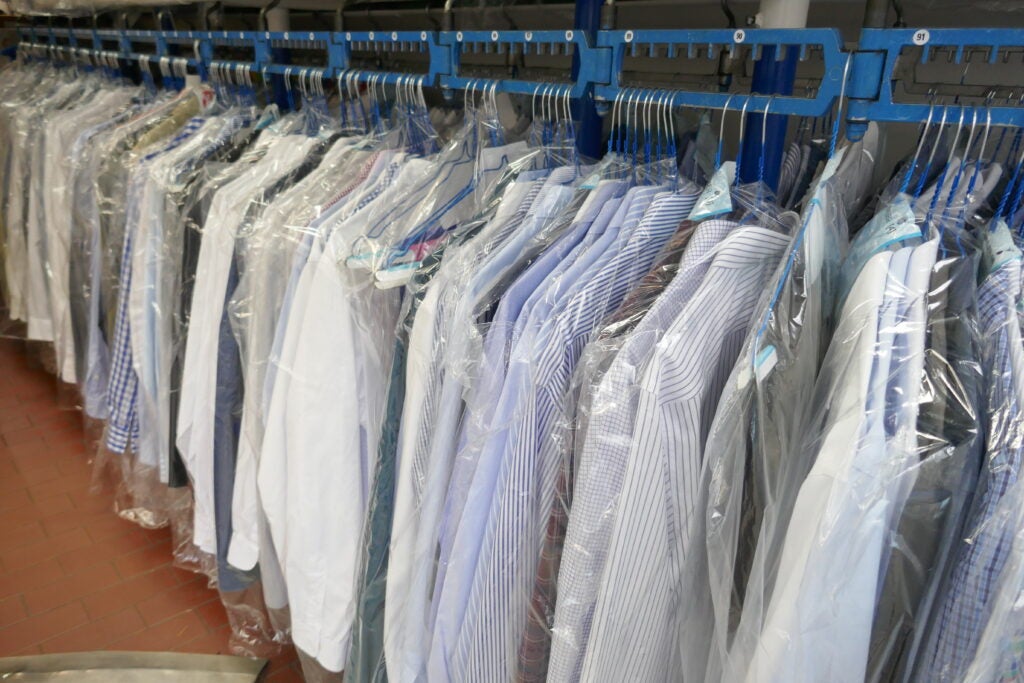
Perchloroethylene, also called PCE or tetrachloroethylene, is commonly used in dry cleaning and some industrial degreasers. You may have heard that long-term exposure can cause cancer, especially among workers in dry-cleaning facilities or people living near contaminated sites.
What science tells us
PCE is a chlorinated solvent that can be inhaled or absorbed through the skin. It’s found in indoor air near dry cleaners and in groundwater in some areas. Long-term exposure has been associated with increased risk of bladder cancer, non-Hodgkin lymphoma, and possibly multiple myeloma. These links are strongest in occupational settings but are also relevant for community exposure near contaminated water or soil.
Epidemiological Evidence
- A 2014 review of the U.S. EPA’s toxicology assessment found that perchloroethylene is likely to cause cancer in humans. This conclusion was based on suggestive evidence in people, mainly for bladder cancer and non-Hodgkin lymphoma, along with strong findings from animal studies. The review also identified neurotoxicity as a sensitive noncancer effect at low exposure levels (PMD: 24531164).
Laboratory Evidence / Supporting Evidence
Animal studies show that PCE can cause liver tumors in mice and kidney tumors in rats. Lab studies also suggest that PCE can damage DNA and create reactive chemicals in the liver and kidneys, which are processes linked to cancer.
IARC Carcinogen Classification
- Perchloroethylene (tetrachloroethylene): Group 2A – Probably carcinogenic to humans
How to reduce your risk
- Avoid spending time near older dry-cleaning machines that still use PCE.
- If your dry-cleaned clothes have a strong chemical smell, take them out of the plastic bag and hang them in a well-ventilated area to let the fumes air out.
- If you live near a facility that uses PCE, such as a dry cleaner or an industrial site, you can check local or state environmental agency websites to see if the area has a known contamination history.
- People who live right next door to a dry cleaner generally do not need to worry unless the building has poor ventilation or a known spill or leak has been reported. Modern dry-cleaning shops use safer equipment with much lower emissions.
- Support safer chemical policies and cleanup programs in your community.
Bottom line
Perchloroethylene is widely used and often found in air and water. Human and animal studies support a cancer link, especially for bladder cancer. Occupational and environmental exposure should be minimized whenever possible.