What you may have heard
Red Dye 3, used in foods and cosmetics, is linked to cancer.
What science tells us
Red Dye 3, also known as FD&C Red No. 3, Red Dye No. 3, and Red Dye 3, is a synthetic dye used to color foods, cosmetics, and drugs. It gives products a bright, cherry-red color. Studies have shown that Red Dye 3 can cause cancer in animals, specifically thyroid tumors.
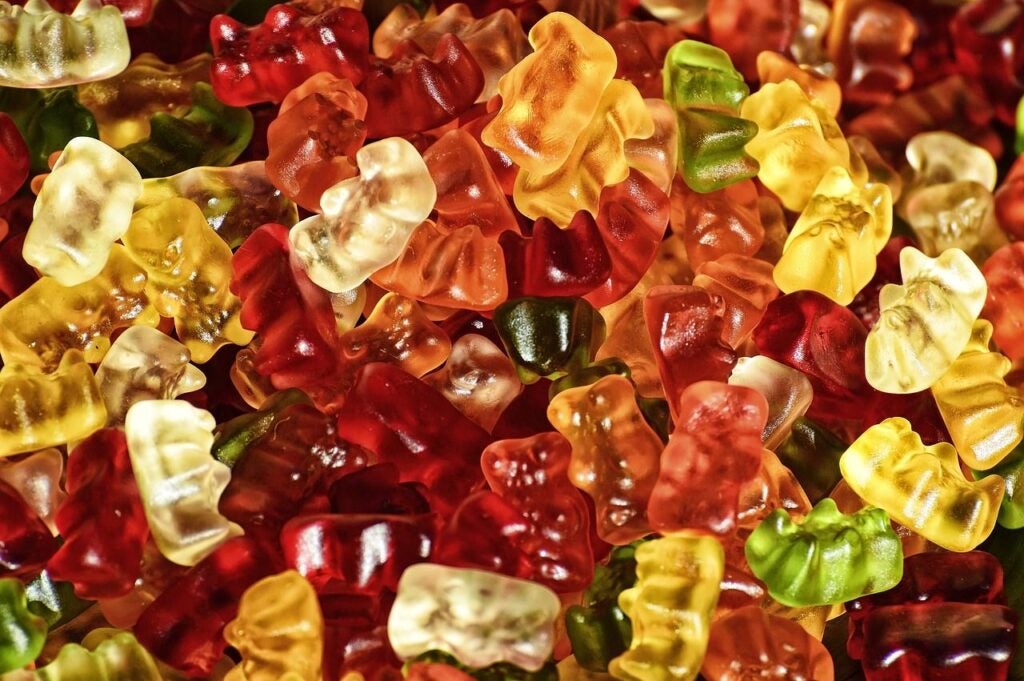
The FDA has banned the use of Red Dye 3 in cosmetics and externally applied drugs due to its cancer risk, but it is still allowed in foods and ingested drugs. It is commonly found in candies, drinks, and some medications. In October 2023, California Governor Gavin Newsom signed a bill into law banning the use of Red Dye 3, along with three other common food additives (potassium bromate, brominated vegetable oil, and propylparaben). The California Food Safety Act takes effect in 2027, making it illegal to sell, distribute, and manufacture these additives in the state.
Epidemiological Evidence
There is limited human epidemiological evidence.
Laboratory Evidence/Supporting Evidence
Researchers found that Red Dye 3 can cause thyroid tumors in rats when consumed in high doses. This has raised concerns about its safety in humans, particularly with chronic exposure through food and medications.
IARC Carcinogen Classification:
Not classified by IARC.
How to reduce your risk
Avoid products that list Red Dye 3 as an ingredient. Look for natural alternatives and check labels on foods, especially candies, and medications.
Bottom line
Animal studies strongly suggest a cancer risk, and it’s wise to avoid Red Dye 3. Despite being banned in cosmetics, it is still present in many foods, so choosing products without this dye can help reduce potential health risks.
To learn about the Red Dye 3 and cancer risk as well as the FDA ban, watch this video from the Museum of Science in Boston.
A short releated video on food additives and cancer risk from the Dana-Farber Cancer Insitute follows.