What you may have heard
High consumption of salt-preserved and pickled foods can increase your risk of gastric cancer.
What the science tells us
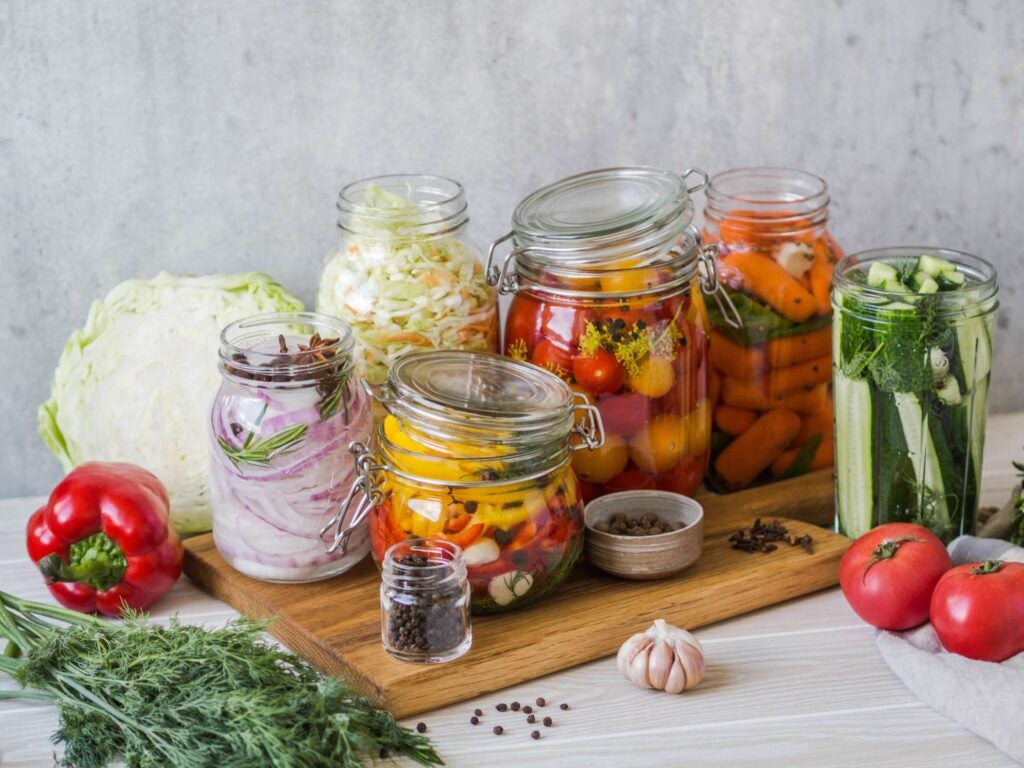
Salt-preserved food includes pickled vegetables, salted fish, and cured meat. Research suggests a correlation between salt-preserved foods and cancer risk, particularly in East Asian countries where consumption tends to be high. Diets high in salt may aggravate the effects of Helicobacter pylori (H. pylori), a key contributor to gastric cancer, and contaminants from pickling or fermentation may also play a role in cancer development.
Epidemiological Evidence
A meta-analysis of observational studies found a 50% increased risk of gastric cancer in those who consume pickled food and vegetables compared to those who do not, with associations potentially stronger in Korea and China (Ren et al.). Additional ecological and experimental study findings suggest that frequent intake of pickled vegetables is associated with a higher risk of esophageal cancer (Zhuang et al.).
Laboratory Evidence/Supporting Evidence
Laboratory studies indicate that eating salt-preserved foods can damage the stomach lining and increase inflammation, which helps promote gastric cancer. In animal models, diets high in salt make infections with cancer-linked bacteria like H. pylori worse, leading to higher rates of stomach tumors (WCRF).
Evidence also suggests that contamination from yeasts and fungi can produce gastric carcinogens, including mycotoxins or N-Nitroso compounds, during fermentation (Ren et al.). More research is needed to fully understand these mechanisms and how they may link pickled food to cancer.
How to reduce your risk
- Limit consumption of salt-preserved foods, including pickled vegetables, salted fish, and cured meats.
- Choose fresh or frozen vegetables whenever possible.
- Eat a diet rich in fruits, vegetables, and whole grains, which may help protect the stomach lining.
Bottom line
High consumption of pickled foods is associated with an increased risk of gastric and esophageal cancers. This risk is supported by both epidemiologic studies and laboratory evidence showing how salt-preserved foods can promote cancer development. However, your overall diet and how often you eat these foods matter. Occasional consumption as part of a varied, balanced diet is unlikely to pose a major risk for most people.