What you may have heard
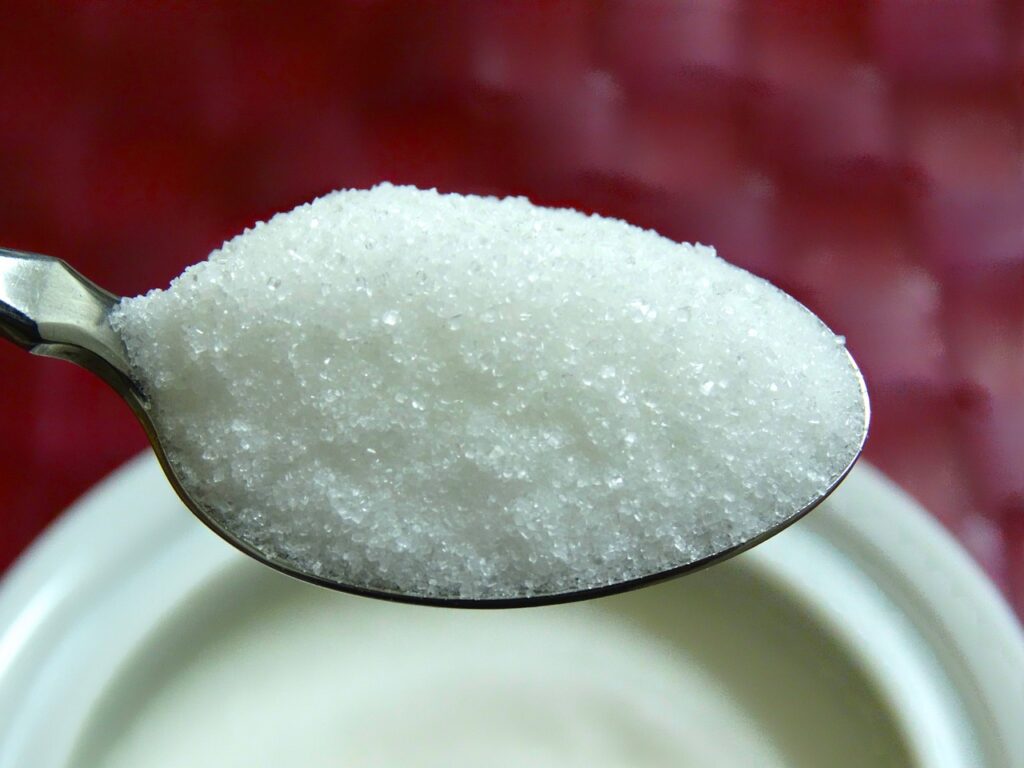
You might have heard that sugar directly feeds cancer cells and causes cancer to grow and spread more quickly.
What science tells us
Epidemiological Evidence:
Research shows that while all cells in our body, including cancer cells, use sugar (glucose) as a source of energy, sugar does not specifically “feed” cancer cells any more than it feeds healthy cells. There is no direct evidence linking sugar consumption to cancer growth. The real concern lies in high sugar intake leading to obesity, which is a known risk factor for several types of cancer, including breast, colorectal, and pancreatic cancer.
Laboratory Evidence/Supporting Evidence:
Laboratory studies have shown that cancer cells metabolize glucose differently from normal cells, a phenomenon known as the Warburg Effect. Cancer cells generate energy rapidly by bypassing their mitochondria, which is why they consume large amounts of glucose. However, this does not mean that reducing sugar intake will starve cancer cells. All cells in the body, both healthy and cancerous, require glucose to function, and there is no way to deprive cancer cells of glucose without also depriving healthy cells.
IARC Carcinogen Classification:
not classified.
How to reduce your risk
- Choose complex carbohydrates: choose whole foods that contain complex sugars, like fruits and vegetables, which provide essential nutrients and fiber.
- Choose Alternatives: Drink water, unsweetened tea, or sparkling water instead of sugary beverages. Use spices like cinnamon or nutmeg to add flavor without sugar.
- Exercise Regularly: Regular physical activity helps maintain a healthy weight and reduces cancer risk.
- Read Labels: Be mindful of hidden sugars in processed foods, such as sauces, dressings, and ready meals, by reading nutrition labels.
Bottom line
- Sugar Does Not Feed Cancer. While cancer cells do consume more glucose, there is no way to specifically starve cancer cells of glucose without also harming healthy cells. Eliminating carbohydrates entirely from the diet is not a viable cancer treatment strategy.
- Although sugar itself does not cause cancer, consuming high amounts of added sugars can lead to weight gain and obesity, which are risk factors for cancer. Additionally, added sugars lack the essential nutrients and benefits found in whole foods.
- Cancer patients need adequate nutrition to support their bodies during treatment. Restrictive diets that eliminate entire food groups, including carbohydrates, can be detrimental to their health and recovery.
Watch a short video about sugar and cancer risk from the Dana-Farber Cancer Institute below.