What you may have heard
Titanium dioxide, used in food and cosmetics, may cause cancer.
What science tells us
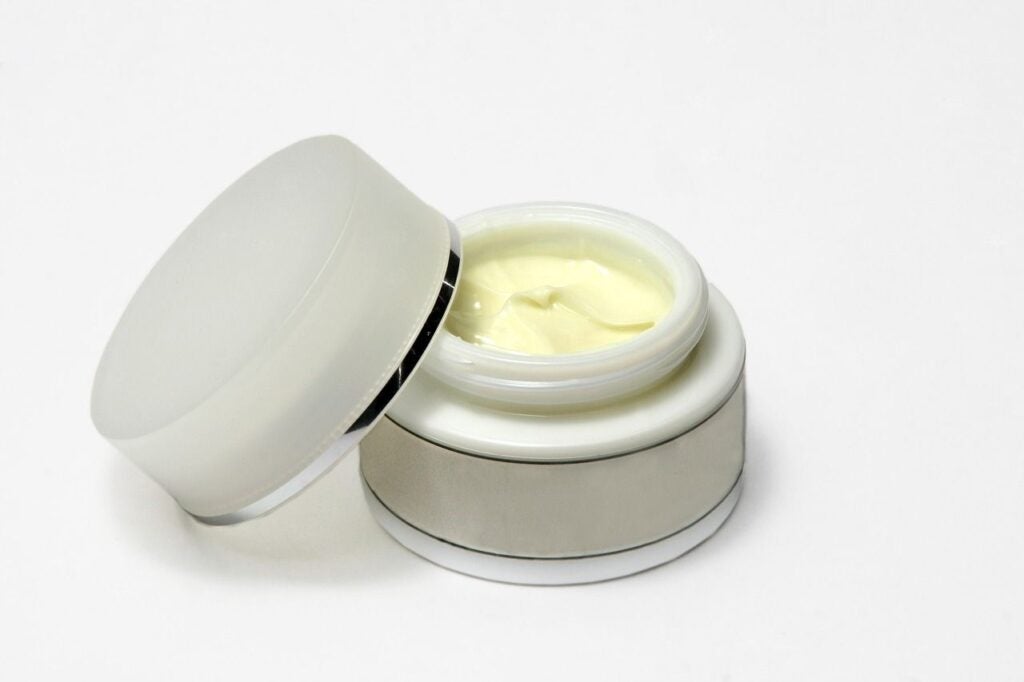
Titanium dioxide (TiO2) is a mineral used as a whitening agent and pigment in various products, including foods, cosmetics, paints, and plastics. It’s commonly found in personal care items like sunscreens, pressed powders, and loose powders, where it acts as a UV filter and whitening agent.
Titanium dioxide is potentially carcinogenic when inhaled in large amounts. The risk is primarily linked to inhalation rather than ingestion, with limited evidence on its risks when consumed in food. The FDA currently allows the use of titanium dioxide in foods and cosmetics, but continues to evaluate its safety. They have set strict guidelines, limiting its concentration to ensure it remains safe for consumers.
Epidemiological Evidence
Human studies on the cancer risk associated with titanium dioxide ingestion are inconclusive. However, concerns primarily stem from inhalation studies, where workers exposed to titanium dioxide dust showed increased risks.
Laboratory Evidence/Supporting Evidence
Animal studies have demonstrated that inhaling titanium dioxide particles can lead to respiratory cancer, particularly lung tumors. There is limited data on the risks of ingesting titanium dioxide.
IARC Carcinogen Classification:
possibly carcinogenic to humans (Group 2B) when inhaled.
How to reduce your risk
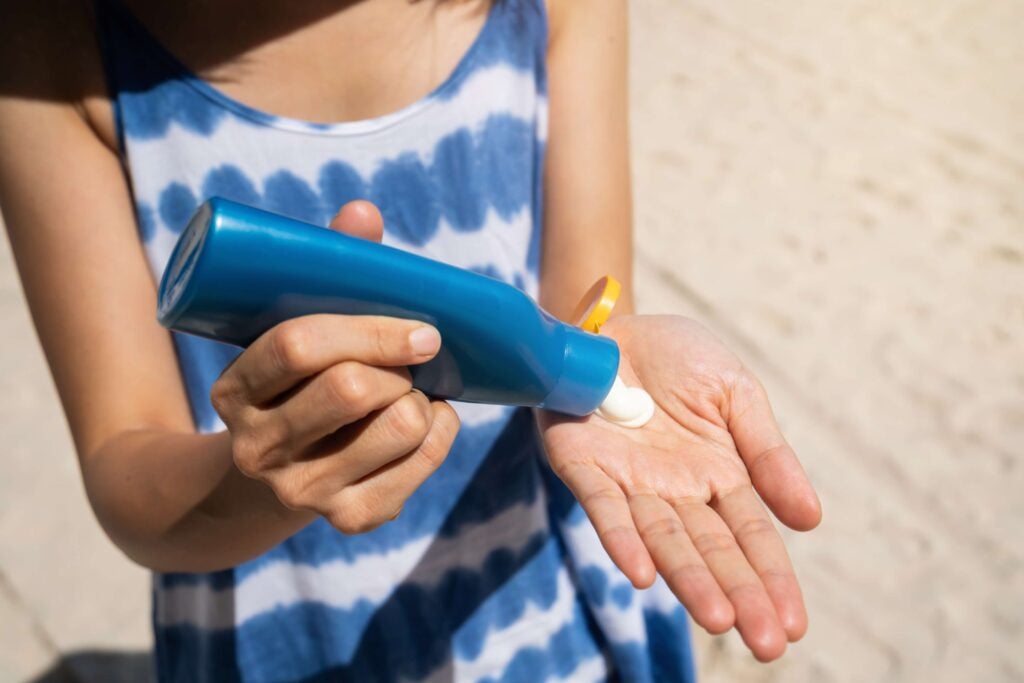
To minimize potential risks, avoid using loose powders and blushes that contain titanium dioxide, as these can easily become airborne. Also, be careful with pressed powders because they can release particles into the air when applied. Titanium dioxide is very effective in creams and lotions as a sunscreen and is considered one of the safest options. However, avoid using aerosolized (spray-on) sunscreens that contain titanium dioxide to prevent inhalation.
Bottom line
The primary risk associated with titanium dioxide is from inhalation, which can potentially cause cancer. To reduce this risk, avoid products that release titanium dioxide particles into the air, and opt for alternatives in food and cosmetics.