What you may have heard
Adhering to a vegetarian diet can reduce your risk of developing cancer.
What the science tells us
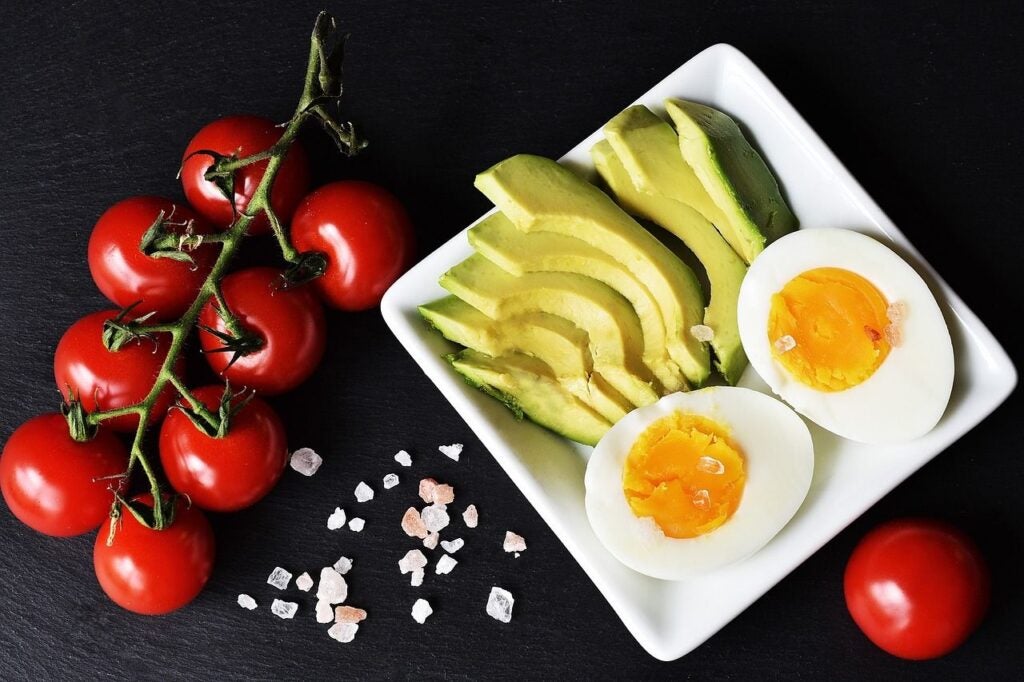
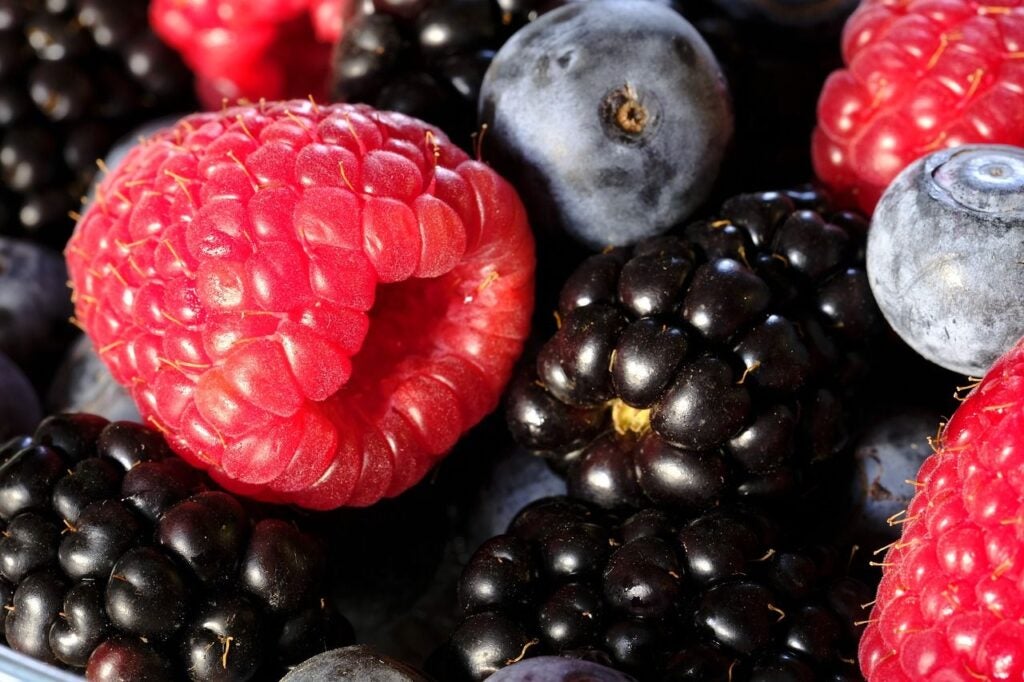
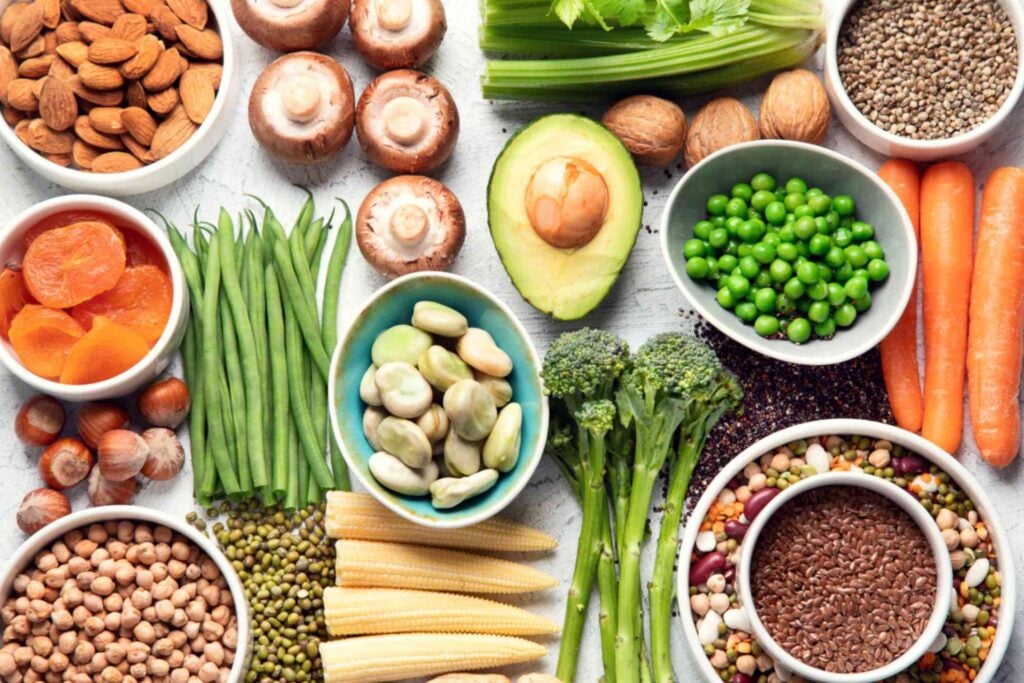
Plant-based foods are rich in vitamins, minerals, and antioxidants that support overall health. They contain phytochemicals, naturally occurring compounds found in fruits, vegetables, beans, nuts, grains, and seeds, that may help decrease cancer risk by supporting immune function and slowing the growth of cancer cells. The high fiber content and low caloric density in plant-based diets aid in healthy weight management, a known protective factor against cancer. However, the benefits of vegetarian diets depend on the type and quality of food included.
Epidemiological Evidence:
Several observational studies suggest that plant-based diets are associated with a 10-14% lower risk of developing cancer (Lanou & Svenson). Data from Oxford Population Health shows a 14% decreased risk among vegetarians and 10% among pescatarians compared to meat eaters.
Emerging evidence from large cohort studies indicates that vegetarian diets may reduce the risk of postmenopausal breast, colorectal, and prostate cancers (Watling et al.). However, the strength of these associations varies across studies, and more research is needed to determine whether plant-based diets directly reduce the risk of these specific cancers.
Laboratory Evidence/Supporting Evidence:
Laboratory studies confirm that components of plant-based diets, such as phytochemicals and dietary fiber, can inhibit tumor growth and slow cancer progression in animal models, aiding in both cancer prevention and treatment (Rudzińska et al).
How to reduce your risk
- Reduce or eliminate red and processed meat intake.
- Add color to your diet, incorporating a variety of fruits and vegetables.
- Increase fiber intake with whole grains, beans, vegetables, and fruits.
- Ensure adequate protein intake through plant-based sources like beans, lentils, tofu, nuts, and seeds.
- Limit processed foods, choosing whole foods whenever possible.
Bottom line
Vegetarian diets may help protect against cancer. However, not all plant-based diets are equally beneficial; for instance, diets high in refined grains, added sugars, or processed foods will not provide the same advantages as those that emphasize whole, minimally processed foods. Following the general principles outlined above can help maximize the potential protective effects of a vegetarian diet and reduce overall cancer risk. Additional research is needed to understand how plant-based diets influence the risk of specific cancer types.
For more information on plant-based diets and cancer risk, watch this video from the Dana-Farber Cancer Insitute and follow the links below.