What you may have heard
Higher levels of vitamin D can reduce cancer mortality and prevent cancer from becoming advanced.
What science tells us
Emerging research indicates that vitamin D might play a role in cancer prevention and management. However, the evidence is mixed, and further studies are needed to fully understand its impact.
Clinical Evidence
- A study published in JAMA found that participants who took 2,000 IU of vitamin D daily for an average of 5.3 years were nearly 20% less likely to develop advanced cancer compared to those who took a placebo. The risk reduction was more pronounced (38%) among normal-weight individuals, while overweight and obese participants did not see the same benefit.
Laboratory Evidence/Supporting Evidence
- Animal studies suggest that vitamin D can alter tumor behavior, making cancer cells less aggressive and less likely to spread. Higher vitamin D levels at the time of cancer diagnosis have been associated with longer survival in previous studies.
IARC Carcinogen Classification: not classified.
How to reduce your risk
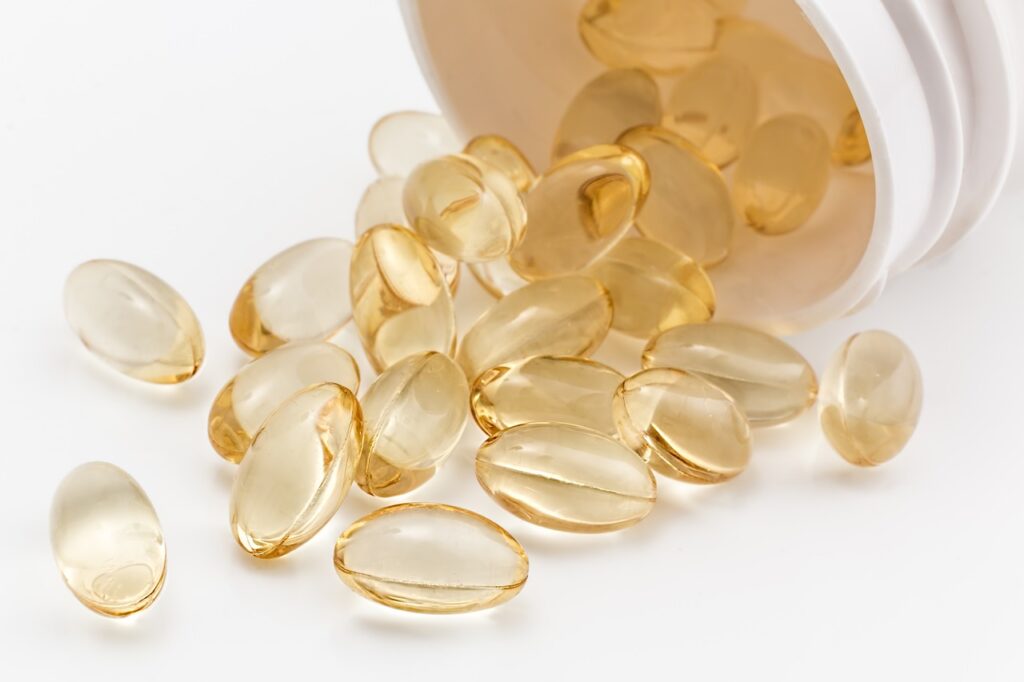
Discuss your vitamin D levels and supplementation with your healthcare provider, particularly if you are at high risk for cancer. Maintaining adequate vitamin D levels through a balanced diet and supplements is advisable for overall health.
Bottom line
While vitamin D supplements may reduce the risk of advanced cancer, more research is needed to confirm these findings and understand the underlying mechanisms. It is not currently recommended to take high doses of vitamin D solely for cancer prevention.
To learn more about vitamin D and cancer risk, watch this video from the Dana-Farber Cancer Institute and click on the links below.