What you may have heard
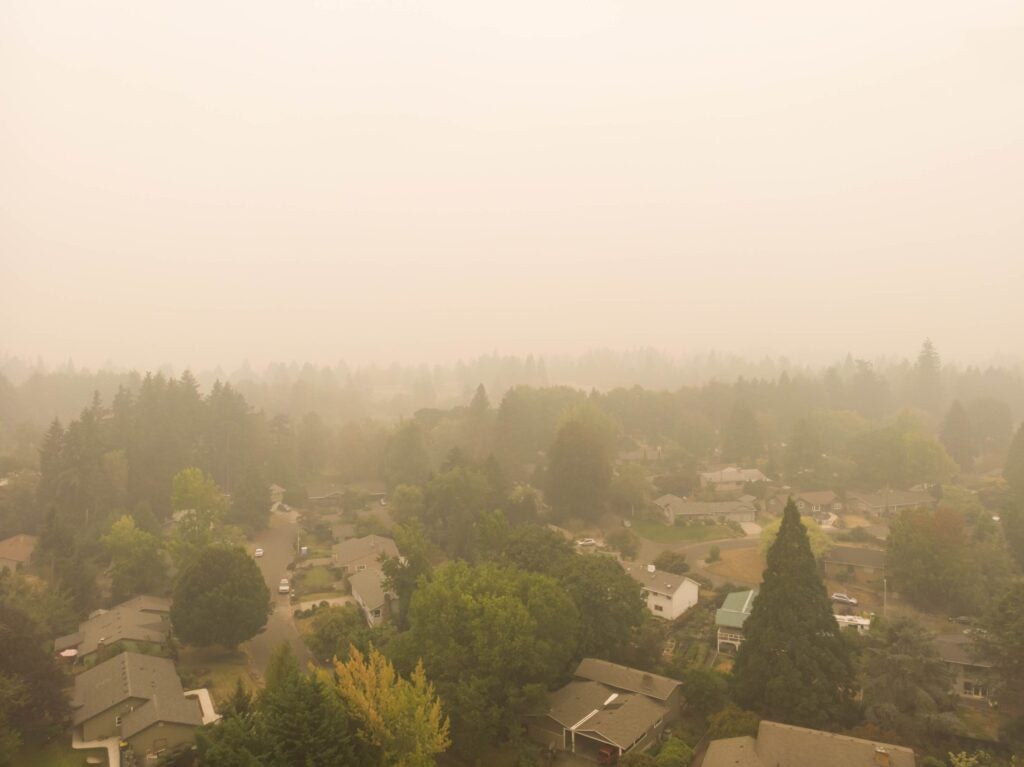
With worsening wildfires across the U.S. and globally, you may have heard that breathing in wildfire smoke could increase your risk of cancer. Some people are comparing it to cigarette smoke or living near highways.
What science tells us
Wildfire smoke contains a mix of known cancer-causing pollutants, including fine particulate matter (PM2.5), benzene, and polycyclic aromatic hydrocarbons (PAHs). These chemicals are linked to cancers such as lung, bladder, and blood cancers in other exposure settings. While long-term studies of wildfire-specific exposure are limited, we know enough about its toxic components to be concerned.
Epidemiological Evidence
- A 2024 study of two million Canadians reported that people exposed to wildfire smoke over many years had a small increase in lung cancer and brain tumors, with estimated increases of 5 percent and 10 percent. No link was found for blood cancers. This is one of the first large population studies suggesting a possible cancer risk from wildfire exposure (PMID: 35550079).
- A 2024 UK Biobank study of nearly 500,000 adults found that higher exposure to wildfire-related PM2.5 over three years was linked to slightly increased cancer mortality, including for lung cancer (+1.1%) and lip, oral, and pharyngeal cancers (+2.7%). These associations were seen even at low exposure levels, suggesting that wildfire smoke may raise cancer risk even in areas not directly affected by fires (Gao).
Laboratory Evidence / Supporting Evidence
Toxicology studies show that wildfire smoke can damage DNA and cause inflammation in animal and cell experiments. These processes are linked to cancer development. Chemicals in wildfire smoke, including PAHs and benzene, have also been shown to directly harm DNA.
IARC Carcinogen Classification
- Wildfire smoke as a whole has not yet been classified
- PM2.5: Group 1 – Carcinogenic to humans
- Benzene: Group 1 – Carcinogenic to humans
- PAHs: Group 1 or Group 2A – Carcinogenic or probably carcinogenic
How to reduce your risk
- Stay indoors with air purifiers during wildfire events.
- Use N95 masks if you must be outside.
- Avoid exercising outdoors when air quality is poor.
- Follow local air quality alerts (AirNow.gov).
Bottom line
Wildfire smoke contains multiple known human carcinogens. Even though direct studies are limited, the strength of evidence for its components supports classifying wildfire smoke as a likely cancer risk. Reducing exposure is a practical step to protect your health.