


Educational Resources
While misinformation abounds on the internet, there are reliable sources of information about cancer that you can trust. We have collected a list of the top authorities on cancer as reliable, evidence-based sources of general information about the disease and its prevention.

Answers to common cancer questions
What are the major risk factors for cancer?
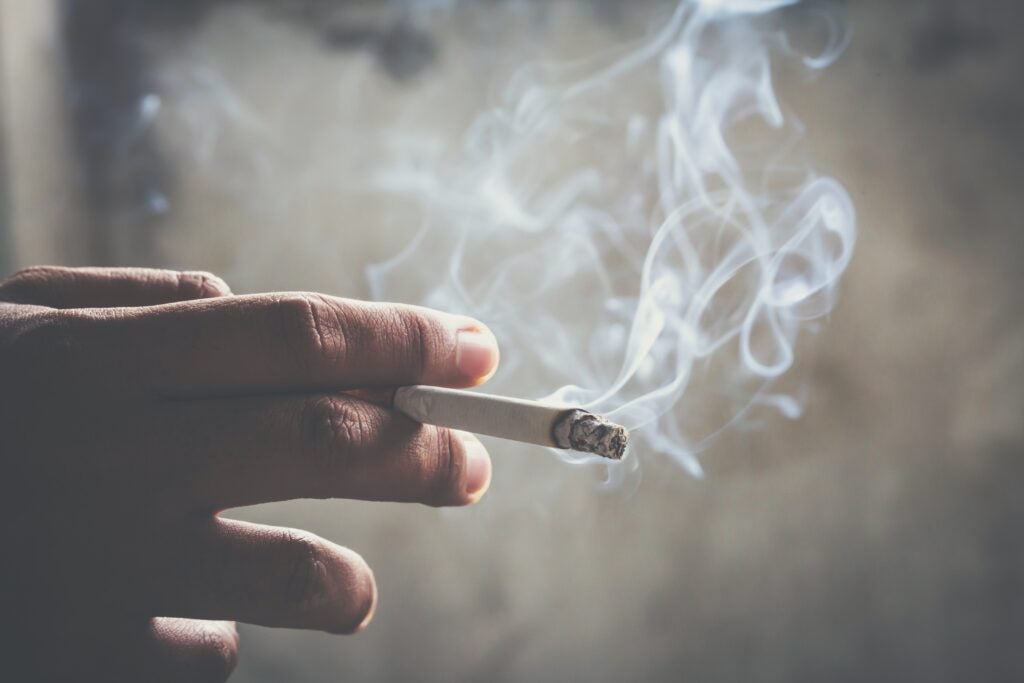
Your risk for cancer is determined by a number of different factors, some of which are within your control and some of which, like age or genetics, are beyond your control. If you want to explore these factors in greater depth, The World Cancer Research Fund and the National Cancer Institute at the National Institute…
How can I reduce my risk of cancer?
Obesity is linked to several kinds of cancer. Maintain a healthy weight for your height through a nutritious diet and regular exercise. See the “American Cancer Society Guideline for Diet and Physical Activity for Cancer Prevention” by the American Cancer Society. Try to fit exercise into your everyday life in a way that works for…
How does something get labeled a carcinogen?
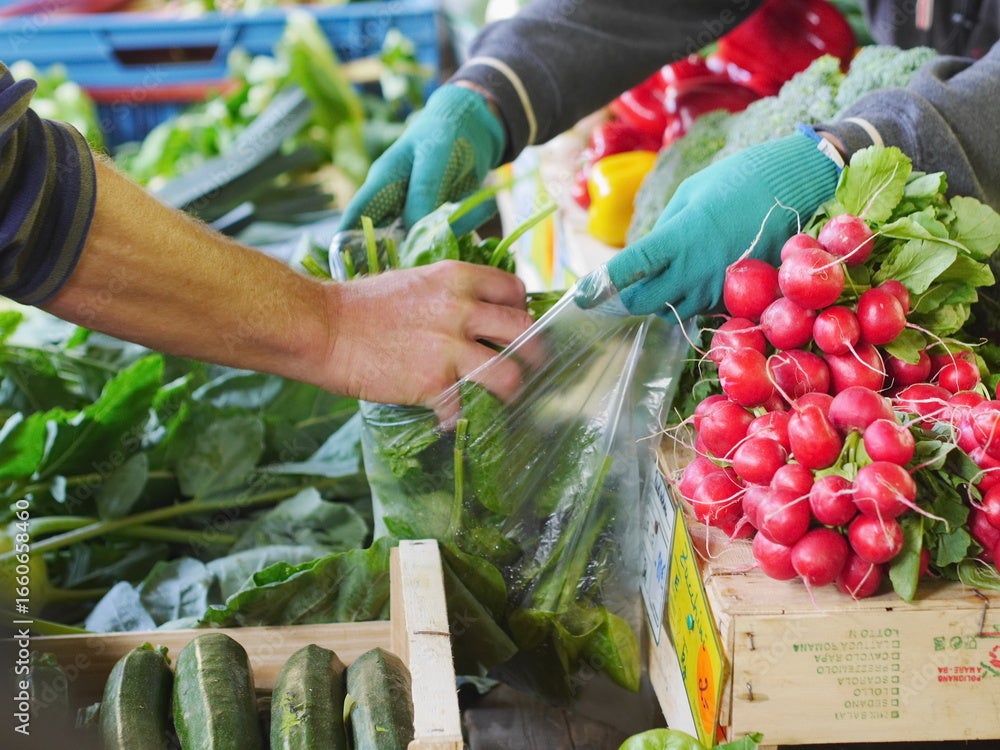
The International Agency for Research on Cancer (IARC) determines whether exposures, compounds, nutrients, occupations, and other exposures are likely to cause cancer. They divide potential cancer-causing exposures into groupings based on the strength of the scientific evidence. The IARC rating system is different than what is presented in the Cancer FactFinder because it considers a…

Can I reduce my risk through diet?
In a word, yes! You don’t have to have a perfect diet. You don’t have to eat only organic food. Experts in cancer prevention at trusted organizations like the World Cancer Research Fund and MD Anderson Cancer Center provide practical advice for reducing your cancer risk through nutrition. See the following websites: Diet | MD…
How much regular exercise will reduce my cancer risk?
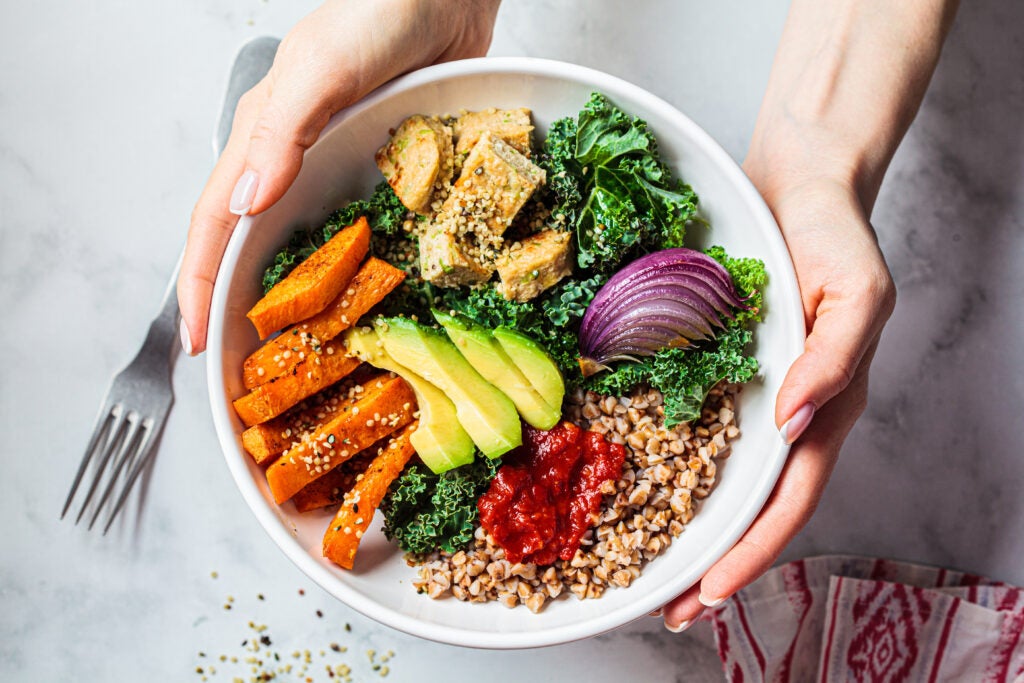
Cancer prevention experts such as the World Cancer Research Fund (WCRF) and the American Institute for Cancer Research (AICR) recommend regular physical movement to reduce your risk of cancer. This doesn’t mean that you have to become a gym rat! But you should try to exercise regularly and avoid a sedentary lifestyle (one in which…

What are the connections between alcohol consumption and cancer risk?
You may have heard at times that there are health benefits to alcohol, particularly for cardiovascular health. And yet there are many stories in the news about how drinking can be bad for your health. It can be confusing! When it comes to cancer, the evidence is clear. Any amount of any type of alcohol…

Additional Resources
Tobacco, Cannabis, and Cancer
Infections and cancer
Resources for kids and families
Exercise & weight management
Diet & cancer risk
Environmental exposures
General resources
Alcohol & cancer risk
Helpful tools and apps
Misinformation in the news

“Do Cell Phones Cause Cancer? Experts Explain the Latest Science”
You might wonder if your cell phone could give you cancer? Read about this common idea in this Prevention article.
“The Truth About Sun Exposure: Doctor Sets the Record Straight amid Influencer Misinformation”
Misinformation about sun protection abounds. Read about common misconceptions about sun protection in this People magazine article.

Confronting a Rising Tide of Cancer Misinformation
Confronting a Rising Tide of Cancer Misinformation As patients take to social media for medical advice, doctors’ empathy and trust-building skills are more important than ever, says oncologist Samyukta Mullangi, in this article by Harvard Magazine.

Cancer claims are everywhere. Which to trust?
Take this research-based quiz about cancer risk written by Sy Boles for the Harvard Gazette.

The Misinformation Susceptibility Test
‘Very online’ Gen Z and millenials are most susceptible to fake news, writes journalist Fred Lewsy about a study from researchers at the University of Cambridge.

Cancer misinformation outperforms medical facts on social media, study finds
“When it comes to information related to cancer, misinformation shared on social media often has more reach than medical facts, according to a study published in the American Cancer Society Journals. Dr. Stacy Loeb, one of the study’s authors, joins “The Daily Report” to discuss.“

The Cancer Misinformation Train: When Influencers Co-Opt Care
Journalist Christina Szalinski writes about patients getting health information from social media in this November 2025 article from Medscape.