- Maintain a healthy weight
Obesity is linked to several kinds of cancer. Maintain a healthy weight for your height through a nutritious diet and regular exercise. See the “American Cancer Society Guideline for Diet and Physical Activity for Cancer Prevention” by the American Cancer Society.
- Be physically active
Try to fit exercise into your everyday life in a way that works for you. Aim to get regular cardiovascular exercise and work on building strength and flexibility each week. See “Exercise and cancer: Be physically active” by the American Institute for Cancer Research.
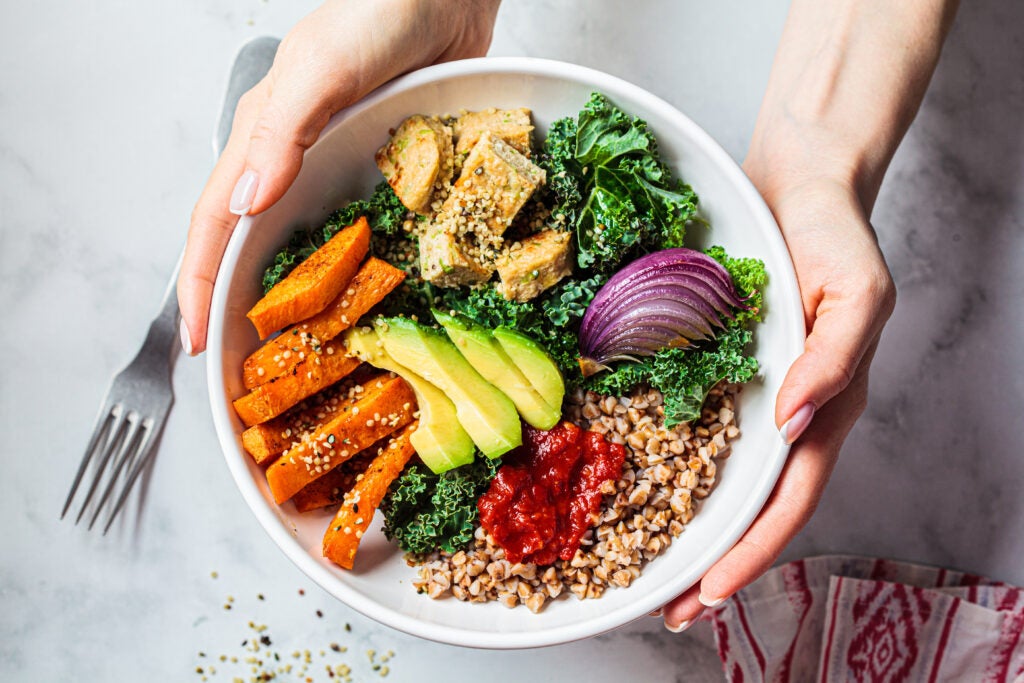
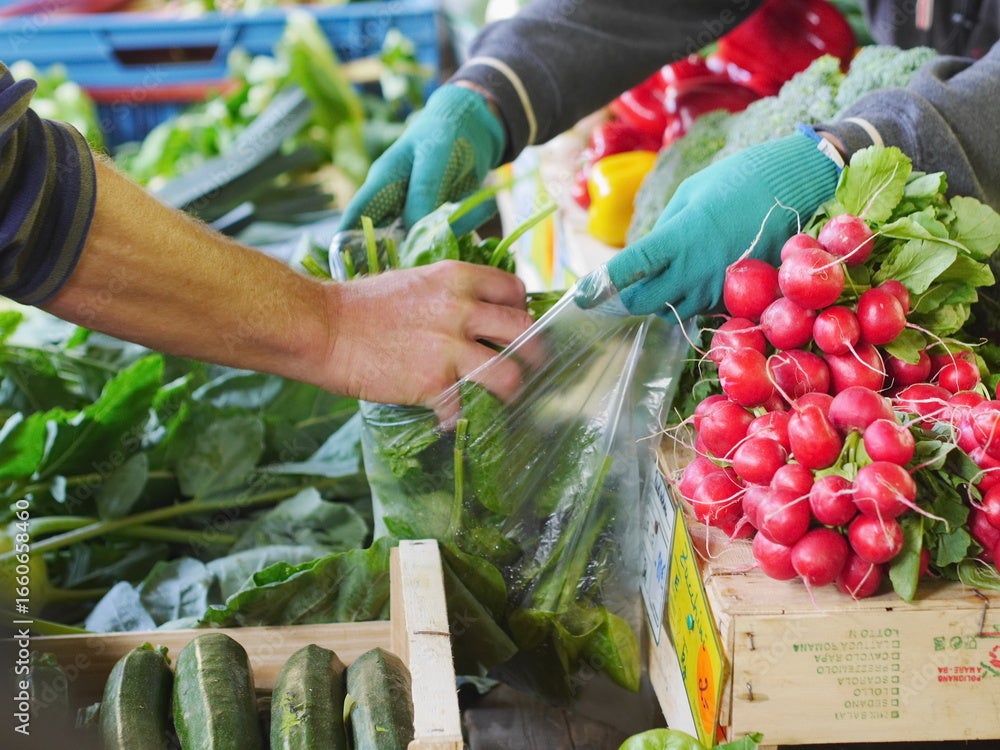
- Eat a diet rich in whole grains, vegetables, fruits, and beans
Read more in “Diet”, an article from MD Anderson Cancer Center or visit The Nutrition Source, an initiative of the Harvard T.H. Chan School of Public Health.
- Limit “fast foods “and other processed foods high in fat, starches, and/or sugars
“Fast foods” don’t just refer to food you buy at the drive-thru, but ready-to-eat packaged foods with a long list of ingredients you won’t find in a home kitchen. These foods often have a long shelf-life.
Also pay attention to what you drink, and take care to avoid or limit beverages with a high amount of added sugar, such as sodas/colas, energy drinks, juices, and iced teas as well as those with artificial sweeteners, like diet drinks.
- Limit consumption of red and processed meat
While red meat has some health benefits (such as iron and B12), limit consumption to a maximum of 350–500g (about 12–18oz) per week to lower your risk of colorectal cancer.
Processed meat is meat that has been altered through curing, salting, fermenting, or smoking. Since any amount of processed meat increases your risk of colorectal cancer, it is best avoided or limited to the occasional treat.
See Limit Consumption of Red and Processed Meat by the World Cancer Research Fund.
- Limit consumption of sugar sweetened drinks
Read more about sugary beverages and health in this article from The Nutrition Source, an initiative of the Harvard T.H. Chan School of Public Health. Find inspiration for healthy substitutes by reading, “Rethink Your Drink: How to Reduce Sugary Drinks” by the American Heart Association.
- Limit alcohol consumption
The scientific findings on the relationship between alcohol and health is complicated, but when it comes to cancer, the evidence is clear: drinking alcohol is linked to increased risk for at least 7 types of cancer.
For this reason, cancer prevention experts recommend avoiding or limiting your alcohol consumption. If you do not presently drink, do not start. If you enjoy alcohol, try to keep your intake to 1 drink per day if you are an adult female or over 65, or 2 drinks per day if you are an adult male.
See “Alcohol and Cancer Risk” by the National Cancer Institute.
- Do not use supplements for cancer prevention
You probably see and hear a lot of advice, especially on social media, to take supplements for better health and disease prevention.
Leading cancer prevention organizations such as the American Institute for Cancer Research maintain that supplements are not recommended for preventing cancer. Instead, eat whole foods such as fruit, vegetables, lean proteins, beans and other legumes, nuts and seeds.
- For mothers: breast-feed your baby, if you can
For more information on this topic, read “Can breastfeeding really lower your breast cancer risk?” from the MD Anderson Cancer Center and “For Mothers: Breastfeed Your Baby, If You Can” from the American Institute of Cancer Research.
Watch this panel discussion nutrition and cancer risk co-sponsored by the Zhu Family Center for Global Cancer Prevention and the Office of Communications at the Harvard T.H. Chan School of Public Health from World Cancer Week, February 2024.