In a word, yes! You don’t have to have a perfect diet. You don’t have to eat only organic food.
Experts in cancer prevention at trusted organizations like the World Cancer Research Fund and MD Anderson Cancer Center provide practical advice for reducing your cancer risk through nutrition.
See the following websites:
Diet | MD Anderson Cancer Center
What Effects Your Risk of Getting Cancer? | World Cancer Research Fund (there are several diet topics on this page)
Diet, Physical Activity, and Healthy Living | American Cancer Society
Their advice can be summarized as follows:
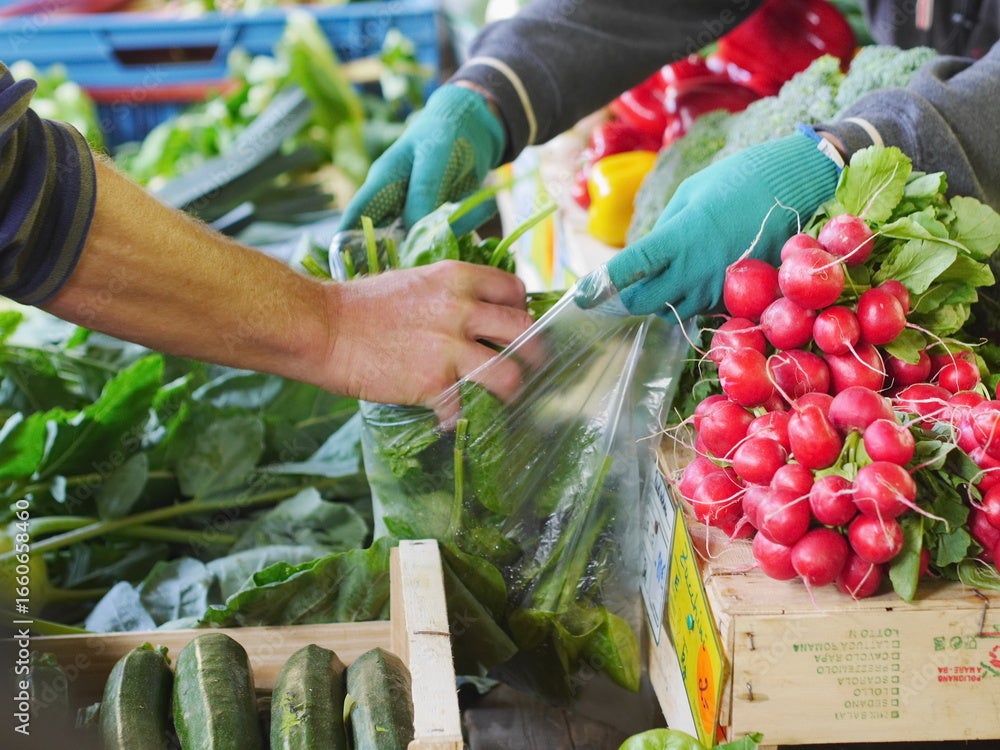
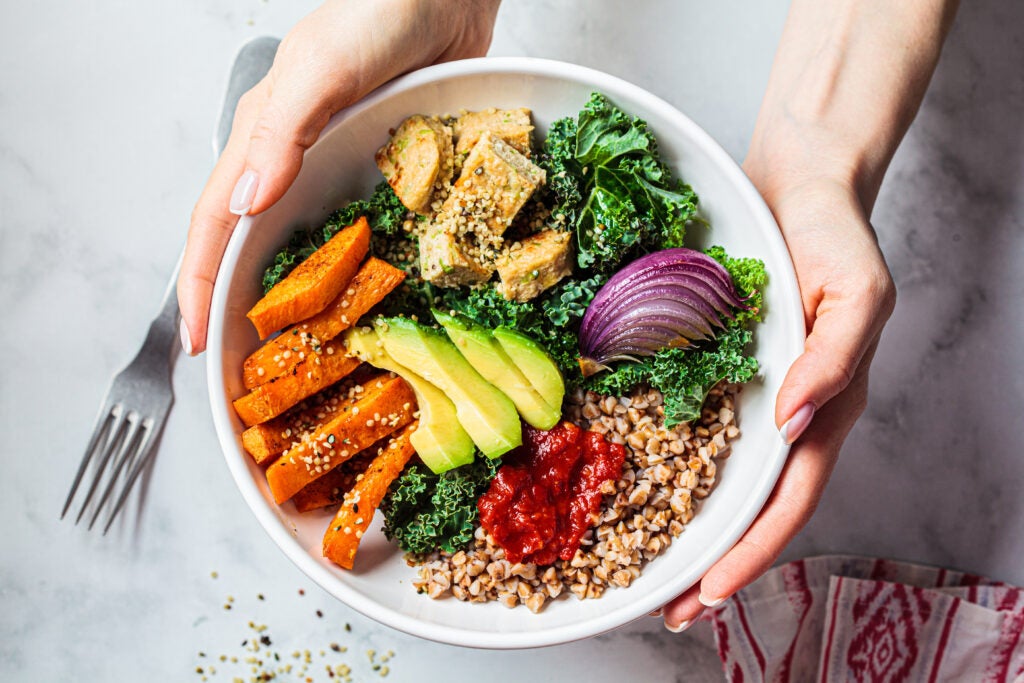
- prioritize:fruits, vegetables, whole grains, pulses, nuts and seeds
- prioritize:lean proteins
- prioritize: whole foods that are minimally processed
- keep red meat consumption to 3 portions a week (350–500g or 12–18oz cooked weight). This is the equivalent of 700–750g of raw meat per week
- avoid or reduce: consumption of processed meats, such as hot dogs and smoked turkey
- avoid or reduce: consumption of sugary beverages like soda/cola, energy drinks, and sweetened teas
- avoid or reduce: alcohol intake. If you drink, stick to 1 drink per day for adult women and those over 65, and 2 drinks per day for adult men
- avoid or reduce: ultra-processed foods (typically, foods with a long shelf life that come in a bag or box and have a long list of ingredients not usually found in a home kitchen)
Check out this collection of cancer-mindful recipes from the American Institute of Cancer Research, or buy a cookbook from the American Cancer Society.
See the Healthy Eating Plate for a visual guide for building a healthy meal and Packing a Healthy Lunchbox, two resources from The Nutrition Source team at the Department of Nutrition at the Harvard T.H. Chan School of Public Health.
For a discussion about diet and cancer risk, watch this panel discussion on cancer risk and nutrion co-sponsored by the Zhu Family Center for Global Cancer Prevention and the Office of Communications at the Harvard T.H. Chan School of Public Health.
What are healthier alternatives to quench your thirst?
Hydrate healthfully
How much water should you drink per day? What about alkaline water, carbonated water, and bottled water? Read all about water at The Nutrition Source.
For alternatives to water, try healthy drinks like this Sparkling Iced Tea with Lemon, Cucumber, and Mint.
The American Heart Association offers tips for reducing your sugary drink intake.
Explore the flavorful world of mocktails! To learn about the science behind the mixology, read this article from Serious Eats. For mocktail recipes, see this Food Network piece.
For a discussion about beverages and cancer risk, watch this panel discussion about beverage choice and cancer risk co-sponsored by the Zhu Family Center for Global Cancer Prevention Director and the Office of Communications at the Harvard T.H. Chan School of Public Health.