Additional languages coming soon.
Skip to content

What you may have heard

People say that using a sauna can raise your cancer risk. The worry is that repeated high heat might damage tissues and lead to cancer.

What science tells us

There is no established mechanism or agency classification linking sauna bathing itself to cancer. By contrast, drinking very hot beverages (over 65 °C) is classified by the International Agency for Research on Cancer (IARC) as probably carcinogenic due to thermal injury to the esophagus; this is not the same exposure as ambient sauna heat (IARC). 

Epidemiological Evidence

  • A Prospective cohort study with 2,173 men in Finland found that frequency of sauna bathing was not associated with all-cancer risk or site-specific (PubMed).
  • Older cohort of 4,475 men among heavy smokers only with “frequent saunas” showed higher lung cancer risk (RR 1.7); authors also reported effects of dust exposure and migration. These results are historical, limited to smokers, and prone to confounding, and they have not been confirmed in modern cohorts (PubMed).

Laboratory Evidence / Supporting Evidence

No animal or human experimental evidence shows that sauna-type heat exposure causes cancer.

IARC Carcinogen Classification

There is no IARC classification for sauna use. For relevant context, very hot beverages (>65 °C) are Group 2A (probably carcinogenic) for esophageal cancer due to thermal injury from drinking. However, this risk is a different exposure pathway from sauna air (IARC). 

How to reduce your risk

  • Follow standard sauna guidelines (limit session length, hydrate, avoid alcohol).
  • Let hot drinks cool below 65 °C to lower esophageal cancer risk from temperature, not from sauna use.

Bottom line

Current human data do not show that sauna use increases cancer risk. Large cohort evidence is null, and there is no IARC listing for saunas; the “hot temperature” risk applies to drinking very hot beverages, not to sauna bathing.


What you may have heard

Some athletes and parents have raised concerns that playing on artificial turf, especially turf with crumb rubber infill made from recycled tires, may increase the risk of developing cancer. Media reports and anecdotal clusters of illness have contributed to public concern.

What science tells us

Artificial turf contains materials that can include polycyclic aromatic hydrocarbons (PAHs), heavy metals, and other potentially hazardous substances (MDPH). These chemicals have been linked to cancer in other contexts, but the question of whether playing on artificial turf causes cancer remains unresolved.

Epidemiological Evidence

  • A 2023 review of global studies found that most epidemiological research on artificial turf and cancer is limited and inconsistent. The review concluded there is no clear evidence of increased cancer risk, but also highlighted the poor quality of existing studies and the need for more rigorous research (PMID: 39982256).
  • A 2018 ecological study of over 7,000 lymphoma cases among 14- to 30-year-olds in California found no association between county-level synthetic turf field density and lymphoma incidence across race, sex, or income subgroups (PMID: 29427968).

Laboratory Evidence / Supporting

  • A 2019 Dutch study analyzed rubber granulate from 100 synthetic turf fields and found several carcinogenic substances, but estimated exposures for polycyclic aromatic hydrocarbons (PAHs), phthalates, and metals were below health concern thresholds, suggesting no meaningful cancer risk from playing on these fields (PMID: 30568187).

IARC Carcinogen Classification

Artificial turf itself has not been evaluated by the International Agency for Research on Cancer (IARC). However, some chemicals commonly found in crumb rubber, such as benzene and certain PAHs, are classified by the IARC as Group 1 (carcinogenic to humans) or Group 2B (possibly carcinogenic to humans).

How to reduce your risk

If you are concerned about artificial turf exposure:

  • avoid eating or drinking directly on the field;
  • wash hands and exposed skin after playing;
  • change clothes and clean shoes after play; and
  • support alternative infill materials (e.g., cork, sand) when available.

Bottom line

Artificial turf contains several chemicals known to be hazardous in other settings, but current evidence does not show a clear link between turf exposure and cancer. More well-designed, long-term studies are needed to clarify any potential risks.

What you may have heard

Getting a tattoo can directly lead to cancer.

What science tells us

Epidemiological Evidence 

Several studies have explored the potential link between tattoos and cancer. For instance, researchers at Lund University in Sweden investigated the association between tattoo exposure and malignant lymphoma using data from people diagnosed with lymphoma between 2007 and 2017. The study found that tattooed individuals had a 21% higher risk of developing malignant lymphoma compared to non-tattooed individuals. However, these findings are not conclusive and further research is needed to establish a definitive link.

Laboratory Evidence/Supporting Evidence 

Laboratory tests have confirmed that many tattoo inks contain harmful substances. For example, black ink has been found to contain high levels of benzo(a)pyrene, a known carcinogen. Studies have shown that these substances can migrate from the tattoo site to lymph nodes and other parts of the body, raising potential health concerns. The Australian Government’s Department of Health, through the National Industrial Chemicals Notification and Assessment Scheme (NICNAS), reported that many tattoo inks contain polycyclic aromatic hydrocarbons (PAHs) and other hazardous components like barium, copper, and mercury.

IARC Carcinogen Classification

The IARC has classified certain chemicals found in tattoo inks as known or possible carcinogens. This includes substances like PAHs, which are present in many black inks.

How to reduce your risk

  • Choose Reputable Tattoo Parlors: Ensure the parlor follows strict hygiene practices and uses high-quality, safe inks.
  • Ask About Ink Safety: Inquire if the inks comply with safety standards such as the European ResAP(2008)1.
  • Avoid Tattoos Over Moles: Do not get tattoos over existing moles or skin abnormalities, as this can hinder the detection of skin changes.
  • Consider the Location and Size: Larger tattoos or those in sensitive areas may pose higher risks.

Bottom line

The claim that tattoos cause cancer is not definitively proven, but there are valid concerns about the potential risks associated with certain tattoo inks. It’s important to stay informed and take precautions if you choose to get tattooed. Further research is needed to fully understand the long-term health effects of tattoos.

To watch a short video on tattoos and cancer risk, click play on the video from Mt. Sinai Hospital below.

What you may have heard

UV lamps used in gel manicures can cause skin cancer due to the UV radiation they emit, similar to tanning beds.

What science tells us

Epidemiological Evidence:

The evidence from epidemiological studies is currently inconclusive. While there have been anecdotal reports of individuals developing skin cancer on their hands after frequent gel manicures, comprehensive long-term studies are lacking. Therefore, it is unclear if occasional or even regular use of these UV lamps significantly increases cancer risk.

Laboratory Evidence/Supporting Evidence:

Recent research from the University of California, San Diego, demonstrated that UV-nail polish dryers can cause DNA damage and cell death in human cells. The study found that a single 20-minute session of UV exposure resulted in 20-30% cell death, while three consecutive sessions led to 65-70% cell death. DNA damage observed included mutations similar to those seen in skin cancer patients. However, this laboratory evidence, while concerning, does not directly translate to an increased risk in humans without supporting epidemiological data.

IARC Carcinogen Classification: 

classifies broad-spectrum UV radiation as a Group 1 carcinogen, meaning it is carcinogenic to humans. However, the specific UV spectrum used in nail dryers (340-395nm) has not been conclusively studied in the same context as other UV sources like tanning beds.

How to reduce your risk

  • Use sunscreen: Apply a broad-spectrum sunscreen with an SPF of 30 or higher to your hands before a gel manicure to protect against UVA radiation.
  • Wear protective gloves: Consider using gloves with the fingertips cut off to shield your skin from UV exposure.
  • Limit frequency: Reduce the number of gel manicures you get to minimize cumulative UV exposure.
  • Opt for alternative methods: Consider using non-UV methods for curing gel polish or opt for traditional nail polish.

Bottom line

While laboratory studies show that UV-nail polish dryers can cause DNA damage in cells, the evidence linking gel manicures to an increased risk of skin cancer in humans is not definitive. Until more comprehensive epidemiological data is available, it is important to take protective measures to minimize UV exposure during gel manicures.

For further reading, check out this short aricle about gel manicures and cancer risk from the Dana-Farber Cancer Insittute.

What you may have heard

Colon cleansing can lower the risk of colorectal cancer by removing toxins and waste from the colon.

What the science tells us

The colon, an integral part of the digestive system, is responsible for absorbing water, salts, and nutrients from ingested food before expelling solid waste. It plays a vital role in maintaining a healthy bacterial composition, known as the microbiome, which is crucial for overall health and may offer protection against infections and colorectal cancer. The body’s natural digestive processes, including regular bowel movements, are sufficient to eliminate waste and toxins, thereby supporting a balanced gut microbiome without the need for additional cleansing.

Epidemiological Evidence:

Scientific research does not support the notion that colon cleansing reduces the risk of colorectal cancer. The colon’s natural functions are adequate for waste and toxin management, and there is no evidence suggesting that additional cleansing is necessary or beneficial in this regard.

Laboratory Evidence/Supporting Evidence: 

The FDA does not regulate colon cleanse products, classifying them as dietary supplements, which may contain harmful ingredients. Furthermore, devices used for colon irrigation are not FDA-approved for this purpose, and practitioners of colon cleansing often lack certification from medical authorities, raising significant safety concerns.

IARC Carcinogen Classification:

Not Classified

How to reduce your risk

  • Stay Hydrated: Adequate water intake is essential to facilitate the movement of food through the digestive system efficiently.
  • Exercise Regularly: Physical activity accelerates digestion and the U.S. Department of Health and Human Services recommends that adults engage in 150-300 minutes of moderate-intensity aerobic exercise or 75-150 minutes of vigorous-intensity aerobic activity each week.
  • Follow a Plant-Based Diet: Consuming a diet rich in vegetables, whole grains, fruits, and beans increases fiber intake, which helps prevent gastrointestinal issues and lowers the risk of colorectal cancer.
  • Add Resistant Starches and Probiotics to your Diet: Foods such as green bananas, beans, whole grains, yogurt, and kefir support a healthy gut microbiome.
  • Avoid Harmful Substances: Limiting or avoiding tobacco, alcohol, and processed meats, and reducing red meat consumption to no more than 18 ounces per week, can lower cancer risk.
  • Undergo Regular Screenings: Begin colorectal cancer screenings at age 45, or earlier if advised by a healthcare provider.
  • Maintain a Healthy Weight: Reducing body fat percentage can significantly decrease the risk of colorectal cancer.

Bottom line

Colon cleansing is not an evidence-based method for reducing the risk of colorectal cancer.

What you may have heard

Cannabis oil is a natural cure for cancer.

What the science tells us

Cannabis oil, extracted from the cannabis sativa plant, can be found in various products such as oils, roll-ons, vaping solutions, and edibles. It contains cannabidiol (CBD), which, unlike THC (another component of cannabis), does not affect the mind. Despite its growing popularity and presence in places like grocery stores and pharmacies, there is no scientific evidence supporting its ability to cure cancer.

Epidemiological Evidence:

Studies examining the relationship between cannabis use and cancer have shown mixed results.

  • Lung cancer: Cannabis smoke shares many of the same harmful substances as tobacco smoke. A study found increased lung cancer risk in tobacco smokers who also used cannabis. However, another study did not find a significant increase in lung cancer risk for low cannabis use.
  • Testicular cancer: Heavy cannabis use has been linked to a higher risk of testicular cancer. However, occasional use did not show the same correlation.
  • Bladder cancer: Some studies suggest that cannabis users have a lower risk of bladder cancer, but more extensive research is needed to confirm these findings.
  • Research on how cannabis interacts with conventional cancer treatments is limited. Some studies suggest that cannabis may reduce the effectiveness of immunotherapy treatments. For example, a study observed that cannabis use diminished the positive effects of immunotherapy.

Laboratory Evidence/Supporting Evidence:

Laboratory studies and small clinical trials have explored the potential benefits of cannabinoids for cancer patients. Some research suggests that cannabinoids may help with symptoms like nausea, vomiting, anorexia, neuropathy, anxiety, depression, and insomnia, but these findings are not conclusive.

IARC Carcinogen Classification: 

Not Classified.

How to reduce your risk

Given the risks associated with CBD oil, it is better to avoid using it, especially if you are undergoing cancer treatment. Always consult with your healthcare provider before considering CBD oil as part of your treatment plan. The FDA has not approved cannabis or cannabinoids for use as a cancer treatment. Cannabis is also not approved by the FDA for the treatment of any cancer-related symptoms or side effects of cancer therapy.

There are some concerns associated with CBD Oil:

  • Cannabis oil is very unregulated, making it difficult to know the exact content of CBD or THC in any given product. Some products have been found to contain significantly less CBD or more THC than advertised.
  • Trace amounts of THC could be present in cannabis oil, potentially affecting the mind. Cross-contamination during extraction, handling, or packaging is also a risk.
  • There have been reports of infections following the use of CBD and cannabis products, which is particularly concerning for immunocompromised patients who are more susceptible to bacterial and fungal infections.

Bottom line

While CBD oil is often promoted as a treatment for cancer and its symptoms, there is currently no scientific evidence to support these claims. It is crucial to rely on proven, conventional treatments and to discuss any use of CBD oil with your healthcare provider to avoid potential interactions with your cancer treatment.

For a related video on marijuana smoking and cancer risk, watch this short video from the Dana-Farber Cancer Institute below.

What you may have heard

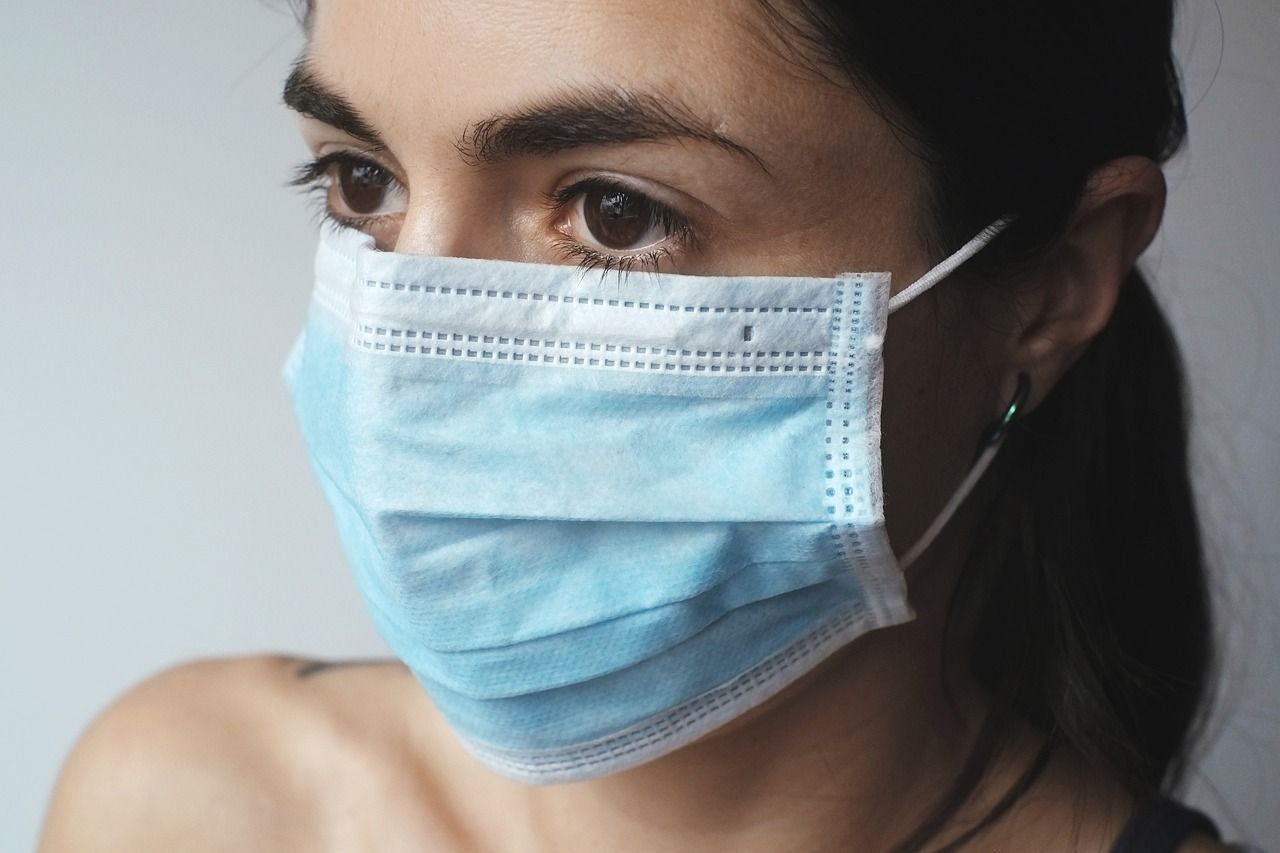
Mask-wearing increases the risk of cancer.

What science tells us

There is a vast amount of evidence showing that long-term mask-wearing has no effect on cancer risk. The first study to make this false accusation about masks has been discredited by many other studies (Moffitt Cancer Center). The American Lung Association also states that there is no shred of truth to the statement (ALA).

Epidemiological Evidence

The Centers for Disease Control and Prevention has also responded, stating that mask-wearing does not pose any additional health risks and is essential to protect individuals from COVID-19. Wearing a facial covering helps protect others when you cough, sneeze, or talk and spray viral droplets into the air (ALA). Many people are not aware they have become infected and unknowingly spread COVID-19 to others. As a result, wearing a mask is important to lessen the spread of disease. There is no evidence from epidemiological studies that conclude that mask wearing is associated with cancer.

Laboratory Evidence

There is no evidence from laboratory studies that connect mask wearing to cancer development.

IARC Carcinogen Classification:

Not Classified.

How to reduce your risk

When selecting your mask, it is important that the mask not be so thick as to make breathing uncomfortable. Filters are probably unnecessary and may make masks more uncomfortable. The gold standard is the N-95 mask, which is 95% effective at protecting the wearer from inhaling viral particles (ALA). Surgical masks are less effective and cloth masks are even less so. Regardless, even a 50% reduction in transmission is essential to reduce the spread of COVID-19 (ALA).
Whenever you wear a mask, make sure it is new and sterile. If wearing a mask does give you breathing difficulties, try going to a space outdoors and away from people to regain your breath (CDC).

Bottom line

Mask usage does not cause cancer and using masks to prevent the spread of infectious diseases (such as COVID-19) is crucial.

What you may have heard

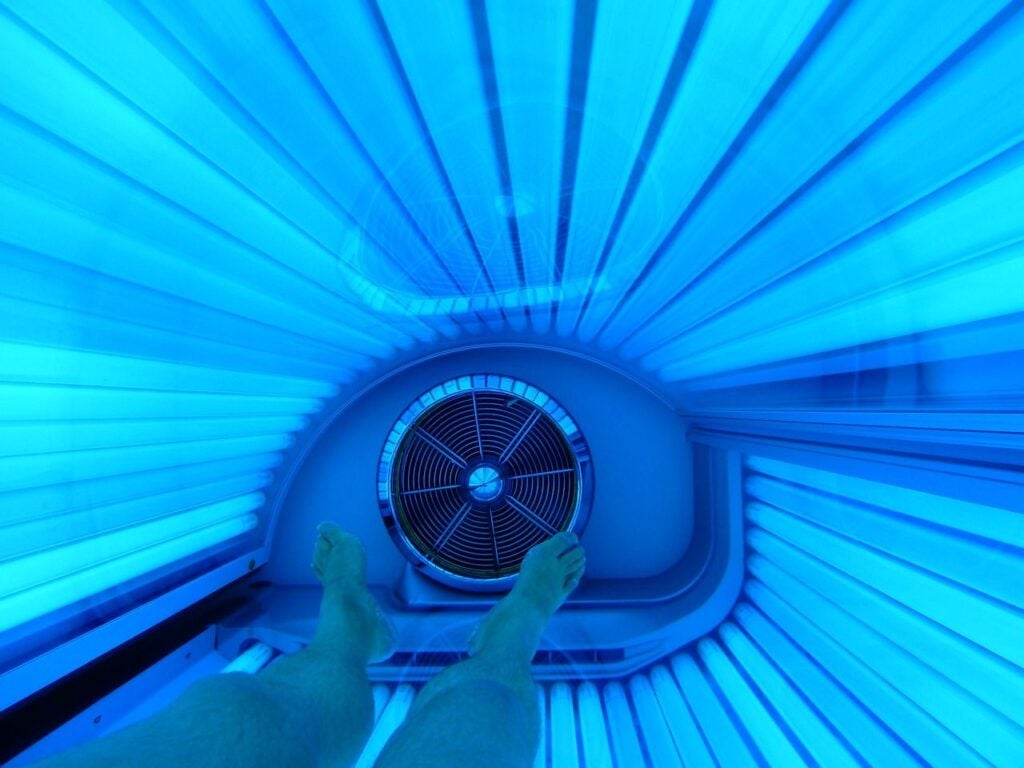
According to a 2012 report conducted by the U.S. House of Representatives Committee on Energy and Commerce, when contacted by Committee investigators, 90% of tanning salon staff provided false information about the serious risks of indoor tanning and made false claims about the health benefits that indoor tanning provides (AAD).

What science tells us

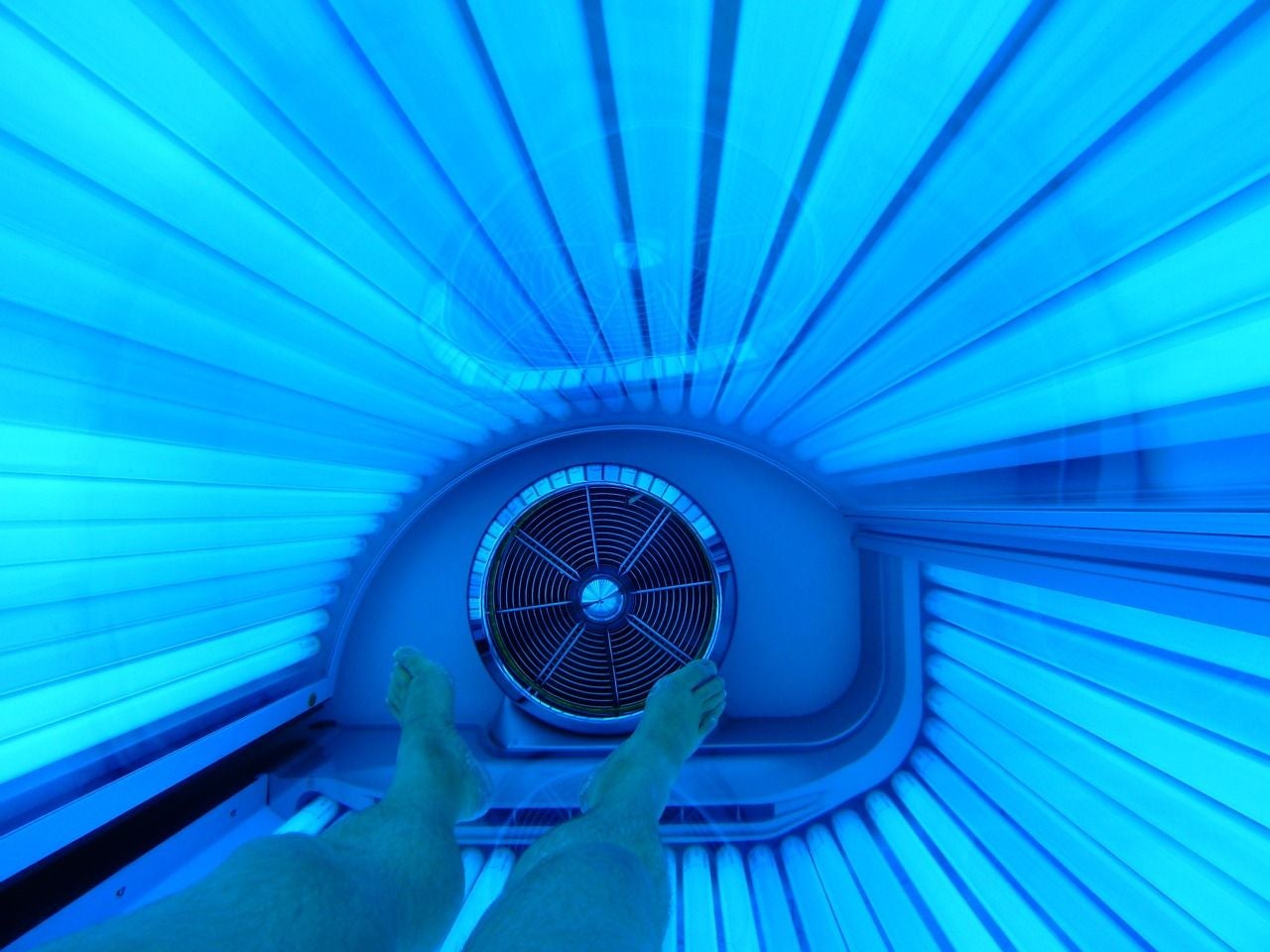
Worldwide, there are more skin cancer cases due to indoor tanning than there are lung cancer cases due to smoking (SCF). The International Agency for Research on Cancer (IARC) moved tanning beds to the highest cancer-risk category: carcinogenic to humans (FDA). 

Whether it occurs outdoors or indoors, tanning is a visual sign of DNA damage to your skin. Tanning is caused by exposure to ultraviolet (UV) radiation and causes damage to the outermost layer of skin cells. There is no such thing as a “safe” or “healthy tan” (AAD). There is a growing body of evidence that indicates that tanning can be addictive. Among 18- to 30-year-old white women who use indoor tanning, 20% show signs of addiction (AAD).

Epidemiological Evidence

According to the Skin Cancer Foundation, there is a 75% increased risk of developing life-threatening melanoma from just one indoor tanning session before the age of 35 (SCF). Tanning also increases your risk of basal cell carcinoma and squamous cell carcinoma.

Laboratory Evidence/ Supportive Evidence

The results of animal studies generally support the observation from epidemiological studies that UV exposure is associated with skin cancer risk (Gober et al.). 

IARC Carcinogen Classification:

Group 1 (carcinogenic to humans: UV-emitting tanning beds)

How to reduce your risk

Avoiding tanning entirely is the best way to protect against skin damage. If you still want the look, there are many lotions that give a bronzed look without adding sun.

If you spend time in the sun, use sun protection; it is never too late to start protecting your skin. As soon as you stop tanning, your body begins to repair some of the damage caused by UV rays (AAD).

When choosing a sunscreen, make sure the label says broad spectrum, SPF 30 or higher, and water resistant. Broad spectrum means that the sunscreen can protect your skin from both UVA and UVB rays, and water resistance means that the sunscreen will stay on wet or sweaty skin for between 40 to 80 minutes (AAD).

Bottom line

Indoor tanning (as well as outdoor tanning) increases your risk of developing skin cancer, including melanoma, basal cell carcinoma, and squamous cell carcinoma, and should be avoided.

Watch this short video on tanning beds and cancer risk from the M.D. Anderson Cancer Center, and follow the links below for more information.


What you may have heard

You may have heard that smoking marijuana is safer than cigarettes and does not cause cancer.

What science tells us

Marijuana is the name given to the dried buds and leaves of the cannabis plant; it goes by many names, including pot, grass, cannabis, weed, and hemp. Marijuana plants come in many different strains with different levels of active compounds, and effects can vary based on how deeply and how long the user inhales; as a result, each user’s experience is very different.

Delta-9-tetrahydrocannabinol (THC) causes the “high” reported by marijuana users and can also help relieve pain and nausea, and reduce inflammation (ACS). Cannabidiol (CBD) can be used to help treat seizures, reduce anxiety and paranoia, and can counteract the high caused by THC (ACS).


Marijuana can pose some harm to users. The most common effects of marijuana are euphoria, decreased control over movement, disorientation, and sometimes anxiety, paranoia, suicidality, or psychosis (DFCI). Smoked marijuana delivers THC and other cannabinoids to the body, but also delivers harmful substances to those close by (ACS). Marijuana smoking can cause chronic bronchitis and problems with learning, memory, and attention.


Both cannabis and cannabinoids may be addictive. Symptoms of withdrawal from cannabis may include being easily annoyed or angered, trouble sleeping, unable to stay still, hot flashes, nausea, or cramping (NCI).

The US Drug Enforcement Administration (DEA) lists marijuana as a Schedule I controlled substance, even though some states have legalized its purchase and use, it cannot be legally prescribed, possessed, or sold under federal law. However, the use of marijuana to treat some medical conditions is legal under state laws in many states.

Epidemiological Evidence

There is much we still do not know about marijuana use because its potential cancer effects are poorly studied and it is still characterized as an illegal substance by the US DEA. The categorization of marijuana as an illegal substance limits the amount of research and the types of research that scientists can do. More human research studies are needed to see the effects of marijuana over time.

Laboratory Evidence/Supporting Evidence

Animal studies have reported the effect of marijuana. One study found that marijuana reduced the size of prostate tumors, which differed based on the dose and length of the treatment. However, further studies are needed to confirm this result (Singh et al.). 

IARC Carcinogen Classification:

Not classified.

How to reduce your risk

The American Cancer Society recommends that any decisions about pain and symptom management with marijuana use should be made between a patient and their doctor, balancing evidence of benefit and harm to the patient, the patient’s preferences and values, and any laws and regulations that may apply.  The mode of marijuana consumption may also affect cancer risk, with smoking (burning) of marijuana producing potential cancer-related substances.

Bottom line

There is not enough evidence to say if marijuana use is linked to cancer, but marijuana use may pose other harms to users.

To hear from a physician on this matter, watch the brief video below.

What you may have heard

Smoking e-cigarettes or vaping can increase your risk of lung cancer.

What science tells us

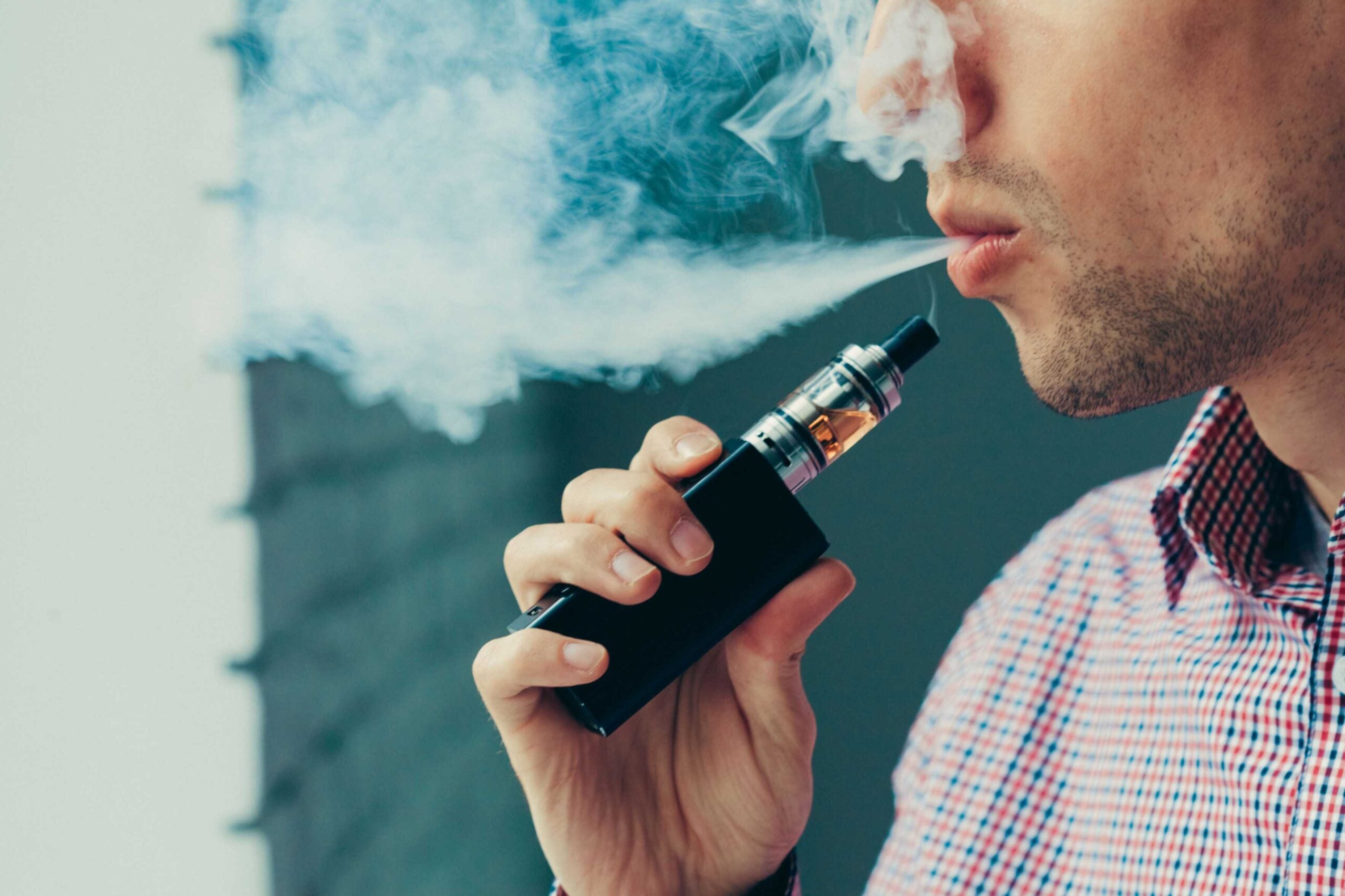
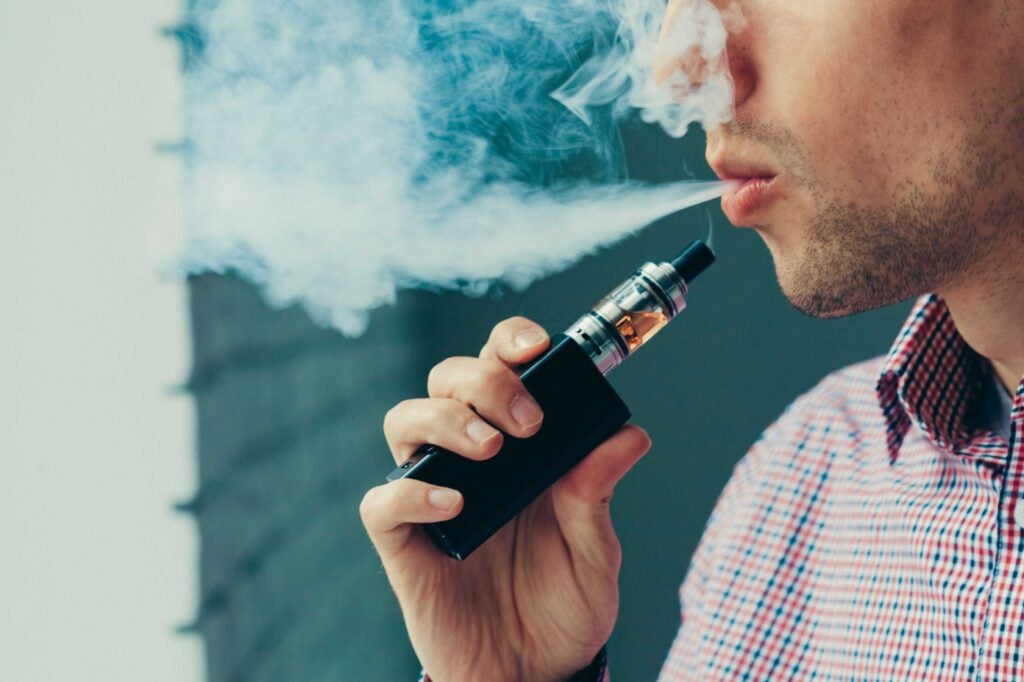
These products are known by many names including e-cigs, vape pens, vaporizers, and electronic nicotine delivery systems (ENDS). They consist of a battery that turns the device on, a cartridge containing liquid (or “pod”), and a heating element that heats the contents of the pod. E-cigarettes are still fairly new and more research is needed over a longer time to determine what the long-term effects on cancer may be (ACS). E-cigarettes have become very popular and their possible link to cancer have often made headlines. While e-cigarettes do not contain tobacco, most contain nicotine, which can come from tobacco; as a result, the FDA characterizes them as tobacco products.

The FDA does not require testing of all substances in e-cigarettes to ensure that they are safe. In addition, most products do not list all of the harmful or potentially harmful substances contained in them. The US Centers for Disease Control and Prevention (CDC) has stated that e-cigarette products may contain harmful or illegal substances from unknown origins.

Epidemiological Evidence

Scientists are unsure whether or not e-cigarettes cause cancer, although they are known to contain cancer-causing chemicals. The aerosol “vapor” of an e-cigarette is not water vapor but contains a range of substances that may include:

  • volatile organic compounds (VOCs), which can cause eye, nose, and throat irritation; headaches; nausea; and damage to the liver, kidney, and nervous system;
  • glycerin, which is linked to loss of lung function when inhaled; and
  • flavoring chemicals, such as diacetyl, which has been linked to bronchiolitis obliterans, a serious lung disease.

Formaldehyde, a known carcinogen, is produced if the e-liquid overheats or not enough liquid is reaching the heating element (ACS).

Toxicology Evidence

E-cigarette vapor is linked to lung cancer in many animal studies (NIH). Several animal studies have concluded that daily exposure to e-cigarettes increased cell tumor growth (Marczylo). 

IARC Carcinogen Classification:

Not classified (although some components of e-cigarette vapor are carcinogens, including formaldehyde, a Group 1 carcinogen, known to be carcinogenic to humans)

How to reduce your risk

E-cigarette use exposes people to potentially serious health risks. It’s important to stop using all tobacco products, including e-cigarettes, as soon as possible to avoid becoming (or staying) addicted to nicotine (JHU). If you are having trouble quitting e-cigarettes on your own, get help from your doctor or from other support services such as your state’s Quitline (1-800-QUIT-NOW) or the American Cancer Society (1-800-ACS-2345).

Bottom line

There is not enough evidence yet to say that e-cigarettes cause cancer. However, e-cigarettes do not consist of water vapor alone, but contain a range of substances, including cancer-causing chemicals. E-cigarettes should be avoided because their use may lead to nicotine addiction and many other serious health conditions.

Fact Finder Tool

Discover insights, research, and information to help you navigate cancer-related topics with confidence.

952 posts available
5 categories

CLAIM: Using a sauna causes cancer

What you may have heard People say that using a sauna can raise your cancer risk. The worry is that repeated high heat might damage tissues and lead to cancer. What science tells us There is no established mechanism or agency classification linking sauna bathing itself to cancer. By contrast, drinking very hot beverages (over…

Read More →

CLAIM: Tattoos cause cancer

What you may have heard Getting a tattoo can directly lead to cancer. What science tells us Epidemiological Evidence  Several studies have explored the potential link between tattoos and cancer. For instance, researchers at Lund University in Sweden investigated the association between tattoo exposure and malignant lymphoma using data from people diagnosed with lymphoma between…

Read More →

CLAIM: Mask wearing causes cancer

What you may have heard Mask-wearing increases the risk of cancer. What science tells us There is a vast amount of evidence showing that long-term mask-wearing has no effect on cancer risk. The first study to make this false accusation about masks has been discredited by many other studies (Moffitt Cancer Center). The American Lung…

Read More →

CLAIM: Tanning beds cause cancer

What you may have heard According to a 2012 report conducted by the U.S. House of Representatives Committee on Energy and Commerce, when contacted by Committee investigators, 90% of tanning salon staff provided false information about the serious risks of indoor tanning and made false claims about the health benefits that indoor tanning provides (AAD).…

Read More →

CLAIM: Marijuana smoking does not cause cancer

What you may have heard You may have heard that smoking marijuana is safer than cigarettes and does not cause cancer. What science tells us Marijuana is the name given to the dried buds and leaves of the cannabis plant; it goes by many names, including pot, grass, cannabis, weed, and hemp. Marijuana plants come…

Read More →

CLAIM: E-cigarettes/vaping cause cancer

What you may have heard Smoking e-cigarettes or vaping can increase your risk of lung cancer. What science tells us These products are known by many names including e-cigs, vape pens, vaporizers, and electronic nicotine delivery systems (ENDS). They consist of a battery that turns the device on, a cartridge containing liquid (or “pod”), and…

Read More →