Additional languages coming soon.
Skip to content

What you may have heard

Tobacco use is a leading cause of cancer and cancer death. It is also the biggest preventable cause of cancer.

What science tells us

All tobacco products, including cigarettes, cigars, pipe tobacco, chewing tobacco, and snuff contain poisonous substances, cancer-causing agents, and nicotine (a highly addictive substance).

Cigarettes are the most common form of tobacco used and are responsible for about 90% of all lung cancers, according to the American Lung Association (Johns Hopkins).

Epidemiological Evidence

Both people who smoke and people who inhale secondhand smoke have an increased risk of cancer, because tobacco has chemicals that cause DNA damage. Tobacco use causes many types of cancer:  lung, larynx (voice box), esophagus, throat, bladder, kidney, liver, stomach, pancreas, colon, rectum, and acute myeloid leukemia (cancer of the blood and bone marrow) (NCI).

Cigars and pipes are often branded as a less harmful way to smoke tobacco; however, cigar and pipe smokers are at increased risk for cancer of the oral cavity, esophagus, voice box, and lungs. Pipe smokers are also at increased risk for lip cancers because of where the pipestem rests (Johns Hopkins).

People who use smokeless tobacco (snuff or chewing tobacco, which is placed between the cheek and the gum) have an increased risk of cancers of the mouth, esophagus, and pancreas (Johns Hopkins). Over 28 cancer-causing chemicals have been found in smokeless tobacco.

Laboratory Evidence/ Supportive Evidence

Animal models have also confirmed that tobacco smoking not only increases the risk of lung cancer, but lifetime exposure to tobacco smoke also increases the risk for lung cancer (Hecht). 

IARC Carcinogen Classification:

Group 1 (carcinogenic to humans)

How to reduce your risk

There is no safe level of tobacco use. People who use any type of tobacco product are strongly urged to quit. Scientific evidence shows that people who quit smoking, regardless of their age, have large gains in life expectancy compared to people who continue to smoke (NCI). Also, quitting smoking when diagnosed with cancer reduces the risk of cancer death.

If you are having trouble quitting on your own, get help from your doctor or from other support services, such as your state Quitline (1-800-QUIT-NOW) or the American Cancer Society (1-800-ACS-2345). The American Cancer Society recommends picking a stress-free time to quit, asking for support and encouragement from family and friends, doing some exercise or activity each day to relieve stress, joining a stop-smoking program, and talking with your healthcare provider about medicines that may help you quit (Johns Hopkins).

Bottom line

Tobacco use does increase risk of cancer. Avoid smoking and smoke exposure. Resources are available to help you quit smoking.

Watch these videos about tobacco and cancer risk and lung cancer from the Dana-Farber Cancer Institute, and follow the links below for more information.


What you may have heard

A disrupted sleep cycle reduces our body’s ability to function properly and decreases its ability to ward off cancer (Shafi et al.).

What science tells us

The World Health Organization (WHO) states that circadian disruption alone is a risk factor for cancer.
“Circadian disruption” is defined as any change in sleep pattern, whether it is loss of sleep, difficulty falling asleep, or waking up during the sleep cycle. The body’s central clock is found in the brain and gets its cues largely from light. Presence of light tells our bodies that it is time to be awake, alert, and hungry. The body sets its clock on a 24-hour cycle (based on how much light it senses) and each organ system follows. Our circadian rhythm controls when we wake up, our appetite, our body temperature, and our mood. 

Epidemiological Evidence

People who experience jet lag, travel across multiple time zones, do shift work, have sleep disruption, or are exposed to light at night may be at an increased risk of cancers of the prostate, breast, colon, liver, pancreas, ovary, and lung (Shafi et al.). The International Agency for Research on Cancer (IARC), which categorizes cancer risk factors on a scale from cancer-causing (carcinogenic) to not carcinogenic to humans, states that night shift work alone is likely carcinogenic to humans (IARC).

Laboratory Evidence/ Supportive Evidence

Some animal models have been used in laboratory experiments to examine the relationship between lack of sleep and cancer rates. The results also support the conclusions found in human studies: that lack of sleep has complex effects on cancer biology(Yaacoby-Bianu & Hakim). 

IARC Carcinogen Classification:

Not classified.

How to reduce your risk

Sleep disruption and other cancer risk factors often appear together, such as workplace or social/life stressors, smoking, high alcohol consumption, poor diet, low physical activity, and obesity. Reducing these stressors and behaviors may decrease your chances of developing cancer.


The Centers for Disease Control (CDC) recommends regular health checkups and telling your doctor if you have any of the following symptoms: severe fatigue or sleepiness when you need to be awake, trouble with sleep or stomach, irritability, poor work performance (frequent mistakes, injuries, etc.), or unexplained weight gain or loss (CDC). In addition, try healthy behaviors to fight the effects of circadian rhythm disruption: get enough sleep, eat a nutritious diet, exercise regularly, avoid tobacco, and limit alcohol drinking (CDC).


The National Institute for Occupational Safety and Health (NIOSH) has a wide range of occupation-specific resources to help employers and workers better cope with the demands of shift work and long hours (NIOSH).

Bottom line

Circadian disruption is high among people who experience jet lag, travel across multiple time zones, work on overnight shifts, or are exposed to light at night. This population may have an increased risk of cancers of the prostate, breast, colon, liver, pancreas, ovary, and lung (Shafi et al.). It is important to talk with a health provider if you have sleep disruption and to seek resources to improve your quality of sleep.

What you may have heard

The Daily Mirror published a story in 2003 claiming that sitting too close to the TV for prolonged periods of time increases cancer risk.

What science tells us

Older TVs gave off low levels of radiation, but modern TVs are built with proper shielding, so people are protected from potential radiation exposures. The television itself does not increase cancer risk but is instead a symbol for a sedentary lifestyle.


Sedentary behavior is spending long periods of time sitting or lying down, whether this is watching TV, reading a book, sitting on a bus, or using a computer. This behavior is separate from the amount of time spent being physically active and the calories burned during exercise, although both a sedentary lifestyle and low levels of physical activity can contribute to other diseases.

Epidemiological Evidence

While certain types of radiation can cause cancer, there is no epidemiological evidence that you will have significant radiation exposure when sitting close to a TV. In contrast, the body burns very little energy while we are sitting and reduced calorie burning is linked to an increased risk of obesity (and higher levels of body fat), heart disease, and cancer (Cancer Research UK). Several published epidemiological studies have concluded that sedentary behavior increases the risk of developing cancer. 

Laboratory Evidence/ Supportive Evidence

Laboratory models using animals studied the relationship between exercise and tumor formation. Some studies have shown that exercise can greatly reduce the size of tumors in mice. 

IARC Carcinogen Classification:

Not classified.

How to reduce your risk

Becoming both more physically active and less sedentary helps you live a healthier lifestyle and reduces your risk of developing obesity, heart disease, and cancer (Cancer Research UK). Do at least 150-300 minutes of moderate physical activity weekly (this can be walking, running, swimming, doing chores, or even going shopping). Eating a healthy and balanced diet will also help reduce risk of weight gain.

Bottom line

Watching TV and distance to the TV do not cause cancer. However, a sedentary lifestyle (for example, a lot of TV watching) is associated with low levels of physical activity and contributes to increased risk of obesity, heart disease, and cancer.

What you may have heard

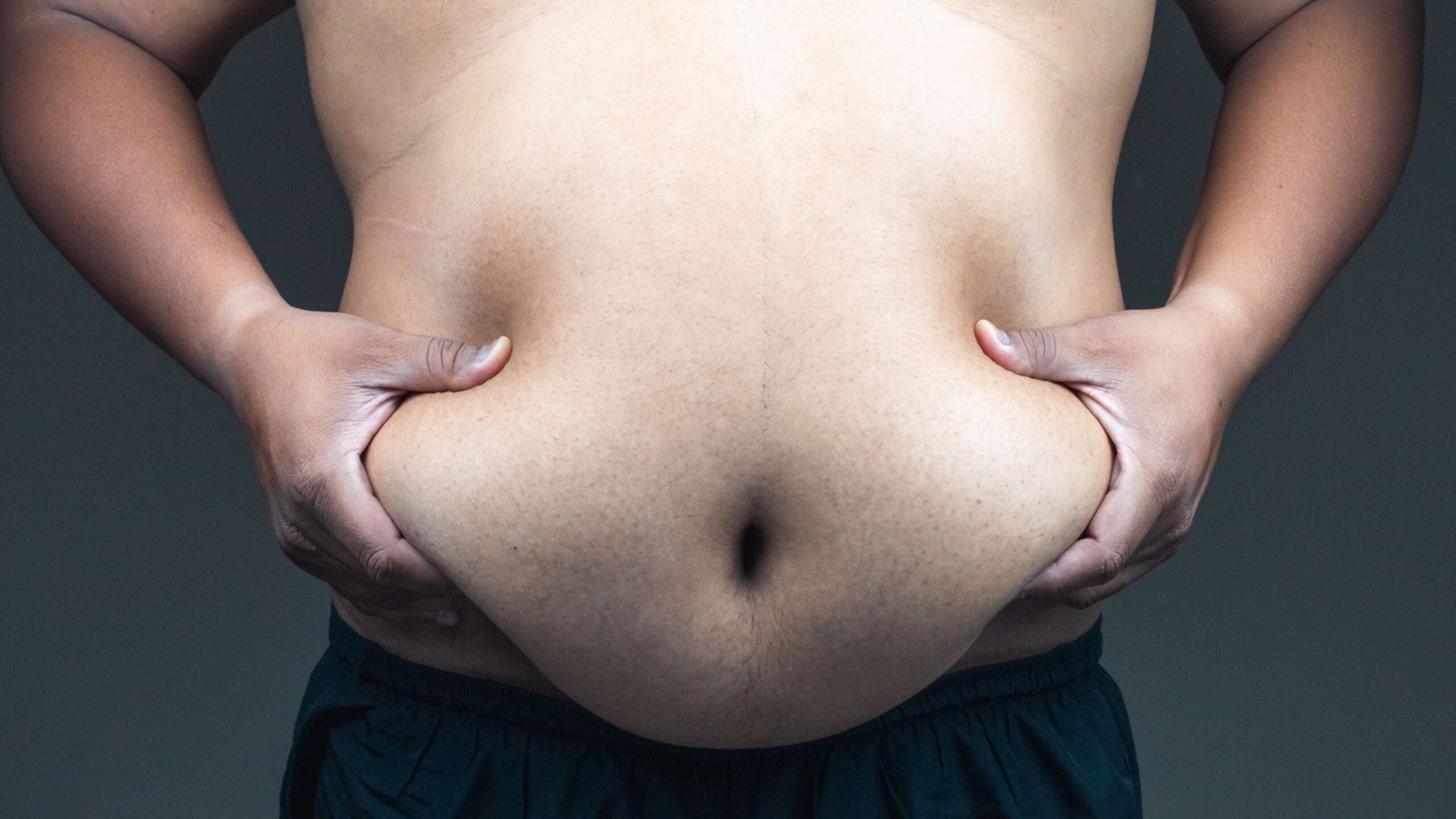
Obesity has been linked to various types of cancers.

What science tells us

Obesity or high body mass index (BMI) is a condition in which a person has an unhealthy amount and/or distribution of body fat. To measure obesity, researchers often use the BMI scale, which is determined by dividing a person’s weight (in kilograms) by their height (in meters) squared. BMI provides a more accurate measure of obesity than weight alone, though it has its limitations. Nearly 70% of U.S. adults have a BMI of 25.0 or higher, which is characterized as overweight (25.0-29.9) or obese (30.0 and above) (NCI).  However, there are many metrics of obesity, and each of these may be associated with different cancer risks.

Epidemiological Evidence

There is consistent evidence that higher body fat is linked to a number of cancers. People with obesity have chronic inflammation, which, over time, can cause DNA damage that leads to cancer. These people are also more likely to have conditions or disorders that are linked to or cause chronic inflammation: for example, Barrett’s esophagus, gallstones, ulcerative colitis, and hepatitis (NCI). Cancers linked to obesity include:

  • Endometrial: Obese and overweight women are 2-4 times as likely as women with a healthy BMI to develop endometrial cancer (cancer of the lining of the uterus). Risk of endometrial cancer increases with increasing weight gain in adulthood (NCI).
  • Esophageal: People who are overweight or obese are 2 times as likely as those with a healthy BMI to develop esophageal adenocarcinoma (NCI).
  • Gastric cardia: People who are obese are nearly twice as likely as those of healthy weight to develop cancer in the upper part of the stomach, closest to the esophagus (NCI).
  • Liver: People who are overweight or obese are up to twice as likely as those of healthy weight to develop liver cancer; this association is stronger in men (NCI).
  • Kidney: People who are overweight or obese are up to twice as likely as those of healthy weight to develop renal cell cancer, the most common form of kidney cancer (NCI).
  • Multiple myeloma: Multiple myeloma is a cancer that forms in a specific type of white blood cell (plasma cell) and accumulates in the bone marrow. Compared to healthy-weight individuals, overweight and obese individuals have a 10-20% increase in risk of developing multiple myeloma (NCI).
  • Meningioma: A meningioma is a slow-growing tumor that develops in the membranes surrounding the brain and spinal cord. The risk of meningioma is increased by 50% in those who are obese and 20% in those who are overweight.
  • Pancreatic: People who are overweight or obese are about 1.5 times as likely to develop pancreatic cancer (NCI).
  • Colorectal: People who are obese are 30% more likely to develop colorectal cancer than healthy-weight individuals (NCI).
  • Gallbladder: People who are obese have a 60% increase in risk of gallbladder cancer (NCI).
  • Breast: Women in menopause who are obese have a 20-40% increase in risk of developing breast cancer (NCI).
  • Ovarian: Higher BMI is associated with a 10% increase in risk of ovarian cancer among women who have never used menopausal hormone therapy (NCI).
  • Thyroid: Higher BMI is associated with a 10% increase in risk of thyroid cancer among women who have never used menopausal hormone therapy (NCI).

In people who are diagnosed with breast, prostate, or colorectal cancer, research shows that obesity may worsen aspects of cancer survivorship (example: quality of life, cancer recurrence, cancer progression, and survival).

Laboratory Evidence/Supporting Evidence

The laboratory and animal study evidence generally supports the epidemiological evidence that obesity is associated with risk of a variety of cancers.

IARC Carcinogen Classification:

Not classified.

How to reduce your risk

Epidemiological studies provide consistent evidence that people who have a healthy BMI have lower risk of colon, kidney, breast, endometrial, and ovarian cancers (NCI). Studies have shown that people who lose weight have decreased risk of breast, endometrial, colon, and prostate cancers. People with obesity who have bariatric surgery appear to have lower risks of obesity-related cancers than those who do not have bariatric surgeries.


The steps to prevent unhealthy weight gain are the same as the steps to lose weight: exercising regularly, maintaining a healthy diet, and monitoring your weight. To prevent weight gain, 150-300 minutes of moderate-intensity activity per week is recommended (Mayo Clinic). A healthy diet includes low-calorie and nutrient-dense foods (such as fruits, vegetables, and whole grains), avoids saturated fat, and limits sweets, alcohol, and processed foods. Identifying situations that trigger overeating and monitoring these situations can also prevent weight gain. Finally, consistency in diet and exercise, and monitoring your weight regularly can help keep off excess pounds.

Bottom line

Obesity increases risk of endometrial, esophageal, gastric cardia, liver, kidney, multiple myeloma, meningioma, pancreatic, colorectal, gallbladder, breast, ovarian, and thyroid cancers. The steps to prevent unhealthy weight gain are the same as the steps to lose weight: Exercise regularly, maintain a healthy diet, and monitor your weight.

What you may have heard

You may have heard that acrylamide (an ingredient in some foods) increases cancer risk.

What science tells us

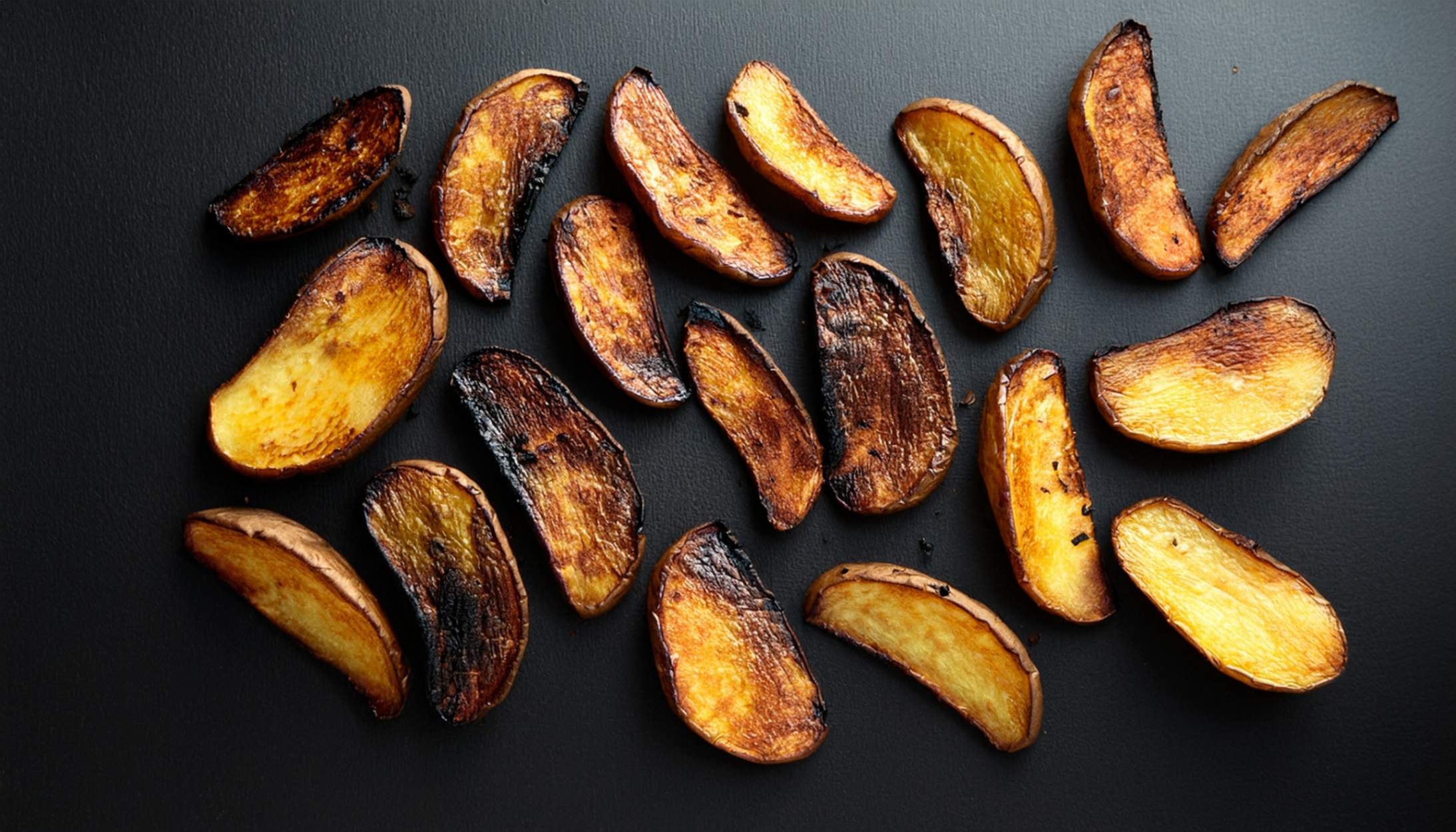
Acrylamide is a chemical that is used in industrial processes, such as the production of paper, dyes, and plastics, and consumer products, such as food packaging and adhesives. Acrylamide is also found in foods such as french fries, potato chips, crackers, bread, cookies, and black olives. A major acrylamide exposure source is tobacco smoke. People who smoke have 3-5 times the levels of acrylamide exposure in their blood than non-smokers (NCI).

The International Agency for Research on Cancer (IARC) classifies acrylamide as a probable human carcinogen and the US Environmental Protection Agency (EPA) classifies acrylamide as likely to be carcinogenic to humans (NCI).

Epidemiological Evidence

The claim that acrylamide is likely to be carcinogenic to humans is largely based on animal studies and more research is needed to say conclusively that acrylamide is linked to increased risk of cancer in humans.

Laboratory Evidence/Supporting Evidence

High levels of exposure to acrylamide can interfere with DNA repair. The binding of sulfhydryl groups can inactivate proteins involved in DNA repair, which can cause mutations to occur. Laboratory evidence for acrylamide as a cancer-causing agent needs to be further evaluated (Exon). Some animal studies have shown that exposure to high levels of acrylamide can cause cancer (FDA).

IARC Carcinogen Classification:

Group 2A (Probably carcinogenic to humans)

How to reduce your risk

For the vast majority of people, the major source of acrylamide they will encounter is from cigarette smoke. Avoiding cigarette smoke can lower your exposure to acrylamide and other harmful chemicals (NCI). In food, acrylamide level varies dramatically depending on cooking time, manufacturer, method, and temperature of the cooking process. Decreasing cooking time, avoiding heavy crisping or browning, blanching potatoes before frying, not storing potatoes in a refrigerator, and post-drying (drying potatoes in a hot-air oven after frying) may decrease acrylamide levels of some foods (FDA).

It is still unclear that levels of acrylamide in foods raise cancer risk, but there are precautions you can take to decrease your acrylamide exposure (ACS):

  • limit foods that may be high in acrylamide: french fries, potato chips, cookies, and toast;
  • limit frying and roasting (boiling and steaming do not produce acrylamide);
  • soak raw potato slices in water for 15-30 minutes before frying or roasting;
  • cook potatoes and bread to a lighter color; and
  • avoid storing potatoes in the refrigerator

Bottom line

More research is needed to confirm whether acrylamide causes cancer in humans.

Fact Finder Tool

Discover insights, research, and information to help you navigate cancer-related topics with confidence.

952 posts available
5 categories

CLAIM: Tobacco use causes cancer

What you may have heard Tobacco use is a leading cause of cancer and cancer death. It is also the biggest preventable cause of cancer. What science tells us All tobacco products, including cigarettes, cigars, pipe tobacco, chewing tobacco, and snuff contain poisonous substances, cancer-causing agents, and nicotine (a highly addictive substance). Cigarettes are the…

Read More →

CLAIM: Sitting too close to the TV causes cancer

What you may have heard The Daily Mirror published a story in 2003 claiming that sitting too close to the TV for prolonged periods of time increases cancer risk. What science tells us Older TVs gave off low levels of radiation, but modern TVs are built with proper shielding, so people are protected from potential…

Read More →

CLAIM: Obesity causes cancer

What you may have heard Obesity has been linked to various types of cancers. What science tells us Obesity or high body mass index (BMI) is a condition in which a person has an unhealthy amount and/or distribution of body fat. To measure obesity, researchers often use the BMI scale, which is determined by dividing…

Read More →