Skip to content

What you may have heard

Exposure to formaldehyde can cause cancer.

What science tells us

Formaldehyde is a colorless, flammable, strong-smelling chemical that is used in building materials and in the production of many household products. It is used in pressed-wood products (such as plywood and fiberboard), glue, adhesives, permanent-pressed fabrics, paper product coatings, insulation, fungicide, germicide, disinfectant, and as a preservative in mortuaries and medical laboratories. Exposure to formaldehyde mainly occurs by inhaling the gas or absorbing liquids containing formaldehyde through the skin. Short-term health effects of exposure are watery eyes; burning sensations in the eyes, nose, and throat; coughing; wheezing; nausea; and skin irritation. Industrial workers who produce formaldehyde or formaldehyde-containing products, laboratory technicians, healthcare professionals, and mortuary employees may be exposed to higher levels of formaldehyde than the general public.

Epidemiological Evidence

Myeloid leukemia and cancers of the paranasal sinuses, nasal cavity, and nasopharynx are all associated with formaldehyde use (NCI). The general population is exposed to formaldehyde from car exhaust emissions, pressed-wood products in the home, cigarette smoke, unvented field-burning appliances (such as gas stoves, wood-burning stoves, and kerosene heaters) (ACS).

Laboratory Evidence/Supporting Evidence

Studies conducted on rats explain how the inhalation of formaldehyde causes leukemia and nasal cancer. Another study on rats examined the ingestion of formaldehyde which also resulted in the presence of stomach cancer (ACS).

IARC Carcinogen Classification:

Group 1 (Carcinogenic to humans).

How to reduce your risk

The Occupational Safety and Health Administration (OSHA) established a federal standard that reduced the amount of formaldehyde to which workers can be exposed over an 8-hour workday from 1 part-per-million (ppm) to 0.75 ppm (NCI). The Environmental Protection Agency (EPA) recommends use of “exterior-grade” pressed-wood products to limit formaldehyde exposure in the home. Formaldehyde levels can also be reduced by ensuring a home has adequate ventilation, moderate temperatures, and reduced humidity levels (NCI).  Vaping/e-cigarettes may contain formaldehyde, so avoiding this exposure may reduce cancer risk.

Bottom line

Formaldehyde is a known human carcinogen. Exposure to formaldehyde should be reduced or avoided entirely when possible.
What you may have heard

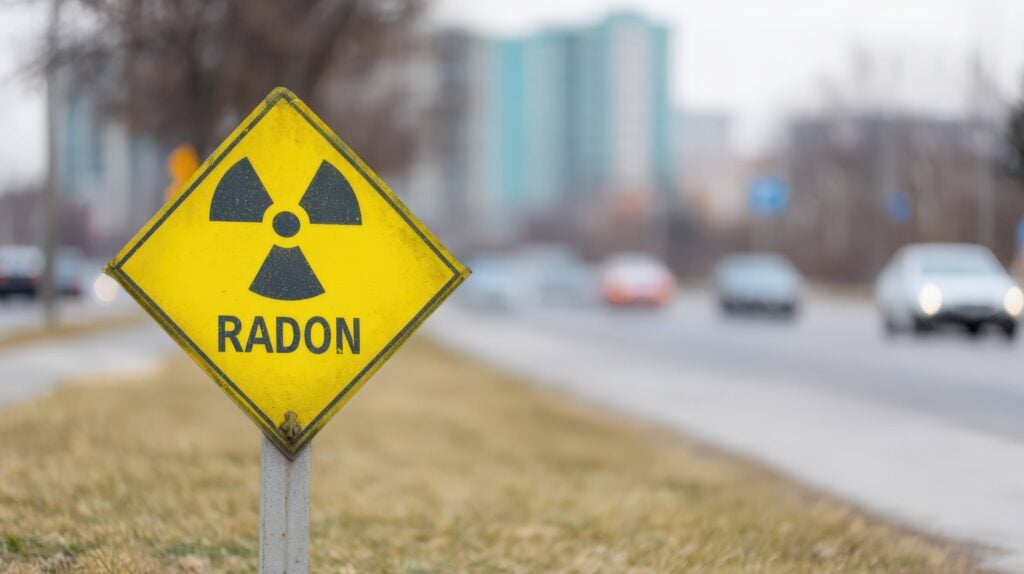
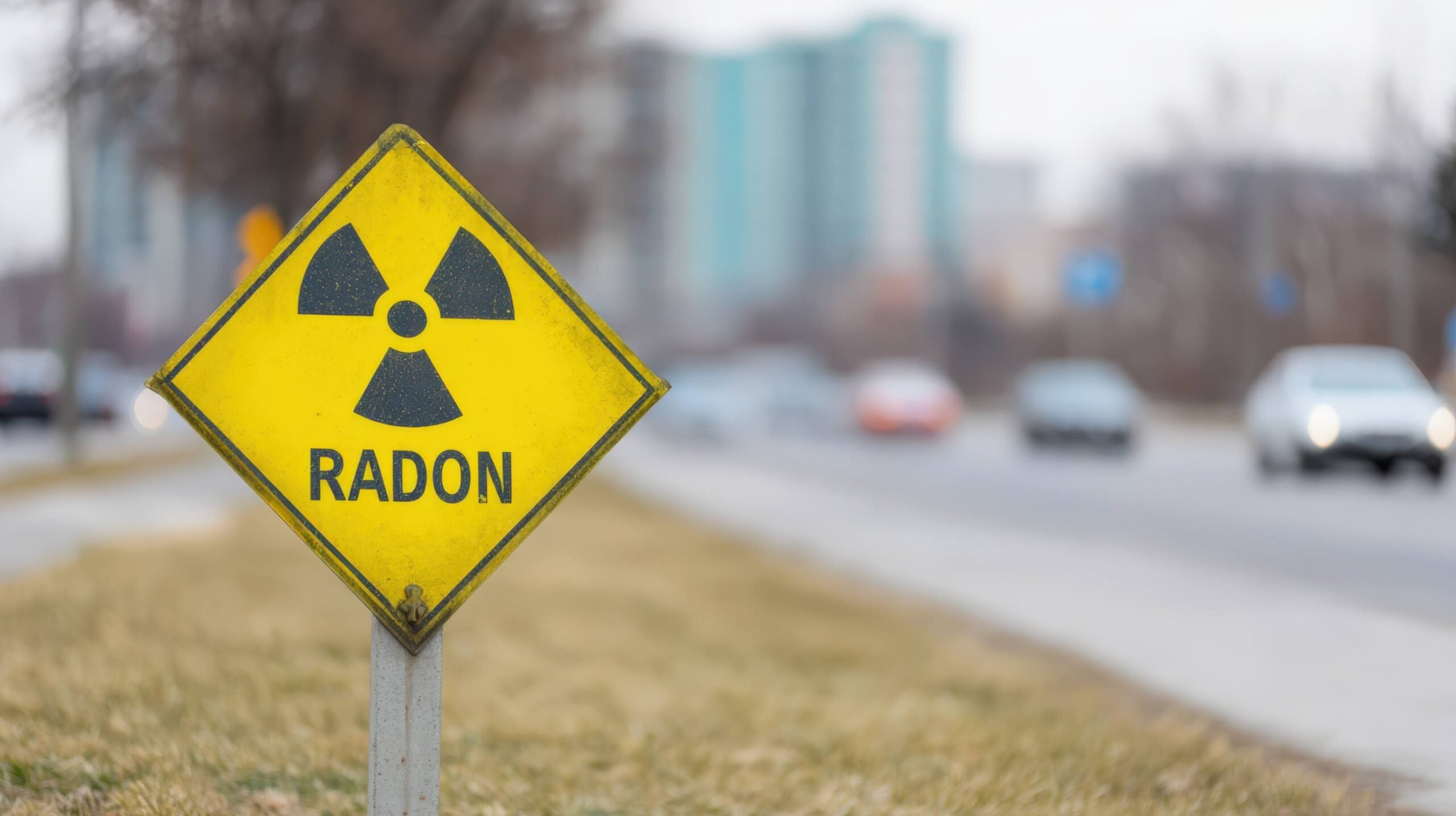
Radon gas causes cancer.

What science tells us

Radon is a colorless, odorless gas that, after long-term exposure, can lead to lung cancer. Radon breaks down into radioactive elements in the air, which are absorbed into the body.


Radon is considered carcinogenic to humans by national and international organizations, including the International Agency for Research on Cancer (IARC), the National Toxicology Program (NTP), and the U.S. Environmental Protection Agency (EPA) (ACS). Cigarette smoking is by far the most common cause of lung cancer in the United States, but radon exposure is the second-leading cause (ACS).


Who is at risk for radon exposure? Those who work in underground areas, specifically miners, have significantly higher rates of radon exposure. This is also true for those who work in uranium processing factories or come into contact with phosphate fertilizers. As a result, these groups have a higher chance of developing lung cancer and should take caution and pursue regular screening (ACS).

Epidemiological Evidence

In a paper that examined 13 epidemiological studies across Europe, it was concluded that long term exposure to radon increases the risk of lung cancer (Darby et al.).

Laboratory Evidence/Supporting Evidence

Several laboratory studies using rats and dogs have shown that exposure to radon leads to the development of lung cancer(National Research Council (US) Committee on the Biological Effects of Ionizing Radiations). Several other animal studies have confirmed the results of human studies that high exposure to radon can lead to the development of lung tumors (NCI).

IARC Carcinogen Classification:

Group 1 (Carcinogenic to humans)

How to reduce your risk

Since radon is in the air, we can’t completely eliminate our exposure to it. However, there are steps you can take to reduce your risk:

  • In your home: test the level of radon (EPA) in your home by purchasing a do-it-yourself kit or hiring a professional to test the radon level for you. Levels of radon above 4.0 pCi/L are considered harmful to humans. You may also decrease your exposure through cracks by sealing walls or floors or by increasing ventilation using fans and pipes.
  • In your workplace: OSHA and the NRC have taken steps to reduce the exposure of radon for those who work in an underground mine (ACS).

If you are exposed to radon and you are a smoker, experts recommend quitting or decreasing cigarette use. This can reduce your chance of developing lung cancer dramatically (ACS).


In addition, speak to your doctor about regular health checkups and tests to look for possible signs of lung cancer. Some symptoms of lung cancer to take note of are shortness of breath, a new or worsening cough, pain or tightness in the chest, hoarseness, or trouble swallowing (ACS).

Bottom line

Radon exposure is the second-leading cause of lung cancer in the United States, after cigarette smoking. Decreasing your cigarette use and ensuring your workplace and home are up to national standards for radon levels are the most effective ways to reduce your risk of lung cancer.

To learn more about radon and health risks, watch these short videos from the Dana-Farber Cancer Institute and the American Lung Association.

What you may have heard

Exposure to lead causes cancer.

What science tells us

Lead is harmful, regardless of the type of lead exposure (breathing in, swallowing, or absorbing through the skin), but the body absorbs the highest levels of lead when it is inhaled (CDC). Lead is absorbed and stored in the bones, blood, and tissues, so the body continues to be exposed to harmful lead levels, even after an initial exposure. As our body ages, bones begin to break down and internal exposures actually increase; this is called bone demineralization (CDC). Women in menopause also face additional bone demineralization.


Short-term health effects from lead exposure are abdominal pain, constipation, headaches, memory loss, pain in the hands and feet, and weakness. Exposure to high levels of lead over time may cause anemia, weakness, kidney damage, brain damage, and even death (CDC). Women who are pregnant also expose their unborn child, resulting in damage to a baby’s nervous system. Lead exposure can potentially cause miscarriage, stillbirths, and infertility (CDC).

Epidemiological Evidence

Lead is harmful, regardless of the type of lead exposure (breathing in, swallowing, or absorbing through the skin), but the body absorbs the highest levels of lead when it is inhaled (CDC). Lead is absorbed and stored in the bones, blood, and tissues, so the body continues to be exposed to harmful lead levels, even after an initial exposure. As our body ages, bones begin to break down and internal exposures actually increase; this is called bone demineralization (CDC). Women in menopause also face additional bone demineralization.


Short-term health effects from lead exposure are abdominal pain, constipation, headaches, memory loss, pain in the hands and feet, and weakness. Exposure to high levels of lead over time may cause anemia, weakness, kidney damage, brain damage, and even death (CDC). Women who are pregnant also expose their unborn child, resulting in damage to a baby’s nervous system. Lead exposure can potentially cause miscarriage, stillbirths, and infertility (CDC).

Laboratory Evidence/Supporting Evidence

Laboratory studies have reported that lead causes kidney cancer, brain cancer (gliomas), and lung cancer in rodents, and acts synergistically with other carcinogens. Several environmental journals have also published studies on the effect of lead on rodents, which have also shown lead to cause tumor growth. Long term exposure to lead increases the event of lung cancer in mice (Vainio).

IARC Carcinogen Classification:

Group 2B (possibly carcinogenic to humans: inorganic lead), 3 (Not classifiable as to its carcinogenicity to humans: organic lead) and Group 2A (probably carcinogenic to humans: lead).

How to reduce your risk

Eliminate lead exposure entirely. This may include phasing out the use of lead in paints, eliminating the use of lead in household products, encouraging the removal of plumbing containing lead, preventing exposure from electric and electronic waste, and identifying contaminated sites (WHO). If you know that you are exposed to lead as a result of your work, monitor blood levels during occupational exposure and include blood level monitoring for anyone in your household (WHO).

Bottom line

Lead exposure is associated with severe health outcomes, such as cancer, and should be avoided (CDC).

Fact Finder Tool

Discover insights, research, and information to help you navigate cancer-related topics with confidence.

952 posts available
5 categories

CLAIM: Formaldehyde causes cancer

What you may have heard Exposure to formaldehyde can cause cancer. What science tells us Formaldehyde is a colorless, flammable, strong-smelling chemical that is used in building materials and in the production of many household products. It is used in pressed-wood products (such as plywood and fiberboard), glue, adhesives, permanent-pressed fabrics, paper product coatings, insulation,…

Read More →

CLAIM: Radon causes cancer

What you may have heard Radon gas causes cancer. What science tells us Radon is a colorless, odorless gas that, after long-term exposure, can lead to lung cancer. Radon breaks down into radioactive elements in the air, which are absorbed into the body. Radon is considered carcinogenic to humans by national and international organizations, including…

Read More →