Fact Finder Tool
Discover insights, research, and information to help you navigate cancer-related topics with confidence.
Discover insights, research, and information to help you navigate cancer-related topics with confidence.
What you may have heard Exposure to pesticides can increase the risk of developing cancer. What science tells us Pesticides are typically used in food production and to treat insect infestation. Mosquitos, ticks, rats, and mice can carry diseases, and pesticides can be used to limit human exposures to these pests (EPA). Epidemiological Evidence It…

What you may have heard Shampoo with formaldehyde is a carcinogen. What science tells us Many hair care products, such as shampoos and leave-in conditioners, contain formaldehyde or other variations, such as formalin and methylene glycol. When these products are heated, the formaldehyde is released into the air as a gas. This can occur by…

What you may have heard Shampooing with products that contain sodium lauryl sulfate (SLS) cause cancer. What science tells us SLS is a cleaning agent and surfactant that is used in many personal care and cleaning products. Epidemiological Evidence While SLS chemicals may cause eye irritation (or eye damage in high-enough quantities) and skin irritation…

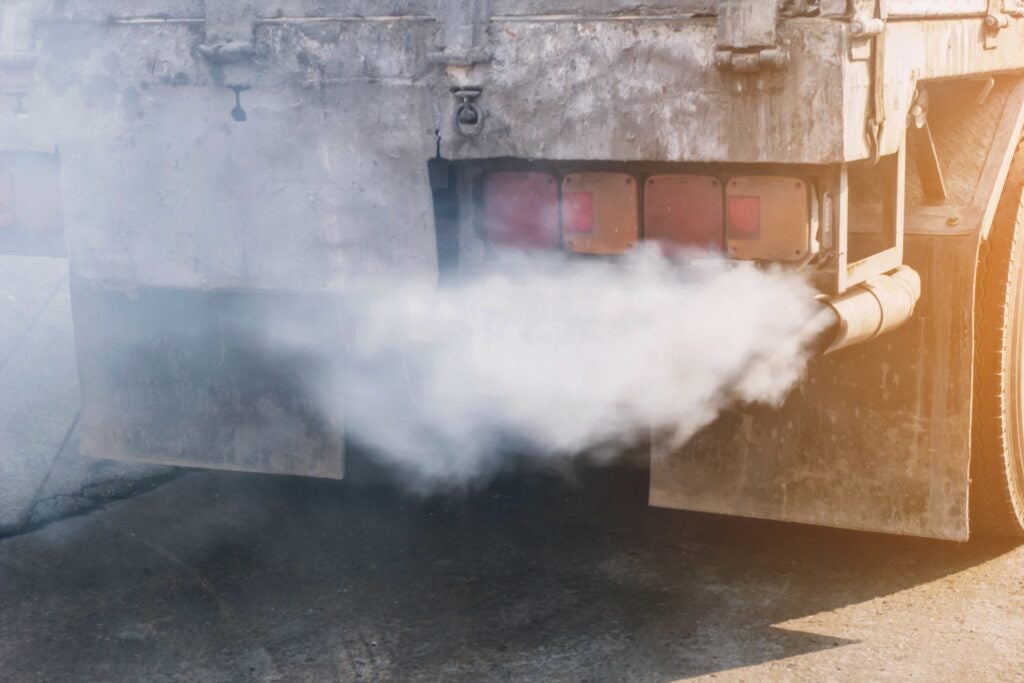
What you may have heard Inhalation of diesel exhaust can cause cancer. What science tells us Diesel is a type of fuel derived from crude oil and is used in most large engines (such as trucks, trains, buses, construction equipment, and ships). The gas portion of diesel is made up of carbon dioxide, carbon monoxide,…
What you may have heard The U.S. National Institute of Environmental Health Sciences (NIEHS) stated that the health risk from extremely low frequency (ELF) radiation poses a weak health risk: the radiation is not entirely safe, yet it is still a potential carcinogen (ACS, NIEHS). What science tells us Radiation exists across a spectrum from…

What you may have heard People who fly frequently, like pilots and flight attendants, are at higher risk for cancer. What science tells us Air crew are exposed to higher levels of radiation (specifically cosmic ionizing radiation, a type of radiation that comes from outer space). Cosmic ionizing radiation is known to cause cancer, and…

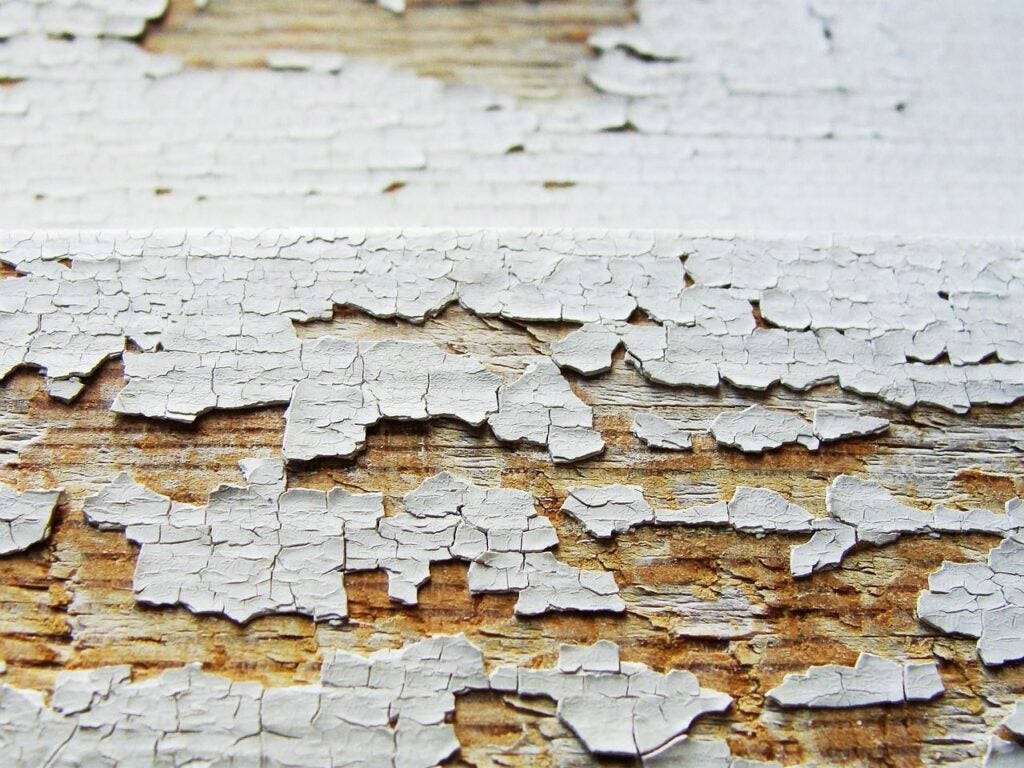
What you may have heard Interior or exterior house painting is associated with cancer. What science tells us Paint chemicals contain thousands of chemical compounds. The main organic solvents used in paints are toluene, xylene, aliphatic compounds, ketones, alcohols, esters, and glycol esters. The amount of volatile organic compounds (VOCs) released are similar to those…

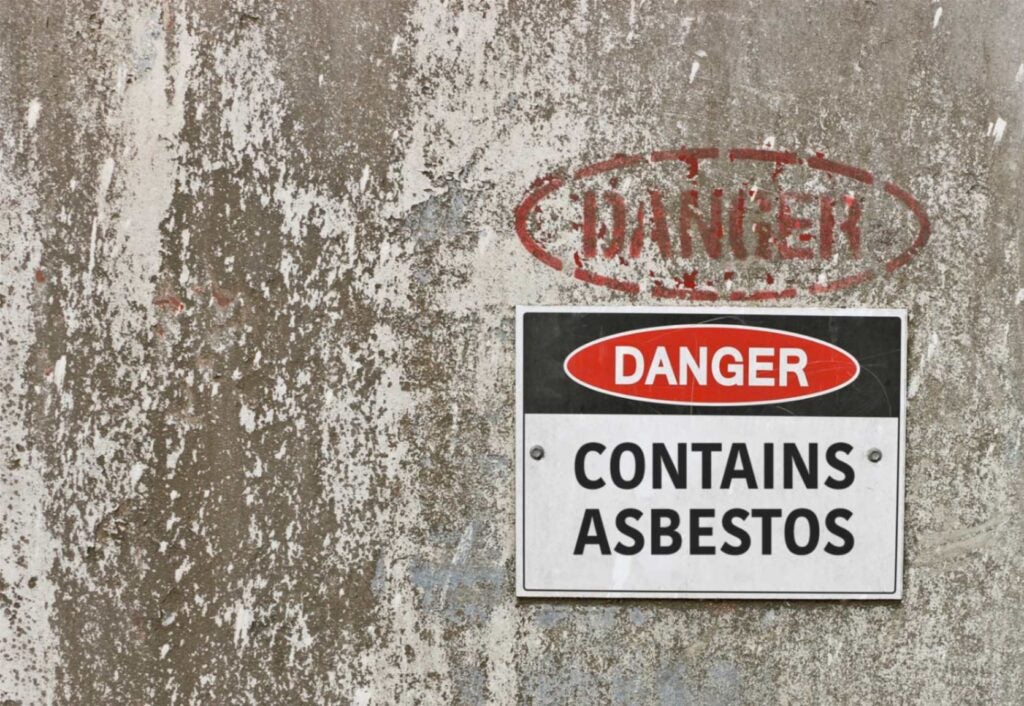
What you may have heard Exposure to asbestos causes cancer. What science tells us Asbestos was a construction material (used primarily in insulation) and can be found in buildings built before 2000. The International Agency for Research on Cancer (IARC) has labeled asbestos as a known carcinogen. It causes cancer by scarring lung tissue whenever…
What you may have heard Exposure to formaldehyde can cause cancer. What science tells us Formaldehyde is a colorless, flammable, strong-smelling chemical that is used in building materials and in the production of many household products. It is used in pressed-wood products (such as plywood and fiberboard), glue, adhesives, permanent-pressed fabrics, paper product coatings, insulation,…

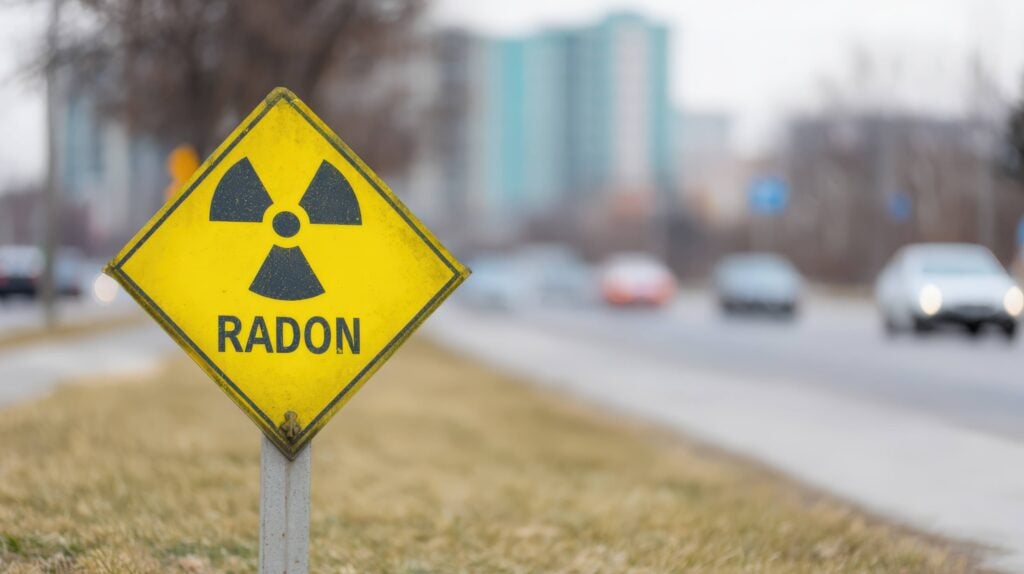
What you may have heard Radon gas causes cancer. What science tells us Radon is a colorless, odorless gas that, after long-term exposure, can lead to lung cancer. Radon breaks down into radioactive elements in the air, which are absorbed into the body. Radon is considered carcinogenic to humans by national and international organizations, including…
What you may have heard Exposure to lead causes cancer. What science tells us Lead is harmful, regardless of the type of lead exposure (breathing in, swallowing, or absorbing through the skin), but the body absorbs the highest levels of lead when it is inhaled (CDC). Lead is absorbed and stored in the bones, blood,…