Fact Finder Tool
Discover insights, research, and information to help you navigate cancer-related topics with confidence.
Discover insights, research, and information to help you navigate cancer-related topics with confidence.
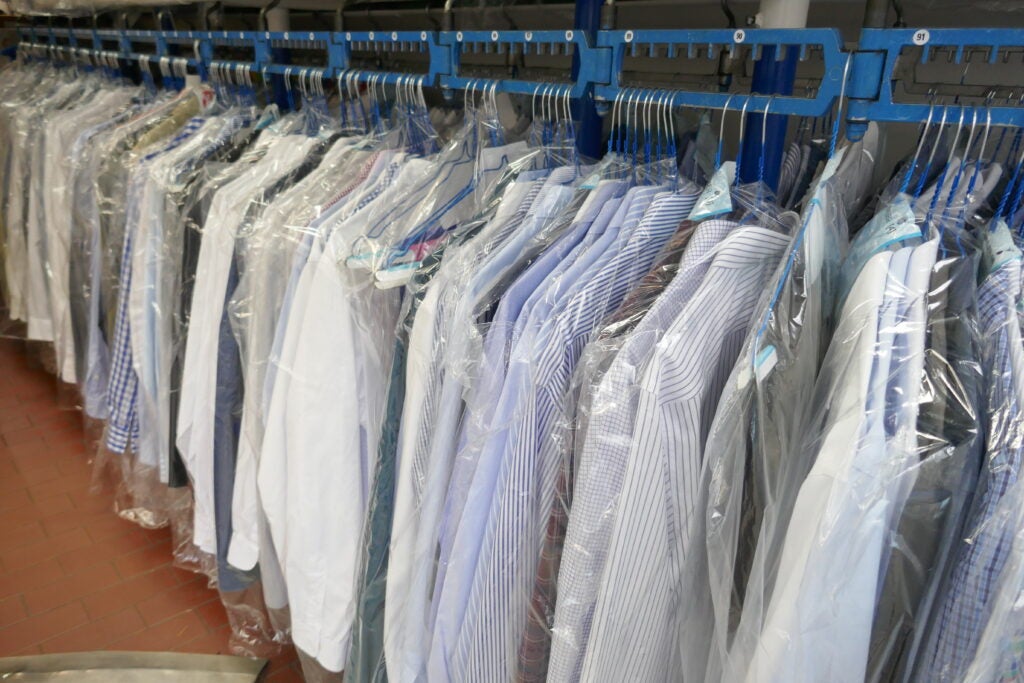
What you may have heard Perchloroethylene, also called PCE or tetrachloroethylene, is commonly used in dry cleaning and some industrial degreasers. You may have heard that long-term exposure can cause cancer, especially among workers in dry-cleaning facilities or people living near contaminated sites. What science tells us PCE is a chlorinated solvent that can be…
What you may have heard Exposure to per- and polyfluoroalkyl substances (PFAS), such as PFOA and PFOS, might increase your risk of cancer. What the science tells us PFOA (Perfluorooctanoic Acid) and PFOS (Perfluorooctane Sulfonate) are part of a larger group of man-made chemicals known as per- and polyfluoroalkyl substances (PFAS). These chemicals have been in…

What you may have heard People say that jobs with heavy wood dust exposure raise cancer risk. The concern is strongest for cancers in the nasal cavity and paranasal sinuses among furniture makers, carpenters, and other woodworkers. What science tells us Major agencies classify wood dust as carcinogenic to humans. The International Agency for Research…

What you may have heard With worsening wildfires across the U.S. and globally, you may have heard that breathing in wildfire smoke could increase your risk of cancer. Some people are comparing it to cigarette smoke or living near highways. What science tells us Wildfire smoke contains a mix of known cancer-causing pollutants, including fine…

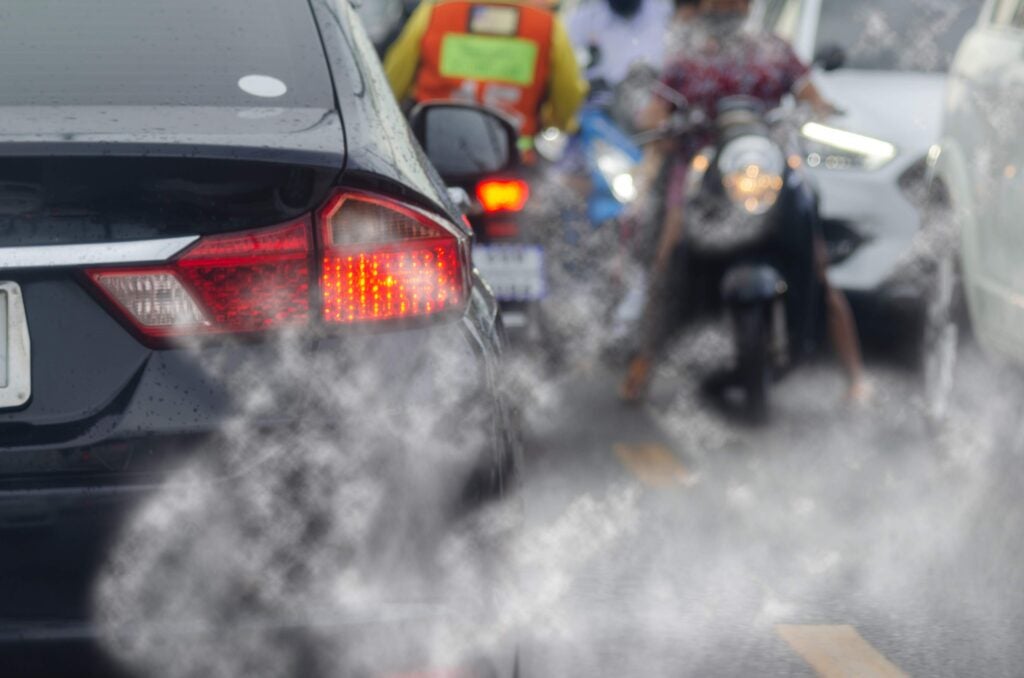
What you may have heard You might’ve heard that living near highways or breathing in car exhaust can increase cancer risk. Some people compare it to secondhand smoke in terms of long-term health effects. What science tells us Traffic-related air pollution contains known carcinogens including benzene, diesel exhaust, and fine particulate matter (PM2.5). Repeated exposure,…
What you may have heard Exposure to shale oil, especially in industrial settings, can cause cancer. What science tells us Shale oil contains carcinogenic compounds, including polycyclic aromatic hydrocarbons (PAHs) and benzene. The International Agency for Research on Cancer (IARC) classifies shale oils as Group 1 carcinogenic to humans based on sufficient evidence from human…

What you may have heard Some people believe that living near high-voltage power lines can cause cancer, especially childhood leukemia. Concerns center on the electromagnetic fields (EMFs) that these lines emit. What science tells us High-voltage lines emit extremely low-frequency EMFs (ELF-EMFs), a weaker form of radiation. This type of radiation is not strong enough…

What you may have heard Some athletes and parents have raised concerns that playing on artificial turf, especially turf with crumb rubber infill made from recycled tires, may increase the risk of developing cancer. Media reports and anecdotal clusters of illness have contributed to public concern. What science tells us Artificial turf contains materials that…

What you may have heard Titanium dioxide, used in food and cosmetics, may cause cancer. What science tells us Titanium dioxide (TiO2) is a mineral used as a whitening agent and pigment in various products, including foods, cosmetics, paints, and plastics. It’s commonly found in personal care items like sunscreens, pressed powders, and loose powders,…

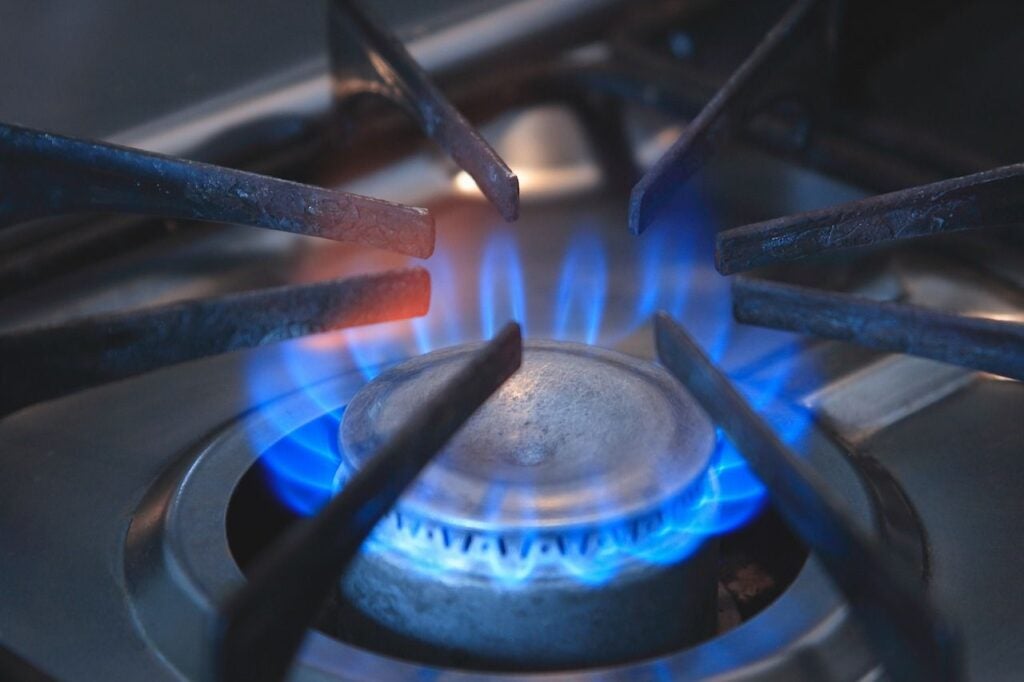
What you may have heard Cooking with gas stoves or using butane can release harmful chemicals into the air, potentially increasing the risk of cancer. What the science tells us Epidemiological Evidence There is substantial epidemiological evidence linking gas stove use to adverse health outcomes. For instance, a 2013 meta-analysis concluded that children living in…
What you may have heard Fluoride, which is commonly added to drinking water to prevent tooth decay, is linked to an increased risk of cancer. What the science tells us Epidemiological Evidence: Numerous large-scale epidemiological studies have investigated the possible connection between fluoride levels in drinking water and cancer rates. Most of these studies have…

What you may have heard Breathing polluted air raises the chances of getting cancers like lung cancer and breast cancer. What the science tells us Epidemiological Evidence: Research has shown that long-term exposure to fine particulate matter (PM2.5) is linked to a higher risk of several cancers. A major study, the National Institutes of Health-AARP Diet…