Additional languages coming soon.
Skip to content

What you may have heard

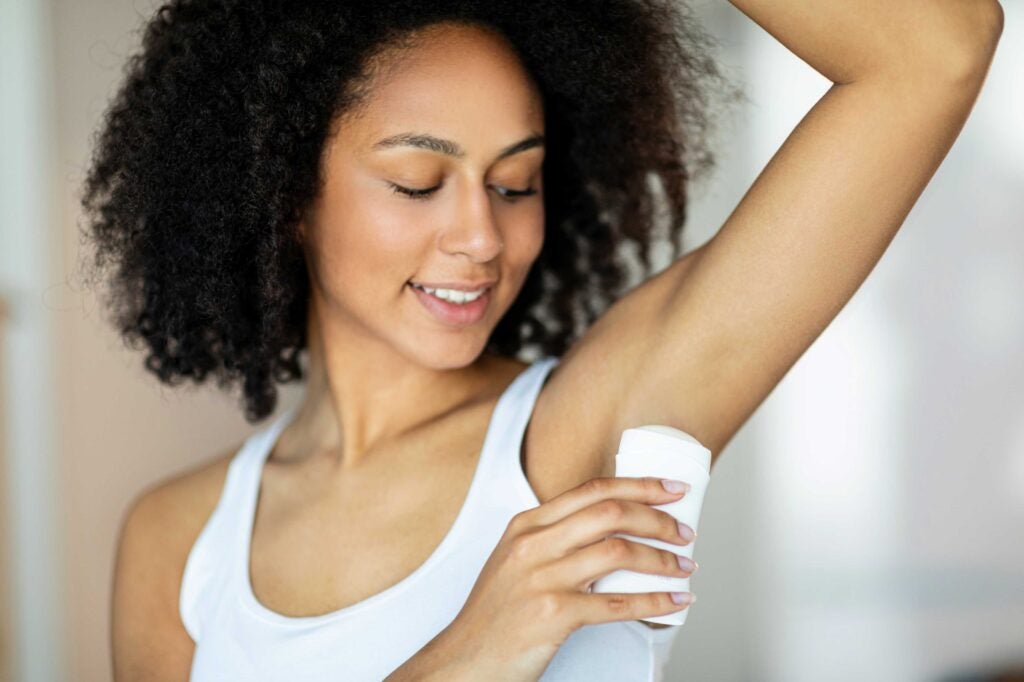
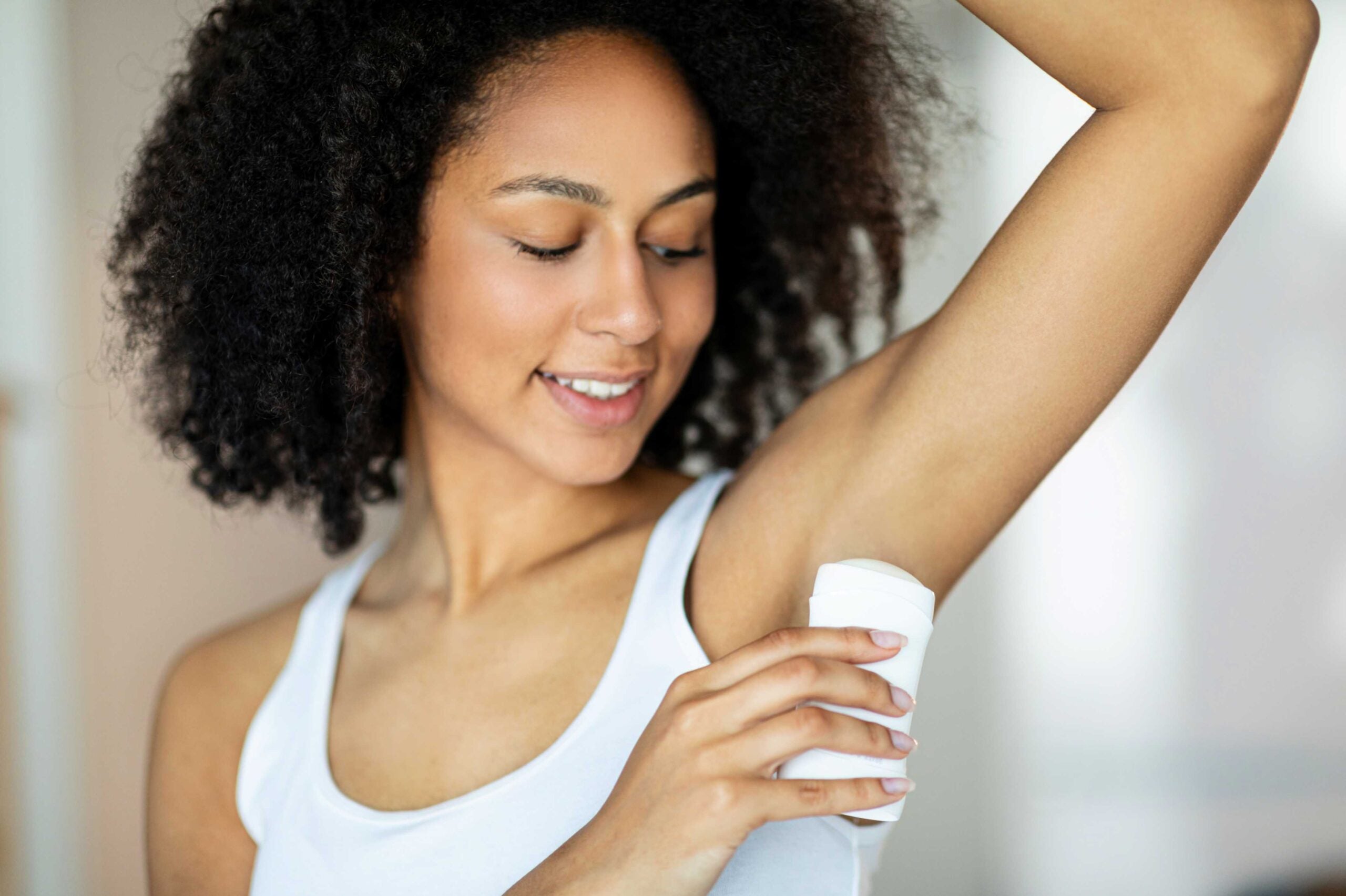
Antiperspirants and deodorants contain cancer-causing substances that are absorbed, particularly after shaving.

What science tells us

Antiperspirants are classified as a drug that helps reduce the amount of sweat produced. The eccrine gland produces sweat and antiperspirants can block the production of sweat using an aluminum-based product (WebMD). Deodorants are used to prevent or mask body odor. Scientists are studying whether fragrance, preservatives, and other ingredients in antiperspirants and deodorants may increase breast cancer risk. Questions about whether there is a difference in risk for women who shave their underarms or use antiperspirant or deodorant products that contain aluminum are still being researched.

Natural deodorants boast that they are better for people than traditional deodorants. However, there is no evidence that regular deodorants are worse for your health than natural deodorants (NY Times). Also, the ingredients in natural deodorants are no better for your microbiome and may be less effective than traditional deodorants (NY Times).

Epidemiological Evidence

Several theories have been suggested about how antiperspirants and deodorants might cause breast cancer. The most recent review of antiperspirants or deodorants and breast cancer showed no evidence for a link (Osto 2022). However, studies have reported mixed results, so more studies are needed to confirm the current data.


The American Cancer Society noted that while a 2004 study showed the presence of parabens in breast cancer tissue, they produce weak estrogen-like properties. Estrogen that is naturally produced in the body (or through hormone replacement) are much stronger, and therefore play a larger role in risk of breast cancer.


This topic gained attention in 2021 when a study reported that parabens, a preservative used in deodorants that mimics estrogen, was found in breast tumors. Scientists are not sure what this study means about the development of breast cancer (NCI).

Laboratory Evidence/Supporting Evidence

One animal study that examined the uptake of aluminum in deodorant found some evidence of chromosomal breakage (Tenan et al.). However, the current research is still limited. Additional research is needed to further investigate the relationship between antiperspirants and cancer risk.

IARC Carcinogen Classification:

Not Classified

How to reduce your risk

There are many known risk factors that are linked with breast cancer. Drinking alcohol is clearly linked to an increased breast cancer risk, and risk increases with the amount of alcohol. Women who have one alcoholic drink a day have a small (7-10%) increase compared with non-drinkers. This risk increases to 20% in women who have 2-3 drinks a day (ACS).


Another known risk factor is being overweight or obese after menopause. Especially after a woman reaches menopause, most of a woman’s estrogen comes from fat tissue. Excess fat can raise estrogen levels and increase risk of breast cancer. Post-menopausal women who are overweight or obese also tend to have higher insulin levels, which are linked with some cancers. These risk factors may be lowered with physical activity and a healthy diet, which reduce the risk of breast cancer (ACS).

Bottom line

Deodorants and antiperspirants sometimes contain ingredients linked to cancer. Some studies of antiperspirants have provided conflicting results, though, so more research is needed.

To watch a brief video about deodorant and breast cancer risk, click below.

What you may have heard

Cosmetics and their ingredients are frequently discussed in the media as being associated with cancer.

What science tells us

The FDA defines cosmetics as “articles intended to be rubbed, poured, sprinkled, or sprayed on, introduced to, or otherwise applied to the human body…for cleansing, beautifying, promoting attractiveness, or altering the appearance” (FDA). This includes a wide range of products from moisturizers to soaps and nail polish. 


Some ingredients in cosmetics have been identified as toxic (for example, certain hair dyes). The ingredients in cosmetics are routinely tested for short-term health problems, such as skin and eye irritation and allergic reactions. The FDA mandates that cosmetics be safe for consumers, but it does not have the authority to require companies to test cosmetic products before they are put on the market (FDA). Short-term effects often become clear once a product reaches the market, and the FDA can request that the company recall the product.


However, cosmetics are seldom tested for long-term health effects. As a result, it is sometimes unknown if the individual ingredients cause health problems alone or when combined in cosmetic products. It can take many years or even decades after exposure to a carcinogen for cancer to develop (FDA). It is not always feasible for researchers to conduct studies that extend this long on particular products, and even then, scientists don’t usually test each combination and dose of cosmetic products to establish a causal link to cancer. Ingredients and combinations also change frequently.

Epidemiological Evidence

It is still unclear whether the ingredients in cosmetics increase cancer risk because most ingredients and combinations of ingredients in cosmetics have not been thoroughly tested in well-designed epidemiological studies. In part, the inability to accurately assess or measure what cosmetic products were used limits this area of research.

Laboratory Evidence/Supporting Evidence

Many (but not all) cosmetic ingredients have been tested in animals for short-term health consequences. Additional research is also needed to determine the effects of certain ingredients on cancer risk.

IARC Carcinogen Classification:

Not classified.

How to reduce your risk

There are many gaps in research, including how ingredients in cosmetics can be absorbed and built up in the body. The FDA requires that products that have not been tested carry the label, “Warning—The safety of this product has not yet been determined” (FDA). If you would like to reduce your potential risk, keep an eye out for these warnings. You may choose to avoid products with certain ingredients, reduce the number of cosmetics you use, or avoid cosmetic use altogether. There are a number of websites that can help inform your cosmetic choices. For example, some websites list either cosmetics that are known to contain harmful ingredients (such as the California Safe Cosmetics Program) or cosmetics with safe ingredients (such as Skin Deep).  Smartphone apps like Clearya and Detox Me include many tips to help you choose safer products.

Bottom line

Research has shown that certain hair dyes are linked with cancer, and other cosmetic products may contain carcinogenic chemicals. Uncertainties remain because of lack of testing for carcinogenicity by companies and regulatory agencies, and lack of information about products’ chemical effects (for example endocrine disruption) that may be related to cancer. All cosmetic products should only be used as designated on the label.

What you may have heard

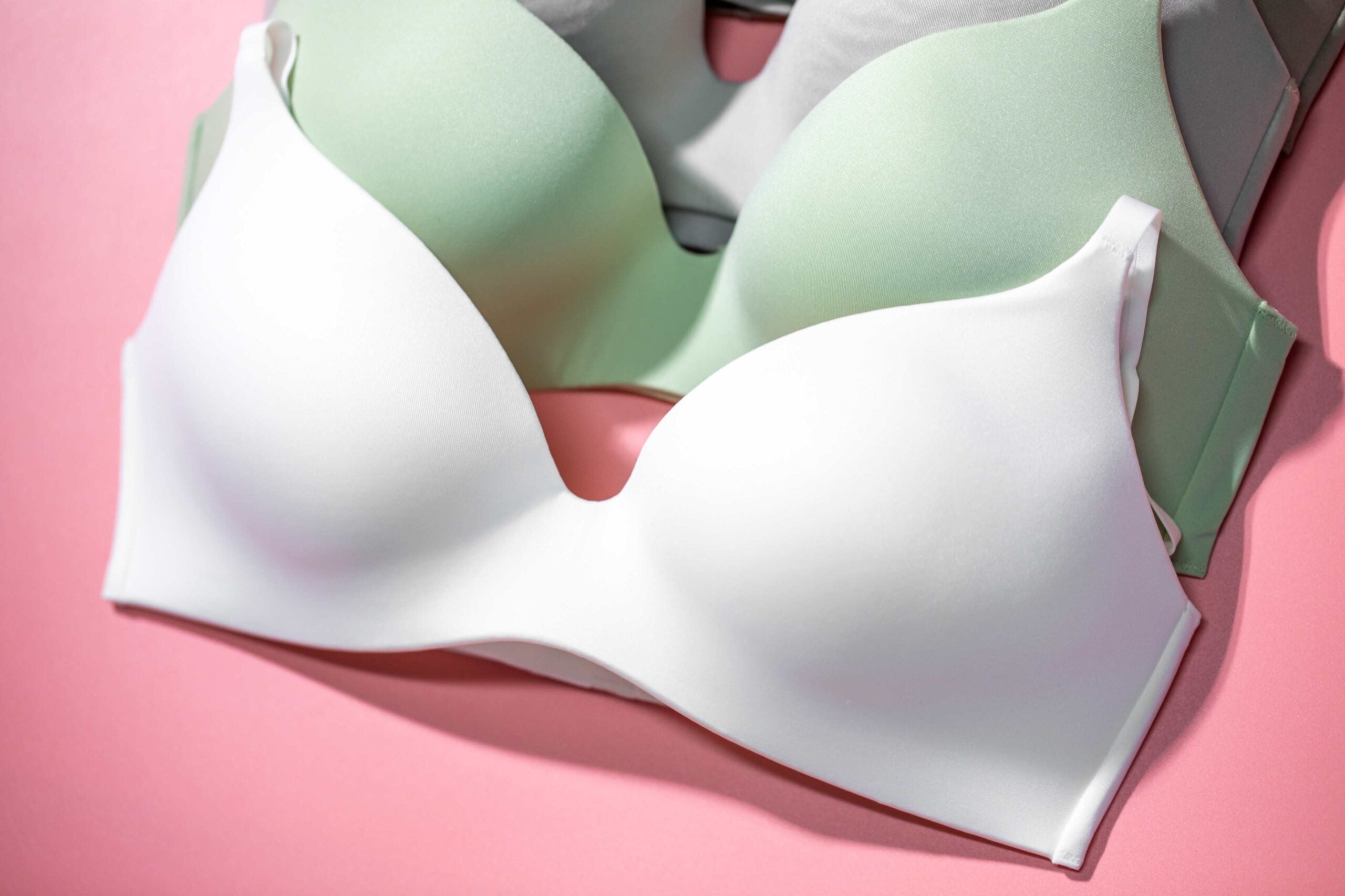
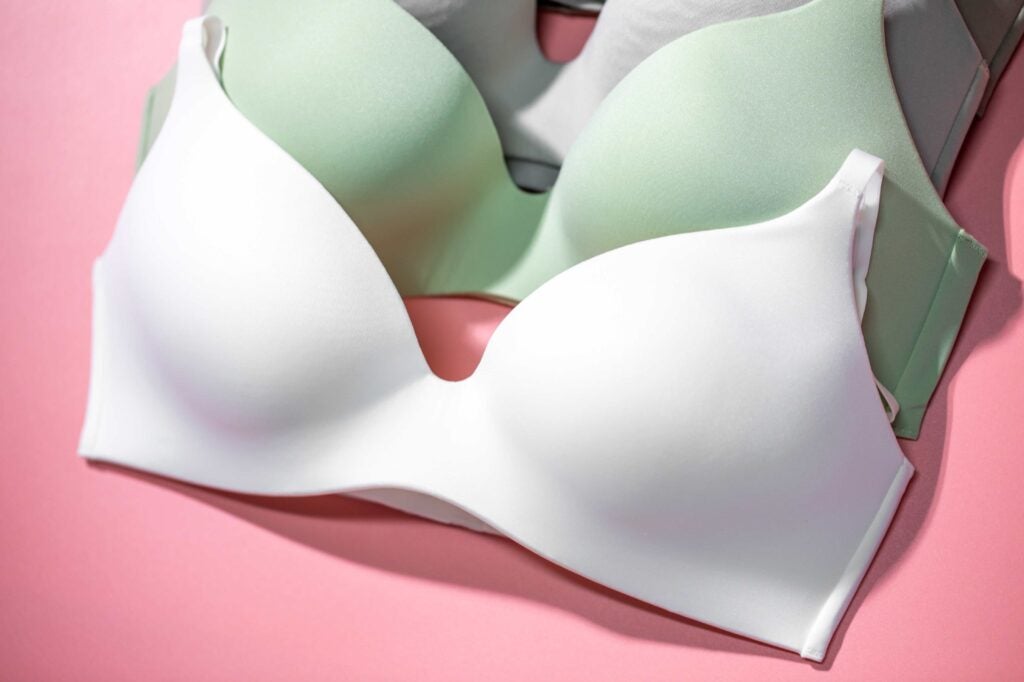
Wearing bras causes cancer.

What science tells us

Epidemiological Evidence

There has been concern that bra-wearing changes how lymph nodes remove waste and toxins from the breast. However, there is no epidemiological evidence to support this claim. 

The Fred Hutchinson Cancer Research Center in Seattle interviewed over 1,000 women with the most common types of breast cancer and 500 randomly selected women without breast cancer. The investigators found no difference between those who did wear a bra and those who did not (Harvard Health). An earlier Harvard School of Public Health study also found no association when they asked 15,630 women about their bra usage and breast cancer history (Hsieh et al.). These two studies suggest that there is no association between bra use and breast cancer.

Laboratory Evidence/Supporting Evidence

There is no laboratory evidence that links bras to cancer risk.

IARC Carcinogen Classification:

Not classified.

How to reduce your risk

There are several known risk factors associated with breast cancer. Drinking alcohol is clearly linked to an increased risk of breast cancer, and that risk increases as the amount of alcohol consumed does. Women who have one alcoholic drink a day have a small (7-10%) increase compared with non-drinkers; this risk increases to 20% in women who have 2-3 drinks a day (ACS).

Another known risk factor is obesity after menopause, or having a BMI of 30.0 or higher. After a woman reaches menopause, most of a woman’s estrogen comes from fat tissue. Excess fat can raise estrogen levels and increase the risk of developing breast cancer. Women who are overweight or obese also tend to have higher insulin levels, which are associated with some cancers. Both of these risk factors may be mitigated with physical activity and a healthy diet, which reduce the risk of breast cancer (ACS).

Bottom line

There is no epidemiological evidence that supports an association between bra use and breast cancer.

For more information, watch this short video about bras and cancer risk from the Dana-Farber Cancer Institute and follow the links below.


What you may have heard

Keeping your phone close to your body or head can increase your risk of cancer.

What science tells us

Phones emit RF (Radiofrequency) waves, which are a form of non-ionizing radiation. This means that they do not have enough energy to directly damage DNA inside cells and cause cancer (ACS, NCI). The closer the phone is held to the body, the greater the expected exposure to RF waves. Many other factors affect the amount of energy a person is exposed to, such as:

  • amount of time a person is on the phone and the nearness of the cell phone to the user’s body (e.g., head);
  • distance and path to the nearest cell tower: the farther the distance from the nearest cell tower, the more energy is required to maintain the signal;
  • amount of cell traffic in the area at a time: the more traffic, the more energy is required to maintain the signal; and
  • model of phone being used.

Epidemiological Evidence

Many studies have evaluated whether there is a link between cell phone usage and cancer, however, the results are not conclusive (NCI). Most international organizations deem cell phone usage to be at most only a potential risk to cancer and at the least, insufficient evidence to comment.

Laboratory Evidence

Currently, there is no laboratory evidence linking cell phone use to increased risk of cancer.

IARC Carcinogen Classification:

Group 3 (Not classifiable as to its carcinogenicity to humans:  Radio-frequency electromagnetic fields).

How to reduce your risk

It is not clear whether decreasing the amount of time spent on the cell phone (ACS), using the speaker mode or a hands-free device, or texting instead of talking on the phone would decrease cancer risk. Although studies are inconclusive, decreasing your exposure to RF waves will lessen the chances that you are increasing your cancer risk.

Bottom line

RF waves used in cell phones do not have enough energy to damage DNA, so this mechanism is not likely to cause cancer. However, there is insufficient evidence to conclude a link between cancer risk and cell phone use.

To watch a short related video on wireless and bluetooth technology and cancer risk, click play on the video below.

What you may have heard

Standing too close to the microwave can increase your risk of developing cancer.

What science tells us

Microwaves do not emit enough radiofrequency radiation to be harmful to humans (ACS). Microwave ovens are designed so that the microwave radiation is contained within the oven itself. The oven only creates microwaves when the door is shut, and the oven is turned on.

Epidemiological Evidence

When microwave ovens are in good condition and are used according to instructions, there is no evidence that they pose a health risk to people.

Laboratory Evidence/Supporting Evidence

There are very limited animal or laboratory studies that look into the relationship between microwaves and cancer.

IARC Carcinogen Classification:

Group 2B (possibly carcinogenic: if microwave is broken/open)

How to reduce your risk

The best way to reduce your risk is to ensure that your microwave is in good working condition. Replace your microwave whenever it is damaged, as this might allow radiation leakage that could be harmful to humans, if not addressed.

Bottom line

Using a microwave is not risky, as long as the microwave is in good condition.

What you may have heard

Heating plastic in the microwave or freezing plastic releases various harmful chemicals that may cause cancer.

What science tells us

Freezing tends to work against the release of chemicals. The Johns Hopkins Bloomberg School of Public Health stated, “Chemicals do not diffuse as readily in cold temperatures, which would limit the chemical release” (LAT). This means that freezing any type of plastic container poses no cancer risks.

Diethylhexyl adipate (DEHA) is found in some plastics and may be released when the container is heated (LAT). It is possible that substances used in the manufacturing process of plastics, such as DEHA, may leak into food during the heating process. But the FDA imposes strict regulations on plastic containers labeled as “microwave safe” (FDA).

Epidemiological Evidence

However, the Environmental Protection Agency has said that DEHA “cannot reasonably be anticipated to cause cancer; immunotoxicity; gene mutations; liver, kidney, reproductive or developmental toxicity; or other serious or irreversible chronic health effects” (Fillon et al.).

Laboratory Evidence/Supporting Evidence

There is no laboratory evidence that microwaving or freezing plastics increases your risk of cancer.

IARC Carcinogen Classification:

Group 3 (Not classifiable as to its carcinogenicity to humans: Di(2-ethylhexyl) adipate)

How to reduce your risk

The best way to reduce your risk is to microwave food in heat-resistant glass or ceramics that are labeled as microwave safe.

Bottom line

Levels of DEHA found in plastics have not been conclusively shown to be carcinogenic (cancer causing). However, plastic utensils and containers vary in their chemical makeup, and ongoing research may find links with specific chemicals and cancer.

What you may have heard

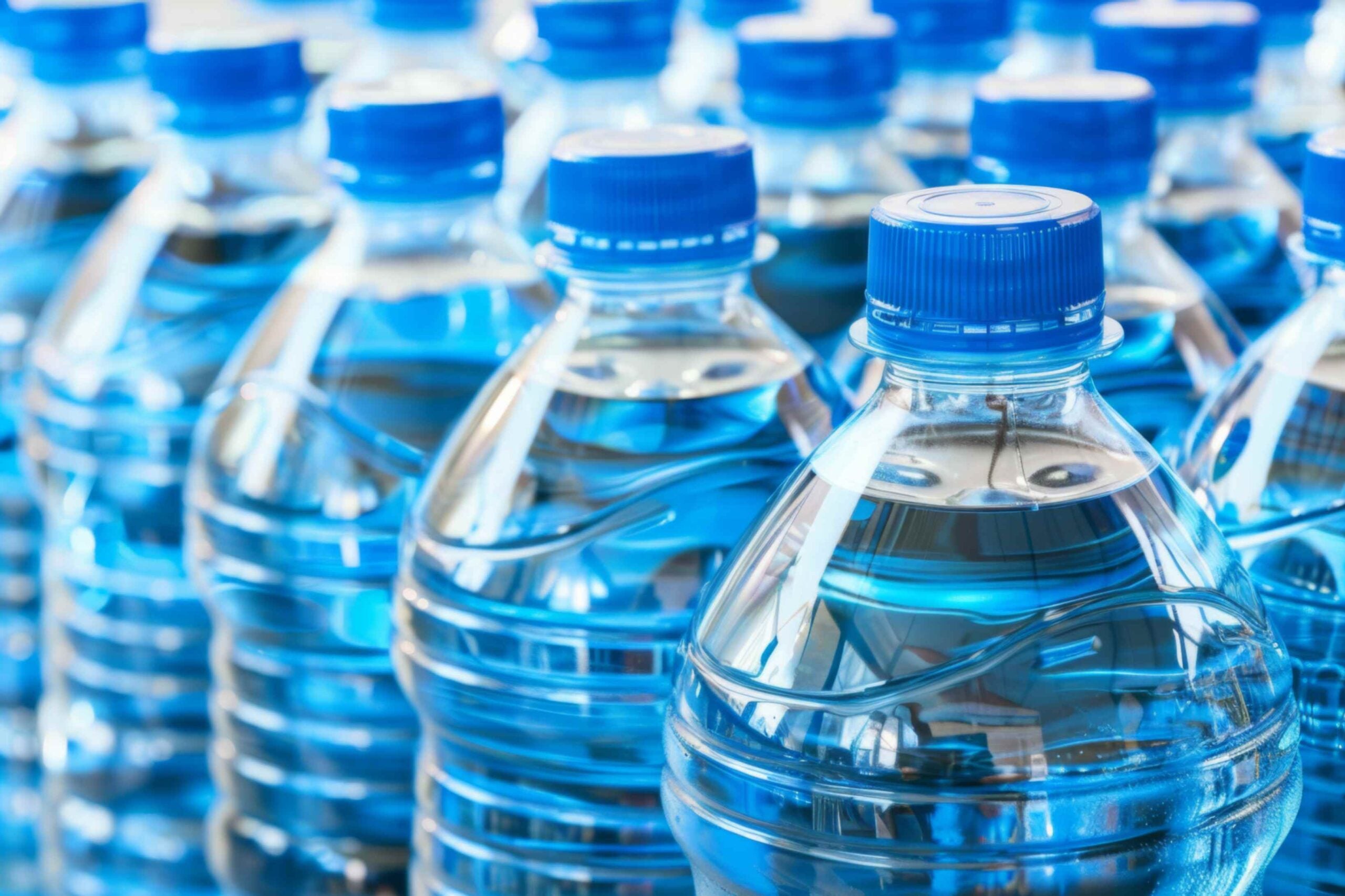
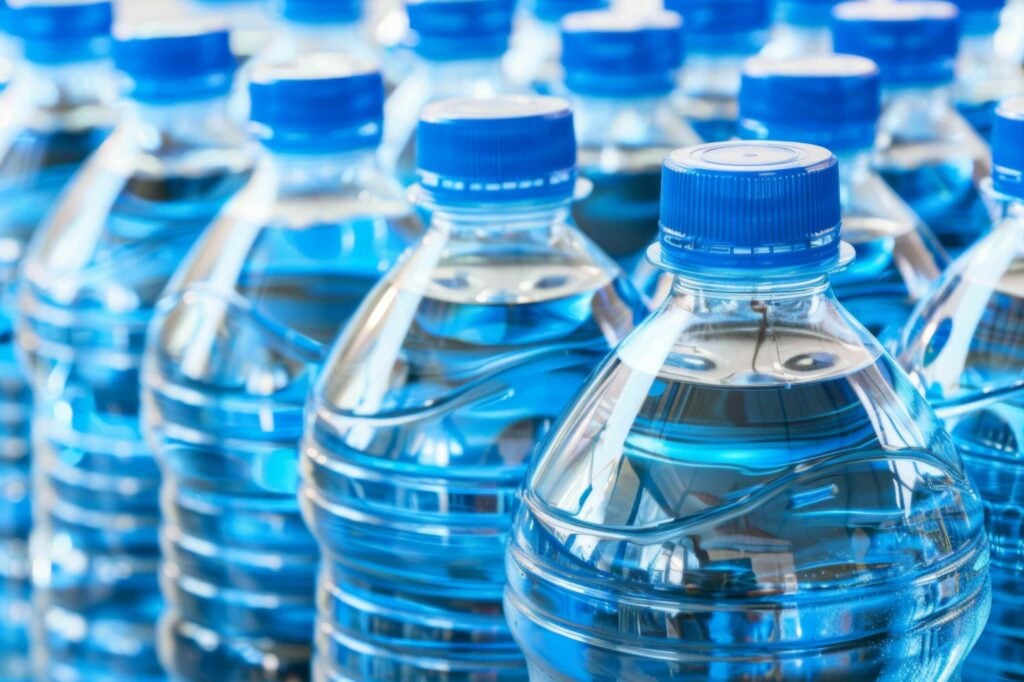
Warnings have been posted about cancer risks from drinking from plastic water bottles.

What science tells us

There has been concern of cancer risks from potential exposure to diethylhexyl adipate (DEHA), diethylhexyl phthalate (DEHP), or bisphenol A (BPA) that may be found in plastic water bottles.
The American Cancer Society has stated that viral messages warning against the use of plastic water bottles were not based on peer-reviewed research (ACS). In addition, the Environmental Protection Agency stated that DEHA “cannot reasonably be anticipated to cause cancer; immunotoxicity; gene mutations; liver, kidney, reproductive or developmental toxicity; or other serious or irreversible chronic health effects” (JNCI).

Epidemiological Evidence

According to the Cancer Research Center in the UK, there have been several studies stating that the chemicals found in plastic are safe to drink since the levels of exposure are very low (Cancer Research UK).

Laboratory Evidence/Supporting Evidence

Researchers examined 10 common brands of bottled water stored under different conditions. They concluded that temperature and sunlight exposure do play a role in degradation of phthalates over time, with freezing temperatures containing higher levels of DEHP. However, DEHP levels in the samples (between 0.296 and 1.778 mg/kg/day) were far below the EPA’s maximum safe dose of 20 mg/kg/day (Al-Saleh et al.). BPA is an industrial chemical that has been used to make plastic since the 1960s. These plastics are frequently used to make containers that store food and beverages. Based on animal studies, BPA exposure at high doses (more than 100 times the level designated safe by the FDA) is likely to cause negative health effects in the kidney and the liver. But the U.S. Food and Drug Administration (FDA) has declared that BPA is safe at the very low levels that may result from water bottle use (FDA). This is based on a review of hundreds of studies (many of which test even heating the plastic for hours at a time), but the FDA continues to monitor this research (JNCI).

IARC Carcinogen Classification:

Group 3 (not classifiable as to its carcinogenicity to humans: Bisphenol A diglycidyl ether (Araldite))

How to reduce your risk

The FDA, the regulatory food safety body, reported that BPA, DEHP, and DEHA pose no risk to human health from foodstuffs because current levels of exposure are well below the tolerable daily intake (FDA). However, if you are concerned about BPA exposure, choose stainless steel or glass water bottles instead. In addition, some, though not all, plastics marked with recycle codes 3 or 7 may be made with BPA.

Bottom line

There is not enough evidence to suggest that plastic water bottles cause cancer. However, not all plastic water bottles have the same chemical composition, and ongoing studies about exposure to specific components of water bottles are ongoing.

What you may have heard

Shampoo with formaldehyde is a carcinogen.

What science tells us

Many hair care products, such as shampoos and leave-in conditioners, contain formaldehyde or other variations, such as formalin and methylene glycol. When these products are heated, the formaldehyde is released into the air as a gas. This can occur by blow-drying, straightening, or curling the hair.
Formaldehyde is a colorless, strong-smelling gas that presents a health hazard when inhaled. 
According to the National Cancer Institute, when more formaldehyde is in the air than 0.1 part-per-million (ppm), some people may experience negative health effects, such as watery eyes; burning sensations in the eyes, nose, and throat; coughing; wheezing; nausea; and skin irritation (NCI).
Skin sensitization or allergic dermatitis can develop after repeated exposure to formaldehyde-related ingredients and when released into the air, it can cause irritation of the eyes, nose, and lungs (NCI).
The greater (and longer) the exposure to formaldehyde, the higher the health risks. For example, if a salon is not properly ventilated, both salon professionals and its clients are at risk of inhaling the released formaldehyde (FDA). OSHA issued a Hazard Alert to hair salon owners and workers about potential formaldehyde exposure and set a standard (29 CFR 1910.1048) limiting the allowable exposure in the air.

Epidemiological Evidence

Several human studies of formaldehyde suggest that long term exposure can cause hematolymphopoietic cancer s including leukemias and lymphomas (Swenberg et al.)

Laboratory Evidence/ Supportive Evidence

Several laboratory studies have also used rat models, which concluded that long term formaldehyde exposure results in nasal cancer (NCI).

IARC Carcinogen Classification:

Group 1 (carcinogenic to humans: Formaldehyde)

How to reduce your risk

If you are concerned about skin or eye irritation from products with formaldehyde, you may want to switch to products that do not contain these chemicals. Formaldehyde may not be listed on a product’s ingredients, but there are two formaldehyde-related ingredients that may produce similar effects: formalin and methylene glycol.
A number of websites, such as the Environmental Working Group’s Skin Deep Database or MADE SAFE, rate the safety of ingredients used in personal care products. These websites also post lists of brands that contain certain chemicals. The smartphone app Detox Me includes many tips to help you choose safer products.
A dermatologist and/or pharmacist may also be able to direct you to products that do not contain chemicals you wish to avoid.
You may report any adverse health reactions directly to the FDA using this link: FDA MedWatch Adverse Event Reporting System.

Bottom line

People who work in salons are at an increased risk of cancer due to repeated exposure to formaldehyde gas, which is produced when shampoos with formaldehyde are heated. Consider switching to formaldehyde-free shampoos.

What you may have heard

Shampooing with products that contain sodium lauryl sulfate (SLS) cause cancer.

What science tells us

SLS is a cleaning agent and surfactant that is used in many personal care and cleaning products.

Epidemiological Evidence

While SLS chemicals may cause eye irritation (or eye damage in high-enough quantities) and skin irritation when it stands alone, there is no evidence either way about whether sodium lauryl sulfate is a carcinogen. This has been confirmed by numerous government and international agencies, such as the International Agency for Research on Cancer (IARC), the U.S. National Toxicology Program, the California Proposition 65 List of Carcinogens, the U.S. Environmental Protection Agency, and the European Union (Bondi et al.).

Laboratory Evidence/ Supportive Evidence

Several laboratory-based studies conducted on mice showed signs of skin irritation but did not show a cancerous effect when exposed to sodium lauryl sulfate (Rovira et al.). 
 

IARC Carcinogen Classification:

Not classified

How to reduce your risk

While SLS may not be cancer-causing, to avoid any skin or eye irritation, experts suggest switching to products that do not contain these chemicals. A number of websites, such as the Environmental Working Group’s Skin Deep Database or Nontoxic Certified’s MADE SAFE, and apps like Clearya and DetoxMe, rate the safety of ingredients used in personal care products; these tools also post lists of brands that contain each type of chemical.


Shampoos that do not contain SLS are clearly marked on the label and can be located in any supermarket or pharmacy. A dermatologist and/or pharmacist may also be able to direct you to products that do not contain chemicals you wish to avoid.

Bottom line

SLS is not a carcinogen, yet there are many platforms that provide information and alternative products if the chemical causes eye or skin irritation.

What you may have heard

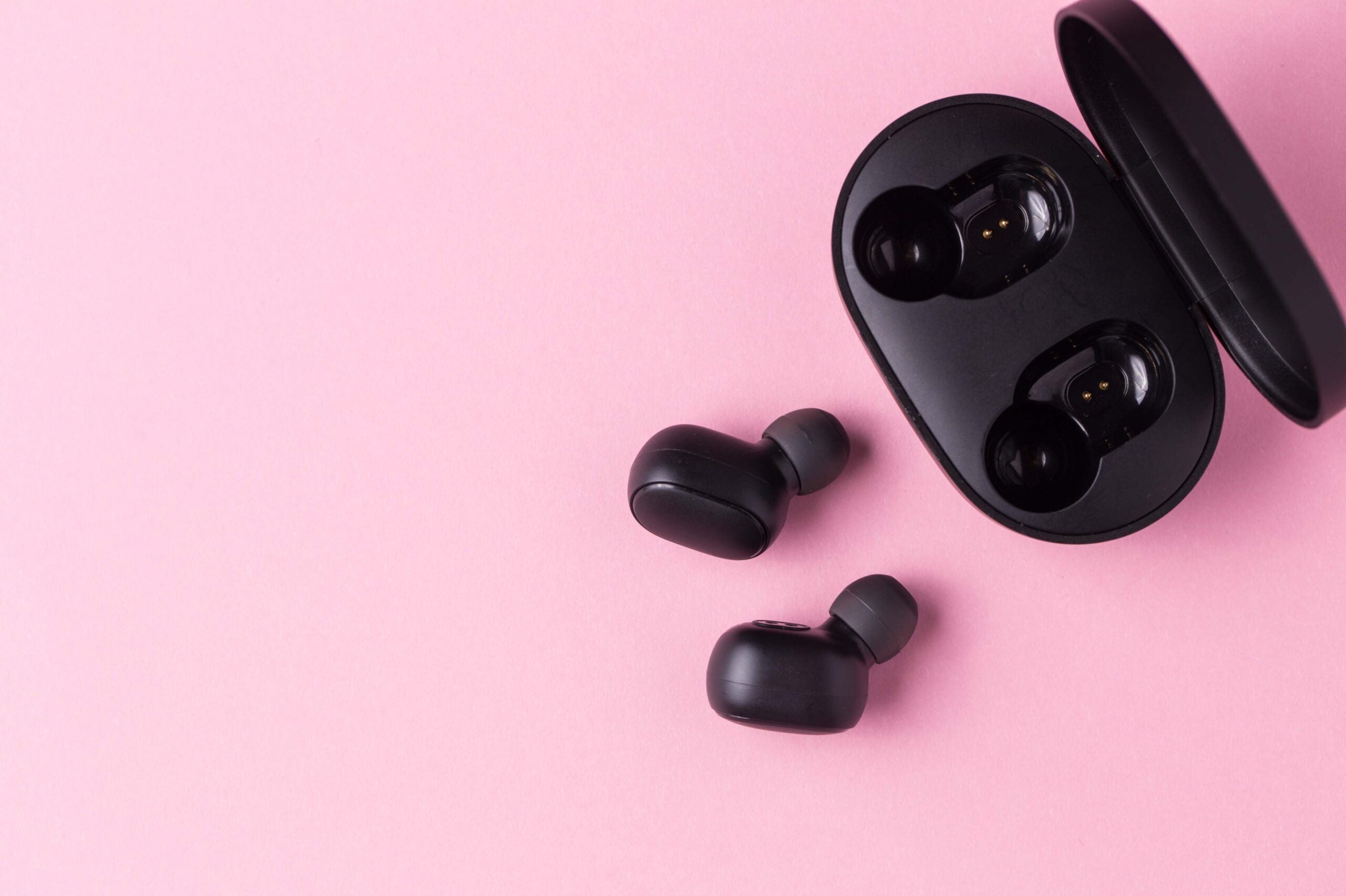
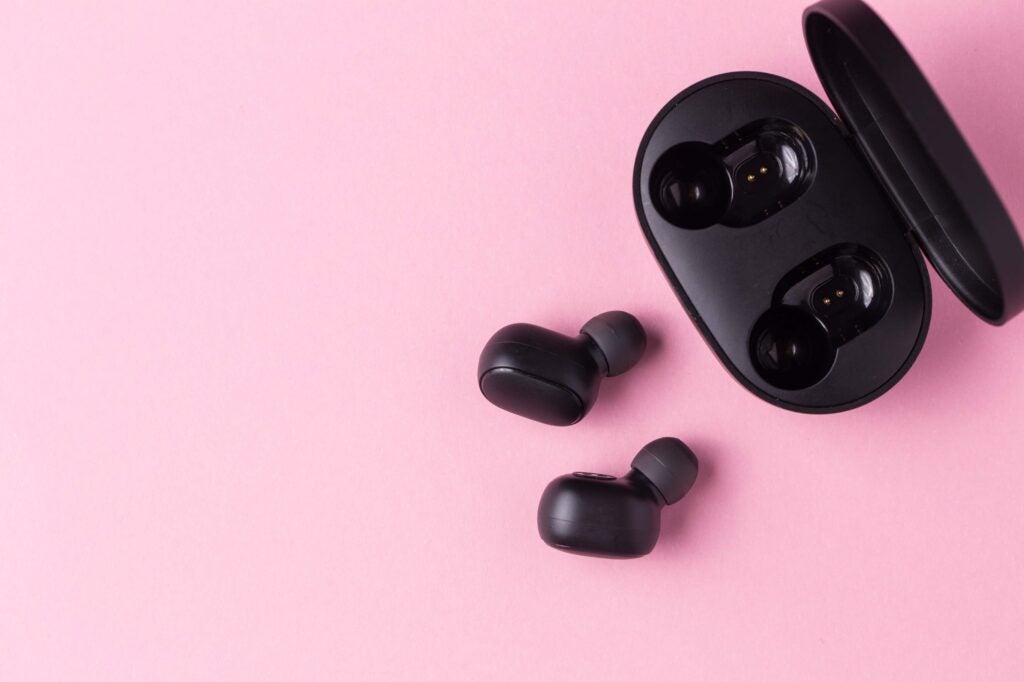
With the introduction and increased use of Bluetooth technology, many people have been concerned about their long-term effects on cancer risk.

What science tells us

Because of the newness of this technology, researchers have not had enough time to study potential correlation between cancer and Bluetooth headphones. However, since the radiation found in Bluetooth headphones is only 1/10th of that of a cell phone, there is most likely little to worry about. These devices emit RF (Radiofrequency) waves, which are a form of non-ionizing radiation. This means that they do not have enough energy to directly damage DNA inside cells and cause cancer (ACS, NCI).

Epidemiological Evidence

Many studies have looked into tumor formation and cell phone usage; however, the results are not conclusive (NCI). Most international organizations deem phone usage to be at most only a potential risk to cancer and at the least, not enough evidence to comment. Phones emit RF (Radiofrequency) waves, which are a form of non-ionizing radiation.

Laboratory Evidence/Supporting Evidence

Currently, there is no laboratory evidence that suggests Bluetooth headphones are linked to cancer.

IARC Carcinogen Classification:

Group 3 (Not classifiable as to its carcinogenicity to humans: radio-frequency electromagnetic fields).

How to reduce your risk

With little published research on the topic, scientists aren’t sure about the best way to reduce your risk, other than limiting the amount of time you spend with wireless headphones (NCI).

Bottom line

Bluetooth or wireless headphones most likely do not lead to an increase in cancer risk; however, limiting the time you spend using them, or keeping the phone away from your head, could ensure safety until further research is done.

Fact Finder Tool

Discover insights, research, and information to help you navigate cancer-related topics with confidence.

952 posts available
5 categories

CLAIM: Antiperspirants and deodorants increase the risk of breast cancer

What you may have heard Antiperspirants and deodorants contain cancer-causing substances that are absorbed, particularly after shaving. What science tells us Antiperspirants are classified as a drug that helps reduce the amount of sweat produced. The eccrine gland produces sweat and antiperspirants can block the production of sweat using an aluminum-based product (WebMD). Deodorants are…

Read More →

CLAIM: Cosmetics can increase cancer risk

What you may have heard Cosmetics and their ingredients are frequently discussed in the media as being associated with cancer. What science tells us The FDA defines cosmetics as “articles intended to be rubbed, poured, sprinkled, or sprayed on, introduced to, or otherwise applied to the human body…for cleansing, beautifying, promoting attractiveness, or altering the…

Read More →

CLAIM: Wearing bras can cause breast cancer

What you may have heard Wearing bras causes cancer. What science tells us Epidemiological Evidence There has been concern that bra-wearing changes how lymph nodes remove waste and toxins from the breast. However, there is no epidemiological evidence to support this claim.  The Fred Hutchinson Cancer Research Center in Seattle interviewed over 1,000 women with…

Read More →

CLAIM: Cell phone use causes cancer

What you may have heard Keeping your phone close to your body or head can increase your risk of cancer. What science tells us Phones emit RF (Radiofrequency) waves, which are a form of non-ionizing radiation. This means that they do not have enough energy to directly damage DNA inside cells and cause cancer (ACS,…

Read More →

CLAIM: Microwaving (or freezing) food in plastic containers increases cancer risk

What you may have heard Heating plastic in the microwave or freezing plastic releases various harmful chemicals that may cause cancer. What science tells us Freezing tends to work against the release of chemicals. The Johns Hopkins Bloomberg School of Public Health stated, “Chemicals do not diffuse as readily in cold temperatures, which would limit…

Read More →

CLAIM: Plastic water bottles cause cancer

What you may have heard Warnings have been posted about cancer risks from drinking from plastic water bottles. What science tells us There has been concern of cancer risks from potential exposure to diethylhexyl adipate (DEHA), diethylhexyl phthalate (DEHP), or bisphenol A (BPA) that may be found in plastic water bottles.The American Cancer Society has…

Read More →

CLAIM: Bluetooth or wireless headphones can cause cancer

What you may have heard With the introduction and increased use of Bluetooth technology, many people have been concerned about their long-term effects on cancer risk. What science tells us Because of the newness of this technology, researchers have not had enough time to study potential correlation between cancer and Bluetooth headphones. However, since the…

Read More →