Additional languages coming soon.
Skip to content

What you may have heard

Consuming high-fat diets decrease cancer risk. 

What science tells us

The notion that high fat diets decrease cancer risk stems from early research on diet and cancer. Countries with high “healthy fat” intake, such as countries along the Mediterranean Sea, have lower rates of cancer. But after further study, the differences in cancer risk no longer seem related to fat consumption (AICR). Overall eating choices matter as does the type and quality of fat in a diet. Recently, high-fat diets have become popular as a way to lose weight and prevent cancer risk. However, other experts warn that eating too much fat (and the wrong type of fat) may increase your cancer risk.

Epidemiological Evidence

Many epidemiological studies of dietary fat have been undertaken. More research is needed to better understand which types of fat should be avoided and how much of each fat alters cancer risk. Although monounsaturated, polyunsaturated, and trans fatty acids have been studied for a number of years, their effects on cancer risk are still unclear.  The World Cancer Research Fund has summarized there is only limited or suggestive evidence for increased cancer risk and total fat or saturated fat consumption.

Laboratory/Supporting Evidence

One study conducted on pregnant female mice showed that a high-fat diet resulted in the presence of breast cancer (Nguyen et al.). However, the research is still limited, and further research is needed to examine the effect of high fat diets on animal studies.

IARC Carcinogen Classification:

Not classified.

How to reduce your risk

Fat is the most concentrated source of calories, so it is easy for small portions to add up to excess calories. If those extra calories lead to weight gain, it is a very real concern for cancer risk; obesity is a risk factor for a wide range of cancers. Some tips to reduce your risk follow.

  • Limit fat from foods associated with cancer risk, such as red meat and processed meats.
  • Center your meals around vegetables, fruits, whole grains, and beans, which offer a wide range of healthy fats, nutrients, protective phytochemicals, and dietary fiber.
  • Consume plant-based foods (such as nuts and avocados) that are naturally high in fat.
  • Low-fat diets are no better than other calorie-cutting diets for weight loss or avoiding weight gain (AICR).

Bottom line

There is not strong evidence that high-fat diets cause or prevent cancer. Focusing on overall nutrient intake and eating patterns is the best way to reduce diet-related cancer risk.

Check out this article from the Harvard Gazette about our World Cancer Week panel discussion on nutrition and cancer risk, and watch a recording of the conversation below.
What you may have heard

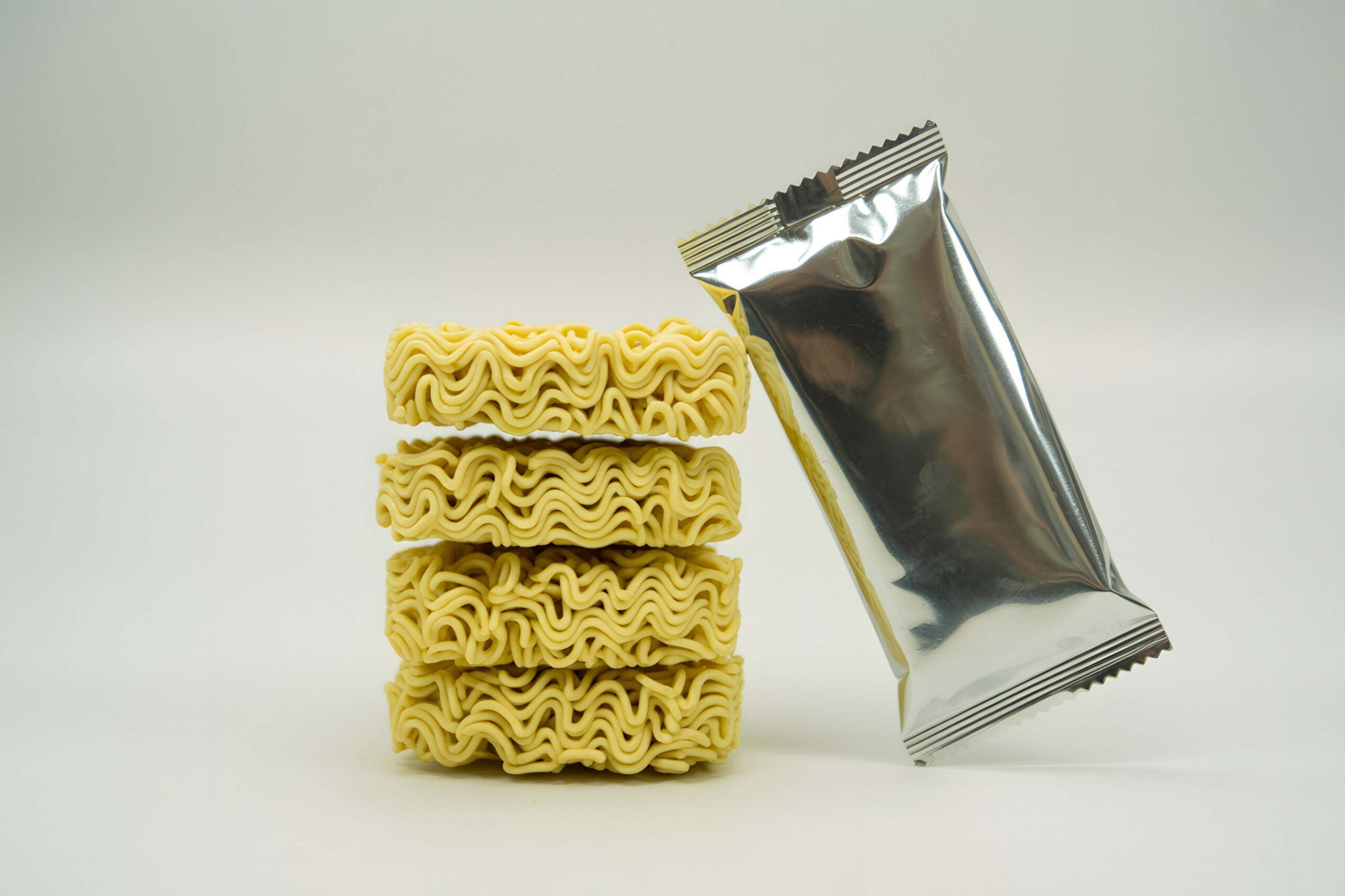
Consuming MSG increases your risk of cancer.

What science tells us

MSG is one of the most common food additives. Generally, MSG gives an umami (meat-like) scent and is often added to savory foods to improve their taste and smell (Niaz et al.).

Epidemiological Evidence

MSG has been thoroughly researched, and there have not been any links found between consuming MSG and cancer risk (Niaz et al.). Other studies, however, have looked at possible toxic effects of MSG for the body. Studies have linked MSG consumption to obesity, central nervous system disorders, liver damage, and reproductive malfunctions. While MSG has not been shown to increase the risk of cancer, it might lead to other harmful health effects (Niaz et al.).

Laboratory Evidence/Supporting Evidence

The effects of MSG have been studied in animal models, however, there are limited studies investigating if MSG causes cancer in animals (Zanfirescu et al.).

IARC Carcinogen Classification:

Not classified.

How to reduce your risk

MSG research has not shown a link to cancer risk. But experts recommend avoiding products that contain MSG because it can lead to other harmful health effects. Check the ingredients of the food you eat, especially “savory” products, as those are most likely to have MSG (Niaz et al.).

Bottom line

MSG does not appear to cause cancer or increase cancer risk.

What you may have heard

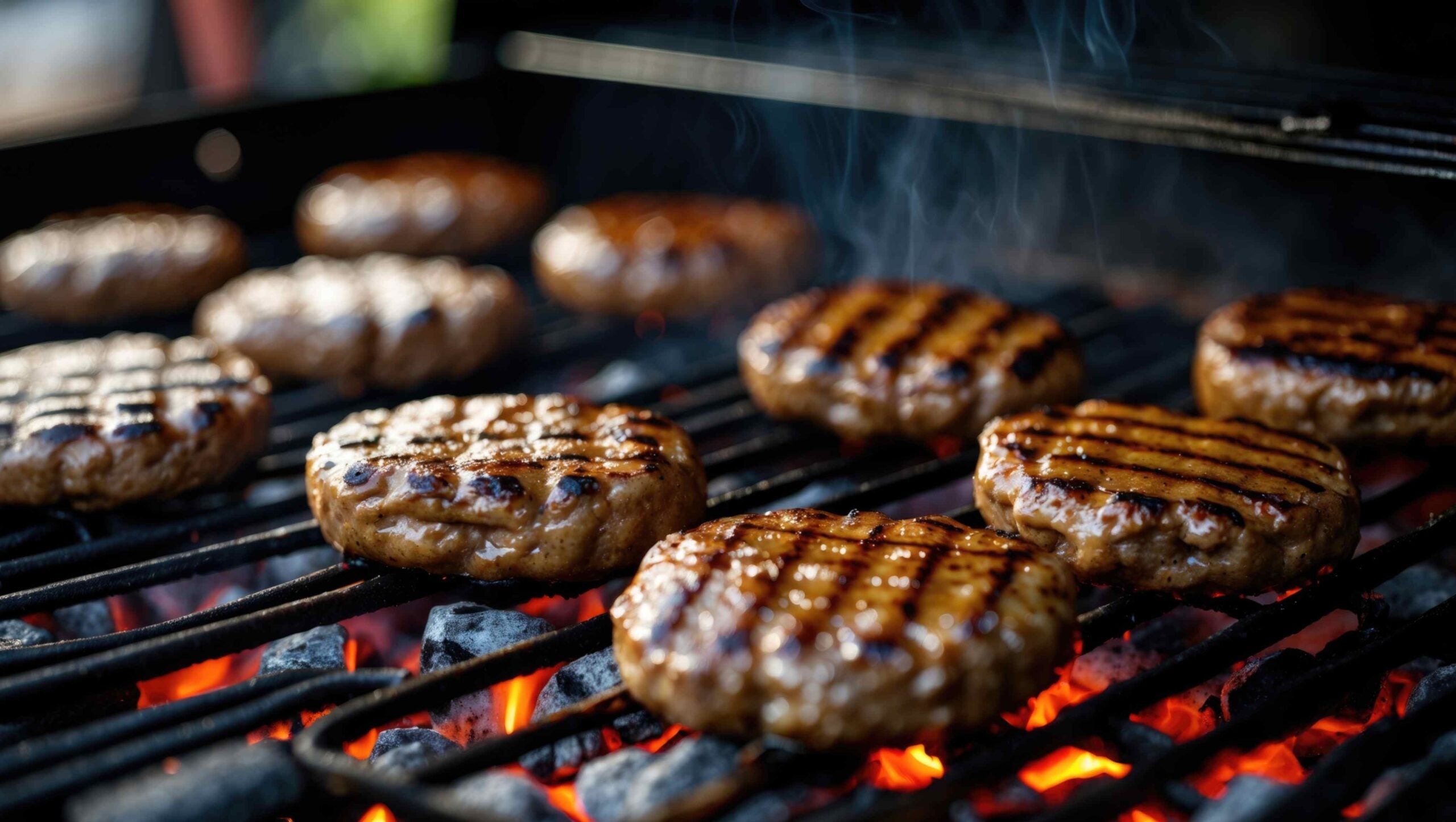
Eating charred or burnt meat can increase your risk of cancer.

What science tells us

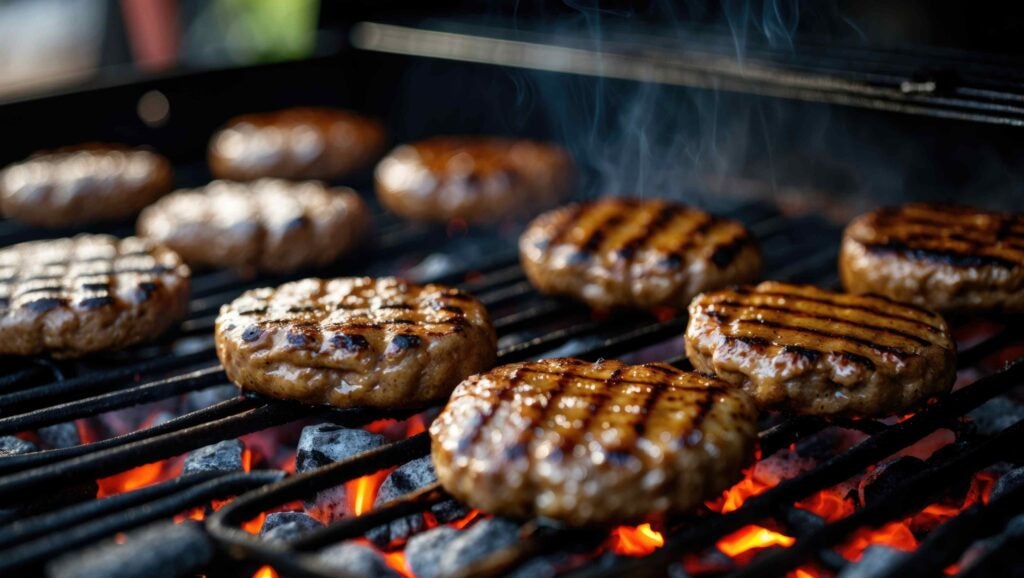
Charring or burning meat, poultry, or fish over high temperatures causes heterocyclic amines (HCAs) to form. Meat that is cooked above 300 ºF and for a long period of time causes HCAs to form (NCI).

Epidemiological Evidence

HCAs can cause genetic damage and increase a person’s risk of stomach and colorectal cancers (Cedars-Sinai). Several epidemiological studies have shown a positive correlation between HCAs and cancer risk (Sugimura). Other animal studies have also shown the carcinogenicity of HCAs with breast, colon, and prostate cancer development in rodents (Sugimura).

Laboratory Evidence/Supporting Evidence

The laboratory evidence for HCAs in cancer is consistent with that of the epidemiological evidence.

IARC Carcinogen Classification:

Group 2A/2B (possibly/probably carcinogenic to humans: various Heterocyclic amines – HCAs)

How to reduce your risk

To reduce your risk of colorectal cancer, avoid processed meats, limit red meat, and swap plants for meats. Avoid charring or burning meat, poultry, or fish (MD Anderson). Try the following tips for reducing the amount of charred or burnt material that sticks to your food.

  • Lightly oil the grill.
  • Lower the temperature (either by spreading the coals evenly or increase the distance between your food and the coals).
  • Scrub the grill after each use.
  • Use a marinade: This helps reduce HCA formation by as much as 96% (MD Anderson).
  • Trim fat from the meat. This can reduce exposure to cancer-causing polycyclic aromatic hydrocarbons (PAHs) that form when the fat drips onto the heat source. The PAH fills the smoke that coats and enters your food. Choosing lean cuts can decrease your exposure when grilling.

Bottom line

Grilling at high heat and eating charred meat, poultry, or fish can increase risk of colorectal cancer. To decrease your risk, swap plants for these meats, or avoid charring or burning meat, poultry, or fish.

What you may have heard

Consumption of processed meats can increase the risk of cancer.

What science tells us

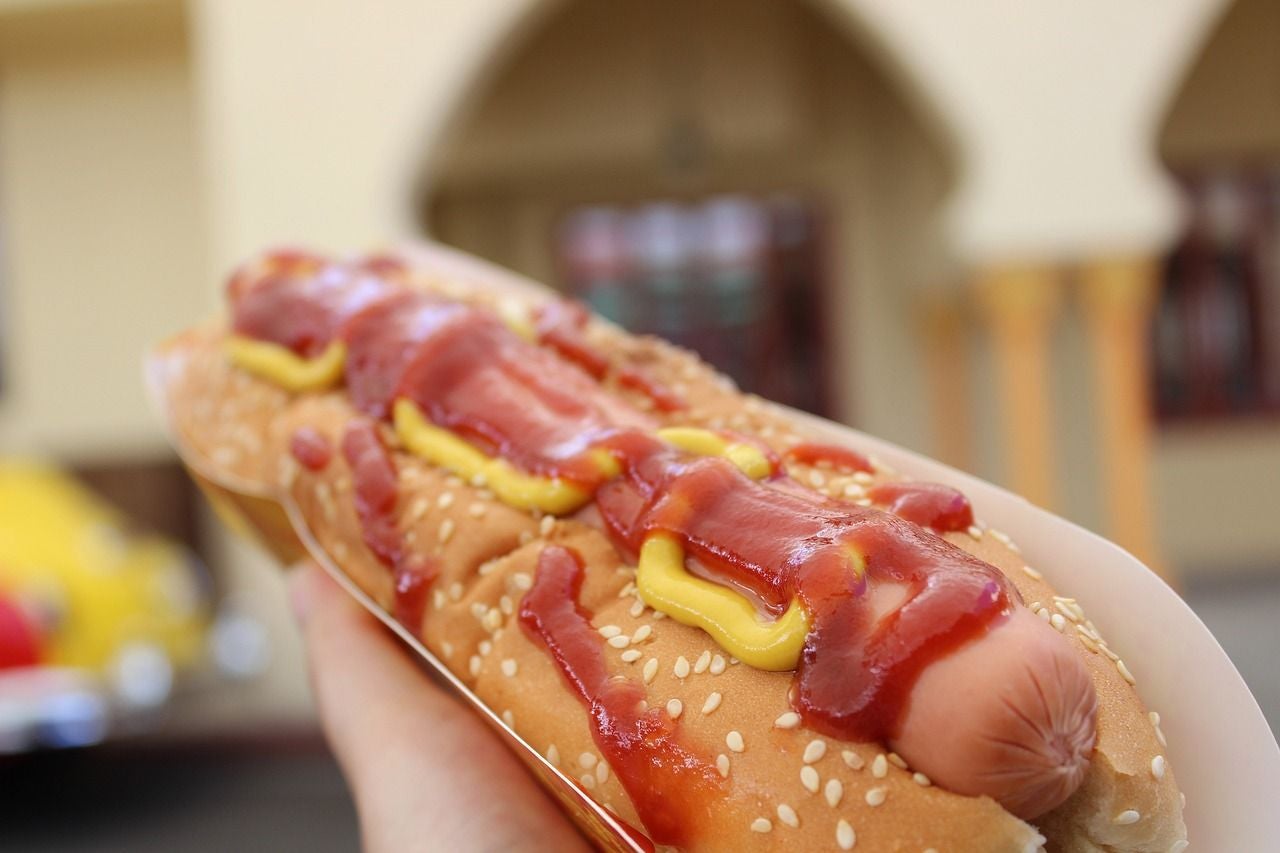
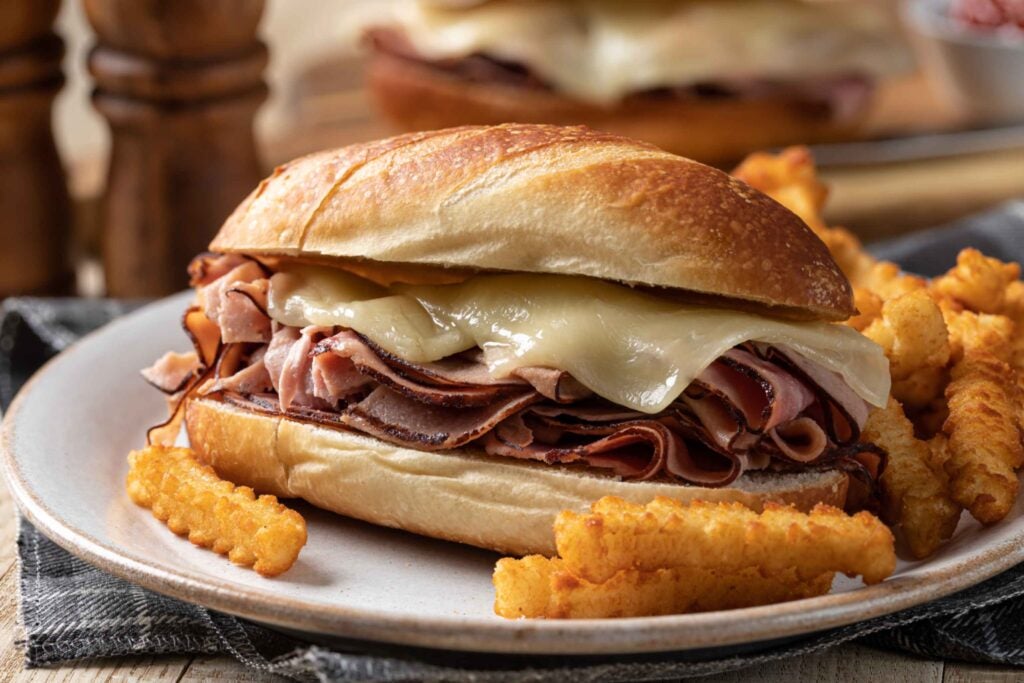
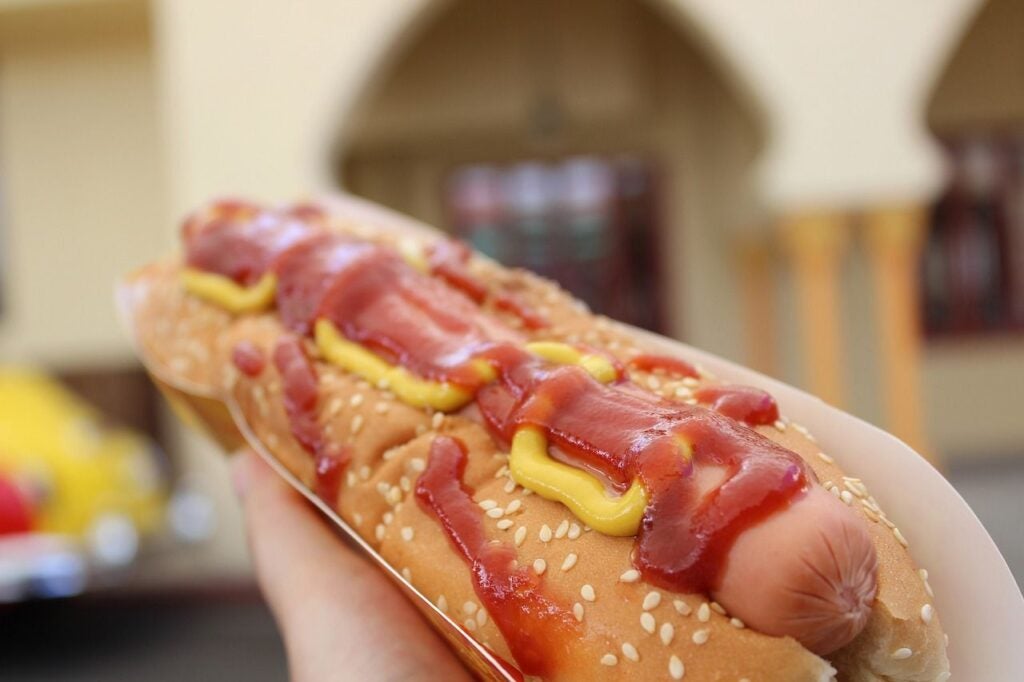
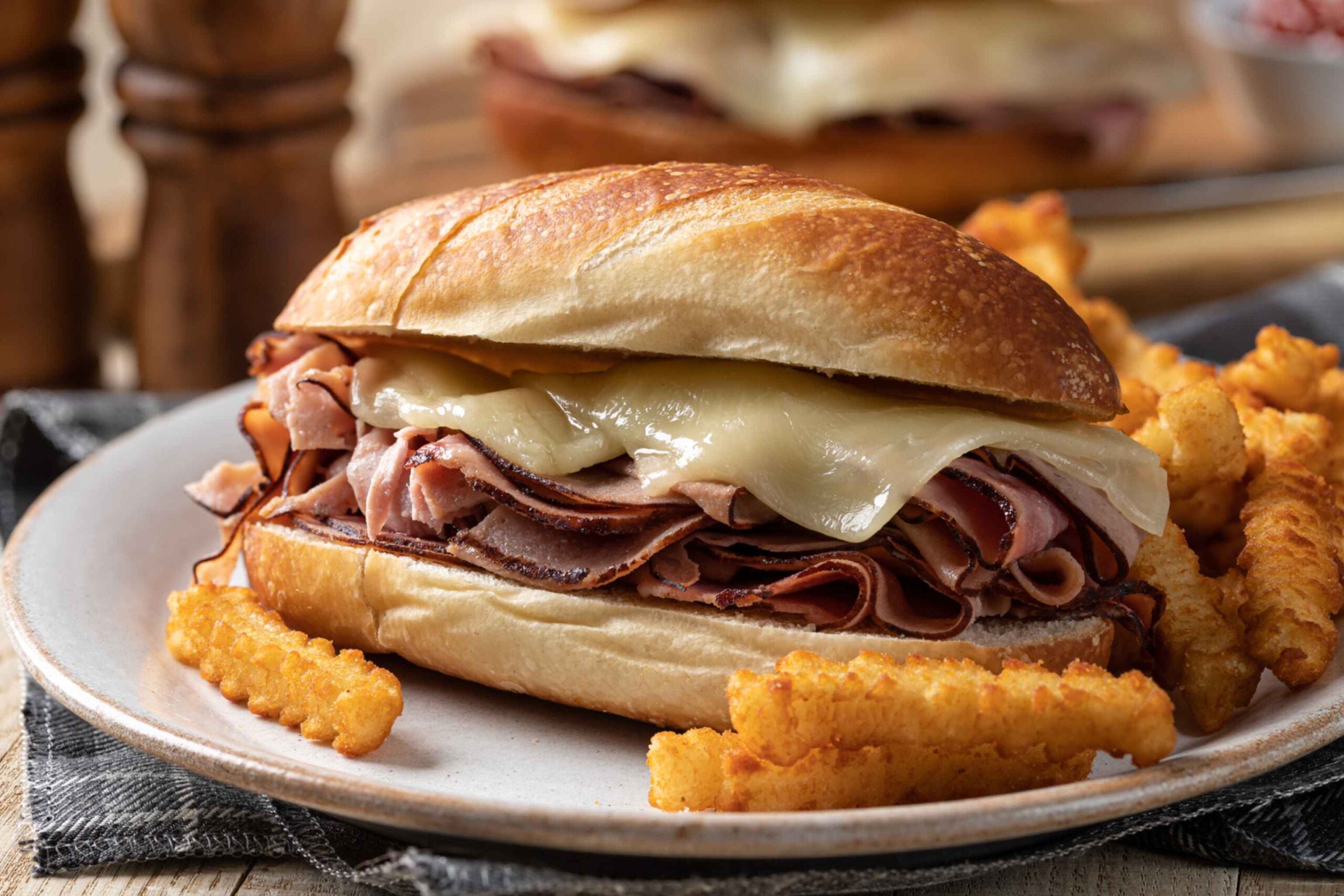
Processed meat has been changed through curing, smoking, salting, fermentation, or other processes to help preserve it or enhance flavor. Processed meats are most commonly made of pork or beef, such as bacon, sausage, ham, bologna, hot dogs, and deli meats such as chicken and turkey.

Epidemiological Evidence

In 2015, the International Agency for Research on Cancer (IARC) concluded that processed meat is a Group 1 carcinogen, which means that it is carcinogenic (or cancer-causing) to humans, based on evidence for increased risk of colorectal cancer (IARC). Recent studies also suggest a possible role of processed meat in increasing risk of breast cancer and prostate cancer, though more research is needed. It is unknown if there is a safe level for eating processed meat.

Laboratory Evidence/Supporting Evidence

Some animal studies have also shown the presence of colon cancer among rat studies which further supports the epidemiological evidence (Lyon).

IARC Carcinogen Classification:

Group 1 (Carcinogenic to humans)

How to reduce your risk

The American Cancer Society (ACS) reports that at least 18% of all cancers and about 16% of cancer deaths in the U.S. are related to excess body weight, physical inactivity, and/or poor nutrition (ACS). Healthy eating includes foods that are high in nutrients, in amounts that help get to and stay at a healthy body weight. Limit or avoid red and processed meats, sugar-sweetened beverages, highly processed foods, and refined grain products. Instead, choose proteins such as fish, poultry, and beans (ACS).

Bottom line

Limit or avoid red and processed meats and replace them with proteins such as fish, poultry, and beans.

Watch these videos from the Dana-Farber Cancer Institute and the World Cancer Research Fund for more information on processed meat and red meat.

What you may have heard

High red meat consumption increases the risk of developing cancer.

What science tells us

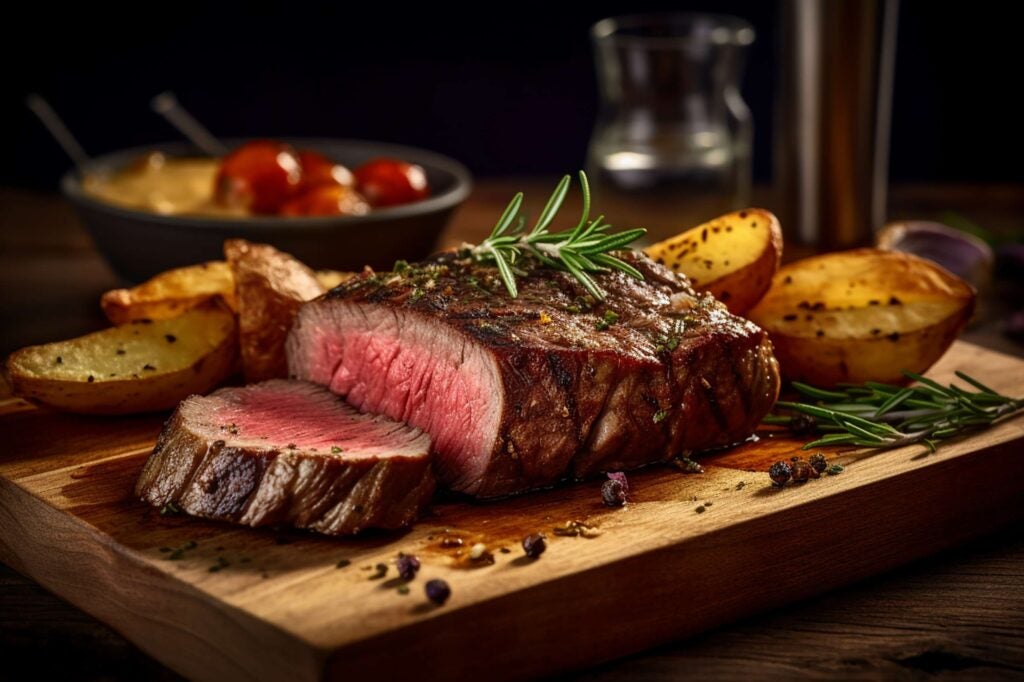
In 2015, the International Agency for Research on Cancer (IARC) concluded that red meat is a group 2A carcinogen, meaning that it has the potential to cause cancer in humans, based on evidence for increased risk of colorectal cancer (IARC).

Epidemiological Evidence

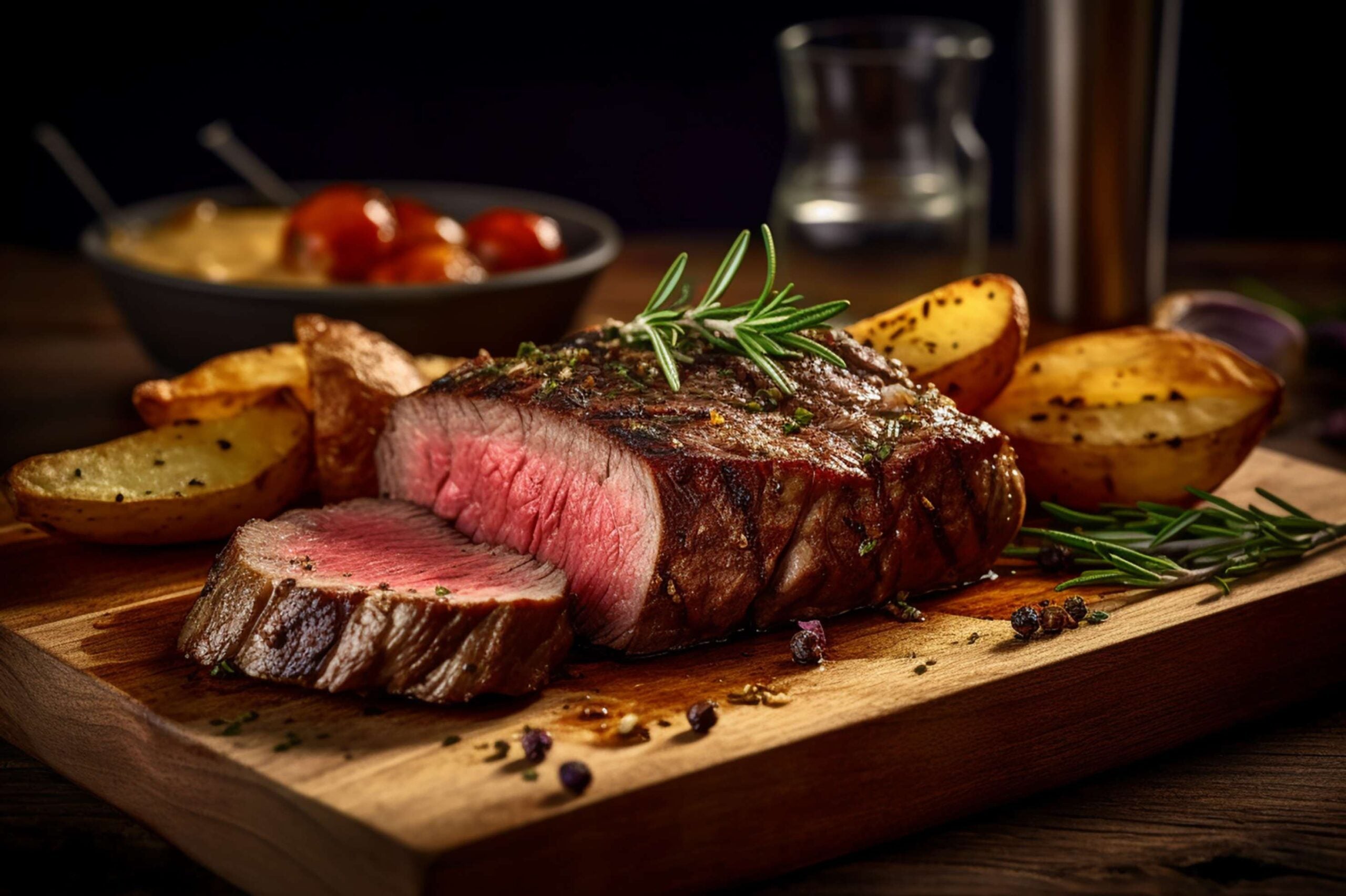
Although results vary, studies from around the world suggest that frequently eating red meat, meaning unprocessed meats from mammals (e.g., beef, veal, pork, lamb, etc.), is linked to an increased risk of cancer, especially colon cancer (ACS). Recent studies also suggest that red meat may increase the risk of breast cancer and prostate cancer, though more research is needed.

Laboratory Evidence/ Supportive Evidence

Laboratory and animal studies are generally consistent with epidemiological studies that conclude colon cancer is associated with high consumption of red meat (International Agency for Research on Cancer). 

IARC Carcinogen Classification:

Group 2A (Probably carcinogenic to humans)

How to reduce your risk

Healthy eating includes foods that are diverse in nutrients that are eaten in amounts that help a person get to (and stay at) a healthy body weight. To reduce your risk, limit or exclude red and processed meats, sugar-sweetened beverages, highly processed foods, and refined grain products. As the “safe level” for eating red meat is unknown, choose proteins such as fish, poultry, and beans over red meat, when possible.

Bottom line

Frequently eating red meat has been linked with cancer, including colorectal cancer, breast cancer, and prostate cancer. As a precaution, limit or exclude red and processed meats, and choose other proteins such as fish, poultry, and beans.

Fact Finder Tool

Discover insights, research, and information to help you navigate cancer-related topics with confidence.

952 posts available
5 categories

CLAIM: High-fat diets decrease your risk of cancer

What you may have heard Consuming high-fat diets decrease cancer risk.  What science tells us The notion that high fat diets decrease cancer risk stems from early research on diet and cancer. Countries with high “healthy fat” intake, such as countries along the Mediterranean Sea, have lower rates of cancer. But after further study, the…

Read More →

CLAIM: Monosodium glutamate (MSG) causes cancer

What you may have heard Consuming MSG increases your risk of cancer. What science tells us MSG is one of the most common food additives. Generally, MSG gives an umami (meat-like) scent and is often added to savory foods to improve their taste and smell (Niaz et al.). Epidemiological Evidence MSG has been thoroughly researched,…

Read More →

CLAIM: Grilling meat causes cancer

What you may have heard Eating charred or burnt meat can increase your risk of cancer. What science tells us Charring or burning meat, poultry, or fish over high temperatures causes heterocyclic amines (HCAs) to form. Meat that is cooked above 300 ºF and for a long period of time causes HCAs to form (NCI).…

Read More →

CLAIM: Red meat causes cancer

What you may have heard High red meat consumption increases the risk of developing cancer. What science tells us In 2015, the International Agency for Research on Cancer (IARC) concluded that red meat is a group 2A carcinogen, meaning that it has the potential to cause cancer in humans, based on evidence for increased risk…

Read More →