Brominated vegetable oil (BVO) has been linked to cancer.
What science tells us
Brominated vegetable oil (BVO) is a food additive, made from vegetable oil modified with bromine that is used in some soft drinks to keep citrus flavoring from separating. BVO can accumulate in body fat, as well as the liver, heart, and brain, leading to bromine toxicity. This can cause central nervous system damage, headaches, nausea, memory loss, and loss of coordination. The FDA has proposed banning BVO’s use in food due to potential health risks. BVO has been banned in several countries including the UK, India, the EU, Japan, and was recently banned from foods and beverages sold in California.
Epidemiological Evidence
Limited human studies have been conducted, but significant concerns arise from animal studies. No strong epidemiological evidence links BVO to cancer in humans directly.
Laboratory Evidence/Supporting Evidence
Animal studies show significant increases in bromide levels in the blood and tissues, affecting the thyroid gland (Woodling et al., 2022).
IARC Carcinogen Classification
Not classified, but related compounds are under scrutiny.
How to reduce your risk
Avoid beverages that list BVO as an ingredient. Check labels on soft drinks and opt for alternatives without BVO. Choosing water over soda is one of the simplest and most effective ways to reduce your risk. By choosing water, you avoid the potential health risks associated with additives like BVO and reduce your intake of unnecessary sugars and calories.
Bottom line
While human studies linking BVO and cancer are limited, the evidence from animal studies suggests avoiding BVO is important due to potential health risks.
What you may have heard
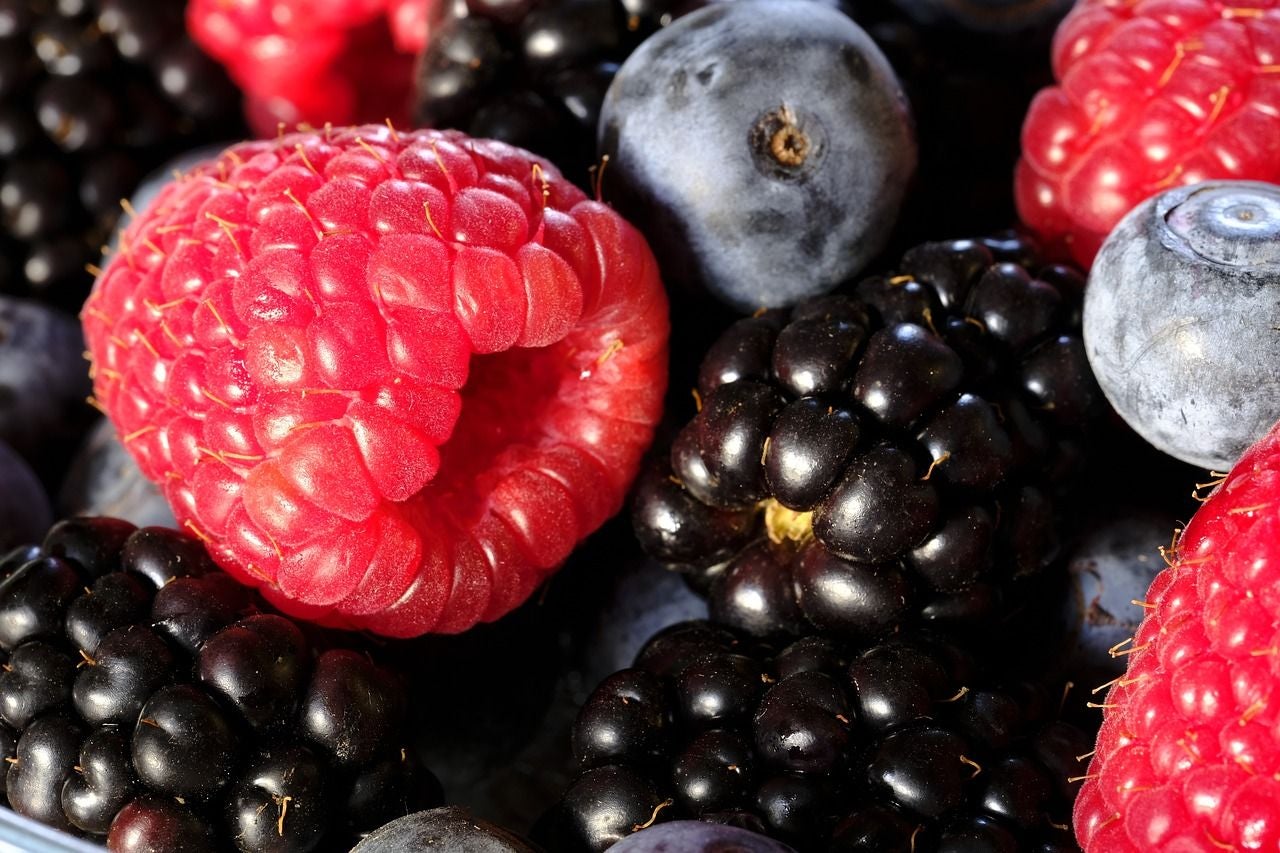
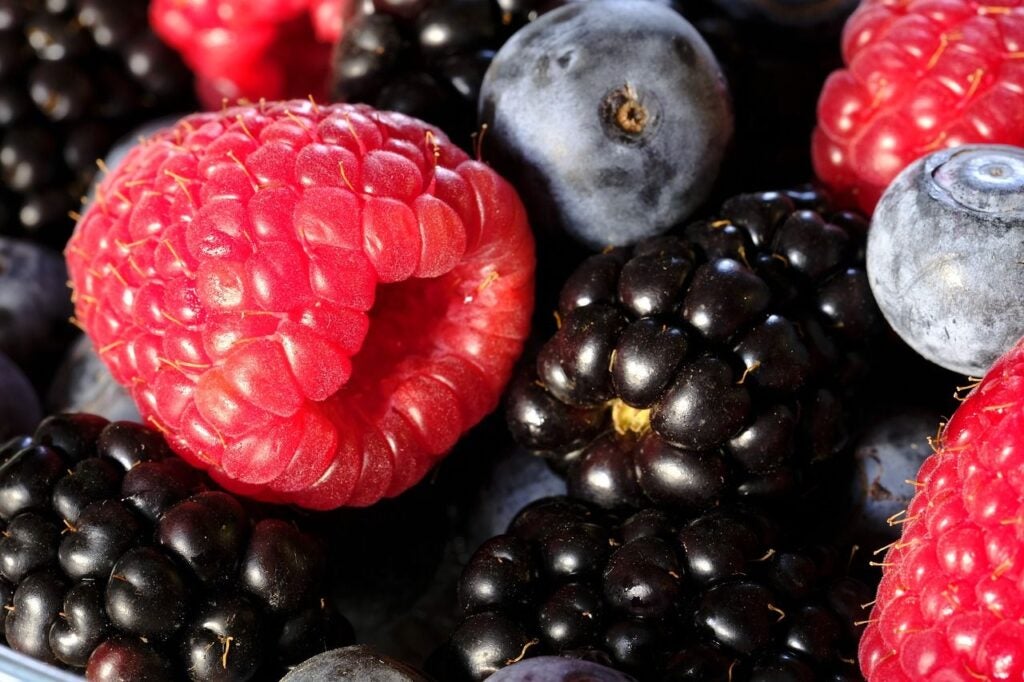
You might have heard that eating berries, such as strawberries, blueberries, raspberries, and blackberries, can help prevent cancer.
What science tells us
Berries are rich in antioxidants, such as vitamin C, quercetin, and anthocyanins, which help neutralize free radicals and reduce oxidative stress, a key factor in cancer development. Scientific studies support the idea that berries may play a role in cancer prevention.
Epidemiological Evidence
Many studies on animals and humans suggest that eating berries can lower the risk of cancers such as breast, esophagus, colon, and lung cancer. For example, black raspberries can change how genes handle cancer-causing substances and reduce the number of tumors.
Laboratory Evidence/Supporting Evidence
Berries help fight cancer by stopping cancer cell growth, triggering programmed cell death (apoptosis), and reducing inflammation. They also disrupt key pathways involved in cancer progression, like PI3K/Akt/mTOR and MAPK/ERK.
How to reduce your risk
1. Incorporate a Variety of Berries
Add a mix of strawberries, blueberries, raspberries, and blackberries to your diet. These berries are rich in different antioxidants that provide broad health benefits.
2. Enjoy Fresh or Frozen Berries
Whether fresh or frozen, berries retain their nutritional value. Use them in smoothies, as a topping for yogurt or cereal, or enjoy them on their own as a healthy snack.
4. Choose Organic Berries When Possible
Organic berries are less likely to contain pesticide residues, providing a cleaner option for your diet.
5. Balance Your Diet
While berries are beneficial, they should be part of a broader diet that includes a variety of fruits, vegetables, whole grains, and lean proteins. This balanced approach ensures you get a wide range of nutrients necessary for overall health.
Bottom line
Including berries in your diet is a tasty and nutritious way to potentially reduce your cancer risk. The beneficial compounds in berries work through multiple mechanisms to support cellular health and prevent cancer development. For optimal health benefits, consume a variety of berries regularly as part of a balanced diet rich in fruits, vegetables, whole grains, and lean proteins.
Watch this video on washing produce like berries from the USDA.
What you may have heard
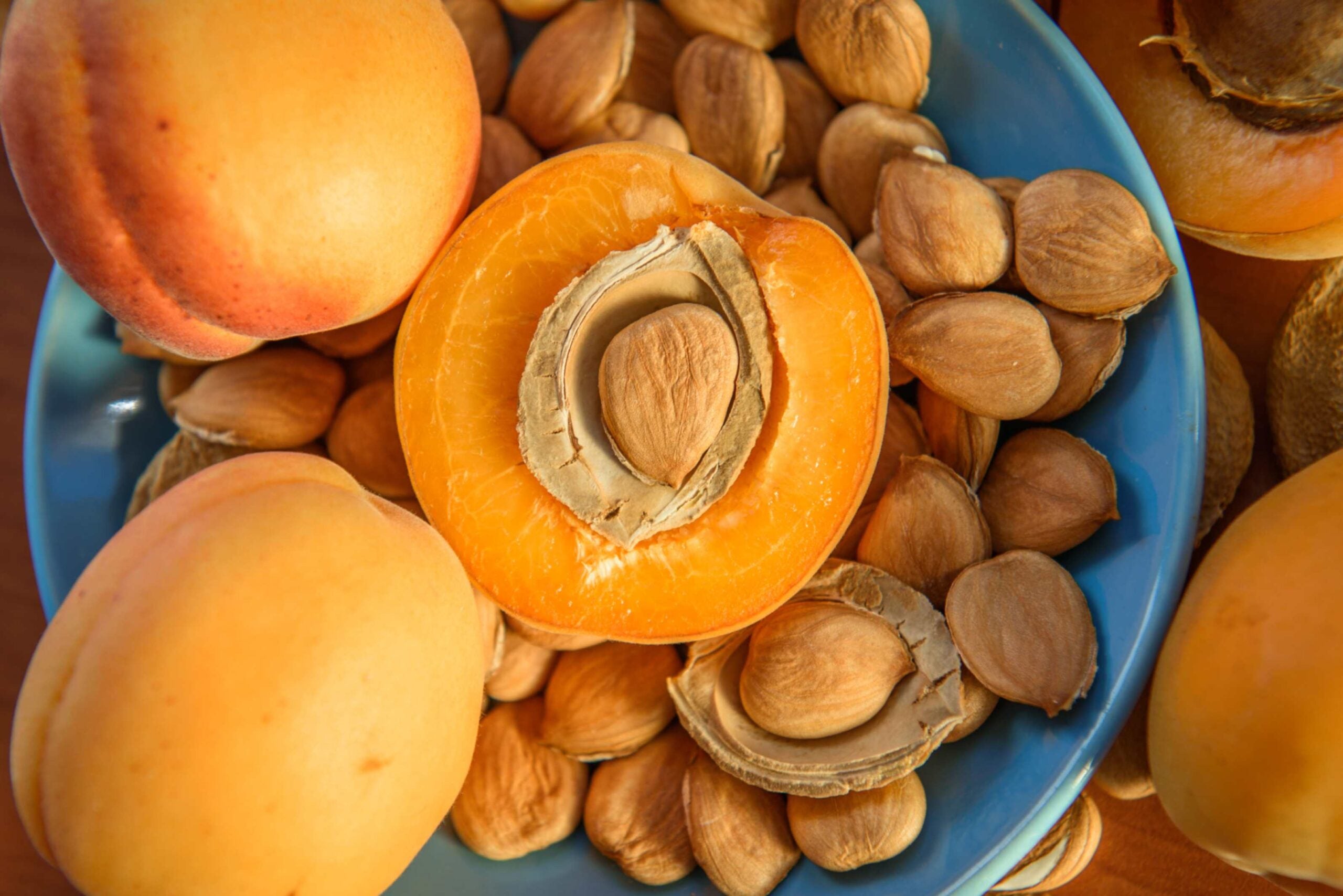
Apricot seeds cure cancer by targeting cancer cells and leaving normal cells unharmed.
What the science tells us
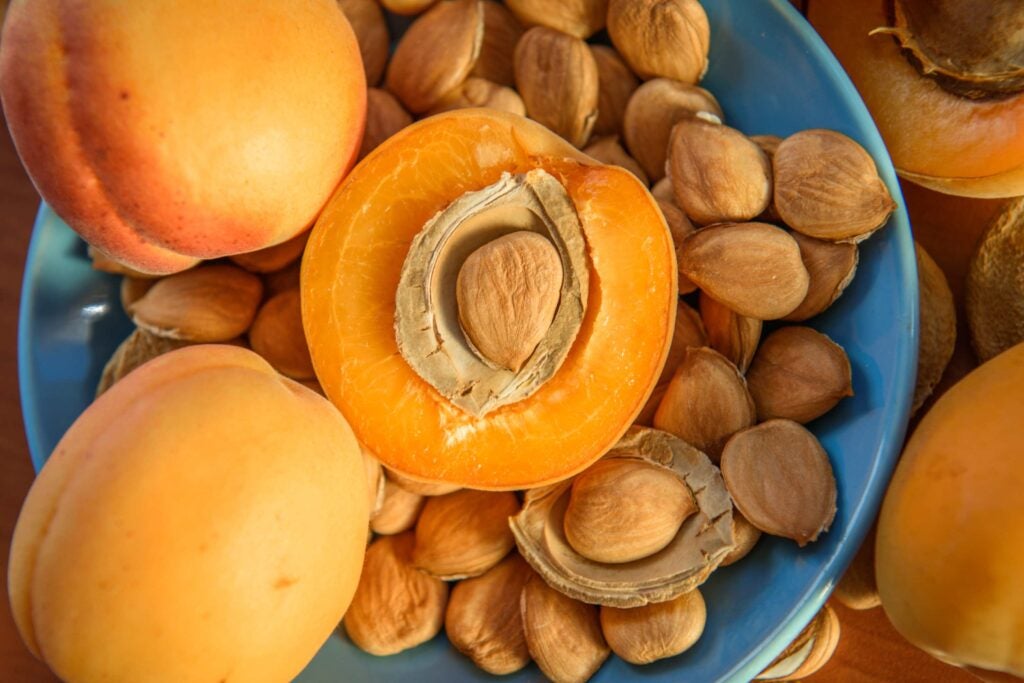
Apricot seeds contain amygdalin, a natural substance. Laetrile is a partly synthetic form of amygdalin. It is sometimes referred to as vitamin B17, though it is not actually a vitamin. Pharmaceutical companies produce Laetrile in the lab, and it is mistakenly called vitamin B17 by some.
When consumed, both amygdalin and Laetrile can release cyanide, a toxic substance that poses serious health risks. Amygdalin (Laetrile) has been linked to several cases of cyanide toxicity in cancer patients. Side effects can include inflammation and redness of the skin. High doses or prolonged use can lead to cyanide toxicity, resulting in symptoms such as nausea, vomiting, headaches, dizziness, mental confusion, bluish skin discoloration, inadequate oxygen supply to tissues, low blood pressure, drooping eyelids, nerve dysfunction, coma, and death.
Epidemiological Evidence
Studies show no reliable clinical data supporting the effectiveness of laetrile or amygdalin in treating cancer. Consistently, research has failed to demonstrate any significant anti-cancer effects from Amygdalin (Laetrile).
Laboratory Evidence/Supporting Evidence
While some lab studies suggest amygdalin might have anti-cancer properties, these findings have not been confirmed in human trials. The risk of cyanide poisoning from consuming Amygdalin (Laetrile) is a significant concern, making it unsafe as a treatment.
IARC Carcinogen Classification:
Not Classified
How to reduce your risk
Avoid using apricot seeds or products containing laetrile/amygdalin for cancer treatment. Laetrile is banned by the FDA in the United States due to its significant side effects and the absence of supporting evidence for its effectiveness. Similarly, its sale is prohibited in the UK and Europe, aligning with the global recognition of its dangers and lack of effectiveness.
Although Amygdalin (Laetrile) are not safe or effective for cancer treatment, apricots are nutritious, offering vitamins A and C, potassium, and dietary fiber. Many alternative cancer cure websites lack scientific credibility and can mislead patients, so it’s important to rely on treatments backed by solid scientific evidence.
Bottom line
The claim that apricot seeds can treat cancer is not supported by scientific evidence, and their consumption poses serious health risks, including cyanide poisoning. For effective cancer treatment, rely on evidence-based therapies and consult healthcare professionals.
What you may have heard
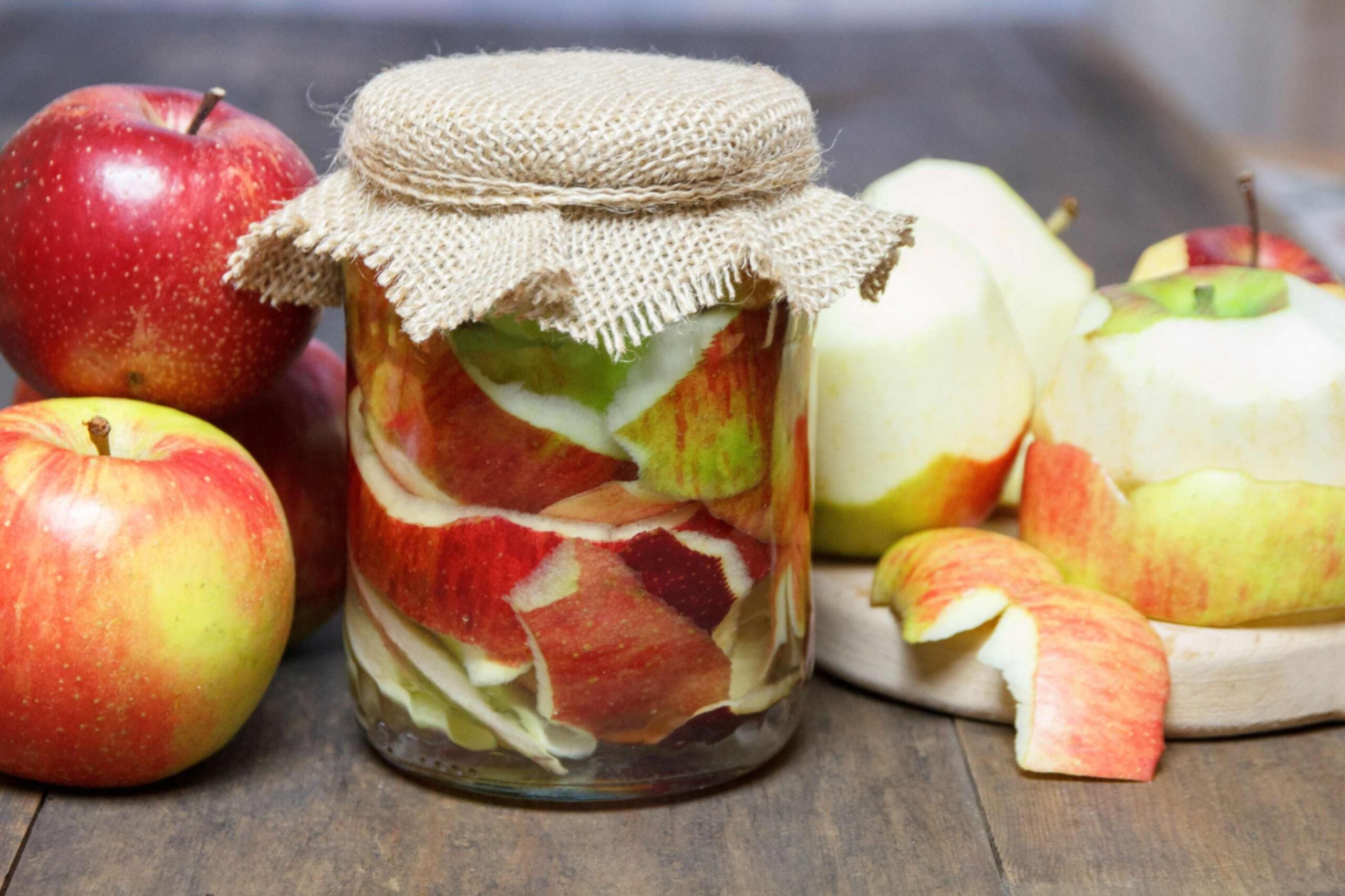
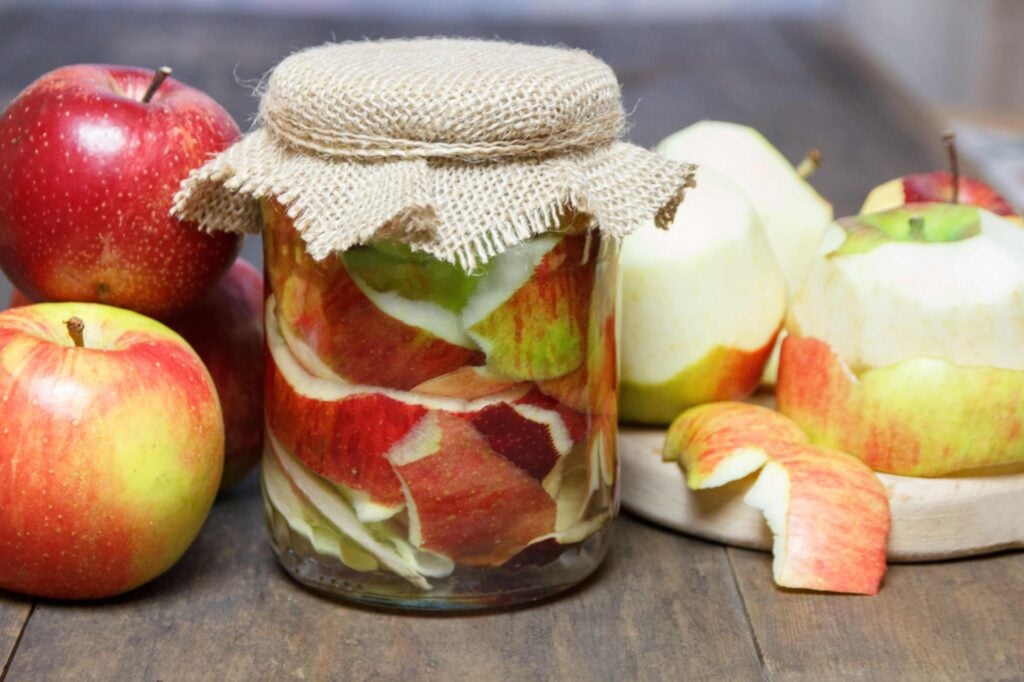
There are claims that apple cider vinegar (ACV) can treat or prevent cancer. This belief is based on the idea that ACV can create a more alkaline environment in the body, making it less hospitable for cancer cells to grow.
What the science tells us
In chemistry, the pH scale measures how acidic or basic a solution is, ranging from 0 to 14. A pH of 7 is neutral, below 7 is acidic, and above 7 is basic. ACV is acidic due to its main active compound, acetic acid.
Epidemiological Evidence
There are no human epidemiological studies that directly link the consumption of apple cider vinegar with a reduced risk of cancer. Most studies focus on the broader concept of dietary acidity and its potential effects on cancer.
Laboratory Evidence/Supporting Evidence
Laboratory studies have shown that cancer cells can grow more aggressively in acidic environments (Gupta et al., 2014). However, these studies do not suggest that consuming acidic foods like ACV affects cancer risk in humans. Your body’s pH levels are tightly regulated and not significantly influenced by diet. Some studies have indicated that acetic acid, the main component of ACV, can kill cancer cells in a lab setting (Okabe et al., 2014), but this does not translate to effective cancer treatment in humans.
IARC Carcinogen Classification:
Not Classified
How to reduce your risk
While ACV is not a proven method for preventing or treating cancer, maintaining a healthy lifestyle is crucial. Research shows that no single diet or food can prevent cancer. Instead, a balanced diet combined with regular physical activity can help prevent excess weight gain, which is associated with cancer risk.
A healthy diet includes:
Fruits and vegetables
Healthy fats like avocado and olive oil
Limiting sweets and alcohol
Drinking plenty of water
Fiber-rich foods like whole grains
Reducing intake of red meats and avoiding processed meats
Regular physical activity
Enjoying your food in moderation
Bottom line
There is no scientific evidence that apple cider vinegar can treat or prevent cancer. Your body’s pH is not significantly affected by diet. Focus on a balanced diet and regular exercise to reduce your cancer risk and maintain overall health.
What you may have heard
Antioxidant supplements, such as vitamins A, C, and E, can help prevent cancer and other diseases.
What the science tells us
Antioxidants are substances, either synthetic or naturally occurring, that can help prevent or slow down certain types of cellular damage. They are present in a variety of foods, particularly fruits and vegetables, and can also be taken as dietary supplements. These supplements are often marketed as a way to boost your health by fighting off harmful free radicals (unstable molecules that are created during normal cell processes and can cause damage to cells) in the body.
The science on antioxidant supplements and cancer prevention is mixed and inconclusive. While antioxidants from food sources are beneficial and linked to various health benefits, high-dose antioxidant supplements do not have the same proven effects. In fact, some studies suggest that very high doses of certain antioxidant supplements might even increase the risk of some cancers. Antioxidant supplements have only single antioxidants, while food provides a complete mix of antioxidants, phytonutrients, vitamins, minerals, and fiber that work together for better health.
IARC Carcinogen Classification:
Not Classified
How to reduce your risk
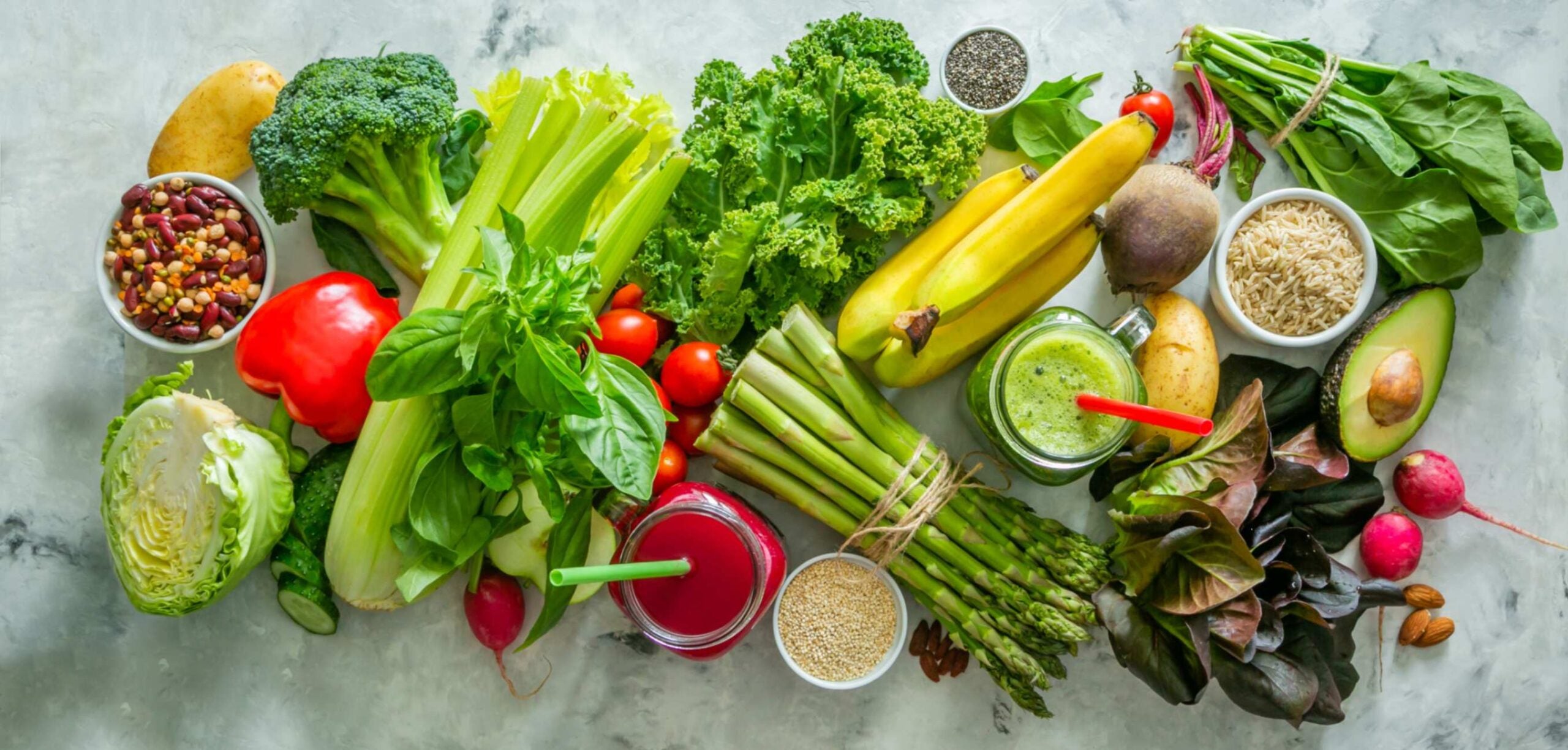
Eat a Rainbow:
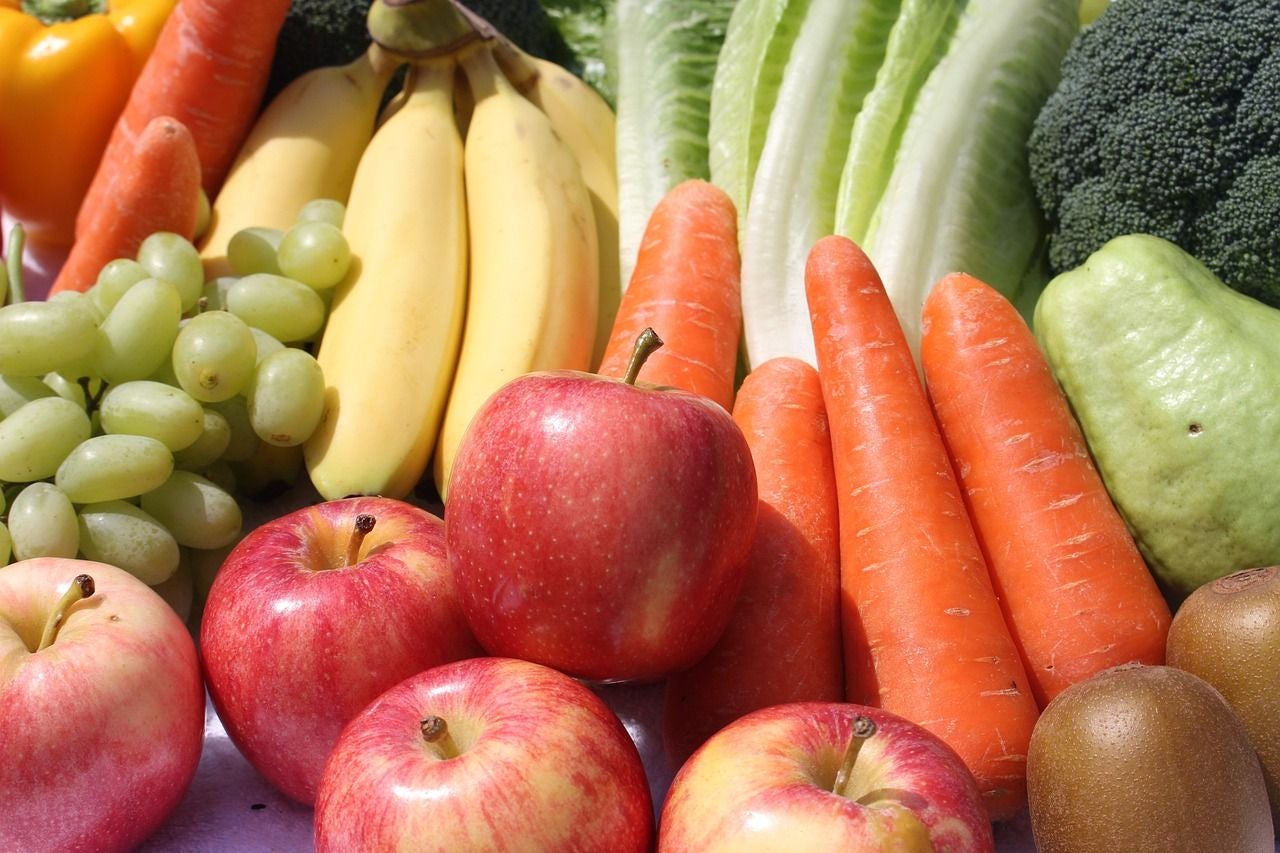
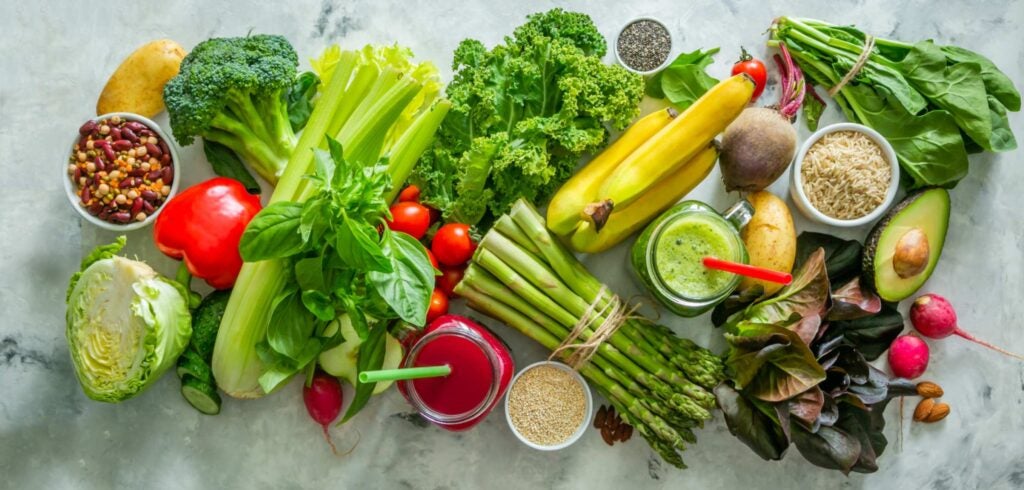
Aim to include a variety of colorful fruits and vegetables in your daily diet. Each color represents different types of antioxidants and nutrients:
Red: Tomatoes, strawberries, red peppers, red kidney beans
Orange: Carrots, sweet potatoes, oranges
Yellow: Bell peppers, lemons
Green: Spinach, broccoli, kale
Blue/Purple: Blueberries, grapes, eggplants
Choose Whole Grains:
Replace refined grains with whole grains such as brown rice, quinoa, oats, and whole wheat products. Whole grains are rich in antioxidants and fiber.
Snack on Nuts and Seeds:
Include a variety of nuts and seeds into your diet, such as almonds, walnuts, flaxseeds, and chia seeds. These are excellent sources of antioxidants, healthy fats, and other nutrients.
Limit Processed Foods:
Reduce intake of processed foods, sugary snacks, and high-fat foods, as they can increase oxidative stress (damage to your cells caused by harmful molecules called free radicals) and cancel out the benefits of antioxidants.
Bottom line
It’s best to get your antioxidants from a variety of healthy foods, such as brightly colored fruits and vegetables, whole grains, nuts, seeds, and wheat germ. These foods not only provide antioxidants but also offer a host of other nutrients that work together to support your overall health. High-dose antioxidant supplements should not be relied upon for cancer prevention, and their use should be discussed with a healthcare provider.
To hear from a nutritionist on this subject, watch the video below.
What you may have heard
Adopting an alkaline diet , which focuses on consuming foods that supposedly create a more alkaline environment in the body, can protect against cancer. This diet often involves eating more fruits and vegetables while reducing intake of meat and processed foods.
What the science tells us
The evidence on whether an alkaline diet can prevent cancer is currently inconclusive. A breakdown of the scientific understanding follows.
The body maintains a tight control over blood pH through various mechanisms involving the lungs, kidneys, and bones. The idea that diet can significantly alter blood pH is not supported by scientific evidence.
Some lab studies suggest that cancer cells may create an acidic environment around them. However, this does not mean that an acidic diet causes cancer. The acidic environment may be a result of the cancer cells’ metabolism, the process that allows them to grow and produce energy.
Some observational studies have found associations between diets that produce a lower acid load and a reduced risk of certain cancers. However, these studies do not prove that a specific diet reduces the risk of cancer.
Comprehensive reviews of the research have found limited evidence to support the idea that dietary acid load directly influences cancer development.
IARC Carcinogen Classification:
Not Classified
How to reduce your risk
1. Eat More Fruits and Vegetables
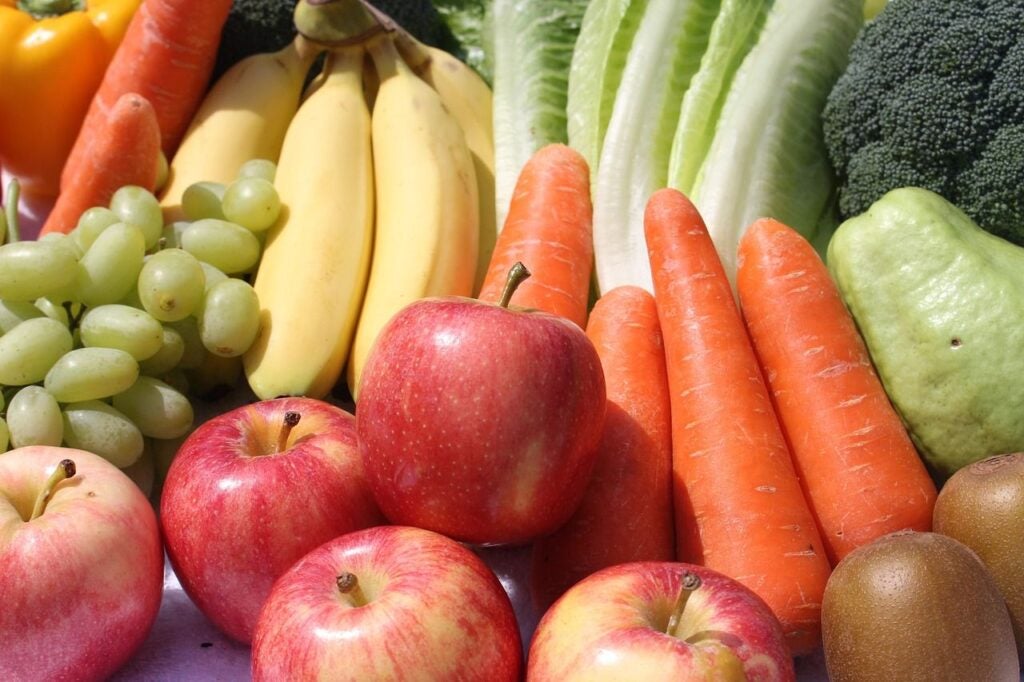
Increase your intake of a variety of colorful fruits and vegetables. These foods are rich in vitamins, minerals, antioxidants, and fiber, which all contribute to overall health.
2. Choose Whole Grains
Incorporate whole grains like brown rice, quinoa, oats, and whole wheat into your diet. Whole grains provide essential nutrients and fiber.
3. Limit Red and Processed Meats
Reduce consumption of red and processed meats, which have been linked to an increased risk of certain cancers. Choose lean proteins like fish, poultry, beans, and legumes.
4. Stay Hydrated
Drink plenty of water and limit sugary beverages. Staying hydrated supports overall health and can help maintain a healthy weight.
6. Avoid Smoking and Limit Alcohol
Do not smoke and limit alcohol consumption. Both smoking and excessive alcohol intake are significant risk factors for various types of cancer.
Bottom line
While an alkaline diet promotes the beneficial consumption of fruits and vegetables, there is no conclusive evidence that it can prevent cancer; instead, following a balanced diet rich in fruits, vegetables, whole grains, and lean proteins, along with maintaining a healthy weight through regular physical activity, is more effective.
What you may have heard
Standing too close to the microwave can increase your risk of developing cancer.
What science tells us
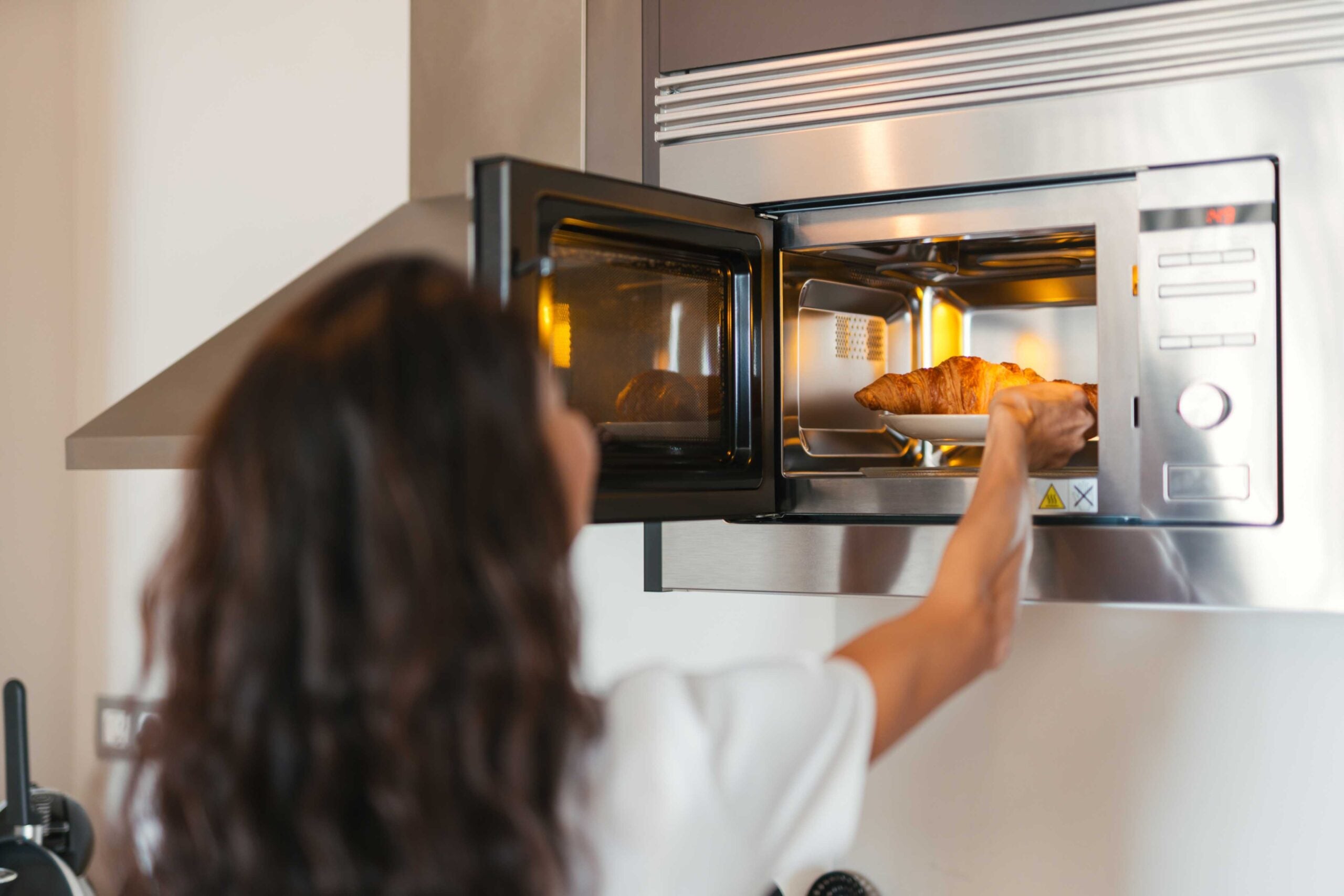
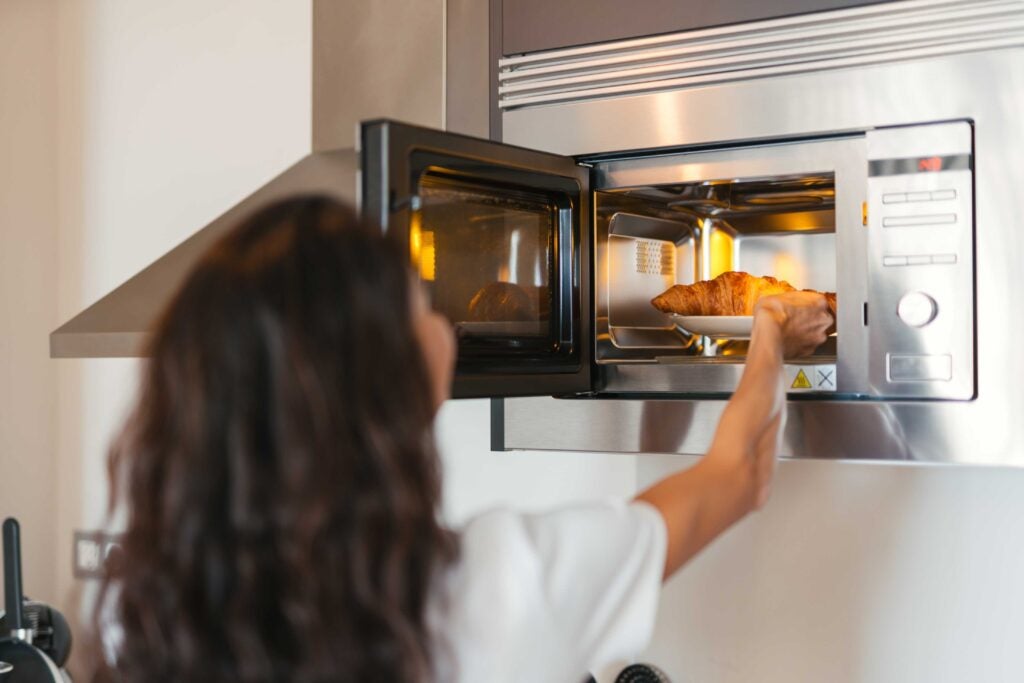
Microwaves do not emit enough radiofrequency radiation to be harmful to humans (ACS). Microwave ovens are designed so that the microwave radiation is contained within the oven itself. The oven only creates microwaves when the door is shut, and the oven is turned on.
Epidemiological Evidence
When microwave ovens are in good condition and are used according to instructions, there is no evidence that they pose a health risk to people.
Laboratory Evidence/Supporting Evidence
There are very limited animal or laboratory studies that look into the relationship between microwaves and cancer.
IARC Carcinogen Classification:
Group 2B (possibly carcinogenic: if microwave is broken/open)
How to reduce your risk
The best way to reduce your risk is to ensure that your microwave is in good working condition. Replace your microwave whenever it is damaged, as this might allow radiation leakage that could be harmful to humans, if not addressed.
Bottom line
Using a microwave is not risky, as long as the microwave is in good condition.
What you may have heard
Heating plastic in the microwave or freezing plastic releases various harmful chemicals that may cause cancer.
What science tells us
Freezing tends to work against the release of chemicals. The Johns Hopkins Bloomberg School of Public Health stated, “Chemicals do not diffuse as readily in cold temperatures, which would limit the chemical release” (LAT). This means that freezing any type of plastic container poses no cancer risks.
Diethylhexyl adipate (DEHA) is found in some plastics and may be released when the container is heated (LAT). It is possible that substances used in the manufacturing process of plastics, such as DEHA, may leak into food during the heating process. But the FDA imposes strict regulations on plastic containers labeled as “microwave safe” (FDA).
Epidemiological Evidence
However, the Environmental Protection Agency has said that DEHA “cannot reasonably be anticipated to cause cancer; immunotoxicity; gene mutations; liver, kidney, reproductive or developmental toxicity; or other serious or irreversible chronic health effects” (Fillon et al.).
Laboratory Evidence/Supporting Evidence
There is no laboratory evidence that microwaving or freezing plastics increases your risk of cancer.
IARC Carcinogen Classification:
Group 3 (Not classifiable as to its carcinogenicity to humans: Di(2-ethylhexyl) adipate)
How to reduce your risk
The best way to reduce your risk is to microwave food in heat-resistant glass or ceramics that are labeled as microwave safe.
Bottom line
Levels of DEHA found in plastics have not been conclusively shown to be carcinogenic (cancer causing). However, plastic utensils and containers vary in their chemical makeup, and ongoing research may find links with specific chemicals and cancer.
What you may have heard
Obesity has been linked to various types of cancers.
What science tells us
Obesity or high body mass index (BMI) is a condition in which a person has an unhealthy amount and/or distribution of body fat. To measure obesity, researchers often use the BMI scale, which is determined by dividing a person’s weight (in kilograms) by their height (in meters) squared. BMI provides a more accurate measure of obesity than weight alone, though it has its limitations. Nearly 70% of U.S. adults have a BMI of 25.0 or higher, which is characterized as overweight (25.0-29.9) or obese (30.0 and above) (NCI). However, there are many metrics of obesity, and each of these may be associated with different cancer risks.
Epidemiological Evidence
There is consistent evidence that higher body fat is linked to a number of cancers. People with obesity have chronic inflammation, which, over time, can cause DNA damage that leads to cancer. These people are also more likely to have conditions or disorders that are linked to or cause chronic inflammation: for example, Barrett’s esophagus, gallstones, ulcerative colitis, and hepatitis (NCI). Cancers linked to obesity include:
Endometrial: Obese and overweight women are 2-4 times as likely as women with a healthy BMI to develop endometrial cancer (cancer of the lining of the uterus). Risk of endometrial cancer increases with increasing weight gain in adulthood (NCI).
Esophageal: People who are overweight or obese are 2 times as likely as those with a healthy BMI to develop esophageal adenocarcinoma (NCI).
Gastric cardia: People who are obese are nearly twice as likely as those of healthy weight to develop cancer in the upper part of the stomach, closest to the esophagus (NCI).
Liver: People who are overweight or obese are up to twice as likely as those of healthy weight to develop liver cancer; this association is stronger in men (NCI).
Kidney: People who are overweight or obese are up to twice as likely as those of healthy weight to develop renal cell cancer, the most common form of kidney cancer (NCI).
Multiple myeloma: Multiple myeloma is a cancer that forms in a specific type of white blood cell (plasma cell) and accumulates in the bone marrow. Compared to healthy-weight individuals, overweight and obese individuals have a 10-20% increase in risk of developing multiple myeloma (NCI).
Meningioma: A meningioma is a slow-growing tumor that develops in the membranes surrounding the brain and spinal cord. The risk of meningioma is increased by 50% in those who are obese and 20% in those who are overweight.
Pancreatic: People who are overweight or obese are about 1.5 times as likely to develop pancreatic cancer (NCI).
Colorectal: People who are obese are 30% more likely to develop colorectal cancer than healthy-weight individuals (NCI).
Gallbladder: People who are obese have a 60% increase in risk of gallbladder cancer (NCI).
Breast: Women in menopause who are obese have a 20-40% increase in risk of developing breast cancer (NCI).
Ovarian: Higher BMI is associated with a 10% increase in risk of ovarian cancer among women who have never used menopausal hormone therapy (NCI).
Thyroid: Higher BMI is associated with a 10% increase in risk of thyroid cancer among women who have never used menopausal hormone therapy (NCI).
In people who are diagnosed with breast, prostate, or colorectal cancer, research shows that obesity may worsen aspects of cancer survivorship (example: quality of life, cancer recurrence, cancer progression, and survival).
Laboratory Evidence/Supporting Evidence
The laboratory and animal study evidence generally supports the epidemiological evidence that obesity is associated with risk of a variety of cancers.
IARC Carcinogen Classification:
Not classified.
How to reduce your risk
Epidemiological studies provide consistent evidence that people who have a healthy BMI have lower risk of colon, kidney, breast, endometrial, and ovarian cancers (NCI). Studies have shown that people who lose weight have decreased risk of breast, endometrial, colon, and prostate cancers. People with obesity who have bariatric surgery appear to have lower risks of obesity-related cancers than those who do not have bariatric surgeries.
The steps to prevent unhealthy weight gain are the same as the steps to lose weight: exercising regularly, maintaining a healthy diet, and monitoring your weight. To prevent weight gain, 150-300 minutes of moderate-intensity activity per week is recommended (Mayo Clinic). A healthy diet includes low-calorie and nutrient-dense foods (such as fruits, vegetables, and whole grains), avoids saturated fat, and limits sweets, alcohol, and processed foods. Identifying situations that trigger overeating and monitoring these situations can also prevent weight gain. Finally, consistency in diet and exercise, and monitoring your weight regularly can help keep off excess pounds.
Bottom line
Obesity increases risk of endometrial, esophageal, gastric cardia, liver, kidney, multiple myeloma, meningioma, pancreatic, colorectal, gallbladder, breast, ovarian, and thyroid cancers. The steps to prevent unhealthy weight gain are the same as the steps to lose weight: Exercise regularly, maintain a healthy diet, and monitor your weight.
Learn More From These Trusted Sources
What you may have heard
Consuming burnt foods or burnt marshmallows increases the risk of developing cancer.
What science tells us
Marshmallows are composed of a majority of sugars. They are eaten alone, but sometimes are roasted over a fire to make s’mores. Many chemicals are found in burnt food including acrylamide, polycyclic aromatic hydrocarbons (PAHs), and heterocyclic amines (HCAs) (Dana-Farber). Acrylamide forms naturally from chemical reactions in certain types of starchy foods when they are cooked at a high temperature. However, the chemical is only formed when food is cooked until it turns dark brown and if it is cooked over long periods of time (Dana-Farber). PAHs are released when fat and juices drip onto the flame while cooking meat. HCAs form when meat is exposed to high temperatures for a prolonged period of time (FDA). Neither of these are of concern with burnt marshmallows.
Epidemiological Evidence
According to the World Cancer Research Fund, there is no strong human evidence of a link between overcooked starchy foods and cancer risk (WCRF).
Laboratory Evidence/Supporting Evidence
There is no laboratory evidence that consuming burnt foods causes cancer.
IARC Carcinogen Classification:
Not classified (although some compounds that may be found in burnt marshmallows may contain chemicals that IARC has designated as carcinogenic).
How to reduce your risk
It is not clear if there is a relationship between overcooked starchy foods and cancer. To minimize acrylamide exposure when cooking other types of foods, minimize frying and deep frying, avoid storing potatoes in the refrigerator, and soak raw potato slices in water (and dab dry) before frying or cooking. To reduce HCA and PAH consumption when cooking meat, avoid direct exposure of meat to an open flame, keep the duration of cooking times as brief as you can, microwave meat prior to cooking it on a high temperature, remove charred portions when eating, use acidic-based marinades, or enjoy grilled vegetables and tofu as a meat alternative (Dana-Farber).
Bottom line
Though no specific studies have been done on the link between burnt marshmallows and cancer, eating burnt marshmallows is not likely to increase cancer risk.
Fact Finder Tool
Discover insights, research, and information to help you navigate cancer-related topics with confidence.
What you may have heard Brominated vegetable oil (BVO) has been linked to cancer. What science tells us Brominated vegetable oil (BVO) is a food additive, made from vegetable oil modified with bromine that is used in some soft drinks to keep citrus flavoring from separating. BVO can accumulate in body fat, as well as…
What you may have heard You might have heard that eating berries, such as strawberries, blueberries, raspberries, and blackberries, can help prevent cancer. What science tells us Berries are rich in antioxidants, such as vitamin C, quercetin, and anthocyanins, which help neutralize free radicals and reduce oxidative stress, a key factor in cancer development. Scientific…
What you may have heard Apricot seeds cure cancer by targeting cancer cells and leaving normal cells unharmed. What the science tells us Apricot seeds contain amygdalin, a natural substance. Laetrile is a partly synthetic form of amygdalin. It is sometimes referred to as vitamin B17, though it is not actually a vitamin. Pharmaceutical companies…
What you may have heard There are claims that apple cider vinegar (ACV) can treat or prevent cancer. This belief is based on the idea that ACV can create a more alkaline environment in the body, making it less hospitable for cancer cells to grow. What the science tells us In chemistry, the pH scale…
What you may have heard Antioxidant supplements, such as vitamins A, C, and E, can help prevent cancer and other diseases. What the science tells us Antioxidants are substances, either synthetic or naturally occurring, that can help prevent or slow down certain types of cellular damage. They are present in a variety of foods, particularly…
What you may have heard Adopting an alkaline diet , which focuses on consuming foods that supposedly create a more alkaline environment in the body, can protect against cancer. This diet often involves eating more fruits and vegetables while reducing intake of meat and processed foods. What the science tells us The evidence on whether…
What you may have heard Standing too close to the microwave can increase your risk of developing cancer. What science tells us Microwaves do not emit enough radiofrequency radiation to be harmful to humans (ACS). Microwave ovens are designed so that the microwave radiation is contained within the oven itself. The oven only creates microwaves…
What you may have heard Heating plastic in the microwave or freezing plastic releases various harmful chemicals that may cause cancer. What science tells us Freezing tends to work against the release of chemicals. The Johns Hopkins Bloomberg School of Public Health stated, “Chemicals do not diffuse as readily in cold temperatures, which would limit…
What you may have heard Obesity has been linked to various types of cancers. What science tells us Obesity or high body mass index (BMI) is a condition in which a person has an unhealthy amount and/or distribution of body fat. To measure obesity, researchers often use the BMI scale, which is determined by dividing…
What you may have heard Consuming burnt foods or burnt marshmallows increases the risk of developing cancer. What science tells us Marshmallows are composed of a majority of sugars. They are eaten alone, but sometimes are roasted over a fire to make s’mores. Many chemicals are found in burnt food including acrylamide, polycyclic aromatic hydrocarbons…