Fact Finder Tool
Discover insights, research, and information to help you navigate cancer-related topics with confidence.
Discover insights, research, and information to help you navigate cancer-related topics with confidence.
What you may have heard People say that using a sauna can raise your cancer risk. The worry is that repeated high heat might damage tissues and lead to cancer. What science tells us There is no established mechanism or agency classification linking sauna bathing itself to cancer. By contrast, drinking very hot beverages (over…

What you may have heard Some athletes and parents have raised concerns that playing on artificial turf, especially turf with crumb rubber infill made from recycled tires, may increase the risk of developing cancer. Media reports and anecdotal clusters of illness have contributed to public concern. What science tells us Artificial turf contains materials that…

What you may have heard Getting a tattoo can directly lead to cancer. What science tells us Epidemiological Evidence Several studies have explored the potential link between tattoos and cancer. For instance, researchers at Lund University in Sweden investigated the association between tattoo exposure and malignant lymphoma using data from people diagnosed with lymphoma between…

What you may have heard UV lamps used in gel manicures can cause skin cancer due to the UV radiation they emit, similar to tanning beds. What science tells us Epidemiological Evidence: The evidence from epidemiological studies is currently inconclusive. While there have been anecdotal reports of individuals developing skin cancer on their hands after…

What you may have heard Colon cleansing can lower the risk of colorectal cancer by removing toxins and waste from the colon. What the science tells us The colon, an integral part of the digestive system, is responsible for absorbing water, salts, and nutrients from ingested food before expelling solid waste. It plays a vital…

What you may have heard Cannabis oil is a natural cure for cancer. What the science tells us Cannabis oil, extracted from the cannabis sativa plant, can be found in various products such as oils, roll-ons, vaping solutions, and edibles. It contains cannabidiol (CBD), which, unlike THC (another component of cannabis), does not affect the…

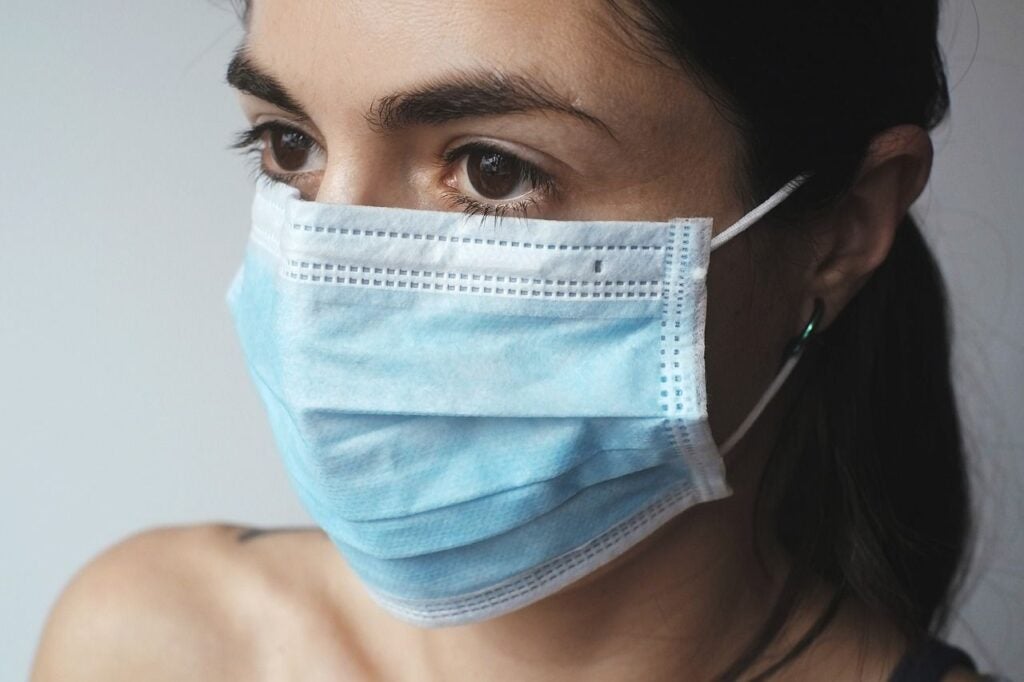
What you may have heard Mask-wearing increases the risk of cancer. What science tells us There is a vast amount of evidence showing that long-term mask-wearing has no effect on cancer risk. The first study to make this false accusation about masks has been discredited by many other studies (Moffitt Cancer Center). The American Lung…
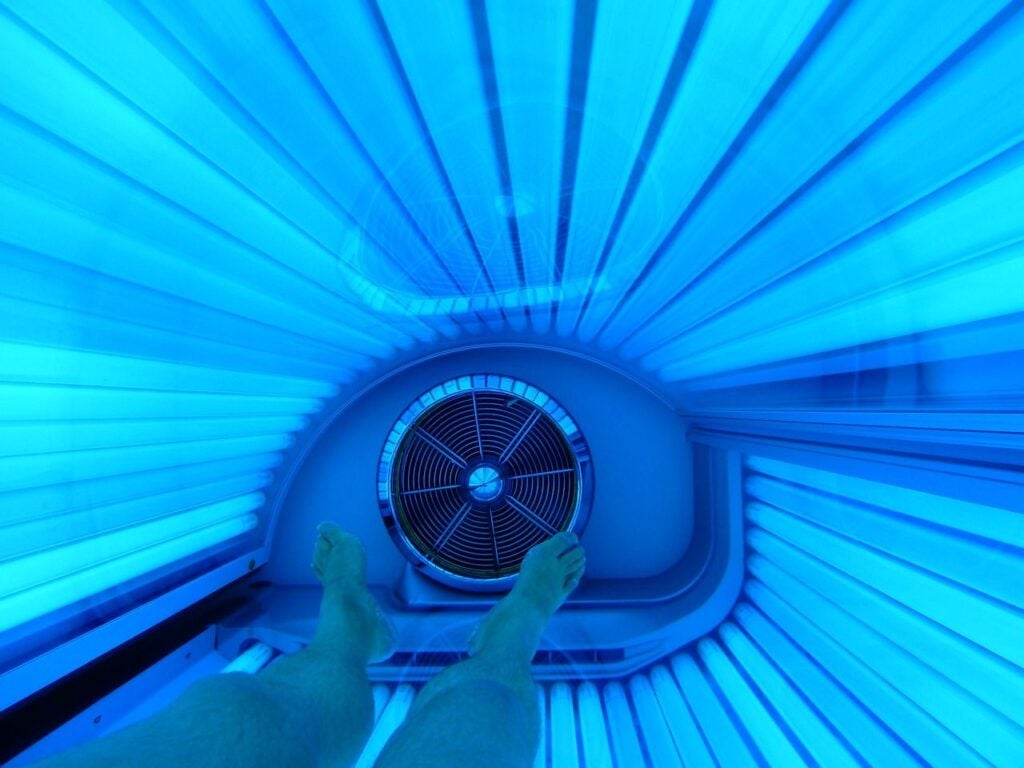
What you may have heard According to a 2012 report conducted by the U.S. House of Representatives Committee on Energy and Commerce, when contacted by Committee investigators, 90% of tanning salon staff provided false information about the serious risks of indoor tanning and made false claims about the health benefits that indoor tanning provides (AAD).…
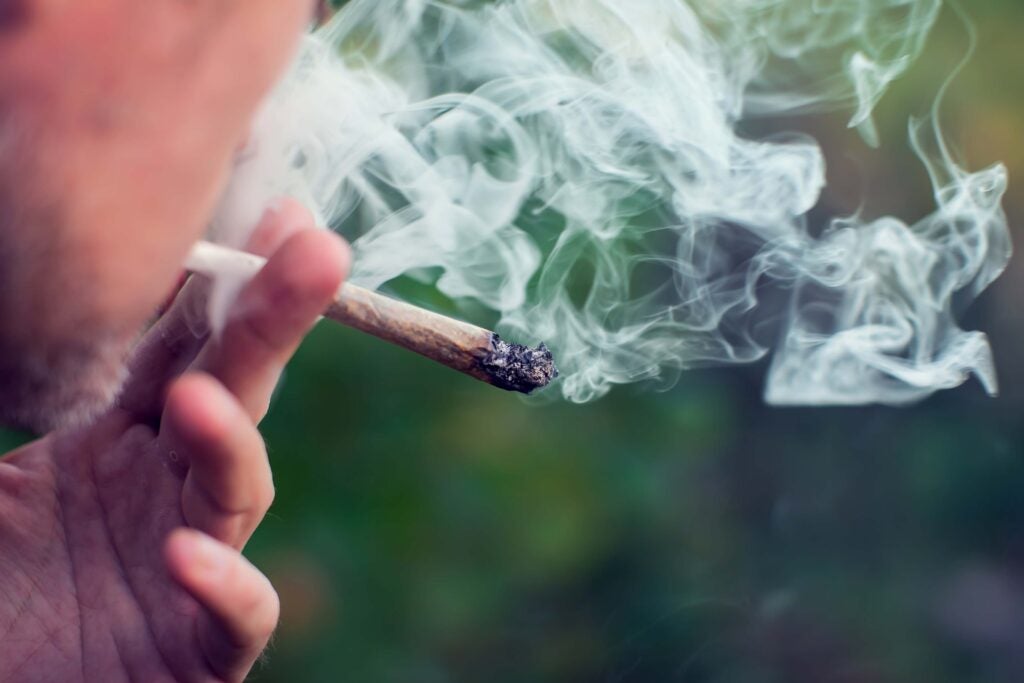
What you may have heard You may have heard that smoking marijuana is safer than cigarettes and does not cause cancer. What science tells us Marijuana is the name given to the dried buds and leaves of the cannabis plant; it goes by many names, including pot, grass, cannabis, weed, and hemp. Marijuana plants come…
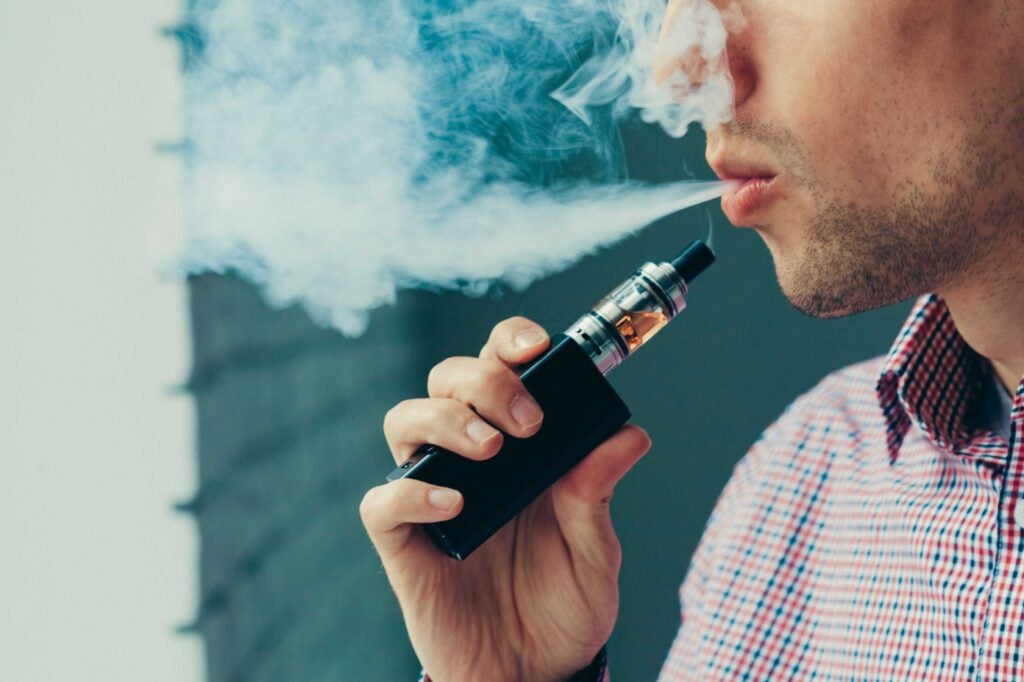
What you may have heard Smoking e-cigarettes or vaping can increase your risk of lung cancer. What science tells us These products are known by many names including e-cigs, vape pens, vaporizers, and electronic nicotine delivery systems (ENDS). They consist of a battery that turns the device on, a cartridge containing liquid (or “pod”), and…
What you may have heard Tobacco use is a leading cause of cancer and cancer death. It is also the biggest preventable cause of cancer. What science tells us All tobacco products, including cigarettes, cigars, pipe tobacco, chewing tobacco, and snuff contain poisonous substances, cancer-causing agents, and nicotine (a highly addictive substance). Cigarettes are the…

What you may have heard A disrupted sleep cycle reduces our body’s ability to function properly and decreases its ability to ward off cancer (Shafi et al.). What science tells us The World Health Organization (WHO) states that circadian disruption alone is a risk factor for cancer.“Circadian disruption” is defined as any change in sleep…