Fact Finder Tool
Discover insights, research, and information to help you navigate cancer-related topics with confidence.
Discover insights, research, and information to help you navigate cancer-related topics with confidence.
What you may have heard The U.S. National Institute of Environmental Health Sciences (NIEHS) stated that the health risk from extremely low frequency (ELF) radiation poses a weak health risk: the radiation is not entirely safe, yet it is still a potential carcinogen (ACS, NIEHS). What science tells us Radiation exists across a spectrum from…

What you may have heard People who fly frequently, like pilots and flight attendants, are at higher risk for cancer. What science tells us Air crew are exposed to higher levels of radiation (specifically cosmic ionizing radiation, a type of radiation that comes from outer space). Cosmic ionizing radiation is known to cause cancer, and…

What you may have heard Interior or exterior house painting is associated with cancer. What science tells us Paint chemicals contain thousands of chemical compounds. The main organic solvents used in paints are toluene, xylene, aliphatic compounds, ketones, alcohols, esters, and glycol esters. The amount of volatile organic compounds (VOCs) released are similar to those…

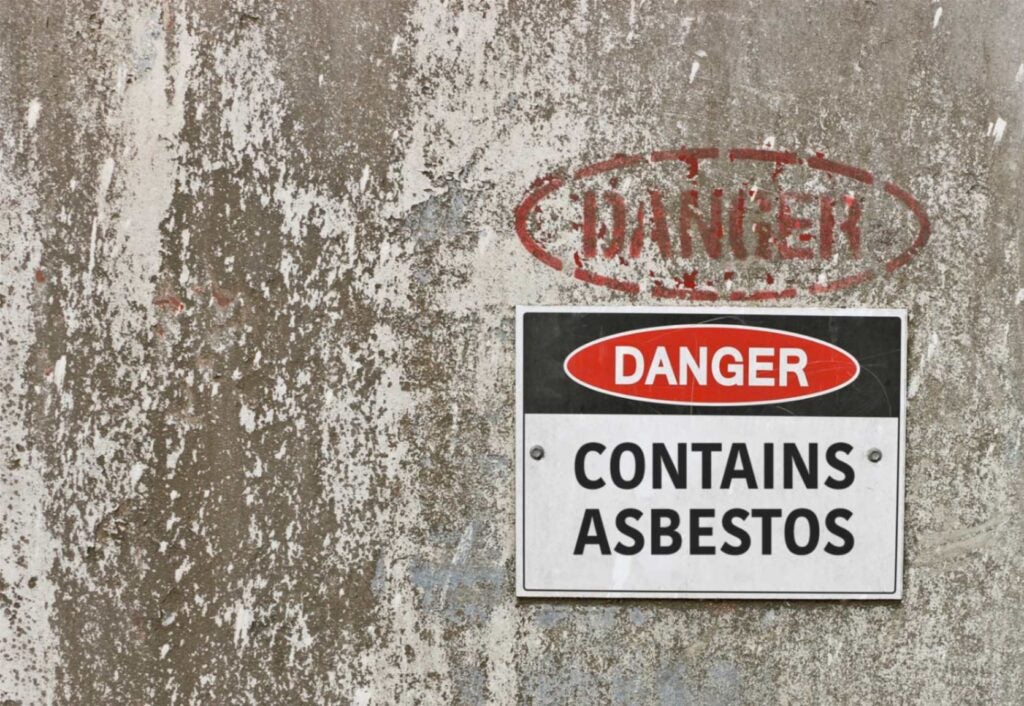
What you may have heard Exposure to asbestos causes cancer. What science tells us Asbestos was a construction material (used primarily in insulation) and can be found in buildings built before 2000. The International Agency for Research on Cancer (IARC) has labeled asbestos as a known carcinogen. It causes cancer by scarring lung tissue whenever…
What you may have heard Exposure to formaldehyde can cause cancer. What science tells us Formaldehyde is a colorless, flammable, strong-smelling chemical that is used in building materials and in the production of many household products. It is used in pressed-wood products (such as plywood and fiberboard), glue, adhesives, permanent-pressed fabrics, paper product coatings, insulation,…

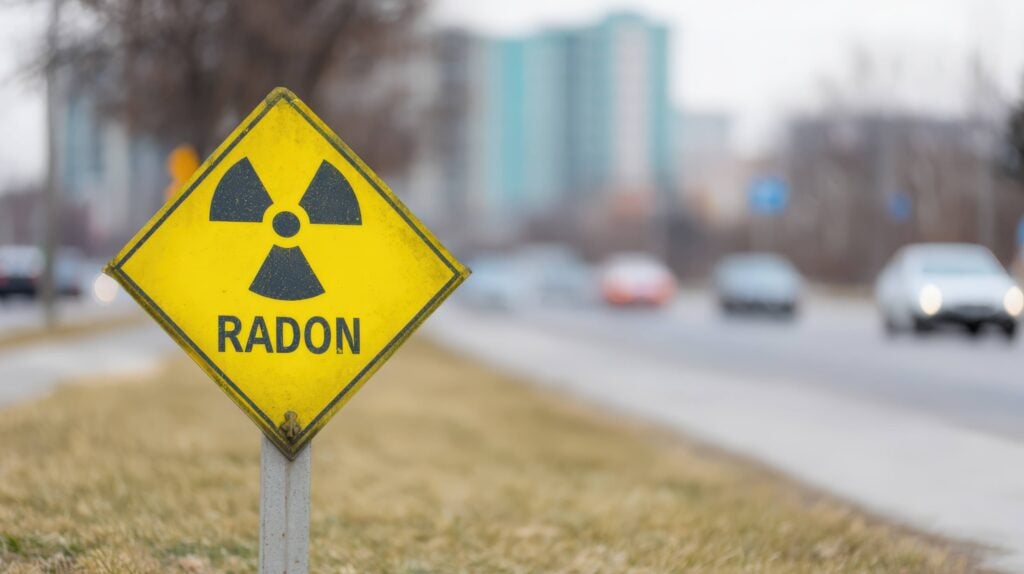
What you may have heard Radon gas causes cancer. What science tells us Radon is a colorless, odorless gas that, after long-term exposure, can lead to lung cancer. Radon breaks down into radioactive elements in the air, which are absorbed into the body. Radon is considered carcinogenic to humans by national and international organizations, including…
What you may have heard Women who undergo induced medical abortions have a higher risk of developing cancer. What science tells us Hormone levels change dramatically during pregnancy and decrease a woman’s number of menstrual cycles, which affects breast cancer risk (ACS). Abortion is believed to interrupt the normal cycle of hormones during pregnancy. There…

What you may have heard People who take birth control pills have an increased risk of cancer. What science tells us Birth control pills are used to prevent pregnancy and contain two hormones: estrogen and progesterone that help regulate the menstrual cycle (Cleveland Clinic). Birth control pills prevent pregnancy by stopping ovulation and preventing sperm…

What you may have heard Women who take hormone replacement therapy have a higher risk of developing breast cancer. What science tells us There are various types of hormone replacement therapy (HRT), including estrogen only, estrogen + progestin (combined), or bioidentical hormone replacement therapies. Estrogen While hormone replacement therapy with estrogen alone improves symptoms of…

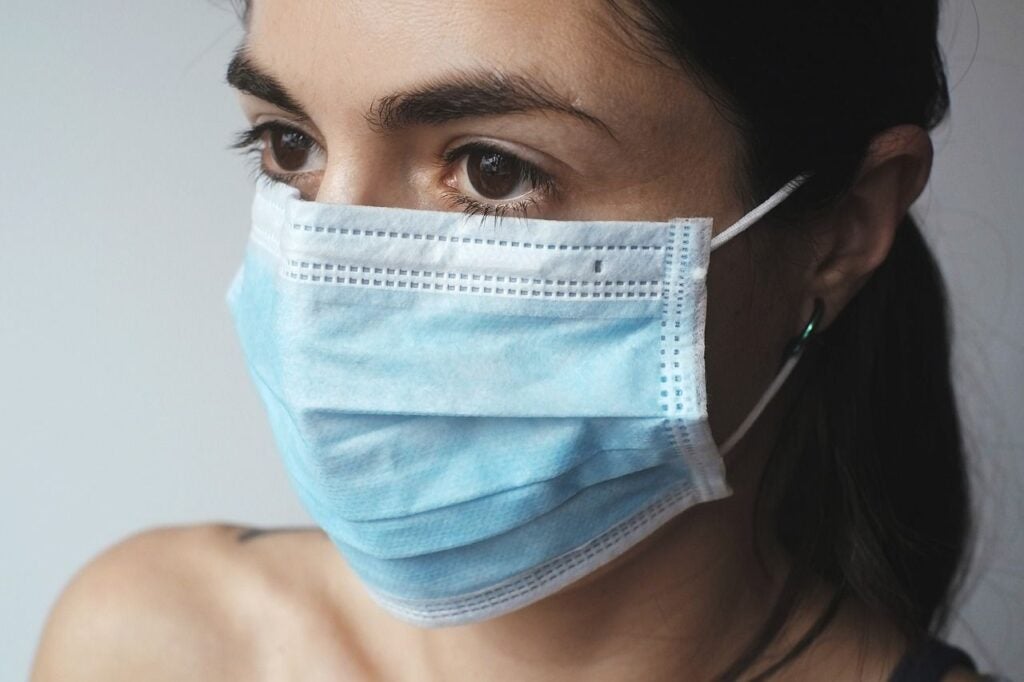
What you may have heard Mask-wearing increases the risk of cancer. What science tells us There is a vast amount of evidence showing that long-term mask-wearing has no effect on cancer risk. The first study to make this false accusation about masks has been discredited by many other studies (Moffitt Cancer Center). The American Lung…
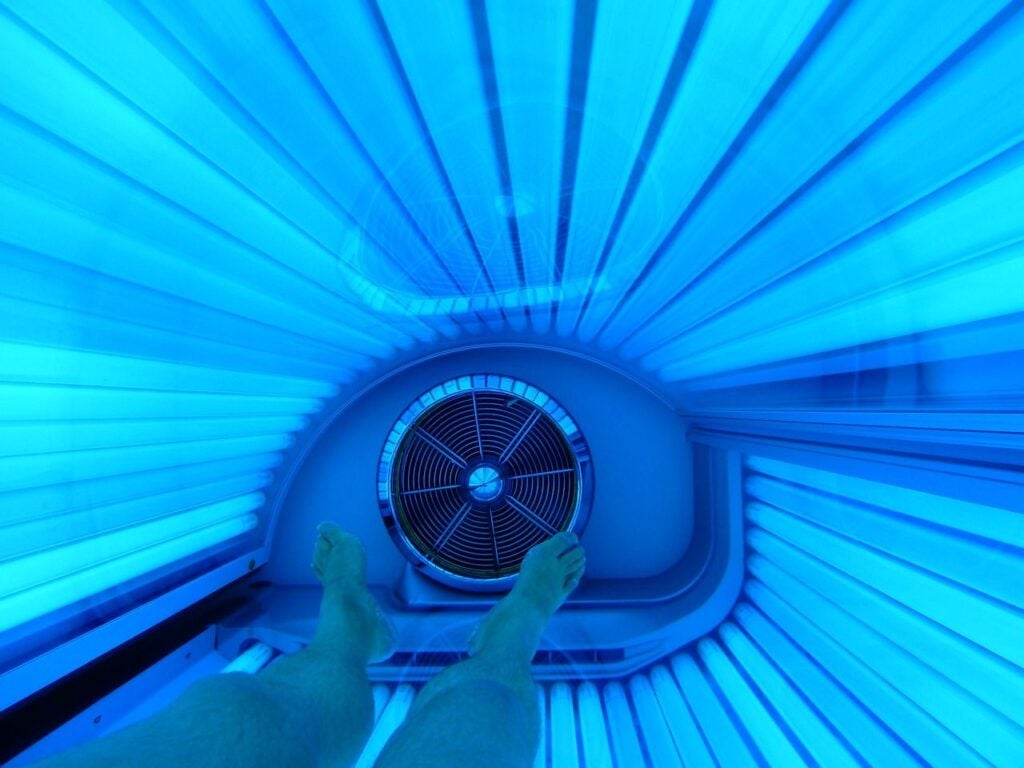
What you may have heard According to a 2012 report conducted by the U.S. House of Representatives Committee on Energy and Commerce, when contacted by Committee investigators, 90% of tanning salon staff provided false information about the serious risks of indoor tanning and made false claims about the health benefits that indoor tanning provides (AAD).…
What you may have heard You may have heard that smoking marijuana is safer than cigarettes and does not cause cancer. What science tells us Marijuana is the name given to the dried buds and leaves of the cannabis plant; it goes by many names, including pot, grass, cannabis, weed, and hemp. Marijuana plants come…